Perspectives

The Definitive DSO Report

10/17/2024
|
4 min. to read

By Brian A. Colao
Director, DSO Industry Group at Dykema

2024 2nd and 3rd Quarter DSO Industry Update

The DSO industry is facing unprecedented economic challenges, marked by record-high interest rates, rising labor costs, and increased expenses for supplies and materials, compounded by persistent inflation since mid-2022. Although there are signs of improvement in inflation and interest rates, uncertainty persists, particularly concerning U.S. job reports, upcoming economic data, and the presidential election. This update highlights key areas of interest for the DSO sector.

M&A Update
The consolidation of dentistry, which began around 2010, accelerated rapidly until early 2020. The pandemic then caused a temporary slowdown, but consolidation rebounded strongly in late 2020 and throughout 2021, reaching unprecedented levels. By the end of Q2 2022, however, rising interest rates significantly impacted large transactions. Many large DSOs paused their recapitalization efforts. Some DSOs have managed to secure substantial credit facilities, indicating ongoing confidence in the dental market.

In 2022 and early 2023, smaller transactions continued relatively normally until mid-2023, when they also experienced a slowdown. Large DSO transactions have been scarce, and prospects for improvement uncertain, heavily influenced by the upcoming presidential election. A new administration might implement measures to reduce interest rates and inflation, potentially revitalizing large transactions. However, the timing and valuations of such a resurgence remain unclear, especially given the record high valuations before the downturn.

Smaller transactions persist, but at a reduced pace and lower valuations compared to 2021. While some traditional buyers are currently unable to pursue acquisitions, others are limited to fewer transactions. A few buyers are maintaining normal transaction volumes, and new entrants are exploring the DSO market, providing some optimism.

The final quarter of 2024 is expected to be critical, with year-end economic reports and the presidential election likely affecting significant DSO transactions. Despite current challenges, high demand for transactions and many willing sellers suggest a positive outlook for the future.

Valuations for smaller transactions are now highly organization-specific, influenced by:

  • Payer mix
  • Growth potential
  • Specialty integration
  • Infrastructure adequacy
  • Cost savings and economies of scale
  • Organizational culture
  • Seller’s business and leadership skills
  • Regulatory considerations


DSO Priorities for 2024
Traditionally, DSOs focused on increasing EBITDA through mergers and acquisitions. However, current economic challenges have shifted priorities toward same-store growth, aiming to organically boost EBITDA organically. Strategies for same-store growth include technological innovations such as AI solutions, patient finance tools, RCM tools, discount and membership plans, and specialty integration. Progress in these areas has been slower than anticipated due to subscription fees, capital investment costs, and integration issues with many vendors lacking open architecture.

Fortunately, many of these issues are being addressed, and ongoing case studies on technological innovations for same-store growth are expected to yield valuable insights soon.

Another key priority for DSOs in 2024 is renegotiating credit facilities to ensure adequate capitalization for the coming years. While some DSOs have managed this process smoothly, others face challenges, with some resorting to receivership or bankruptcy. This area requires close monitoring.

Regulatory Update
The challenging economic climate has intensified regulatory scrutiny and enforcement, with various entities seeking to recover funds. In 2024, this has resulted in:

  • Increased auditing and enforcement from Medicaid and private insurers, leading to substantial and often unrealistic repayment demands.
  • Stricter HIPAA enforcement, accompanied by significant fines and penalties.
  • Heightened enforcement of labor and employment laws, leading to a rise in individual and class-action lawsuits.
  • Increased actions to recover PPP loans, with the government scrutinizing loan recipients’ compliance amidst conflicting advice and unclear guidance from 2020.
  • Growing disputes with affiliated dentists, particularly regarding dissatisfaction with DSOs unable to complete recapitalization events.

These developments reflect a response to economic difficulties, with stakeholders seeking revenue under sometimes questionable circumstances. This heightened regulatory and litigious environment is expected to persist until broader economic conditions improve.

Dykema DSO Conference Recap
A notable highlight of an otherwise challenging year was the 2024 Dykema DSO Conference, which set a new attendance record, becoming the largest event in the DSO industry’s history. With over 2,000 attendees, the conference offered exceptional content, networking opportunities, and overall experience. The 2025 Dykema Conference is scheduled for August 6-8, 2025, at the Gaylord Rocky Mountain Resort in Denver, with the aim of breaking another attendance record. Registration will open in January of 2025 at Dykemadso.com.

Gain ACCESS TO
INSPIRING
stories
Subscribe
Perspectives

The Science of Positivity

10/17/2024
|
9 min. to read

You are what you think

MARTIN R. MENDELSON, DDS, FIADFE, CPC

Your thoughts shape your emotions, guide your actions, and manifest your results. In the world of dentistry, challenges abound regardless of your role in the practice. When working with dental professionals and their teams, I’ve observed that mindset and transparent communication are the linchpins that differentiate good teams from exceptional ones. Fostering a cohesive and contented team is not just desirable but indispensable in today’s dental landscape. Easier said than done.

Dr. Viktor Frankl, a leading authority in neurology and a Holocaust survivor, made a powerful observation about human behavior when he said, Between stimulus and response, there is a space. In that space, is our power to choose our response. In our response, lies our growth and our freedom.” Our interpretation of stimuli guides our responses. Thus, the pivotal factor is not the event itself but how we perceive and react to it. What does this mean for dental providers?

Consider this scenario. It is your practice’s policy not to leave contaminated instrument trays in the sterilization room unattended. One day, you discover this policy was violated. Because of the instruments on the tray, you immediately know who left them. So, the instruments left in the sterilization room is technically neutral. As Dr. Frankl describes, what happens next is how you choose to interpret this action.

You might think this individual did it intentionally, or you may even wonder, “Why do I have to do everything around here?” — now, you
are angry. Your thought has given rise to an emotion, which is now facilitating an action. So, you decide to give this person a piece of your mind. You march towards the break room to find them.

When you find this colleague, they are crying. Why? Something awful had just happened in their lives. Now, what are your thoughts? Now, what are your actions? What changed? How would giving them a piece of your mind manifest in the result of processing those instruments? It doesn’t.

Once you discovered the colleague in the breakroom, the only thing that changed was your thinking about the situation based on new information. The fact a procedural policy was violated still exists. You went from anger to compassion in the blink of an eye because an assumption was voided.

How often have you encountered this type of scenario — not the same one, but one where something happens, and there is an interpretation? The resulting actions (or silent treatments) can be carried out for days, weeks, months, or even years. What would it be like to have a culture where all practice members are expected to communicate on a different level?

This shift in thinking exemplifies the ability to reframe reactions. The adage, you cannot teach an old dog new tricks is false, and there is a term for this. The term is neuroplasticity. Dr. Matt Puderbaugh1 describes it as “a process that involves adaptive structural and functional changes to the brain. It is defined as the ability of the nervous system to change its activity in response to intrinsic or extrinsic stimuli by reorganizing its structure, functions, or connections.”

So, yes, anyone can learn new thought patterns, and positive brains will help your dental practice succeed. Creating a cohesive and
happy team is possible. When I work with teams, we create an agreement, a constitution, and a contract that focuses on what kind of practice we want to attend every day, how we agree to show up when there are challenges, and how we agree to keep each other accountable.

This exercise establishes a mindset that can change the face of a practice. By opening the door to effective communication, all parties are able to be heard and gone are the days of sweeping things under the rug. Trust is established. Teams work together to provide excellent patient care by prioritizing effective communication and mutual respect.

Science supports the importance of a positive mindset.
Positivity Influences Brain Function

Dr. Barbara Fredrickson’s Broaden and Build Theory2 substantiates that a broadening effect of our cognitive function is biological. The “positive chemicals” of dopamine and serotonin help us to feel and function better. These chemicals allow for additional neural connections, allowing us to think more clearly and creatively and become more adept at complex analysis.

Reflect on moments when you’ve felt upset, exited a conversation, and regretted not expressing specific thoughts or missing key points. Barbara Fredrickson’s Broaden and Build Theory offers a compelling rationale for such experiences.

Positivity Helps Us See

A study by Dr. Taylor W. Schmitz3 showed that our mood changes how effectively our visual cortex operates. Individuals were shown pictures.
Participants in negative moods did not process all the details in the pictures. They missed significant parts of the background. Those in good moods saw all the details.

In another study by Dr. Heather A. Wadlinger4, participants who were trained to concentrate on positive information selectively “looked significantly less at the negative images in the visual stress task following the attentional training, thus demonstrating a learned aversion to negative stimuli.”

Comprehensive attention to detail is crucial in a dental practice regardless of your role. If team members harbor negative mindsets, it will impact your bottom line.

Positivity Influences Diagnosis

Clinicians need to assimilate large volumes of information to make a diagnosis, and inflexibility in thinking or anchoring (trouble letting go of an initial diagnosis or the anchor), even in the face of new evidence, can be detrimental to the diagnostic process.

Dr. Carlos Estrada5 sought to investigate the influence of a positive effect on clinical reasoning, anchoring, and efficiency. In his study, he split physicians into groups, and they were given medical information to review and then come to a diagnosis. The group that was promised some candy (i.e., primed to be positive) demonstrated less anchoring and came to a diagnosis faster than the other groups involved in the study. Even just a minimal burst of positivity affected their diagnostic acumen.

Treatment planning and case acceptance are the bread and butter of any practice. Imagine what we may be missing by harboring negativity instead of working through it on a more regular basis.

Positivity Influences Performance

A study by Bryan assessed the impact of positive moods on students’ feelings of self-efficacy and math performance. A group of students were asked to remember one of the happiest days in their lives before taking a standardized math test. Those students who were asked to remember these happy times outperformed the other students not asked to recall fond memories. The study concluded that “children in the positive-mood condition completed significantly more problems accurately than children in the no-treatment control condition.”

Positive brains operate more efficiently, enhancing diagnostic accuracy with fewer missed details. Psychology devotes an entire branch to positivity, and these studies barely scratch the surface. Studies and knowledge are one thing — action is another.

Now, take tangible steps forward to cultivate positivity and improve team dynamics with these suggestions:

01
Establish a culture of transparent communication.
  • Create an agreement or constitution outlining expectations for communication, teamwork, and accountability within the practice.
  • Hold regular team meetings or huddles to discuss practice policies, challenges, and successes openly.
  • Encourage team members to express concerns, share ideas, and constructively provide feedback.
02
Integrate gratitude practices into daily routine.
  • Start each day with a morning huddle focused on expressing gratitude for successes and positive experiences and identifying challenges.
  • Encourage team members to share moments of gratitude, whether related to patient care, teamwork, or personal achievements.
03
Promote a positive mindset and resilience.
  • Provide training or workshops on the science of positivity and the impact of positive emotions on cognitive function.
  • Offer resources for team members to develop resiliency skills, such as mindfulness practices, stress management techniques, and self-care strategies.
  • Foster a supportive environment where team members feel empowered to overcome challenges and bounce back from setbacks with optimism.
04
Cultivate strong interpersonal relationships.
  • Encourage collaboration and mutual support in daily interactions, emphasizing the importance of treating colleagues with kindness and respect.
  • Provide opportunities for team members to engage in activities in and outside work to strengthen bonds and foster camaraderie among team members.

As a profession, we stand as heroes, alleviating pain, restoring function, and nurturing self-confidence through aesthetic procedures. Our work is undeniably miraculous. In your most challenging moments, I urge you to keep this in mind.

We have all fallen into patterns of thinking that have served us in one way or another to get us to where we are today. If you are feeling stressed and burnt out, you can change your patterns to better serve you. You cannot choose everything in life, but you can choose your
attitude. By cultivating a positive mindset and fostering open communication, dental professionals can navigate challenges with resilience and optimism to enhance patient care and practice outcomes. As the dental industry continues to evolve, may we embrace positivity as a guiding principle, empowering us to overcome obstacles and thrive in our incredible field.

Dr. Martin R. Mendelson
Dr. Martin R. Mendelson, FIADFE, CPC, leverages his clinical background to empower leaders for over two decades. Through Metamorphosis Coaching, he enhances decision-making and fosters excellence-driven cultures. Dr. Mendelson’s unique approach focuses on internal T.E.A.M, (Thoughts, Emotion, Action, Manifestation) versus External T.E.A.M. (Trust, Engagement, Accountability, Mindset), profoundly impacting team cohesion and productivity.

He can be reached via both his:
Website: www.martinmendelson.com
LinkedIn: www.linkedin.com/in/metamorphcoach/

References

1. Puderbaugh M, Emmady PD. Neuroplasticity. [Updated 2023 May 1]. In: StatPearls [Internet]. Treasure Island (FL): StatPearls Publishing; 2023 Jan.
2. 2004 The broaden–and–build theory of positive emotions Phil. Trans. R. Soc. Lond. B3591367–1377
3. Opposing Influences of Affective State Valence on Visual Cortical Encoding Taylor W. Schmitz, Eve De Rosa, Adam K. Anderson Journal of Neuroscience 3 June 2009, 29 (22) 7199-7207; DOI: 10.1523/JNEUROSCI.5387-08.2009
4. Wadlinger HA, Isaacowitz DM. Looking happy: the experimental manipulation of a positive visual attention bias. Emotion. 2008 Feb;8(1):121-6.
5. Carlos A Estrada, Alice M Isen, Mark J Young, Positive Affect Facilitates Integration of Information and Decreases Anchoring in Reasoning among Physicians, Organizational Behavior and Human Decision Processes, Volume 72, Issue 1, 1997, Pages 117-135,
6. Bryan T, Bryan J. Positive mood and math performance. J Learn Disabil. 1991 Oct;24(8):490-4.

Gain ACCESS TO
INSPIRING
stories
Subscribe
Leadership

Lessons in Leadership

10/17/2024
|
1 min. to read

Learn from the Women in DSO® members shaping the future of dentistry and DSOs. Their insights, tools, and secrets to success are yours to discover in Lessons in Leadership. Gain an intimate glimpse into the diverse world of leaders who illuminate the path forward with both inspiration and practical guidance.

Gain ACCESS TO
INSPIRING
stories
Subscribe
Markets & Enterprise

Critical Staffing Numbers

10/17/2024
|
2 min. to read

Temporary and part-time staffing is an investment that comes with its challenges—but it also leads to significant ROI.

Investing in temporary and part-time staffing is crucial for adaptive, thriving organizations.
Dental practice owners today face the challenge of balancing financial stability with employee satisfaction. Rather than just cutting costs, focusing on longer-term investments in part-time and temporary staff can drive long-term success. Oxford University research shows a strong link between employee well-being and financial performance. Companies with higher well-being scores yield better returns, higher profits, and greater valuations, making investment in the well-being of temporary and part-time staff a smart business strategy.

Key benefits of investing in temporary and part-time staffing include:
Enhanced productivity, stronger relationships, increased creativity, improved health, and better talent retention. However, practices may struggle to support temporary and part-time workers in the way they support full-time employees. Staffing companies must help by ensuring retention, reducing liabilities, and caring for dental professionals. For instance, onDiem partnered with the American Dental Hygienists’ Association (ADHA) to provide benefits that support dental hygienists’ well-being, reflecting a commitment to their professional and personal growth. This includes rebates on ADHA membership and onDiem Care Benefits, a monthly wellness stipend that covers health and wellness-related expenses.

Gain ACCESS TO
INSPIRING
stories
Subscribe
Women in DSO®

Capital Gains

03/06/2025
|
4 min. to read

Empowering Female Entrepreneurs and Investors

Today, women dominate clinical and business roles across the dental industry — they know and understand the dental industry’s needs, challenges, and opportunities better than anyone else. So why are they often left in the shadows when accessing venture capital?

Women-founded/led companies receive less than 2.5% of venture capital funding. This statistic is even more staggering in the dental industry. Despite being the backbone of clinical care, women are often sidelined when securing the capital necessary to bring their innovative ideas to life. Recognizing this disparity, Women in DSO® has partnered with Dental Innovation Alliance (DIA), to launch the Entrepreneurship Corner, a new initiative designed to empower women and men equally as both entrepreneurs and investors. DIA is a venture capital firm that funds, advises, and propels the success of early-stage companies building the future of dentistry and health through technology. We hope that this partnership reshapes the landscape of dental innovation by engaging more women.

The Entrepreneurship Corner is not just a response to this imbalance. It is a bold step toward redefining who gets to lead in dental innovation. It is built on the premise that empowering women to become successful entrepreneurs and savvy investors is not just beneficial for women but essential for the future of the dental industry. The topics discussed are also relevant for women who are supporting technology companies at various levels of their careers.

A Two-Fold Approach

The Entrepreneurship Corner offers two distinct curriculums: one focused on entrepreneurship and the other on investing. Both are designed to be practical, accessible, and deeply impactful.

The entrepreneurship curriculum will:

  • Help women cultivate an entrepreneurial mindset, a critical step in identifying opportunities and driving innovation
  • Share how to develop robust business plans, conduct thorough market research, and navigate the financial and legal nuances of starting and scaling a business
  • Equip women with the skills necessary to lead successful ventures and prepare them for potential exit strategies

The investor curriculum is equally comprehensive and will:

    • Guide participants through the complexities of early-stage and late-stage investment
    • Cover the basics of different types of investors, from angel investors to venture capitalists to corporate backers
    • Offer insights into evaluating startups and understanding the risks and rewards associated with various investment stages

As Dr. Aman Kaur, the founder and president of Women in DSO®, aptly shares, “We know a lot about the salary gap, but another important issue is the wealth gap. Women leaders in dentistry have just as much to offer and need to be equipped with the right tools and opportunities, so they can make money with their money, bounce back from failures if they happen and become confident investors.”

Learning by Doing
What sets the Entrepreneurship Corner apart is its emphasis on actionable learning. Each module includes a 15-20 minute video followed by an “assignment” designed to help participants apply what they’ve learned in real-world scenarios to prepare themselves for entrepreneurship as well as investing. The curriculum features insights and expertise from leaders across the dental and investment industries, bringing real-world expertise directly to participants. Learnings are built from their experience and strategies that go beyond textbook knowledge. Participants will gain practical advice and actionable tips that they can immediately put into action and see results.

Building a Community of Leaders
As this group of investors and entrepreneurs work together, these relationships will develop into a community that can continuously help others with their expertise and lessons. It will provide these innovative leaders the opportunity to discuss their successes and setbacks, exchange ideas, and provide each other with the encouragement and advice needed to navigate the often challenging paths of entrepreneurship and investing. It will create space for participants to connect, share their experiences, and learn from one another.

A Vision for the Future
Women across the dental industry already possess expertise and ideas; they just need the tools and support to bring them to fruition. Confidence is often a product from knowledge; by combining education with practical application, the Entrepreneurship Corner aims to dismantle the barriers that have historically kept women from accessing the capital and investment opportunities they deserve.

This initiative is about creating a new vision for the dental industry — where women are not just participants, but also are leaders in innovation and investment. Through the partnership of Women in DSO® and DIA, the Entrepreneurship Corner is an invitation to all progressive leaders in the dental field to come, be empowered, and change the future of dentistry together.

Gain ACCESS TO
INSPIRING
stories
Subscribe
Perspectives

The Invisible Engine Behind Scalable DSOs

10/22/2025
|
7 min. to read

Your Tech Stack, Unstacked

By Alan Rencher
Chief Technology Officer, Henry Schein One

In my conversations with DSOs, I’m consistently struck by how many still rely on a patchwork of third-party vendors to run their operations. Think about the sheer number of systems involved in a single day—imaging, revenue cycle management, scheduling, analytics—each handled by a different tool. How much time is being wasted manually entering data, fumbling to find patient information, and clicking between tools?

In today’s rapidly evolving dental landscape, scaling successfully means investing in a tech ecosystem (tech stack) that doesn’t just support growth, but actively drives it.

To run your DSO effectively now and in the future, you need a tech stack that adapts easily, improves your team’s efficiency, and enhances every step of the patient’s experience.

What Your Tech Stack Should Do for You
When I talk about tech stacks, I’m referring to the tools and technologies you use to run your organization. Think of it this way: You don’t carry a phone, camera, voice recorder, and Walkman anymore. You carry a smartphone that gives you access to everything. A tech stack functions the same way.

Your tech stack is the heartbeat of your operation, and it should do more than just function. It needs to bring clarity and confidence at every stage. And when it provides the four things below, your DSO’s growth can finally be unlocked.

01
It Should Simplify Workflows and Amplify Results
Your tech stack should eliminate redundancies and manual tasks, dramatically reduce administrative workload, and—most importantly—help create a better patient experience.

A truly connected platform should create automated synergies between common workflows. I’m excited by the work our team has done to address this, streamlining the entire patient intake process, from booking to check-in to payment.

• Revenue cycles run themselves.
• Capacity planning is proactive.
• Patient experiences feel seamless, every time.
• Your data tells you what to do next—before you even ask.

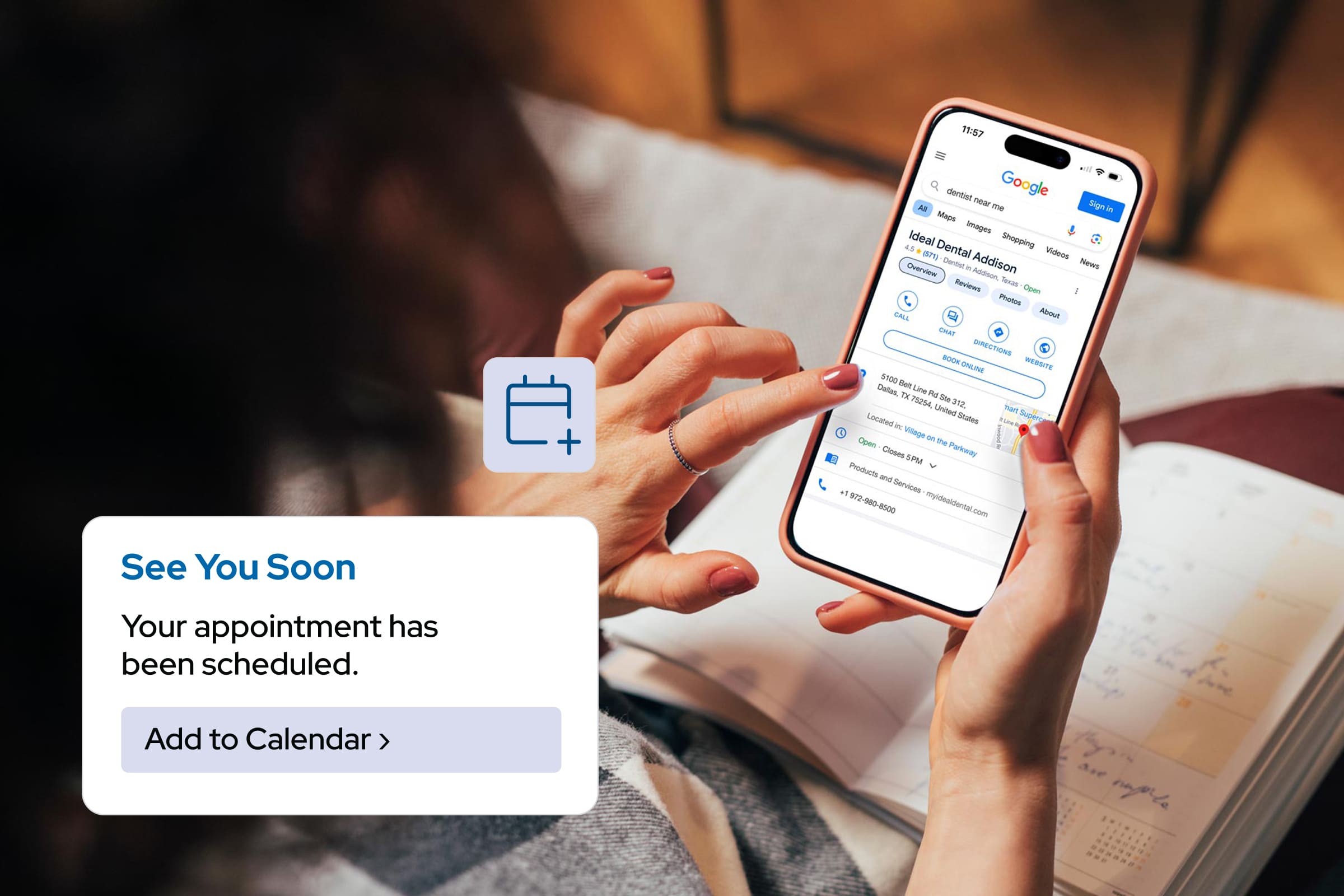
A patient finds your practice on Google, books an appointment, and completes their forms—scanning their ID and insurance card right from their phone. That information flows directly into the patient record—no manual entry, no errors.

Insurance eligibility is verified automatically ahead of the visit—without front office staff spending time calling payors or digging through portals. Your patient walks in and your team is already prepared with their information and benefits confirmed.

During the appointment, imaging is annotated with AI and tied to the treatment plan with transparent cost visibility—giving patients the confidence to move forward. CDT codes are applied instantly. Claims go out clean. Denials drop. Cash flow improves. This is smarter care in action—where technology works quietly in the background, and your team gets back to focusing on patients.

I’ve seen large DSOs produce some significant results with a more connected platform. For example, Areo Dental, based in Chicago, has seen 20% growth thanks to connected cloud-based technology, revenue management automation, and real-time data analytics. 42 North Dental, based in Massachusetts, has seen the benefits of standardizing operations, and can now manage data collection, among other things, for all 96 of its practices.

02
It Should Protect Your Data
I firmly believe that credible technology companies have a responsibility to protect your patient and practice data, and the security measures they implement should be just as important as any other software feature.

You shouldn’t have to worry whether your practice management system is secure. Those controls should be in one place, managed by your vendor’s team of experts who handle security concerns like edge protection, secure coding practices, and cyber incidents.

Let’s bring back our friends at 42 North Dental: Security played a huge role in their decision to move to the cloud. Centralizing data management in a secure cloud environment provides a far more robust disaster recovery strategy than managing disparate, on-site servers.

One of the things I always say is, “It’s not a matter of if a breach happens, but when.” Data security is nonnegotiable. We were pioneers in this area with Dentrix Ascend as the first cloud-based practice management system to meet SOC 2 Type II compliance standards, which helps us protect against data breaches and offers a secure audit trail for prescriptions, treatments, and records.

Security is at the root of your tech stack, so the first question you’ll want to ask any potential software provider is “Do you have SOC 2 Type II certification?”

03
It Should Give You the Freedom to Connect—Anywhere
Being untethered from a physical workstation empowers real-time decision-making and the flexibility to pivot instantly as situations evolve. This mobility benefits more than just your team—it transforms clinical operations as well.

I often hear from DSOs how essential the cloud is to their operations. Doctors are able to seamlessly move between locations while maintaining access to all essential patient information. Scheduling and communication don’t need to be done at a desktop.

These DSOs are able to access key practice data and workflows from any internet-connected device, enhancing communication, collaboration, and overall efficiency across their team. For instance, FlossTime, a Boston-based mobile dentistry practice, depends on cloud-based Dentrix Ascend to access patient files, send texts for appointment reminders, and manage online bookings from anywhere.

I also hear how using the cloud helps you be you. For example, sending in a prescription after hours for a patient while you’re at your daughter’s soccer game or quickly checking a report in your car before taking your dog to an appointment—the cloud provides that secure, trusted connection when you need it, wherever you need it.

04
It Should Be Customizable to Meet Your Unique Needs
As part of my role as Chief Technology Officer, I’m constantly considering how technology can empower DSOs. With our API exchange, DSOs can effortlessly connect trusted third-party applications or build their own. This ability to build custom integrations has allowed DSOs like Kare Mobile to address very specific operational needs.

For instance, Kare Mobile developed DentaFlo, their own scheduling system that automates appointment booking. By connecting DentaFlo with Dentrix Ascend through our API, they’ve automated scheduling for over 1,500 appointments, resulting in significant time savings. This integration has also maintained or even improved productivity and no-show rates in various locations.

Quote
Centralized systems aren’t a luxury— they’re your new foundation.

Fuel Your Growth
The smartest DSOs understand that the right tech stack doesn’t just accommodate growth—it fuels it. I hear the same message consistently: Centralized operations are not just beneficial—they’re essential. This centralization provides the clarity and consistency needed to make informed decisions, streamline processes, and ultimately drive scalable, sustainable growth across their entire DSO.

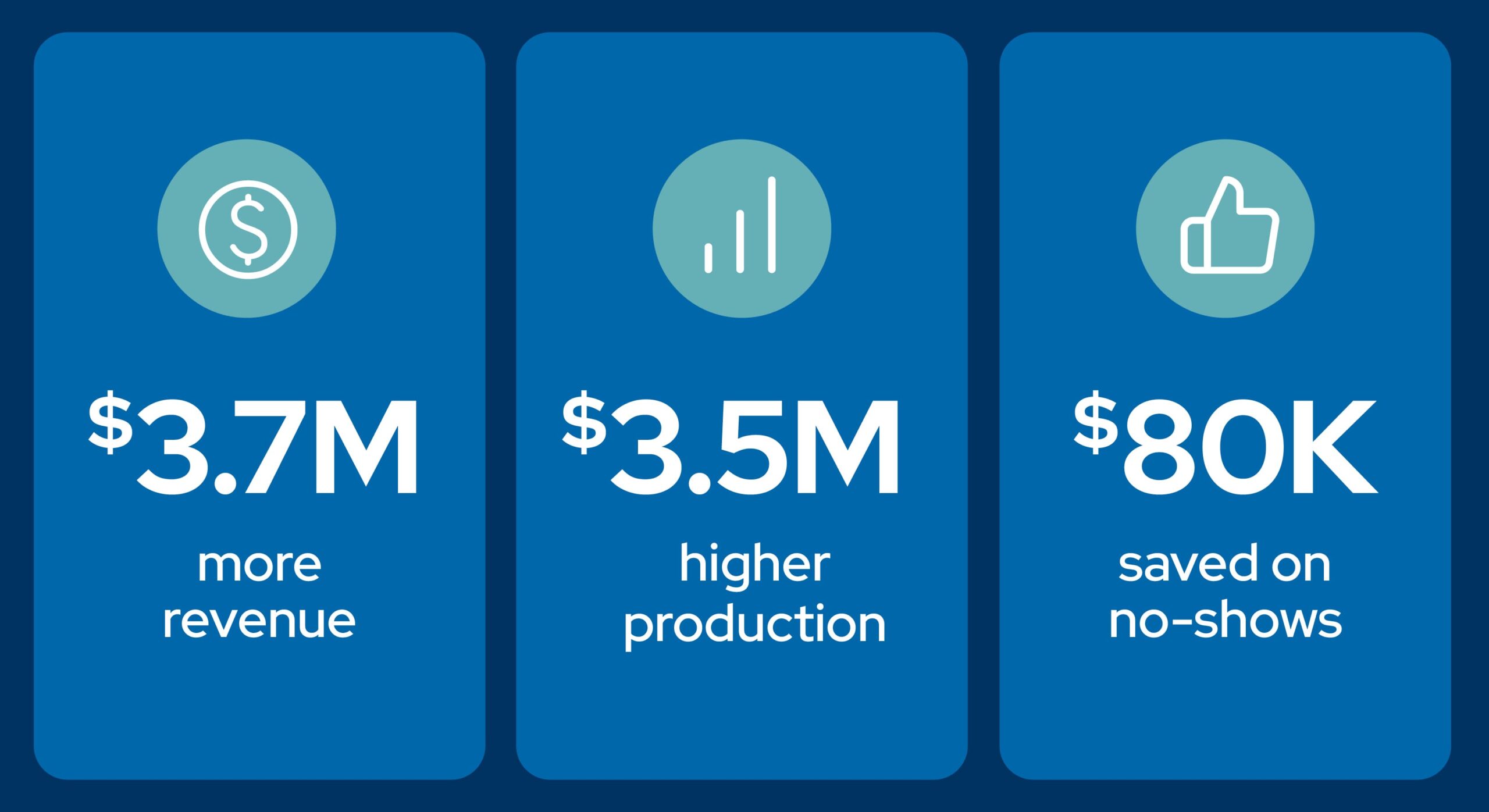
And the data bears that out. Our latest benchmarking report highlights top-performing DSOs, and the difference between the leaders who prioritize scalable, flexible tech ecosystems and the industry average is striking. Among other things, these leaders achieved:

This is the future we’re building: One where doctors are free to focus more on their patients and passion, not their systems, and DSOs can truly flourish. The momentum is real, the impact is growing, and we’re excited to be a part of it. Join us.

henryscheinone.com
833-210-7614

Chief Technology Officer Henry Schein One
Alan Rencher
Chief Technology Officer
Henry Schein One

Alan Rencher is a technology executive at Henry Schein One, an innovative technology company that provides industry-leading practice management, market, and patient engagement solutions. Previously, Alan worked in executive technology leadership roles at MasterControl, Target, Melaleuca, and various other technology companies. Alan enjoys solving complex problems with incredible tech and even better people. Alan holds various engineering and computer science degrees. Alan resides in Highland, Utah, with his wife and four children.

Gain ACCESS TO
INSPIRING
stories
Subscribe
C-Suite

3 Questions Every CEO Should Be Asking

03/06/2025
|
13 min. to read

Safeguarding the Modern DSO from Ongoing Cyber Threats

The dental industry is currently at a unique inflection point. There is increased demand for data, increased cybercrime, and ongoing privacy concerns, which together challenge practices — and their brands — like never before. The transition to digital has improved the ability to collect and process data and empowers dental practices to provide a better experience for their patients, employees, and partners. However, it has also created new vulnerabilities that can significantly impact EBITDA and the “brand trust” they work so hard to create.

Data has never been more important. The role of data — its quality and security — is instrumental to fueling technology, running operations, automating processes, enhancing experience, and improving decision-making. Data is, indeed, the linchpin for innovation in the industry.

Unfortunately, this data is of value to both your organization and to outside threats. Healthcare organizations store immense patient data, making them attractive targets for cybercriminals. Cyberattacks, data breaches, and ransomware represent real threats to your data and business. Ransomware attacks alone have tripled (246%) in volume over the past five years and top the list of biggest perceived security threats. Needless to say a breach can lead to severe financial and reputational damage to a DSO, regardless of size.

Gary Salman, CEO of Black Talon Security, emphasizes the importance of cybersecurity for DSOs. “Protecting your investments and critical patient data is paramount. Cybersecurity is not just about safeguarding sensitive information but also about preserving the trust and integrity that are fundamental to patient care. A robust cybersecurity strategy ensures that DSOs can operate securely and confidently in a landscape where data breaches and cyber threats are increasingly prevalent.”

The often uncomfortable conversations about cybersecurity can no longer be ignored. It is no longer just about meeting compliance, but it is about safeguarding the lifeblood of your organization and demands attention and engagement from the highest levels of corporate leadership. When it comes to cybersecurity, there are three big questions every C-Level leader should feel comfortable answering. Leaders, it is time to get informed of the risks and equip yourselves with the right questions and tactics to disarm cyber threats.

Quote
Effective cybersecurity is required for all businesses in the healthcare space. As a holding company, we need to be great partners and find and recommend great strategies for the 100+ small businesses who we are partnered with. The tools that my third-party security provider has deployed on our systems give me much greater visibility than I had before. I can actually track and keep a tally of attacks that were launched against some of our businesses. If even one of those attacks were successful, it would have cost our organization more money than we will ever spend on preventative security. That fact alone makes it easier for me to justify what I ask for when submitting my IT/security budget. I can emphatically state that I sleep better at night after partnering with a third-party cybersecurity provider.
– by Andy Taylor, Senior Director of IT for Dentive
1

What’s at risk if I don’t invest in cybersecurity?

Your patient’s financial and medical data is at risk.
Patient records, including personal and medical information, are among healthcare organizations’ most valuable assets. Healthcare data is attractive to cyber criminals because it contains financial and personal data, can be used for blackmail, is ideal for fraudulent billing, and is regulated by HIPPA law.

Your brand reputation is at risk.
Building a positive brand image is a gradual task that takes years. Within days, a cybersecurity breach can undo brand perception, severely damage an organization’s reputation, and erode patient trust. While security starts with internal commitments and discipline, to the outside world, security plays a significant role in achieving customer satisfaction — infusing trust into each interaction with your brand.

You risk regulatory fines and legal action.
With the increasing number of data privacy regulations, compliance has become a significant concern for all healthcare leaders. Implementing a strong cybersecurity strategy is not only a best practice but also a legal necessity to avoid the possibility of hefty fines and legal repercussions.

You risk significant financial loss.
Cyberattacks can have devastating financial consequences. The impact ranges from large ransom payments and business disruption to costs for remediation, legal fees, possible regulatory fines, and potential class action lawsuits. Revenue cycle is impacted often creating difficulty making payroll and paying expenses. A 2020 estimate from IBM placed the average monetary cost of a data breach in a company with fewer than 500 employees at $2.64 million.

CASE STUDY

A hard-hitting example of what’s at risk:

In mid-October 2023, a multi-specialty DSO with 15 locations running a Cloud-based EMR system was the victim of a significant ransomware attack.

The first indications of the event were ransom notes and encrypted files on almost all of their 400+ computers, which employees discovered upon arriving at their desks. Internal IT was immediately contacted, and the ransom notes and encrypted files were quickly confirmed as real. The hackers accessed their data and downloaded patient records via workstations within the DSO. The hackers also installed screen-sharing applications on the computers, providing them persistent access to the network.

After a week, a difficult recovery process began. Since each machine was impacted, all workstations and servers needed to be rebuilt from scratch. The rebuilding process took two weeks due to the size of the organization.

The ransom demand was more than $2,000,000, and the hackers provided a detailed list of all the patient records and files they stole. The DSO chose to negotiate and pay the ransom in order to get the decryption code to unlock their data. This also mitigated the chances of the hackers publishing and selling the stolen patient and operational data. The hackers agreed to accept $1,400,000, utilizing Bitcoin (BTC).

After four weeks, the DSO had exhausted its $3,000,000 cyber insurance policy. It was paying out of pocket an average of $250,000 per day for mitigation and recovery while generating $0 in revenue due to closed offices. This DSO experienced a total loss of over $5,000,000 from
operational outages due to the inability to see and treat patients, collect accounts receivable, office closures, legal fees, restoration expenses, and the ransom payment.

The IT department was not necessarily negligent; they were simply unaware of the sophistication of modern-day ransomware attacks and missed critical components of a robust security stack. A comprehensive offensive and defensive security stack could have prevented the intrusion and exploitation of the network.

This real-life example is not an outlier. Unfortunately, it is all too typical. Operational shutdown is a likely and immediate consequence for DSOs with more than five locations — lasting 7-10 business days. Generally, every workstation and server are impacted and requires a replacement or rebuild. Also, nearly all healthcare breaches involve patient data theft which requires forensic investigation. Painfully, no data can be moved or accessed until the investigation concludes. Engaging a cybersecurity firm for threat negotiations and forensic investigation is crucial and expensive. Ransoms for large dental organizations start at around $1 million.

Beyond the immediate aftermath, recovery is lengthy and expensive. DSOs can potentially be required to notify patients of the breach, offer ID monitoring, be subject to compliance fines, and possibly class-action lawsuits due to data theft and exposure. Often, the reputational harm of the events presents PR nightmares and the possibility of patient attrition when not handled properly.

2

Are we equipped to handle a cyberattack?

As a C-suite executive, you may not be a cybersecurity expert but it’s crucial for you to understand your organization’s cybersecurity
posture and potential vulnerabilities. To ensure that your organization is adequately protected, begin by asking your IT resources the following questions:

  1. Where is our organization most vulnerable to cyberattacks?
  2. When was our last vulnerability scan and what action was taken with these results?
  3. Do we have continuous, 24/7/365 monitoring of our network and data?
  4. Do we have a complete inventory of our data locations and the assurance that it is protected everywhere?
  5. What is the status of our cybersecurity awareness training at all levels of the organization?
  6. When was our last third-party security risk assessment conducted?
  7. Do we have a comprehensive response plan and protocol for handling a cyber intrusion?
  8. When was our last penetration test performed?
  9. Do we have a data map showing where all our data is stored?
  10. Do we have KPIs and Business Intelligence showing us trends in our security risk?

The answers to these questions will provide valuable insights into your organization’s security posture and help to highlight areas that may require immediate attention.

Quote
After our IT provider fell victim to a ransomware attack across all of our dental locations in Maryland, we turned to Black Talon on our insurance company’s recommendation. Their team was not only able to negotiate the ransom down by 25% but also managed the entire decryption process swiftly and effectively. Throughout the ordeal, they communicated clearly and patiently, guiding us through each step in a way that was easy to understand, even for someone not versed in IT. Their professionalism and support were invaluable during what was undoubtedly the biggest crisis of my 20-year career. I highly recommend Black Talon for their expertise, prompt response, and unwavering dedication.
– by Dr. T
3

What is our approach to preventing security threats?

Consult with experts and take a proactive, data-driven approach to prepare for the unexpected. An excellent place to start is a conversation with your IT resources and cybersecurity provider to assess gaps, prioritize focus areas, and implement changes accordingly. Meanwhile, there are also several proactive steps to consider. Start on these sooner rather than later.

It’s essential to distinguish the difference between IT resources and dedicated cybersecurity firms. IT companies concentrate on managing and maintaining your overall infrastructure, which includes tasks like managing firewalls, traditional antivirus protection, maintaining hardware, software updates, and backups. In contrast, cybersecurity companies go beyond traditional IT measures and specialize in safeguarding your data against threats and breaches. They employ highly credentialed security engineers who utilize advanced security measures such as intrusion detection, encryption, and conduct regular security audits, penetration testing, and vulnerability assessments to ensure comprehensive protection.

Empower employees
Foster a security-conscious culture within the organization where every employee understands their role in protecting its information assets. Educate them on the latest cybersecurity threats and train them to thwart cyber risks, social engineering, and other common threats. Conduct regular simulated security and phishing tests to reinforce this training measure performance.

Conduct vulnerability scans
Exploiting technical vulnerabilities is the second most common way hackers successfully target healthcare organizations. Vulnerability scans are a way to be aware of your wide-open “doors and windows” on your network before a hacker finds them. Using continuous vulnerability scanning tools helps identify weaknesses before hackers can exploit them. Vulnerability scans should be performed daily against your entire IT infrastructure, including all workstations, servers, and firewalls.

Implement advanced XDR and MDR anti-virus technology
Traditional anti-virus (AV) software has been a great tool for the past 30 years to defend organizations; however, it is not designed to protect DSOs from modern-day cyberattacks. Criminal groups that target healthcare organizations are well-funded, sophisticated, tech-savvy gangs of cyber criminals. They own most of the AV programs on the market and know how to re-engineer their malicious code to become invisible to traditional AV.

Upgrading your defense to Extended Detection and Response (XDR), or Managed Detection and Response (MDR) can significantly increase your chances of fending off an attack. XDR and MDR uses advanced analytics, machine learning algorithms and threat intelligence feeds to detect and prioritize security threats, isolate endpoints and notify who is responsible for network monitoring. An effective MDR solution should include 24/7 monitoring by a human security professional.

Conduct security risk assessments (SRAs)
Engage with a third-party expert to perform a SRA against your DSO. This assessment should involve a thorough analysis of your organization’s security posture, including identifying threats, vulnerabilities, operational risks, and lack of controls and SOPs. The third-party will provide you with a risk register, how to prioritize risks based on their potential impact, and recommend appropriate mitigation strategies and controls to address the identified risks. Commit to annual assessments and consider increasing their frequency after major changes such as mergers, technology integrations, and changes in the threat landscape. It’s especially crucial during the due diligence process to complete a comprehensive SRA before proceeding with an acquisition, as you don’t want to inherit any security breaches (or “buy a breach”).

Develop an incident response plan
The time to plan for a cyber incident is not in the middle of the crisis. It is critical to have a plan in place before an incident occurs. Develop a detailed incident response plan highlighting the steps for detecting, responding to, and recovering from different types of cyberattacks. Ensure that everyone in your organization is aware of their roles and responsibilities during a security incident.

Commit to implementing and validating
Once you’ve committed to implementing these top strategies, develop a way to track and verify that the money you are spending for protection is being used effectively. Modern security professionals are looking at ways of reducing redundant toolsets, increasing visibility into their blind spots and monitoring from a “single pane of glass.”

Develop security metrics
Security metrics allow you to base decisions on actionable data. Executive teams often make cyber decisions based upon “feelings” instead of developing a way to quantify risks and impacts. Cyber resilient DSOs monitor and track:

  • Real-time security metrics through actionable dashboards that ingest data from all your computers, servers, firewalls, anti-virus, and people. This provides organizations with a clear picture of where you have security risks so you can either accept or remediate them.
  • Current and historical data so leadership can ensure their IT and cybersecurity investments produce results.
  • A cybersecurity risk score based on vulnerabilities from computers and firewalls, threats stopped, cybersecurity training, simulated phishing, open ports on firewalls, and more. This risk score helps non-technical leaders grasp the overall risk and helps them align budgets to address it or ask more follow-up questions.

Today’s prevention secures tomorrow’s future
As stewards of the organization, executives set the tone for their organization to follow. Incorporate cybersecurity and risk management into your strategic planning. The outlook may seem bleak, but attacks are preventable. Implementing robust preventative measures will significantly reduce your risk. In these changing times, reevaluate your cybersecurity strategy to safeguard your revenue cycle, EBITDA, and growth plans against the consequences of inaction or outdated security practices.

This article is sponsored by Black Talon Security, the recognized cybersecurity leader in the dental/DSO industry. With deep roots within the dental and dental specialty segments, Black Talon understands the unique needs that DSOs and dental groups have when it comes to securing patient and other sensitive data from hackers. Black Talon’s mission is to protect all businesses from the devastating effects caused by cyberattacks—and that begins with a robust cyber risk mitigation strategy.

To evaluate your group’s current security posture visit www.blacktalonsecurity.com.

Gain ACCESS TO
INSPIRING
stories
Subscribe
Women in DSO®

Bold Moves & Rising Stars

10/16/2024
|
1 min. to read

Join us in recognizing these remarkable women with outstanding achievements and empowering organizations that recognize their brilliance.

Have a bold move or rising star to add to the list?

Submit them to be featured here.

Gain ACCESS TO
INSPIRING
stories
Subscribe
Leadership

The Next Big Thing

03/06/2025
|
15 min. to read

Insights from CEOs on How to Stay Ahead

Staying ahead of the curve is essential for unlocking growth and seizing new opportunities in the dental industry. The LEAD sat down with six visionary CEOs who are shaping their organizations and the future of dentistry. We explore what’s next from their unique perspectives, learn how they remain at the forefront of change, and gain practical tips that can be applied right away.

Dr. Sulman Ahmed of DECA Dental Group, Pete Bridgman of Affordable Care, Sarah Chavarria of Delta Dental Insurance Company, Bob Fontana of The Aspen Group, Chris King of Henry Schein One, and Dr. Saam Zarrabi of Rodeo Dental share their strategies for leveraging AI, integrating innovative technologies, and fostering a culture of continuous learning that drives growth and improves patient outcomes.

Read on to learn from these leading CEOs.

Meet Bob Fontana
The Aspen Group

Bob Fontana is the founder and CEO of Aspen Dental and Chairman of TAG – The Aspen Group, which supports over 1,450 health and wellness offices across dental care, urgent care, medical aesthetics, and veterinary medicine. Since founding Aspen Dental in 1998, Bob has been a pioneer in creating a patient-centered operating model that improves access, choice, and value in healthcare. His leadership has made TAG one of the largest and fastest-growing healthcare support organizations in the United States. Bob is a founding member of the Association of Dental Support Organizations and has over 25 years of healthcare leadership experience. Bob currently serves on the boards of both SimonMed and Hopscotch Primary Care, and previously served on the boards of the National Veterinary Association and MedExpress Urgent Care.

How are you integrating new technology into your operations?
“We’re always trying to find ways to leverage technology to better support offices and doctors, and it really does come down to our ability to use data, information, and insights to make things better for patients and providers. We’re constantly asking ourselves how we can use that data to make the in-office experience better, from developing a smarter approach to scheduling that enables those patients with the greatest need to be seen soonest to creating the right digital workflows to make the experience in the practice as efficient as possible for the providers and teams we support. Post-visit, we’re continuing to get better and better at personalizing the communication to patients to ensure that they are receiving the right message in the right channel at the right time as they go through the dental care journey, from the initial procedure through the healing process and all the way through treatment completion. We’ve made big investments in digital technology over the past few years, and by using data from across our network of nearly 1,500 offices across the entire TAG enterprise, we can make smart decisions that no one else can, giving us a unique edge in providing exceptional support to our teams.”

In your opinion, what skills will be most crucial for your employees in the next 2-5 years?
“The first thing is patient centricity and truly putting the patient at the heart of everything we do. It’s about more than just good clinical outcomes—it’s also understanding patient needs, preferences, and concerns and making sure our decisions reflect that understanding. Whether it’s how we communicate, the services we offer, or the way we design our processes, being truly patient-focused will set us apart and build stronger, more trusting relationships with those we serve. To do that, we need to have a culture of continuous learning, where everyone from the dentist to the lab technician wants to grow, develop, and flex their skills. And while it’s not a ‘traditional’ skill, I think we also need to keep that founder’s mentality front and center. Things like having an owner’s mindset and being obsessed with what’s happening on the frontlines never go out of style. These traits, combined with the new skills we’re focusing on, will set us all up for success as we move forward together.”

What is the biggest blind spot in dentistry right now?
“I think that one of the biggest blind spots in dentistry is the M&A model. A lot of companies came in as consolidators for a quick financial win. But they weren’t true operators, and so now that the financial environment has changed, they’re under a ton of pressure because you can’t sustain those strong results without a clear understanding of why you exist or how you’re creating value. It’s not enough to bring together these disparate practices — you need that strong, shared foundation and a mission that drives the business forward. So, as the industry evolves, it’s going to be interesting to see where all of that shakes out. And I think another issue is the rising cost of education for new dentists. It’s becoming almost untenable, and it’s really impacting the choices graduates have. Dentists are coming out of school with so much debt that they have to make hard decisions just to service that debt and still earn a good income. The cost of a good education can’t keep outpacing the ability to provide care forever. We need to address this before it becomes a bigger problem that affects access to care and the future of the profession.”

What’s a book, article, or podcast that has recently influenced your thinking about innovation and leadership?

The Founder’s Mentality
Recommended by Bob Fontana
Meet Sarah Chavarria
Delta Dental Insurance Company

Sarah Chavarria is the Chief Executive Officer and President of Delta Dental Insurance Company, serving over 31 million customers across 15 states, Washington, D.C., Puerto Rico, and other U.S. territories. Appointed CEO in early 2024, Sarah is leading Delta Dental’s transformation from a dental insurance provider to a leader in oral healthcare. Her strategic focus includes addressing the senior oral health crisis, strengthening partnerships with providers, and driving innovation across the company. Sarah has received numerous accolades, including being named among the 100 Most Influential Women in Business by the San Francisco Business Times and Women Worth Watching in Leadership by Profiles in Diversity Journal.

Talk about the future… what’s around the corner?
“Our leadership team’s priority is to strengthen and future-proof our foundational technology and create efficiencies to enhance the patient-provider experience. For example, a responsible approach to AI can significantly improve experiences for both patients and providers by enhancing diagnostic accuracy while offloading excessive administrative burdens on physicians. This allows providers
more time to focus on patient care.”

What practical tips do you have on fostering innovation and adaptability?
“There is healthy disruption happening in our industry around how we think about healthcare access and patient wellness. Innovation begins with a strong company culture. Traditional legacy companies like Delta Dental have an imminent opportunity to expand upon what they’ve already done successfully for a long time. Our ongoing transformation requires a clear vision and alignment across leadership to create a strong roadmap for the future and ensure that we not only bring our employees along but invest in them and get them excited about the future.”

What excites you the most when you think about the next three years?
“I’m excited for what’s ahead for our organization because we’re well on our way to transforming into a modern healthcare company. With a focus on innovation, we are leveraging technology and partnerships to create a solid foundation that expands access to quality oral healthcare for all. An estimated 27 million patients see their dentist twice a year but forgo visiting other primary care physicians.
One of our primary goals is to reframe those two dental appointments as preventative health care touchpoints that could point to other systemic health issues, like cardiovascular disease or diabetes.”

Meet Dr. Sulman Ahmed
DECA Dental Group

Dr. Sulman Ahmed is the Founder, Chairman, and CEO of DECA Dental Group, the parent company of Ideal Dental. Since opening his first office in 2008, Dr. Ahmed has grown DECA to nearly 200 locations across nine states, serving 3,000 patients daily. Known for his patient-centered approach, he has led DECA to become one of the industry’s fastest-growing and most respected organizations, earning numerous accolades. He earned his Doctor of Dental Medicine degree from the Tufts University School of Dental Medicine, where he now serves as the Chair of the Board of Advisors as of 2024. He also serves as President of the Association of Dental Support Organizations (ADSO), the premier association for businesses in the dental industry.

As a CEO, what’s your priority?
“As a clinician-founded and led organization, we are uniquely positioned to understand and meet the intricate needs of our patients, bridging the gap between clinical excellence and compassionate service. My focus is on fostering a culture that shapes both our strategy and our commitment to innovation, empathy, and professional growth. This empowers our team members to thrive and drives our continued expansion. By aligning our culture and strategy, we ensure we maintain the high standards that distinguish us while scaling our impact across a growing network of offices.”

In your opinion, what skills will be most crucial for your employees in the next 2-5 years?
“In the next few years, the most crucial skills for our employees will be the ability to connect with patients on a personal level while becoming proficient with advancements in technology like artificial intelligence (AI). As we integrate AI and other technologies into our practice, our team members must understand how to use them effectively. Equally important are empathy and strong communication skills, enabling our staff to educate patients about the broader implications of their dental health and its impact on overall wellness. This combination of compassion, expertise, and technological proficiency will set us apart as a leader in the industry.”

What excites you the most when you think about the next three years?
“I believe that practices from the retail industry, particularly around customer experience, could be transformative for dentistry. At DECA, our foundation is built upon retail healthcare models, drawing inspiration from giants like CVS and Starbucks. Much like CVS has become a trusted, comprehensive destination for health essentials in convenient, retail-centric locations, we aim to offer a similar experience in dentistry—providing convenience, comfort, and personalized care, all under one roof. By adopting a more holistic approach, where dental care is seen as a crucial component of overall health management, we ensure our patients receive comprehensive, reliable, and effective care with the same level of accessibility they expect from leading retail brands.”

What’s a book, article, or podcast that has recently influenced your thinking about innovation and leadership?

Make Them Smile
Recommended by Dr. Sulman Ahmed
Meet Christine King
Henry Schein One

Christine “Chris” King is the world’s first female CEO of a semiconductor company, AMI Semiconductor. She spent 25+ years at IBM, eventually becoming the VP of Semiconductor Solutions. Her other roles include President and CEO of Standard Microsystems, Executive Chairman of QLogic Corporation, and she is currently CEO of Henry Schein One and Board of Directors Member of Skyworks. Outside of the world of technology, Chris has tackled the worlds of dairy farming and the equestrian sport of cow cutting with equal vigor. Never one to go into something halfheartedly, Chris has achieved championship status in both dairy cow showmanship and cow-cutting competitions. She resides in Scottsdale, Arizona.

Talk about the future… what’s around the corner?
“The exciting thing about the future is making it as easy as possible for dental offices to use technology so they can seamlessly adapt to the newest innovations and improve their office operations and workflows, letting them focus on their patients.”

What practical tips do you have on fostering innovation and adaptability?
“Don’t be afraid of change. Consider how everything can be applied to make our customers’ lives easier.”

Are there any innovations or practices from other industries that you think could be transformative for dentistry?
“AI is certainly one, but the second one is the use of data — how we can use the data in multiple dimensions, from understanding what makes a practice successful through metrics and analytics. And using data to understand what our patients need or want and how to serve them better. I think that other industries have utilized data better than we have in dentistry.

We also have to think about this ease-of-use concept. We know how easy it is, for example, to use our phones or order on Amazon. We haven’t made that leap in dentistry.”

What’s a book, article, or podcast that has recently influenced your thinking about innovation and leadership?

Elon Musk
Recommended by Chris King
Meet Pete Bridgman
Affordable Care

Pete Bridgman is the Chief Executive Officer of Affordable Care, the largest Dental Support Organization (DSO) in the U.S. focused exclusively on tooth replacement services. With nearly 440 clinics in 43 states, primarily branded as Affordable Dentures & Implants, the organization supports over 600 doctors in providing affordable, high-quality care. Pete, who took on the CEO role in 2024, brings extensive experience in consumer healthcare and retail. He previously served as CEO of Visionworks, Chief Network Officer at VSP Vision, and President of Pearle Vision and LensCrafters, both under EssilorLuxottica. His leadership continues to shape Affordable Care’s growth and impact on accessible dental services.

What emerging trend or technology will have the most significant impact on dentistry in the next 2-5 years?
“AI is the next enabler to transformation through people, process, and technology. Across healthcare, I really like how AI is starting to drive evidence-based medicine guidelines that can co-pilot clinicians to ensure the best outcomes and reinforce clinician confidence as medicine is always evolving. Dental, like medical, is a lifetime experience, and AI will enable levels of personalization like nothing we have ever seen before. I am excited about the possibilities, and the focus and discipline it will take to harness this powerful tool to impact the patient experience.”

What is the biggest blind spot in dentistry right now?
“I see a lot of roll-up strategies happening across the dental industry, which is something that I have experienced while leading Pearle Vision, LensCrafters and Visionworks, large consumer retail companies for eye care. Where I am sitting now in dental, I see a tremendous opportunity to really dial our Affordable Dentures & Implants brand into revolutionizing the patient experience through a consistent focus on excellence. I think what many eye care companies have gotten right, from the in-store experience to digital innovation across the patient journey, dentistry is ripe for, through a relentless focus on patient experience.”

What excites you the most when you think about the next three years?
“Significantly improving and obsessing on affordability and lifetime care for our patients, beyond what has been developed over the years. Affordable is in our name and we will obsess on being patient advocates who push to always live up to that. I am also excited about developing standard experiences that are rooted in quality and lifetime support for patients who are brave enough to seek us out for help; patients are in a vulnerable state with tooth loss, and they place their trust in Affordable Dentures & Implants clinicians and we have to maintain and continue to grow that trust. We are also innovating the prosthetics delivered in our affiliated clinics – improving quality, cost and service while modernizing the manufacturing experience for doctors and staff. All very exciting for our future.” – Pete Bridgman, Affordable Care

What’s a book, article, or podcast that has recently influenced your thinking about innovation and leadership?

The Speed of Trust
Recommended by Pete Bridgman
Meet Dr. Saam Zarrabi
Rodeo Dental
Dr. Saam Zarrabi, known as Dr. Z, is the co-founder and CEO of Rodeo Dental & Orthodontics, a B Corp-certified dental group with 45 offices across Texas, Colorado, and Arizona. A visionary leader, Dr. Zarrabi has driven Rodeo Dental’s growth by focusing on community-centered care and high-quality service. Under his leadership, Rodeo Dental has earned numerous accolades, solidifying its place as an industry leader. His leadership philosophy is rooted in empathy, integrity, and collaboration, driving Rodeo Dental’s mission to create healthy, confident smiles while making a lasting impact on the communities it serves.

As a CEO, what’s your priority?
“My job is to set the vision and help support our leadership teams and doctors to best support and put our people in the best position to deliver the highest quality care while ensuring we meet our strategic goals and growth targets.”

How are you integrating new technology into your operations?
“We are integrating advanced patient communication and scheduling tools, enhancing patient experiences both in the lobby and in the chair, utilizing AI-driven diagnostic tools and advanced treatment planning software, and improving back-end integration around revenue cycle management. Staying ahead with the newest clinical advancements ensures our providers can focus on delivering the highest quality care.”

What emerging trend or technology will have the most significant impact on dentistry in the next 2-5 years?
“AI and machine learning will have a profound impact on dentistry, particularly in diagnostics, treatment planning, and revenue cycle management. Additionally, advancements in teledentistry will expand access to care, especially in underserved areas.”

What’s a book, article, or podcast that has recently influenced your thinking about innovation and leadership?

The Lean Startup
Recommended by Dr. Saam Zarrabi
Gain ACCESS TO
INSPIRING
stories
Subscribe
Leadership

Transforming Lives

10/17/2024
|
9 min. to read

My Journey to Leading the ADA

BY DR. BRETT KESSLER,
PRESIDENT OF AMERICAN DENTAL ASSOCIATION

In October 2024, when I begin my term as the president of the American Dental Association (ADA), I’ll carry with me the goal of making sure that every dentist — no matter where they are in their career or how they serve our profession — feels supported and valued. I want to foster a sense of community where we look out for each other and where the well-being of dental professionals is prioritized. The idea of fostering a welcoming, supportive community of dentists who are their healthiest selves is informed by my own personal journey. In 1998, as a third-year dentist, I found myself at rock bottom. Struggling with addiction, I felt my life spinning wildly out of control, despite appearing that I had it all together. A desperate call to the Michigan Dental Association’s wellness program ultimately saved my life. That call marked the beginning of my recovery and a journey that would change not just my life but the lives of many others around me.

Quote
Struggling with addiction, I felt my life spinning wildly out of control, despite appearing that I had it all together.

My path to this profession — and to leadership in organized dentistry — was anything but straightforward. But looking back, I can see how the dots have connected through each chapter of my life and career.

Growing up, I was always fascinated by science and the intricate workings of the human body. My parents encouraged my curiosity, often finding me engrossed in books about biology and anatomy. Originally a biomedical engineering student at the University of Iowa, I planned to attend medical school. A pivotal moment came when I found myself tearing up my MCAT application, realizing that facing a future in medicine was not my true calling. At a friend’s suggestion, I considered dentistry, attracted by its blend of scientific engineering and hands-on patient care.

Dentistry has allowed me to combine my scientific background with a creative touch, designing smiles while restoring health and function to the mouth. Every patient presents a unique opportunity to apply evidence-based care and creativity. But more importantly, dentistry has provided a way to connect with people and improve their lives, offering the profound satisfaction of alleviating pain and restoring confidence. I’ve come to realize that it’s these human connections that give meaning to our work.

I have experienced the power of having a professional community that rallied around me in a time of need. But some years later, after relocating to Colorado, I was placed on probation by the Colorado Dental Association once they learned I’d previously sought help for my addiction. I thought I had done the right thing and was well into my sobriety (earlier this year, I celebrated 26 years of sobriety). The experience of being penalized for seeking assistance ignited my desire to drive change. By joining the Colorado Dental Association Sunset Review Committee. I worked to reform the punitive measures against dentists seeking help, resulting in significant changes within the Colorado dental community and setting the stage for broader leadership roles.

Quote
Looking back, I realize how crucial it is to create a culture where asking for help is seen as a strength, not a weakness.

One of the most profound experiences in my career was during a community service project in 2007. I had the opportunity to provide dental treatment to people experiencing homelessness in Denver. The scars of addiction were still fresh on their faces, and I could relate in a way that went beyond dentistry. This was a full circle moment for me.

In partnering with a local treatment center, I provided free oral health care to those who were in recovery. It was here that I saw the true power of dentistry — not just in restoring smiles but in restoring dignity and hope. This experience reminded me that our role as dentists goes beyond the technical. We have the privilege and responsibility to be a source of healing and renewal for those we serve.

This led me to become more involved in advocating for awareness around the dental effects of methamphetamine use. I initially hesitated to do so. I did not want to become the face of this issue. But I realized that if I could help even one person by sharing my story and raising awareness, it was worth it.

I’ve since embraced this role, not because I sought it out, but because it allows me to contribute to making things better for others. It is a humbling experience to realize that our personal struggles can be transformed into powerful tools for change when shared openly and honestly.

Over the past 20 years, I have diligently built a practice philosophy that starts with people. Building meaningful relationships with patients has become a cornerstone of my practice. This approach has enabled me to advocate more effectively for my colleagues, mentor young dentists, and lead initiatives that prioritize the well-being of dental professionals and their patients.

As I prepare to lead the American Dental Association, part of my leadership platform will include a focus on wellness that is not just for patients, but for dentists, too. The health of our profession depends on the health of the people within it. I believe that wellness is multi-dimensional — it is physical, emotional, mental, spiritual, and social.

These aspects are all interconnected, and I try to practice what I preach. My morning routine of meditation and journaling helps me start each day with a clear mind and a sense of purpose. It’s not about perfection but about showing up as the best version of myself for the people I serve. I have come to understand that being a good leader isn’t about having all the answers but about being present, listening, and making space for others to thrive.

Furthermore, my recovery journey has given me a unique perspective on the importance of wellness, both personally and professionally. As a leader, I passionately advocate for resources and support systems to help dentists maintain their health and well-being. From regular exercise and healthy eating to mental stimulation and supportive relationships, my holistic view on wellness is something I look forward to actively promoting within the ADA. I’ve seen firsthand how focusing on wellness can transform not just individual lives, but entire communities.

Quote
If the best athletes in the world have coaches, why can’t the best dentists?

We are our own most valuable asset, and so taking care of ourselves is essential to providing the best care to our patients. I aim to ensure that every dentist — regardless of where or how they practice — has the support they need to succeed, aligning with the ADA’s mission to serve dentists and advance public health. Unifying our voices can significantly impact the health of our communities, and this collective effort is vital for the future of our profession. I believe that when we work together, sharing our experiences and supporting one another, we can create a stronger, more resilient profession.

As ADA president, I also seek to be a strong advocate for mentorship, especially for new dentists navigating the early stages of their careers. I’m impressed with the organization’s various programs to support professional growth. My personal experiences underscore the value of having mentors and coaches. The way I see it, if the best athletes in the world have coaches, why can’t the best dentists? Mentorship to me isn’t just about sharing knowledge. It is about creating a network of support that helps individuals grow and flourish in their careers.

In this new role, I am met with a tremendous sense of both responsibility and hope. I believe that together we can build a more unified, inclusive, and healthy dental community. Dentistry, to me, is about more than just technical skills. It’s about being part of a community and giving back. I’ve always believed that by serving others, we not only help those in need, but we also strengthen the bonds within our communities. This is a big part of what drives me to continue pushing for positive change within our profession. It’s my hope that through these efforts, we can create a profession that is not only strong in skill but also rich in compassion and service.

The dental profession is also evolving. As greater integration between primary care and dental care takes center stage, dentists have a renewed opportunity to take a major stand for both oral and overall health, and help their patients become their healthiest selves as well. To achieve this, we must rethink the dental care model, which currently separates dental and medical care despite clear evidence linking poor oral health with systemic health issues.

I see opportunity here as well. Dentistry can play a vital role in primary care by expanding screening to include DNA and bacterial testing, diabetes testing, and even vaccine administration. The growing body of scientific evidence supporting the oral-systemic connection compels us to advocate for expansion of benefits to better serve patients. This is where the power of advocacy comes in.

The ADA is at the forefront of dental benefits reform ensuring that public and private programs enable patients to access quality oral health care as part of essential health care. To further this effort, the ADA continues to collaborate with multiple stakeholders to improve access to care for vulnerable populations. We also hope to work alongside other dental organizations to drive this important work forward for our profession and the communities we serve.

I am honored to serve at the ADA as we evolve to meet the diverse needs of today’s practitioners. I will strive to ensure that the ADA’s initiatives are inclusive and supportive of all dentists. It is important to me that every voice is heard, and that the ADA remains a place where all dentists feel they belong.

My story is just one of many, but it serves as a reminder that with determination, support, and a willingness to grow, we can overcome obstacles and make a real difference. And perhaps most importantly, it reminds us that we are never truly alone in our journeys. There is always someone who understands, who cares, and who is willing to help us along the way. And, for dental professionals, especially the more than 159,000 ADA member dentists across the nation and beyond, that includes the American Dental Association.

Gain ACCESS TO
INSPIRING
stories
Subscribe
Filter
Categories
Paspaudę „Įsigyti mokymus“ mygtuką būsite nukreipti į platformą, kurioje galėsite įsigyti šiuos mokymus.