Perspectives

AI-Powered Dentistry

03/06/2025
|
7 min. to read

What’s Real, What’s Coming, and What to Do About It

Artificial intelligence (AI) has undeniably surged into nearly every industry, and dentistry is no exception. What was once the realm of science fiction is now a practical reality transforming how we work. This explosion of AI technologies is more than just a trend; it’s a seismic shift. Visionaries like Bill Gates have compared AI’s significance to groundbreaking innovations like electricity and the internet. Sir Patrick Vallance, the UK’s former chief scientist, even likened its impact to the Industrial Revolution. And as Google’s Sundar Pichai put it, AI is “more profound than fire or electricity.” In dentistry, AI is not just a tool but a transformative force that is reshaping the future of patient care and practice management.

While AI is often over-hyped, its potential and impact are undeniable, especially in healthcare. In dentistry, AI offers unprecedented opportunities to enhance operations, improve patient outcomes, and stay competitive in an increasingly digital landscape. But, it is not a magic bullet — it’s a broad toolkit that requires thoughtful application. Understanding when, where, and how to use AI is key to maximizing its benefits. The practical benefits of AI, such as faster and more accurate diagnostics, streamlined administrative tasks, and improved patient experience, should reassure you about its potential in practices of all sizes.

AI in Dentistry: What’s Real
Dentistry, though traditionally grounded in hands-on expertise, is seeing the benefits of AI across operations. From automating routine tasks to enhancing clinical decision-making, AI is enabling dental professionals to deliver faster, more accurate, and personalized care. The transformative power of AI can be seen in several key areas:

Enhanced Diagnostics:
AI-driven diagnostic tools analyze radiographs with high accuracy, detecting early signs of decay, gum disease, or oral cancer that may be missed by the human eye. This leads to earlier interventions and better patient outcomes.

AI Enhanced Workflow:
AI streamlines appointment scheduling, patient reminders, clinical documentation, and billing, reducing administrative burdens and freeing staff to focus on patient care.

Predictive Analytics:
AI-powered tools analyze patient data or company operations data to predict future outcomes, such as identifying patients at higher risk for conditions and suggesting preventive measures. For example, by analyzing a patient’s dental history and lifestyle factors, AI can
help identify those at higher risk for diabetes and suggest exercises and dietary changes.

Improved Patient Experience:
AI can enhance patient experience by enabling efficient and personalized care. Virtual assistants, for example, can provide patients with instant answers to common questions, reducing wait times and improving overall satisfaction. AI-enhanced radiographs highlight areas of concern, making it easier for patients to see and understand their diagnosis and treatment plans.

Marketing and Creative Services:
AI is also revolutionizing marketing and creative services in dentistry. For instance, AI can generate personalized content and marketing strategies tailored to specific patient demographics, helping practices attract and retain patients more effectively. An example
is using generative AI tools to create targeted social media campaigns, which can significantly improve patient engagement and brand visibility.

Survey Insights
A quick survey of our readership suggests most companies are using AI in some capacity. Group and single practices are more likely to have adopted AI, particularly in computer imaging, while industry suppliers and service providers are far more likely to use AI for marketing. Both sectors have seen improvement in administrative efficiency, with over 70% of practices reporting revenue growth from AI implementations.

Upcoming investments will focus on automating administrative tasks, and upskilling workforces to leverage AI. If you feel behind in AI adoption, you’re not alone— nearly 30% of organizations consider themselves lagging their peers in this area.

Quote
If you feel behind in AI adoption, you’re not alone — nearly 30% of organizations consider themselves lagging.

Debunking Myths of AI in Dentistry
Despite its benefits, AI in dentistry is surrounded by myths that can deter adoption. It’s time to set the record straight.

Myth #1: AI Will Replace Dentists
Reality: AI enhances, not replaces, human expertise. While AI can handle certain tasks with high accuracy, it cannot replace the nuanced decision-making and personalized care that dentists provide. AI’s role is to enhance diagnostics, streamline operations, and support better decision-making, but it is the dentist’s expertise that ultimately guides patient care.

Myth #2: AI is Too Expensive
Reality: While initial investments may be required, the long-term savings and ROI— through automation, improved diagnostic accuracy, and enhanced patient retention — far outweigh the costs.

Advertisement

Myth #3: AI is Only for Large Practices
Reality: AI solutions are scalable and accessible to practices of all sizes. Even smaller practices can leverage AI to improve efficiency and patient satisfaction.

Myth #4: AI is a Singular Technology
Reality: AI is an umbrella term encompassing various technologies like machine learning, natural language models, computer vision, and robotic process automation. These technologies work together to create powerful, layered solutions.

Myth #5: AI is Complicated to Implement
Reality: Many AI solutions are designed for seamless integration with existing systems. Comprehensive support from vendors ensures smooth transitions.

Myth #6: AI Can Solve Every Problem
Reality: Not every problem requires AI. Start with a clear business need, not the technology. Throwing AI at poorly defined problems leads to wasted resources and disappointment. AI should only be used when traditional methods do not provide an optimal solution. The fastest way to derail enterprise value is to throw AI at problems that are poorly defined or better suited to non-AI solutions.

Common AI technology applications available today:

Robotic Process Automation (RPA):
Rule-based software automations for repetitive computer-based tasks.

Robotic Assistant Systems:
AI-fed hardware that perform various physical healthcare tasks designed to enhance precision and improve outcomes.

Natural Language Models:
Understand, interpret, and generate human language.

Machine Learning (ML):
Identify patterns in data and make insights or decisions based on those patterns. This includes simple to complex patterns and relationships in data. Types of data science and ML include predictive analytics, deep learning models and expert systems.

Computer Vision:
Analyze images for diagnostics and treatment planning.

Generative AI:
Creation of text, narratives, characters, music, tones, voices, and images. Virtual Assistants are applications of these capabilities.

How to Integrate AI Into Your Practice

A strategic and methodical approach is essential to successfully integrate AI into a dental group practice.

Here’s how to navigate the process:
1. Strategic Planning
  • Conduct a Needs Assessment: Identify your practice’s pain points and where AI could offer the most value.
  • Set Clear Goals: Define measurable objectives, such as improving diagnostic accuracy or reducing no-show rates.
  • Data Quality: Ensure your technology infrastructure and data quality are solid before introducing AI.
2. Engage with AI Experts
  • Network: Consult AI experts or join industry groups. Learn from other practices that have successfully integrated AI.
  • Research Providers: Compare AI vendors based on ease of integration, support, and cost. Use demonstrations or trials to evaluate fit.
3. Training and Onboarding
  • Upskill Your Team: Provide comprehensive training for staff and appoint a “technology champion” to lead the transition.
  • Establish Best Practices: Create guidelines for interpreting AI-generated data and escalation protocols for human oversight.
4.Focus on Patient-Centric AI Applications
  • Ensure AI implementations improve patient care and experience. Whether through accurate diagnostics, personalized treatment, or enhanced communication, the patient should always be at the center.

As AI evolves, the dental industry will continue to benefit from more advanced tools and techniques. Practices that adopt AI now will lead the future, delivering superior care while achieving sustainable growth. AI is not a distant concept — it is here to stay, and its impact on dentistry is real. With the right strategy, tools, and training, your practice can harness the power of AI to enhance operations, improve patient outcomes, achieve sustainable growth, and stay ahead of the curve.

Advertisement
Become a MEMBER
TO READ THIS
article
Member accounts are free.
Access 100% of our digital articles.
Experience the digital flip book
Receive exclusive invites, notifications, and offers
Already have acount? Sign in
Perspectives

The Definitive DSO Report

10/17/2024
|
4 min. to read

By Brian A. Colao
Director, DSO Industry Group at Dykema

2024 2nd and 3rd Quarter DSO Industry Update

The DSO industry is facing unprecedented economic challenges, marked by record-high interest rates, rising labor costs, and increased expenses for supplies and materials, compounded by persistent inflation since mid-2022. Although there are signs of improvement in inflation and interest rates, uncertainty persists, particularly concerning U.S. job reports, upcoming economic data, and the presidential election. This update highlights key areas of interest for the DSO sector.

M&A Update
The consolidation of dentistry, which began around 2010, accelerated rapidly until early 2020. The pandemic then caused a temporary slowdown, but consolidation rebounded strongly in late 2020 and throughout 2021, reaching unprecedented levels. By the end of Q2 2022, however, rising interest rates significantly impacted large transactions. Many large DSOs paused their recapitalization efforts. Some DSOs have managed to secure substantial credit facilities, indicating ongoing confidence in the dental market.

In 2022 and early 2023, smaller transactions continued relatively normally until mid-2023, when they also experienced a slowdown. Large DSO transactions have been scarce, and prospects for improvement uncertain, heavily influenced by the upcoming presidential election. A new administration might implement measures to reduce interest rates and inflation, potentially revitalizing large transactions. However, the timing and valuations of such a resurgence remain unclear, especially given the record high valuations before the downturn.

Smaller transactions persist, but at a reduced pace and lower valuations compared to 2021. While some traditional buyers are currently unable to pursue acquisitions, others are limited to fewer transactions. A few buyers are maintaining normal transaction volumes, and new entrants are exploring the DSO market, providing some optimism.

The final quarter of 2024 is expected to be critical, with year-end economic reports and the presidential election likely affecting significant DSO transactions. Despite current challenges, high demand for transactions and many willing sellers suggest a positive outlook for the future.

Valuations for smaller transactions are now highly organization-specific, influenced by:

Advertisement
  • Payer mix
  • Growth potential
  • Specialty integration
  • Infrastructure adequacy
  • Cost savings and economies of scale
  • Organizational culture
  • Seller’s business and leadership skills
  • Regulatory considerations


DSO Priorities for 2024
Traditionally, DSOs focused on increasing EBITDA through mergers and acquisitions. However, current economic challenges have shifted priorities toward same-store growth, aiming to organically boost EBITDA organically. Strategies for same-store growth include technological innovations such as AI solutions, patient finance tools, RCM tools, discount and membership plans, and specialty integration. Progress in these areas has been slower than anticipated due to subscription fees, capital investment costs, and integration issues with many vendors lacking open architecture.

Fortunately, many of these issues are being addressed, and ongoing case studies on technological innovations for same-store growth are expected to yield valuable insights soon.

Another key priority for DSOs in 2024 is renegotiating credit facilities to ensure adequate capitalization for the coming years. While some DSOs have managed this process smoothly, others face challenges, with some resorting to receivership or bankruptcy. This area requires close monitoring.

Regulatory Update
The challenging economic climate has intensified regulatory scrutiny and enforcement, with various entities seeking to recover funds. In 2024, this has resulted in:

  • Increased auditing and enforcement from Medicaid and private insurers, leading to substantial and often unrealistic repayment demands.
  • Stricter HIPAA enforcement, accompanied by significant fines and penalties.
  • Heightened enforcement of labor and employment laws, leading to a rise in individual and class-action lawsuits.
  • Increased actions to recover PPP loans, with the government scrutinizing loan recipients’ compliance amidst conflicting advice and unclear guidance from 2020.
  • Growing disputes with affiliated dentists, particularly regarding dissatisfaction with DSOs unable to complete recapitalization events.

These developments reflect a response to economic difficulties, with stakeholders seeking revenue under sometimes questionable circumstances. This heightened regulatory and litigious environment is expected to persist until broader economic conditions improve.

Dykema DSO Conference Recap
A notable highlight of an otherwise challenging year was the 2024 Dykema DSO Conference, which set a new attendance record, becoming the largest event in the DSO industry’s history. With over 2,000 attendees, the conference offered exceptional content, networking opportunities, and overall experience. The 2025 Dykema Conference is scheduled for August 6-8, 2025, at the Gaylord Rocky Mountain Resort in Denver, with the aim of breaking another attendance record. Registration will open in January of 2025 at Dykemadso.com.

Gain ACCESS TO
INSPIRING
stories
Subscribe
Perspectives

The Science of Positivity

10/17/2024
|
9 min. to read

You are what you think

MARTIN R. MENDELSON, DDS, FIADFE, CPC

Your thoughts shape your emotions, guide your actions, and manifest your results. In the world of dentistry, challenges abound regardless of your role in the practice. When working with dental professionals and their teams, I’ve observed that mindset and transparent communication are the linchpins that differentiate good teams from exceptional ones. Fostering a cohesive and contented team is not just desirable but indispensable in today’s dental landscape. Easier said than done.

Dr. Viktor Frankl, a leading authority in neurology and a Holocaust survivor, made a powerful observation about human behavior when he said, Between stimulus and response, there is a space. In that space, is our power to choose our response. In our response, lies our growth and our freedom.” Our interpretation of stimuli guides our responses. Thus, the pivotal factor is not the event itself but how we perceive and react to it. What does this mean for dental providers?

Consider this scenario. It is your practice’s policy not to leave contaminated instrument trays in the sterilization room unattended. One day, you discover this policy was violated. Because of the instruments on the tray, you immediately know who left them. So, the instruments left in the sterilization room is technically neutral. As Dr. Frankl describes, what happens next is how you choose to interpret this action.

You might think this individual did it intentionally, or you may even wonder, “Why do I have to do everything around here?” — now, you
are angry. Your thought has given rise to an emotion, which is now facilitating an action. So, you decide to give this person a piece of your mind. You march towards the break room to find them.

When you find this colleague, they are crying. Why? Something awful had just happened in their lives. Now, what are your thoughts? Now, what are your actions? What changed? How would giving them a piece of your mind manifest in the result of processing those instruments? It doesn’t.

Once you discovered the colleague in the breakroom, the only thing that changed was your thinking about the situation based on new information. The fact a procedural policy was violated still exists. You went from anger to compassion in the blink of an eye because an assumption was voided.

How often have you encountered this type of scenario — not the same one, but one where something happens, and there is an interpretation? The resulting actions (or silent treatments) can be carried out for days, weeks, months, or even years. What would it be like to have a culture where all practice members are expected to communicate on a different level?

This shift in thinking exemplifies the ability to reframe reactions. The adage, you cannot teach an old dog new tricks is false, and there is a term for this. The term is neuroplasticity. Dr. Matt Puderbaugh1 describes it as “a process that involves adaptive structural and functional changes to the brain. It is defined as the ability of the nervous system to change its activity in response to intrinsic or extrinsic stimuli by reorganizing its structure, functions, or connections.”

So, yes, anyone can learn new thought patterns, and positive brains will help your dental practice succeed. Creating a cohesive and
happy team is possible. When I work with teams, we create an agreement, a constitution, and a contract that focuses on what kind of practice we want to attend every day, how we agree to show up when there are challenges, and how we agree to keep each other accountable.

This exercise establishes a mindset that can change the face of a practice. By opening the door to effective communication, all parties are able to be heard and gone are the days of sweeping things under the rug. Trust is established. Teams work together to provide excellent patient care by prioritizing effective communication and mutual respect.

Science supports the importance of a positive mindset.
Positivity Influences Brain Function

Dr. Barbara Fredrickson’s Broaden and Build Theory2 substantiates that a broadening effect of our cognitive function is biological. The “positive chemicals” of dopamine and serotonin help us to feel and function better. These chemicals allow for additional neural connections, allowing us to think more clearly and creatively and become more adept at complex analysis.

Reflect on moments when you’ve felt upset, exited a conversation, and regretted not expressing specific thoughts or missing key points. Barbara Fredrickson’s Broaden and Build Theory offers a compelling rationale for such experiences.

Advertisement
Positivity Helps Us See

A study by Dr. Taylor W. Schmitz3 showed that our mood changes how effectively our visual cortex operates. Individuals were shown pictures.
Participants in negative moods did not process all the details in the pictures. They missed significant parts of the background. Those in good moods saw all the details.

In another study by Dr. Heather A. Wadlinger4, participants who were trained to concentrate on positive information selectively “looked significantly less at the negative images in the visual stress task following the attentional training, thus demonstrating a learned aversion to negative stimuli.”

Comprehensive attention to detail is crucial in a dental practice regardless of your role. If team members harbor negative mindsets, it will impact your bottom line.

Positivity Influences Diagnosis

Clinicians need to assimilate large volumes of information to make a diagnosis, and inflexibility in thinking or anchoring (trouble letting go of an initial diagnosis or the anchor), even in the face of new evidence, can be detrimental to the diagnostic process.

Dr. Carlos Estrada5 sought to investigate the influence of a positive effect on clinical reasoning, anchoring, and efficiency. In his study, he split physicians into groups, and they were given medical information to review and then come to a diagnosis. The group that was promised some candy (i.e., primed to be positive) demonstrated less anchoring and came to a diagnosis faster than the other groups involved in the study. Even just a minimal burst of positivity affected their diagnostic acumen.

Treatment planning and case acceptance are the bread and butter of any practice. Imagine what we may be missing by harboring negativity instead of working through it on a more regular basis.

Positivity Influences Performance

A study by Bryan assessed the impact of positive moods on students’ feelings of self-efficacy and math performance. A group of students were asked to remember one of the happiest days in their lives before taking a standardized math test. Those students who were asked to remember these happy times outperformed the other students not asked to recall fond memories. The study concluded that “children in the positive-mood condition completed significantly more problems accurately than children in the no-treatment control condition.”

Positive brains operate more efficiently, enhancing diagnostic accuracy with fewer missed details. Psychology devotes an entire branch to positivity, and these studies barely scratch the surface. Studies and knowledge are one thing — action is another.

Now, take tangible steps forward to cultivate positivity and improve team dynamics with these suggestions:

01
Establish a culture of transparent communication.
  • Create an agreement or constitution outlining expectations for communication, teamwork, and accountability within the practice.
  • Hold regular team meetings or huddles to discuss practice policies, challenges, and successes openly.
  • Encourage team members to express concerns, share ideas, and constructively provide feedback.
02
Integrate gratitude practices into daily routine.
  • Start each day with a morning huddle focused on expressing gratitude for successes and positive experiences and identifying challenges.
  • Encourage team members to share moments of gratitude, whether related to patient care, teamwork, or personal achievements.
03
Promote a positive mindset and resilience.
  • Provide training or workshops on the science of positivity and the impact of positive emotions on cognitive function.
  • Offer resources for team members to develop resiliency skills, such as mindfulness practices, stress management techniques, and self-care strategies.
  • Foster a supportive environment where team members feel empowered to overcome challenges and bounce back from setbacks with optimism.
04
Cultivate strong interpersonal relationships.
  • Encourage collaboration and mutual support in daily interactions, emphasizing the importance of treating colleagues with kindness and respect.
  • Provide opportunities for team members to engage in activities in and outside work to strengthen bonds and foster camaraderie among team members.

As a profession, we stand as heroes, alleviating pain, restoring function, and nurturing self-confidence through aesthetic procedures. Our work is undeniably miraculous. In your most challenging moments, I urge you to keep this in mind.

We have all fallen into patterns of thinking that have served us in one way or another to get us to where we are today. If you are feeling stressed and burnt out, you can change your patterns to better serve you. You cannot choose everything in life, but you can choose your
attitude. By cultivating a positive mindset and fostering open communication, dental professionals can navigate challenges with resilience and optimism to enhance patient care and practice outcomes. As the dental industry continues to evolve, may we embrace positivity as a guiding principle, empowering us to overcome obstacles and thrive in our incredible field.

Dr. Martin R. Mendelson
Dr. Martin R. Mendelson, FIADFE, CPC, leverages his clinical background to empower leaders for over two decades. Through Metamorphosis Coaching, he enhances decision-making and fosters excellence-driven cultures. Dr. Mendelson’s unique approach focuses on internal T.E.A.M, (Thoughts, Emotion, Action, Manifestation) versus External T.E.A.M. (Trust, Engagement, Accountability, Mindset), profoundly impacting team cohesion and productivity.

He can be reached via both his:
Website: www.martinmendelson.com
LinkedIn: www.linkedin.com/in/metamorphcoach/

References

1. Puderbaugh M, Emmady PD. Neuroplasticity. [Updated 2023 May 1]. In: StatPearls [Internet]. Treasure Island (FL): StatPearls Publishing; 2023 Jan.
2. 2004 The broaden–and–build theory of positive emotions Phil. Trans. R. Soc. Lond. B3591367–1377
3. Opposing Influences of Affective State Valence on Visual Cortical Encoding Taylor W. Schmitz, Eve De Rosa, Adam K. Anderson Journal of Neuroscience 3 June 2009, 29 (22) 7199-7207; DOI: 10.1523/JNEUROSCI.5387-08.2009
4. Wadlinger HA, Isaacowitz DM. Looking happy: the experimental manipulation of a positive visual attention bias. Emotion. 2008 Feb;8(1):121-6.
5. Carlos A Estrada, Alice M Isen, Mark J Young, Positive Affect Facilitates Integration of Information and Decreases Anchoring in Reasoning among Physicians, Organizational Behavior and Human Decision Processes, Volume 72, Issue 1, 1997, Pages 117-135,
6. Bryan T, Bryan J. Positive mood and math performance. J Learn Disabil. 1991 Oct;24(8):490-4.

Gain ACCESS TO
INSPIRING
stories
Subscribe
Perspectives

The Invisible Engine Behind Scalable DSOs

10/22/2025
|
7 min. to read

Your Tech Stack, Unstacked

By Alan Rencher
Chief Technology Officer, Henry Schein One

In my conversations with DSOs, I’m consistently struck by how many still rely on a patchwork of third-party vendors to run their operations. Think about the sheer number of systems involved in a single day—imaging, revenue cycle management, scheduling, analytics—each handled by a different tool. How much time is being wasted manually entering data, fumbling to find patient information, and clicking between tools?

In today’s rapidly evolving dental landscape, scaling successfully means investing in a tech ecosystem (tech stack) that doesn’t just support growth, but actively drives it.

To run your DSO effectively now and in the future, you need a tech stack that adapts easily, improves your team’s efficiency, and enhances every step of the patient’s experience.

What Your Tech Stack Should Do for You
When I talk about tech stacks, I’m referring to the tools and technologies you use to run your organization. Think of it this way: You don’t carry a phone, camera, voice recorder, and Walkman anymore. You carry a smartphone that gives you access to everything. A tech stack functions the same way.

Your tech stack is the heartbeat of your operation, and it should do more than just function. It needs to bring clarity and confidence at every stage. And when it provides the four things below, your DSO’s growth can finally be unlocked.

01
It Should Simplify Workflows and Amplify Results
Your tech stack should eliminate redundancies and manual tasks, dramatically reduce administrative workload, and—most importantly—help create a better patient experience.

A truly connected platform should create automated synergies between common workflows. I’m excited by the work our team has done to address this, streamlining the entire patient intake process, from booking to check-in to payment.

• Revenue cycles run themselves.
• Capacity planning is proactive.
• Patient experiences feel seamless, every time.
• Your data tells you what to do next—before you even ask.

A patient finds your practice on Google, books an appointment, and completes their forms—scanning their ID and insurance card right from their phone. That information flows directly into the patient record—no manual entry, no errors.

Insurance eligibility is verified automatically ahead of the visit—without front office staff spending time calling payors or digging through portals. Your patient walks in and your team is already prepared with their information and benefits confirmed.

During the appointment, imaging is annotated with AI and tied to the treatment plan with transparent cost visibility—giving patients the confidence to move forward. CDT codes are applied instantly. Claims go out clean. Denials drop. Cash flow improves. This is smarter care in action—where technology works quietly in the background, and your team gets back to focusing on patients.

I’ve seen large DSOs produce some significant results with a more connected platform. For example, Areo Dental, based in Chicago, has seen 20% growth thanks to connected cloud-based technology, revenue management automation, and real-time data analytics. 42 North Dental, based in Massachusetts, has seen the benefits of standardizing operations, and can now manage data collection, among other things, for all 96 of its practices.

02
It Should Protect Your Data
I firmly believe that credible technology companies have a responsibility to protect your patient and practice data, and the security measures they implement should be just as important as any other software feature.

You shouldn’t have to worry whether your practice management system is secure. Those controls should be in one place, managed by your vendor’s team of experts who handle security concerns like edge protection, secure coding practices, and cyber incidents.

Let’s bring back our friends at 42 North Dental: Security played a huge role in their decision to move to the cloud. Centralizing data management in a secure cloud environment provides a far more robust disaster recovery strategy than managing disparate, on-site servers.

One of the things I always say is, “It’s not a matter of if a breach happens, but when.” Data security is nonnegotiable. We were pioneers in this area with Dentrix Ascend as the first cloud-based practice management system to meet SOC 2 Type II compliance standards, which helps us protect against data breaches and offers a secure audit trail for prescriptions, treatments, and records.

Advertisement

Security is at the root of your tech stack, so the first question you’ll want to ask any potential software provider is “Do you have SOC 2 Type II certification?”

03
It Should Give You the Freedom to Connect—Anywhere
Being untethered from a physical workstation empowers real-time decision-making and the flexibility to pivot instantly as situations evolve. This mobility benefits more than just your team—it transforms clinical operations as well.

I often hear from DSOs how essential the cloud is to their operations. Doctors are able to seamlessly move between locations while maintaining access to all essential patient information. Scheduling and communication don’t need to be done at a desktop.

These DSOs are able to access key practice data and workflows from any internet-connected device, enhancing communication, collaboration, and overall efficiency across their team. For instance, FlossTime, a Boston-based mobile dentistry practice, depends on cloud-based Dentrix Ascend to access patient files, send texts for appointment reminders, and manage online bookings from anywhere.

I also hear how using the cloud helps you be you. For example, sending in a prescription after hours for a patient while you’re at your daughter’s soccer game or quickly checking a report in your car before taking your dog to an appointment—the cloud provides that secure, trusted connection when you need it, wherever you need it.

04
It Should Be Customizable to Meet Your Unique Needs
As part of my role as Chief Technology Officer, I’m constantly considering how technology can empower DSOs. With our API exchange, DSOs can effortlessly connect trusted third-party applications or build their own. This ability to build custom integrations has allowed DSOs like Kare Mobile to address very specific operational needs.

For instance, Kare Mobile developed DentaFlo, their own scheduling system that automates appointment booking. By connecting DentaFlo with Dentrix Ascend through our API, they’ve automated scheduling for over 1,500 appointments, resulting in significant time savings. This integration has also maintained or even improved productivity and no-show rates in various locations.

Quote
Centralized systems aren’t a luxury— they’re your new foundation.

Fuel Your Growth
The smartest DSOs understand that the right tech stack doesn’t just accommodate growth—it fuels it. I hear the same message consistently: Centralized operations are not just beneficial—they’re essential. This centralization provides the clarity and consistency needed to make informed decisions, streamline processes, and ultimately drive scalable, sustainable growth across their entire DSO.

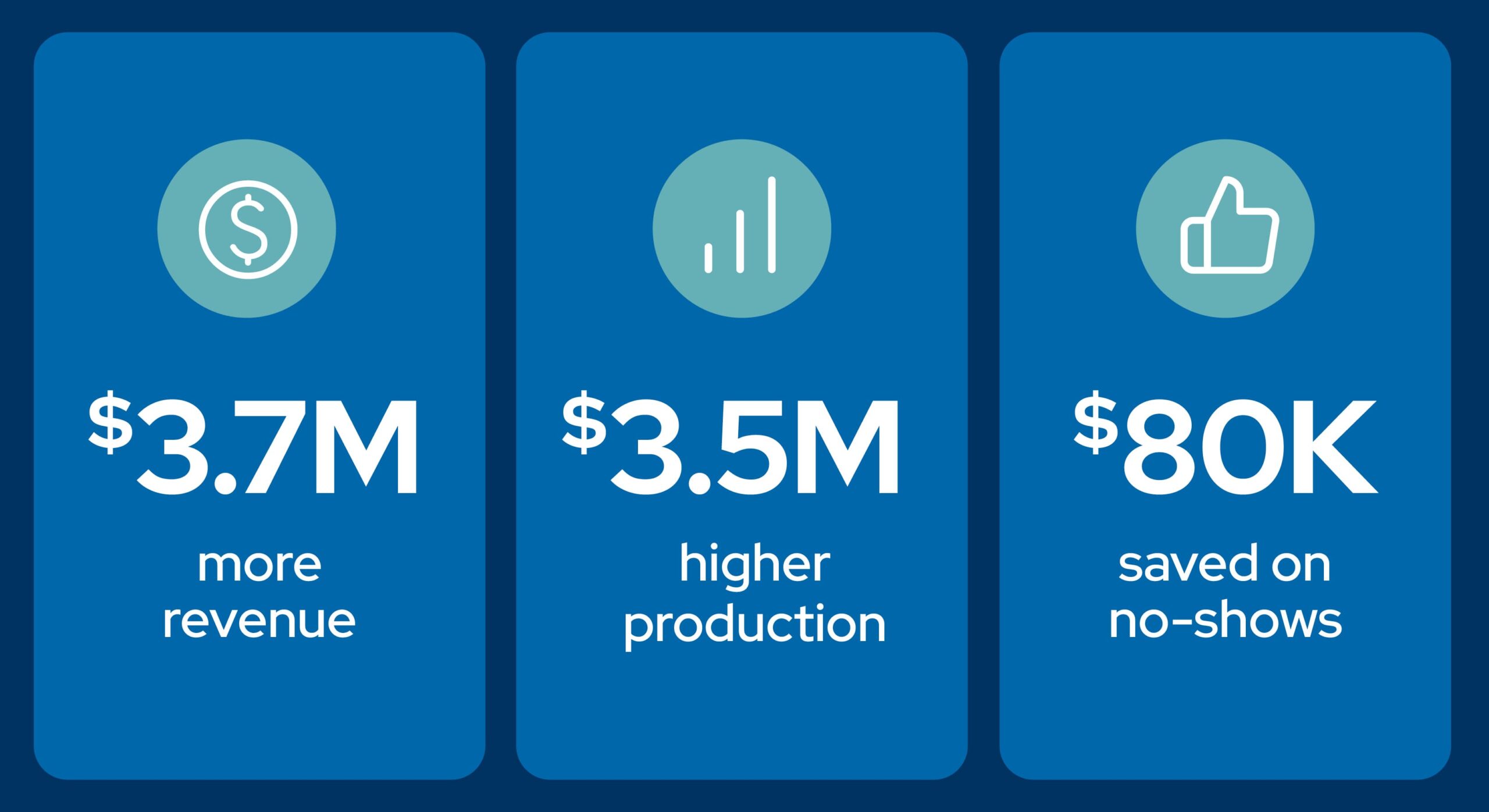
And the data bears that out. Our latest benchmarking report highlights top-performing DSOs, and the difference between the leaders who prioritize scalable, flexible tech ecosystems and the industry average is striking. Among other things, these leaders achieved:

This is the future we’re building: One where doctors are free to focus more on their patients and passion, not their systems, and DSOs can truly flourish. The momentum is real, the impact is growing, and we’re excited to be a part of it. Join us.

henryscheinone.com
833-210-7614

Chief Technology Officer Henry Schein One
Alan Rencher
Chief Technology Officer
Henry Schein One

Alan Rencher is a technology executive at Henry Schein One, an innovative technology company that provides industry-leading practice management, market, and patient engagement solutions. Previously, Alan worked in executive technology leadership roles at MasterControl, Target, Melaleuca, and various other technology companies. Alan enjoys solving complex problems with incredible tech and even better people. Alan holds various engineering and computer science degrees. Alan resides in Highland, Utah, with his wife and four children.

Gain ACCESS TO
INSPIRING
stories
Subscribe
C-Suite

3 Questions Every CEO Should Be Asking

03/06/2025
|
13 min. to read

Safeguarding the Modern DSO from Ongoing Cyber Threats

The dental industry is currently at a unique inflection point. There is increased demand for data, increased cybercrime, and ongoing privacy concerns, which together challenge practices — and their brands — like never before. The transition to digital has improved the ability to collect and process data and empowers dental practices to provide a better experience for their patients, employees, and partners. However, it has also created new vulnerabilities that can significantly impact EBITDA and the “brand trust” they work so hard to create.

Data has never been more important. The role of data — its quality and security — is instrumental to fueling technology, running operations, automating processes, enhancing experience, and improving decision-making. Data is, indeed, the linchpin for innovation in the industry.

Unfortunately, this data is of value to both your organization and to outside threats. Healthcare organizations store immense patient data, making them attractive targets for cybercriminals. Cyberattacks, data breaches, and ransomware represent real threats to your data and business. Ransomware attacks alone have tripled (246%) in volume over the past five years and top the list of biggest perceived security threats. Needless to say a breach can lead to severe financial and reputational damage to a DSO, regardless of size.

Gary Salman, CEO of Black Talon Security, emphasizes the importance of cybersecurity for DSOs. “Protecting your investments and critical patient data is paramount. Cybersecurity is not just about safeguarding sensitive information but also about preserving the trust and integrity that are fundamental to patient care. A robust cybersecurity strategy ensures that DSOs can operate securely and confidently in a landscape where data breaches and cyber threats are increasingly prevalent.”

The often uncomfortable conversations about cybersecurity can no longer be ignored. It is no longer just about meeting compliance, but it is about safeguarding the lifeblood of your organization and demands attention and engagement from the highest levels of corporate leadership. When it comes to cybersecurity, there are three big questions every C-Level leader should feel comfortable answering. Leaders, it is time to get informed of the risks and equip yourselves with the right questions and tactics to disarm cyber threats.

Quote
Effective cybersecurity is required for all businesses in the healthcare space. As a holding company, we need to be great partners and find and recommend great strategies for the 100+ small businesses who we are partnered with. The tools that my third-party security provider has deployed on our systems give me much greater visibility than I had before. I can actually track and keep a tally of attacks that were launched against some of our businesses. If even one of those attacks were successful, it would have cost our organization more money than we will ever spend on preventative security. That fact alone makes it easier for me to justify what I ask for when submitting my IT/security budget. I can emphatically state that I sleep better at night after partnering with a third-party cybersecurity provider.
– by Andy Taylor, Senior Director of IT for Dentive
1

What’s at risk if I don’t invest in cybersecurity?

Your patient’s financial and medical data is at risk.
Patient records, including personal and medical information, are among healthcare organizations’ most valuable assets. Healthcare data is attractive to cyber criminals because it contains financial and personal data, can be used for blackmail, is ideal for fraudulent billing, and is regulated by HIPPA law.

Your brand reputation is at risk.
Building a positive brand image is a gradual task that takes years. Within days, a cybersecurity breach can undo brand perception, severely damage an organization’s reputation, and erode patient trust. While security starts with internal commitments and discipline, to the outside world, security plays a significant role in achieving customer satisfaction — infusing trust into each interaction with your brand.

You risk regulatory fines and legal action.
With the increasing number of data privacy regulations, compliance has become a significant concern for all healthcare leaders. Implementing a strong cybersecurity strategy is not only a best practice but also a legal necessity to avoid the possibility of hefty fines and legal repercussions.

You risk significant financial loss.
Cyberattacks can have devastating financial consequences. The impact ranges from large ransom payments and business disruption to costs for remediation, legal fees, possible regulatory fines, and potential class action lawsuits. Revenue cycle is impacted often creating difficulty making payroll and paying expenses. A 2020 estimate from IBM placed the average monetary cost of a data breach in a company with fewer than 500 employees at $2.64 million.

CASE STUDY

A hard-hitting example of what’s at risk:

In mid-October 2023, a multi-specialty DSO with 15 locations running a Cloud-based EMR system was the victim of a significant ransomware attack.

The first indications of the event were ransom notes and encrypted files on almost all of their 400+ computers, which employees discovered upon arriving at their desks. Internal IT was immediately contacted, and the ransom notes and encrypted files were quickly confirmed as real. The hackers accessed their data and downloaded patient records via workstations within the DSO. The hackers also installed screen-sharing applications on the computers, providing them persistent access to the network.

After a week, a difficult recovery process began. Since each machine was impacted, all workstations and servers needed to be rebuilt from scratch. The rebuilding process took two weeks due to the size of the organization.

The ransom demand was more than $2,000,000, and the hackers provided a detailed list of all the patient records and files they stole. The DSO chose to negotiate and pay the ransom in order to get the decryption code to unlock their data. This also mitigated the chances of the hackers publishing and selling the stolen patient and operational data. The hackers agreed to accept $1,400,000, utilizing Bitcoin (BTC).

After four weeks, the DSO had exhausted its $3,000,000 cyber insurance policy. It was paying out of pocket an average of $250,000 per day for mitigation and recovery while generating $0 in revenue due to closed offices. This DSO experienced a total loss of over $5,000,000 from
operational outages due to the inability to see and treat patients, collect accounts receivable, office closures, legal fees, restoration expenses, and the ransom payment.

The IT department was not necessarily negligent; they were simply unaware of the sophistication of modern-day ransomware attacks and missed critical components of a robust security stack. A comprehensive offensive and defensive security stack could have prevented the intrusion and exploitation of the network.

This real-life example is not an outlier. Unfortunately, it is all too typical. Operational shutdown is a likely and immediate consequence for DSOs with more than five locations — lasting 7-10 business days. Generally, every workstation and server are impacted and requires a replacement or rebuild. Also, nearly all healthcare breaches involve patient data theft which requires forensic investigation. Painfully, no data can be moved or accessed until the investigation concludes. Engaging a cybersecurity firm for threat negotiations and forensic investigation is crucial and expensive. Ransoms for large dental organizations start at around $1 million.

Beyond the immediate aftermath, recovery is lengthy and expensive. DSOs can potentially be required to notify patients of the breach, offer ID monitoring, be subject to compliance fines, and possibly class-action lawsuits due to data theft and exposure. Often, the reputational harm of the events presents PR nightmares and the possibility of patient attrition when not handled properly.

Advertisement
2

Are we equipped to handle a cyberattack?

As a C-suite executive, you may not be a cybersecurity expert but it’s crucial for you to understand your organization’s cybersecurity
posture and potential vulnerabilities. To ensure that your organization is adequately protected, begin by asking your IT resources the following questions:

  1. Where is our organization most vulnerable to cyberattacks?
  2. When was our last vulnerability scan and what action was taken with these results?
  3. Do we have continuous, 24/7/365 monitoring of our network and data?
  4. Do we have a complete inventory of our data locations and the assurance that it is protected everywhere?
  5. What is the status of our cybersecurity awareness training at all levels of the organization?
  6. When was our last third-party security risk assessment conducted?
  7. Do we have a comprehensive response plan and protocol for handling a cyber intrusion?
  8. When was our last penetration test performed?
  9. Do we have a data map showing where all our data is stored?
  10. Do we have KPIs and Business Intelligence showing us trends in our security risk?

The answers to these questions will provide valuable insights into your organization’s security posture and help to highlight areas that may require immediate attention.

Quote
After our IT provider fell victim to a ransomware attack across all of our dental locations in Maryland, we turned to Black Talon on our insurance company’s recommendation. Their team was not only able to negotiate the ransom down by 25% but also managed the entire decryption process swiftly and effectively. Throughout the ordeal, they communicated clearly and patiently, guiding us through each step in a way that was easy to understand, even for someone not versed in IT. Their professionalism and support were invaluable during what was undoubtedly the biggest crisis of my 20-year career. I highly recommend Black Talon for their expertise, prompt response, and unwavering dedication.
– by Dr. T
3

What is our approach to preventing security threats?

Consult with experts and take a proactive, data-driven approach to prepare for the unexpected. An excellent place to start is a conversation with your IT resources and cybersecurity provider to assess gaps, prioritize focus areas, and implement changes accordingly. Meanwhile, there are also several proactive steps to consider. Start on these sooner rather than later.

It’s essential to distinguish the difference between IT resources and dedicated cybersecurity firms. IT companies concentrate on managing and maintaining your overall infrastructure, which includes tasks like managing firewalls, traditional antivirus protection, maintaining hardware, software updates, and backups. In contrast, cybersecurity companies go beyond traditional IT measures and specialize in safeguarding your data against threats and breaches. They employ highly credentialed security engineers who utilize advanced security measures such as intrusion detection, encryption, and conduct regular security audits, penetration testing, and vulnerability assessments to ensure comprehensive protection.

Empower employees
Foster a security-conscious culture within the organization where every employee understands their role in protecting its information assets. Educate them on the latest cybersecurity threats and train them to thwart cyber risks, social engineering, and other common threats. Conduct regular simulated security and phishing tests to reinforce this training measure performance.

Conduct vulnerability scans
Exploiting technical vulnerabilities is the second most common way hackers successfully target healthcare organizations. Vulnerability scans are a way to be aware of your wide-open “doors and windows” on your network before a hacker finds them. Using continuous vulnerability scanning tools helps identify weaknesses before hackers can exploit them. Vulnerability scans should be performed daily against your entire IT infrastructure, including all workstations, servers, and firewalls.

Implement advanced XDR and MDR anti-virus technology
Traditional anti-virus (AV) software has been a great tool for the past 30 years to defend organizations; however, it is not designed to protect DSOs from modern-day cyberattacks. Criminal groups that target healthcare organizations are well-funded, sophisticated, tech-savvy gangs of cyber criminals. They own most of the AV programs on the market and know how to re-engineer their malicious code to become invisible to traditional AV.

Upgrading your defense to Extended Detection and Response (XDR), or Managed Detection and Response (MDR) can significantly increase your chances of fending off an attack. XDR and MDR uses advanced analytics, machine learning algorithms and threat intelligence feeds to detect and prioritize security threats, isolate endpoints and notify who is responsible for network monitoring. An effective MDR solution should include 24/7 monitoring by a human security professional.

Conduct security risk assessments (SRAs)
Engage with a third-party expert to perform a SRA against your DSO. This assessment should involve a thorough analysis of your organization’s security posture, including identifying threats, vulnerabilities, operational risks, and lack of controls and SOPs. The third-party will provide you with a risk register, how to prioritize risks based on their potential impact, and recommend appropriate mitigation strategies and controls to address the identified risks. Commit to annual assessments and consider increasing their frequency after major changes such as mergers, technology integrations, and changes in the threat landscape. It’s especially crucial during the due diligence process to complete a comprehensive SRA before proceeding with an acquisition, as you don’t want to inherit any security breaches (or “buy a breach”).

Develop an incident response plan
The time to plan for a cyber incident is not in the middle of the crisis. It is critical to have a plan in place before an incident occurs. Develop a detailed incident response plan highlighting the steps for detecting, responding to, and recovering from different types of cyberattacks. Ensure that everyone in your organization is aware of their roles and responsibilities during a security incident.

Commit to implementing and validating
Once you’ve committed to implementing these top strategies, develop a way to track and verify that the money you are spending for protection is being used effectively. Modern security professionals are looking at ways of reducing redundant toolsets, increasing visibility into their blind spots and monitoring from a “single pane of glass.”

Develop security metrics
Security metrics allow you to base decisions on actionable data. Executive teams often make cyber decisions based upon “feelings” instead of developing a way to quantify risks and impacts. Cyber resilient DSOs monitor and track:

  • Real-time security metrics through actionable dashboards that ingest data from all your computers, servers, firewalls, anti-virus, and people. This provides organizations with a clear picture of where you have security risks so you can either accept or remediate them.
  • Current and historical data so leadership can ensure their IT and cybersecurity investments produce results.
  • A cybersecurity risk score based on vulnerabilities from computers and firewalls, threats stopped, cybersecurity training, simulated phishing, open ports on firewalls, and more. This risk score helps non-technical leaders grasp the overall risk and helps them align budgets to address it or ask more follow-up questions.

Today’s prevention secures tomorrow’s future
As stewards of the organization, executives set the tone for their organization to follow. Incorporate cybersecurity and risk management into your strategic planning. The outlook may seem bleak, but attacks are preventable. Implementing robust preventative measures will significantly reduce your risk. In these changing times, reevaluate your cybersecurity strategy to safeguard your revenue cycle, EBITDA, and growth plans against the consequences of inaction or outdated security practices.

This article is sponsored by Black Talon Security, the recognized cybersecurity leader in the dental/DSO industry. With deep roots within the dental and dental specialty segments, Black Talon understands the unique needs that DSOs and dental groups have when it comes to securing patient and other sensitive data from hackers. Black Talon’s mission is to protect all businesses from the devastating effects caused by cyberattacks—and that begins with a robust cyber risk mitigation strategy.

To evaluate your group’s current security posture visit www.blacktalonsecurity.com.

Gain ACCESS TO
INSPIRING
stories
Subscribe
Perspectives

State of the Dental Industry

07/08/2024
|
6 min. to read

2024 Mid-Year Perspective

By Brian A. Colao
Director, DSO Industry Group at Dykema

The last five years have brought monumental change to the dental industry. It can be persuasively argued that there has been more change in the last five years than in the previous 100 years of the dental industry.

The Great Lockdown
In March of 2020, for the first time in modern history, the government told patients that they could not go to the dentist, and dental offices across the country and throughout the world were shut down for all but emergency cases. It was a tremendous mistake by our elected officials to declare dentistry “non-essential”, and society paid a significant cost for that mistake. Patients were denied essential treatment, dentists were deprived of their livelihood, with little to no benefit to society. It was an unnecessary disaster.

The Great Reopening
Around the summer of 2020 and continuing throughout the year, dental offices were allowed by state governments to reopen on the largest scale in the history of dentistry. Reopening so many offices so quickly presented a number of challenges, including shortages of PPE, staff shortages, staff reluctance to return to work, dentist reluctance to return to work, and patient fear and reluctance to resume treatment.

The Great Recovery
Starting in the summer of 2020, dental offices across the country began recovering their revenue, but it was not an even recovery, and some organizations struggled while others thrived, and still, others experienced everything in between. A divide began to develop where some organizations were able to successfully navigate the post-lockdown challenges, while others were much less successful. Unsurprisingly, the organizations that succeeded in the post-pandemic environment became much more valuable than the organizations that struggled.

The Great Resignation
During the Great Reopening, it quickly became apparent that the post-pandemic labor market was very different from what it was pre-pandemic. The unintended impact of the government aid programs and government lockdown programs led many dental staff members to elect not to return to work, choose other professions, or return to work with costly and often unreasonable demands for their continued employment. This has created one of the most expensive labor markets in the history of dentistry.

The Great Inflation
Beginning in 2022, as a result of government aid programs flooding the economy with largely unnecessary dollars, coupled with numerous geopolitical forces, inflation soared to its highest rate in decades. This caused interest rates to skyrocket in a very short period of time, the cost of goods to increase significantly, and the buying power of money to be greatly reduced.

The Great Uncertainty

The Great Inflation has created a very challenging economic condition.

Historically High Cost of Labor + Historically High Cost of Goods + Historically High Interest Rates = Historically High Pressure on EBITDA and reduced dental organization valuations.

Despite repeated efforts by the Federal government, interest rates remain stubbornly high, and there are now additional global conflicts that threaten to destabilize financial markets. There is also considerable uncertainty as to who will win the upcoming presidential elections. All of this has led to uncertain market conditions and no clear date in sight for when things might improve. This has created Great Uncertainty, with many organizations suspending M&A activity, cutting costs, reducing their workforce, and holding off on capital expenditures.

Advertisement

The State of the Evolution of Dentistry

Pre-pandemic, the dental industry was evolving from dentist-owned solo offices and dentist-owned group practices to DSO affiliations at an unprecedented pace. The market stood at just under 30% consolidation prior to the pandemic. The Great Inflation and Great Uncertainty have considerably slowed down the consolidation market. Many DSO buyers remain “pencils down” or greatly constrained in the number of acquisitions they can complete in 2024. In addition, the large DSO transactions that received great fanfare and attention over the last five years have almost ground to a complete halt.

While the market has slightly improved in the second quarter of 2024 with numerous small to midsize deals occurring, the historically high interest rates will need to come down, or the conventional PE-backed DSO model will need to be restructured for deal activity to reach the 2018-2021 levels.

The outcome of the upcoming presidential election will undoubtedly have a significant impact on the M&A markets as the candidates have very different approaches to the economy. For now, the evolution of dentistry is proceeding at a much slower pace until at least the conclusion of the upcoming presidential election.

Quote
The current challenges of the M&A markets have caused dental organizations to aggressively focus on same-store growth.

The State of Growth in Dentistry

The required formula for growth in the current dental marketplace as shown in the below figure:

Growth MUST equal added value to an organization

  • Added value equals increased EBITDA
  • Growth without added EBITDA equals negative value
  • Growth with added EBITDA equals value
  • If you can’t ADD value, you shouldn’t grow your organization


In short, any acquisition or de novo contemplated by a dental organization must increase the organization’s EBITDA, or it should not be undertaken. The current challenges of the M&A markets have caused dental organizations to aggressively focus on same-store growth. There have been incredible innovations over the last five years that can significantly increase same-store growth.

The State of Innovation in Dentistry

There have been more innovations in dentistry in the last five years than in the previous hundred years. This is one of the most exciting times in history to be in the dental industry. The following innovations have been truly game-changing for same-store growth.

The Future Outlook of Dentistry

The Great Evolution and consolidation of dentistry will continue. In the next 10-15 years, the rate of consolidation will increase from 30% to around 80%. The industry will likely consolidate from several thousand organizations to a hundred or so at which time, there will be a second consolidation which will, before it is concluded, test the limits of the anti-trust regulations. The conventional PE-backed DSO model will be the dominant model in dentistry. A few large DSOs may become public companies. Those organizations that adopt technology will have a distinct advantage because technology can overcome labor costs and shortages, as well as the impending shortage of dentists and specialists.

One key to alleviating the shortage of dentists and specialists could be lowering the hurdles for foreign dentists to become licensed in the United States, and this is a trend that should be watched very closely. It is also likely that regulators will continue to impose requirements and hurdles to the consolidation once it reaches a much larger scale. The sky’s the limit as to what AI and other dental technological innovations can accomplish and the next five years will be even more exciting than the previous five from the standpoint of innovation.

The industry leading DSO group at Dykema stands ready to assist dental organizations navigate the challenges and complexities of the existing marketplace.

Gain ACCESS TO
INSPIRING
stories
Subscribe
Perspectives

The State of the Market

08/06/2025
|
6 min. to read

Paths to Growth Through Disruption

By Brian A. Colao
Director, DSO Industry Group at Dykema

2025 Midyear Update
Around the middle of 2022, the DSO industry experienced extremely challenging economic conditions, including high interest rates, high inflation, high cost of supplies and equipment, and high costs of labor—along with labor shortages. This resulted in a severe slowdown of the previously white-hot M&A markets and caused many DSOs to significantly reduce expenses and downsize their workforces to offset the much higher costs of doing business.

2024 Year-End State and Predictions
However, 2024 ended with cautious optimism that the three interest rate cuts in the fourth quarter would boost business. The market also anticipated a new presidential administration that would adopt economic policies that would lead to significantly lower interest rates, end the current wars and global unrest, create a more favorable regulatory environment, and reignite the DSO M&A markets.

My end-of-year 2025 prediction was that the first quarter would not see significant M&A activity but that the markets were poised for a rebound in the third to fourth quarters, assuming that the new administration was successful in its stated policies. In the meantime, I predicted that DSOs would focus on same-store growth and were well positioned to invest in new innovative technologies in 2025.

2025 Reality
The year 2025 got off to a very momentous and, at times, tumultuous and economically disruptive start. The new presidential administration came right out of the gates with very aggressive and almost unprecedented trade policies that included the implementation of significant tariffs against China, Canada, Mexico, Europe, and most of the developed world. Some tariffs were seemingly implemented and then suddenly postponed after a few days on numerous occasions, often in direct contradiction of public statements made by government officials.

This has led to severe volatility in the U.S. and foreign stock markets and created further economic uncertainty. In the first quarter, inflation inched up and then inched down but remained far above the threshold for significant interest rate reductions to occur. Therefore, as expected, there were no interest rate reductions in the first quarter, and the M&A markets remained slow and stagnant.

Quote
Aggressive trade policy and global conflicts are forcing DSOs to grow inward and innovate outward.

Current Outlook
As of the time of this writing, the first six months of 2025 have gone by, and some are predicting that the cost of dental supplies and equipment may go up significantly in the weeks ahead, which would put further pressure on DSO profit margins. In addition, the Russia/ Ukraine war has not been resolved, and the conflicts in the Middle East have recently intensified, with no immediate resolution in sight. All of this has resulted in very limited M&A activity through the second, and likely, the third quarter.

One silver lining is that it appears that most of the world is interested in quickly resolving tariff issues. If issues are quickly resolved, along with at least a path to resolution of military conflicts, then we could be well positioned for fourth-quarter interest rate reductions and a vast improvement in the M&A markets, with 2026 looking like a big rebound year.

Quote
The best-run DSOs aren’t waiting for the market to recover. They’re building the future now.

Technology Update
In response to ongoing economic pressures and labor shortages, DSOs are significantly increasing their investment in innovative technologies in 2025. These advancements are helping organizations streamline operations, improve patient outcomes, and enhance competitive positioning.

Cloud-Based Practice Management Systems
DSOs continue shifting from legacy systems to robust, cloud-based PMS platforms. These systems centralize data, facilitate real-time information sharing across multiple locations, and include advanced capabilities like automated insurance claim adjudication. This automation reduces administrative workload, accelerates reimbursement cycles, and improves cash flow—critical advantages in tight economic conditions.

Advertisement

Diagnostic AI
Diagnostic AI tools have become integral in clinical practice, assisting clinicians by identifying conditions such as early-stage caries, periodontal disease, and oral cancer indicators from radiographs and intraoral images. This AI-driven precision improves clinical outcomes, increases patient trust, boosts case acceptance rates, and helps DSOs maintain high diagnostic standards, even with less experienced clinicians.

AI-Augmented Revenue Cycle Management
AI-driven revenue cycle management (RCM) tools are optimizing the financial workflows of DSOs. These solutions handle tasks such as insurance eligibility verification, claims submission, and remittance processing automatically. AI platforms also predict and flag potential claim denials in advance, significantly reducing payment delays and improving operational efficiency by allowing human teams to focus on complex billing issues.

AI-Enhanced Patient Acquisition and Retention
To effectively attract and retain patients, DSOs are implementing sophisticated AI-based marketing and engagement tools. AI-driven platforms enhance patient interactions with 24/7 chatbots, automated follow-ups, and digital appointment scheduling. Additionally, call analytics solutions are converting more inquiries into appointments by flagging missed opportunities and providing actionable insights in real time, increasing patient satisfaction and revenue.

Innovative Patient Financing Solutions
Economic uncertainty has made innovative financing crucial for patient treatment affordability. DSOs are increasingly adopting embedded finance solutions, which integrate financial services directly into the patient care experience. Embedded finance simplifies financing processes, enhances patient convenience, and significantly increases case acceptance rates.

Additionally, DSOs are utilizing fintech-driven tools that offer real-time financing approvals and flexible payment options, including “buy now, pay later” plans. These solutions are making dental care financially accessible and attractive. Economic uncertainty has made innovative financing crucial so patients can afford treatment.

Revenue Streams
DSOs are expanding revenue through specialty services and new products. Clear aligners, implants, and anchored dentures are now routinely integrated into general
practices, increasing patient spend per visit. Membership and discount plans attract uninsured patients and generate predictable, recurring revenue. Additionally, sales of
professional-grade teeth whitening and novel enamel regeneration products have become profitable service extensions.

Cost-Savings Tactics
To offset rising costs, DSOs are increasingly consolidating lab services and negotiating group-level agreements to achieve economies of scale. They are also rigorously reviewing merchant and vendor contracts to reduce expenses such as credit card processing fees and compliance-related charges. These proactive efforts deliver substantial bottom-line savings, essential during economic volatility.

Quote
DSOs are positioning themselves not only to survive—but to lead dentistry’s next era.

Strategic Outlook
By strategically adopting these technologies and operational innovations, DSOs are positioning themselves not only to survive current economic uncertainties but to thrive. Organizations investing now are expected to lead the industry’s recovery and future growth, highlighting the transformative potential of technology in modern dentistry.

Gain ACCESS TO
INSPIRING
stories
Subscribe
Perspectives

Unlocking Capital

03/06/2025
|
15 min. to read

Diverse Perspectives on Fundraising.

Raising capital often sounds like a daunting task, marked by many complexities and uncertainties. For entrepreneurs, the process entails crafting a compelling business proposition and also effectively communicating its value proposition to the right investors. From identifying appropriate funding sources to navigating negotiations and due diligence, every step demands meticulous attention. Similarly, investors face the challenge of discerning promising opportunities amidst a plethora of potential ventures, assessing risk factors, and ensuring alignment with their overall investment objectives.

Despite the inherent challenges, a successful capital raise serves as a catalyst for driving innovation, fostering growth, and actualizing
on meaningful returns. Through interviews with entrepreneurs and investors, gain a comprehensive understanding of raising capital. Learn from the challenges, strategies, and successes experienced by individuals on both ends of the funding spectrum in this insightful Q&A.

01
What advice would you offer a company that is preparing to raise capital?
“Have all the materials prepared in advance so the process can go very fast. Schedule all meetings in the first week or two so that you have multiple people interested at the same time.” – Wardah Inam

“Try to anticipate the questions that you are going to get from investors and be thoughtful about how you can start to address them in advance. Talking to a constructive founder-oriented Private Equity partner early on in the process, even before you are ready to raise capital, is a great way to get this kind of feedback early and learn quickly. At Thurston Group, we have conversations like this all of
the time, because we know that we also have a lot from founders in these conversations.” – Dr. Dana Fender

“Ah, the thrilling adventure of raising capital! Embrace the word ‘no’ like a badge of honor. It’s actually a good thing because it tells you that you still have some work to do before you’re fully ready. Trust me, you will hear it. You won’t like it, but you don’t want to take money from anyone before you are ready. Now, get ready to push your boundaries even further. As a founder/CEO, you’re probably already working long hours, but brace yourself for a whole new level of sleep deprivation. When you dive into conversations with investors, and they start their diligence process, your workload will skyrocket. This intense phase, let’s call it ‘hell month,’ will test your mental and physical stamina. So, remember to fuel up on good food and snatch moments of sleep whenever you can. Oh, and make sure to have a heart-to-heart with your loved ones, because for the next few months, you’ll need their unwavering support and understanding. Let them know you might be MIA for a while.” – Weston Lunsford

“Start early and add prospective investors to your monthly investor update letters. Get close to people in the industry who are respected and have access to thought leaders who will advocate for the product and the team. This could be through an advisory team.” – Doug Brown

“Ensure that every work product they see has a high level of polish. This is a ‘where’s there’s smoke there’s fire’ situation, and you need to look the part. If not, you won’t be able to position the situation for both parties to have to earn the respect of the other. Even
better, have the systems and processes already built so that anyone can step into any document or process and think, ‘Wow, that is a high standard they keep to themselves, even for internal documents’. If you can show that nearly everything in the company is to a certain standard, you will slowly start to see counterparty diligence take your statements with higher confidence.” – Nick Mahalec

Quote
“If you can show that nearly everything in the company is to a certain standard, you will slowly start to see counterparty diligence take your statements with higher confidence.”
– by Nick Mahalec, Co-Founder & CEO, Pulse Equity

02
What are the most common mistakes that entrepreneurs make when pitching for investment, and how can they avoid them?
“Know what type of business you are in. Some businesses are meant for venture, and these require large amounts of capital and can be worth $1B. Others are better not raising venture capital. Know your objectives and goals. Common pitch mistakes include not clearly articulating the product features and benefits at the start of the pitch, not including key colleagues in the pitch to show leadership depth, not anticipating and preparing for questions and challenges that come up during a pitch, not sharing future exit options and the expected timing, and failing to show market traction, TAM, stickiness, and customer satisfaction.” – Doug Brown

“It seems simple, but make sure to cover the details. All investors love to see a big vision, and that is truly important to a successful pitch. But don’t forget the basics, either: how do you make money now, day-today? How well do you understand the individual moving parts that make your business tick? A lot of this comes down to operations and maintaining a focus on the small things that make a business run well. If you can show me that you really understand your business, I am going to walk away impressed by you.” – Dr. Dana Fender

“When entrepreneurs pitch for investment, there are common mistakes that can hinder their success, although the specific challenges may vary based on the stage of funding (Seed, VC, or Series A-C). One common mistake is the lack of a clear path and forecast. It is essential to have a well-defined plan of execution that aligns with the projected budget. Additionally, if there are assumptions due to the early stage of the business, it is crucial to provide sufficient evidence to support those assumptions. By addressing these potential pitfalls,
entrepreneurs can improve their chances of securing investment. Good ideas are in abundance. Good ideas with a solid foundation and accurate plan that matches a forecast are lacking today.” – Weston Lunsford

03
What are good questions to ask investors before securing their capital?
• Do they position themselves as a value add beyond investment dollars? If so, what is it, and how do illustrate this to companies before
closing a deal? – Nick Mahalec
• Get references from them and talk openly with the companies they have funded on how they like to work. – Wardah Inam
• How do they like to be involved with their portfolio companies? – Nick Mahalec
• What do they define as success for their LPs with the fund they’re currently investing out of? This tells you whether your growth vision matches with the fund’s requirements. – Nick Mahalec

04
What are the most important elements you look for in a pitch by the C-suite?
“The details are important. I like to see a management team that is in control of its business. Leadership and empathy are so critical, too. I need to see that you understand your people and what matters most to them so that you can build and sustain the lasting team you need to achieve your goals.” – Dr. Dana Fender

“When evaluating a pitch from the C-suite, there are two key elements that I prioritize. First, I assess the product market fit to determine if there is a strong demand and measurable benefit for the prospective market. Second I closely examine the track records of the management team. The success of startup companies often hinges on the determination and experiences of the founder and management team. It is crucial to ascertain their willingness to persevere and their past achievements that demonstrate their grit.” – Weston Lunsford

“Domain expertise. It doesn’t necessarily require experience (check out Relu as an example), but it’s about knowing the customer and understanding the problem deeply. I also look for the founder’s confidence and a history of having persevered in prior situations despite encountering challenges. Start-ups are hard, and the founder must convince us they are ‘all in’ and will run through walls to succeed. Teams that focus on uniquely solving the most complex problems are favored over those that have come up with ‘cool technology’.” – Doug Brown

05
How do you keep investors interested and focused on your company and its growth plan?
“Tell them what you’re going to accomplish, execute on it, and keep them updated along the way. If you hit what you set out to, you have something great to speak to. If you don’t, can you communicate a cohesive after-action assessment about what went wrong and what corrective action you’re implementing to close the gap? If the investor touts a value-add such as GtM expertise but isn’t engaged with this process, you just learned a valuable lesson on that specific investor’s ability to provide incrementality to the business.”
– Nick Mahalec

“The more positive the customers are, the more interested the investors will be. Trying to serve customers really well is the most beneficial for all parties.” – Wardah Inam

Advertisement

06
What is your advice for an entrepreneur who wants to build a network to improve their access to capital?
“Here are two of my favorite methods. Connect with other CEOs and founders in your market: By networking with other successful entrepreneurs, you can gain valuable insights and advice on accessing capital. These individuals have likely been through similar
experiences and have investors who are actively seeking new opportunities in their same market. Once an investor has made a sizable investment in a business that serves a specific market, they are always looking for other non-competing solutions in that same market. They
understand it now. Seek mentorship from experienced investors: Find mentors who have extensive experience in the investment field. They can provide guidance, introduce you to their network of investors, and help you refine your business strategy to attract capital. Remember, building a network takes time and effort. Be proactive, genuine, and persistent in your networking efforts.” – Weston Lunsford

Quote
Good ideas are in abundance. Good ideas with a solid foundation and accurate plan that matches a forecast are lacking today.
– by Weston Lunsford CEO, Plansight Managing Partner, Kaizen Investments Group, LLC

“Have something to talk about and put yourself out there. I am always interested in meeting new people with interesting perspectives, and
if you can establish yourself as someone with a unique, insightful perspective on a popular topic, I will want to work with you.” – Dr. Dana Fender

07
Does the current environment have a good amount of capital to invest, or is it a tighter, more selective market?
“The market is much more selective and valuations are lower. Raising at too high of a valuation just because a friendly investor will give it to you can also be a mistake for future financing. Nonetheless, money is always available for great concepts and teams.” – Doug Brown

“With private market investors and buyers hyper-focused on fundamentals and underlying unit economics, tech operators and owners continue to scramble to optimize operating performance and efficiency in the face of lower overall revenue growth – in some cases with strong profitability, and in other cases with negative EBITDA in favor of efficient growth. As a result, there are fewer companies with consistent
or increasing growth that meet the criteria for market entry. Meanwhile, the gap between bid and ask valuations is narrowing, and with a lack of liquidity and a large amount of available capital, I anticipate a resurgence of deals involving private equity firms, venture capitalists, and strategic investors. In summary, there is a significant amount of capital waiting to be invested, but the challenge lies in finding the right opportunities.” – Weston Lunsford

“Good, growing businesses with strong leadership will always be attractive to investors, and private equity firms with strong track records and access to capital will always be looking for them. Markets today might be tighter than they were in the past, but Thurston Group and firms like ours are open for business. If you see an opportunity to do something better than the competition, don’t be afraid to reach out.” – Dr. Dana Fender

08
What are the top 2-3 elements investors look for?
“At the early stage, it’s total addressable market, team, and product vision. You’re selling a vision in the earlier stages. It’s pretty simple…is the market large enough, does this team have the chops to make the necessary pivots to achieve an outsized exit, and can they clearly communicate where their vision is now knowing it may pivot along the way? Later stages come down to hard numbers as you should have the data to back those three things up.” – Nick Mahalec

“Market size, current revenue, and growth rate.” – Wardah Inam

09
Where do you expect to see significant innovation over the next 2-5 years?
“Machine learning and AI is already beginning to take off, but it’s only going to get better and come out faster. I also believe we live in a world where the upcoming generations are not as loyal to their service providers, especially dentists. There is a huge opportunity to create convenience and an experience for the new generations of patients. I hope to see something innovative and beneficial in this area in the future.” – Weston Lunsford

“There have been so many changes in our industry over the last decade. Consolidation, changes to the market, and other forces have changed the game for healthcare businesses, forcing them to adapt and improve. There is a great opportunity for businesses that add value to healthcare companies and providers. One area I am very focused on is advanced education which helps doctors stay at the forefront of innovation and improve patient care and their practices. As technology rapidly evolves, by offering more ways to serve patients and grow their businesses, there is a huge opportunity to train and educate doctors and their teams. This can take the form of anything from hands on in-person training to innovative online education, and everything in between.” – Dr. Dana Fender

“DIA evaluates companies across nine thematic vectors ranging from clinical outcomes, upskilling GPs, FinTech, Labs, and devices. For example, the Dental Innovation Alliance VC Fund I, LP recently made its first AI investment in Pearl, a leading innovator in AI solutions for dentistry, particularly for clinical outcomes. We have closely monitored the AI sector, particularly for pathology detection and the evolving standard of care for dental practices worldwide. Innovation in dentistry is ripe, and we’re honored to be at the forefront of it!” – Doug Brown

  Meet Dr. Dana Fender

Dr. Fender serves as Partner of Thurston Group, a strategic investor and dedicated partner focused exclusively on the healthcare industry. He is responsible for development and relationship management of their physician practice management companies, including clinical leaders, research endeavors and practice growth opportunities. Dr. Fender also provides strategic oversight to Thurston Group’s portfolio companies’ clinical integration and affiliation programs. Prior to joining Thurston Group, Dr. Fender co-founded Smile Doctors. He also serves on the board of directors for National Dental Healthcare REIT, SGA Dental Partners, and Gen4 Dental Partners.

  Meet Wardah Inam

Wardah is the co-founder and CEO of Overjet. Before Overjet, she was the Lead Product Manager at Q bio, focused on simulation and quantification of human physiology. She completed a postdoc at MIT CSAIL focused on Emerald, a machine learning-based device that uses wireless signals for remote monitoring of vital signs and tracking of physical movement. She received a PhD from MIT focused on autonomous microgrids. She co-founded a startup, uLink, to build technology that lowers the cost of electricity access. uLink was recognized by National Geographic as one of the tech breakthroughs that could help power the world.

  Meet Nick Mahalec

Nick is the co-founder and CEO of Pulse Equity, a platform that helps healthcare partnerships attract and retain top-tier talent. We help DSOs recruit, retain, and improve the performance of its clinicians by “operationalizing” cap tables and incentive programs. Before co-founding Pulse, Nick built an e-commerce enablement company that he sold to Klarna, the largest Buy-Now-Pay-Later company. Prior to tech, he built and sold a solar development company based out of California.

  Meet Weston Lunsford

Weston Lunsford is the managing partner at Kaizen Investments Group, LLC. He also currently serves as the CEO of Plansight, a company that offers an employee benefit RFP to Employer Presentation solution. Its mission is to reduce healthcare costs in America by transforming the renewal experience of employer healthcare plans. Weston has had a diverse range of work experiences throughout his career. Before Plansight and Kaizen, he was the CEO of Dental Intelligence Inc., a leading provider of business intelligence software for the dental industry. Weston used data obtained from the practices’ management and financial systems to monitor their economic health and streamline their decision-making processes.

  Meet Doug Brown

Doug Brown is the Co-Founder and Managing Partner of Dental Innovation Alliance (DIA), a venture capital firm that funds, advises, and propels the success of early-stage companies building the future of dentistry and health through technology. During his career, Brown has invested in and advised a dozen early-stage technology companies, as well as four dental support organizations. Previously, he led and successfully grew two national dental support organizations, most recently as CEO and Vice Chairman of Affordable Care LLC, which now affiliates with over 450 practices in 42 states. He is also the Founder and Chairman of Local Start Dental, a nonprofit dental clinic and learning center in Durham, NC.

Gain ACCESS TO
INSPIRING
stories
Subscribe
Leadership

At the Helm

03/06/2025
|
10 min. to read

Leaders face many challenges daily that demand critical thinking, emotional intelligence, and a commitment to navigating complexities with integrity and resilience. The LEAD sat down with five leading CEOS to gain invaluable insights into their approaches to decision-making, leveraging their collective expertise to empower and inspire industry professionals facing similar challenges.

Pat Bauer of Heartland Dental, Stephenie Goddard at Glidewell, Geoff Ligibel of 42 North, Frank Massino of Darby, and Rahma Samow of Clear Choice stand at the helm of innovation and leadership. Learn from them as they share practical self-care strategies, book recommendations, and other resources. Together, these leaders bring a wealth of experience and wisdom, providing invaluable perspectives, personal stories, and practical advice for anyone who is or aspires to be a leader.

What advice would you offer a CEO new to the role?
“It’s critical first to come in to observe. Talk to as many stakeholders as possible and ask questions, even if they seem obvious.” – Frank Massino

“Becoming a CEO is a significant milestone that comes with substantial responsibilities. When I was first promoted, a good friend recommended that I read The First 90 Days by Michael Watkins. The book serves as a roadmap for leaders in new positions, providing practical strategies and tools to help them navigate the complexities of leadership transitions effectively. Below are a few key pieces from that book that really helped me: Prepare yourself. Secure early wins. Negotiate success. Build your team. Create coalitions. Keep your balance.” – Stephenie Goddard

What is the most challenging task you’ve faced as a CEO?
What, if anything, best prepared you to face it? “Navigating the delicate balance between maintaining current business performance and driving transformative change for future success is indeed a formidable challenge. Equally crucial is instilling a shift in mindset within the organization, transitioning from a status quo mentality to an innovative, insurgent approach. Building conviction in our purpose and rallying the team behind a shared vision are pivotal steps in steering towards our goals and ensuring long-term viability.” – Rahma Samow

“I’d have to say navigating the COVID pandemic and recovery felt like an impossible task at times, as I’d never imagined anything like it. While at times it was difficult to do, I tried to rely on my learned experience to focus on the things we could control we couldn’t. We had to employ that mindset on a daily basis as new challenges presented themselves, and it helped us focus on moving forward and making progress.” – Geoff Ligibel

“By far, COVID was a very difficult time. What prepared me was our mission and core values. We came together as a team and because we were well capitalized, we were able to not knee-jerk. Although that was everyone’s first reaction, we came up with a calm plan to react and then immediately worked on how to come back strong.” – Pat Bauer

How do you communicate tough decisions to your team and stakeholders to ensure alignment and understanding?
“I don’t tend to communicate any differently to my team than I do directly with Jim Glidewell, the founder. First, I try to start by being
clear and honest about the situation. Second, I have found that one can never over-communicate. Next, I think empathy is an underutilized skill. Understanding and acknowledging how my decisions affect team members and stakeholders is key. Openly addressing concerns and emotions can mitigate negative impacts and foster a supportive environment. Then, after communicating the decision, I think it’s important to give others a chance to voice their thoughts and concerns. I know I don’t always have all the answers, and there have been several times when my decisions have been swayed based on input I received from others on my team. It’s important to be open to feedback, and it’s equally important to admit that your decision may have been flawed. Lastly, clarity on what comes next can help align everyone’s efforts and minimize uncertainty.” – Stephenie Goddard

“I’ve found that the best way to ensure alignment is to involve stakeholders early in the process and ensure they feel heard and understood. I see our employees as being stakeholders as well, and it’s essential to clearly articulate the ‘why’ behind tough decisions. This way, even if people don’t agree, they can understand why the decision was made.” – Frank Massino

“No one likes surprises. Mark Greenstein, Heartland Dental’s Chief Growth Officer says, ‘Surprises are for birthdays.’ Be upfront. Have a plan that is well thought out to answer questions. Blaming the economy or the external environment is not a good answer.” – Pat Bauer

Describe a decision that was unpopular at the time but ultimately beneficial for the company’s growth or sustainability.
“At the beginning of 2023, I was faced with the difficult task of letting go of team members who were underperforming. In our fully remote work environment, we recognized the need to evaluate performance differently. It became clear that those consistently underperforming were affecting morale and productivity of our top performers. Although it was a challenge to begin the process, many high performers came back to us with appreciation for keeping the bar set high and as a result, we finished the year incredibly strong, and everyone’s performance has been elevated.”- Frank Massino

Advertisement

“When we were rebounding from the COVID shutdown, we wanted to bring everyone back to the roles they were in previously. In order to do this, since we weren’t sure what patient demand would look like, we changed many people to compensation structures that were more incentive-based. We initially did this as a temporary measure to bring people back to work, but our teams adamantly did not want to switch back when we offered that to our practice leaders. The ultimate impact was that we had incentive-based plans that rewarded our top performers, in many cases allowing them to earn significantly more than market rates. Truly a win for all.” – Geoff Ligibel

What strategies do you employ to stay resilient and maintain composure under pressure? What resources or support systems do you rely on?
“I have to do my leadership homework every day. I need feedback from my customer, the doctor, and my team. I also have a few mentors/coaches who I talk with regularly. They help me bounce my thoughts off of them. They don’t give me answers – they give me the ability to think.” – Pat Bauer

“Staying resilient and maintaining composure under pressure are obviously crucial for effective leadership, especially when faced with tough decisions. To combat these moments, I prioritize self-care through regular physical activity (I’m crazy for Pilates), adequate sleep (I need my eight hours!), and healthy eating. These can all profoundly affect my mental clarity and emotional resilience. I also have an amazing support network of peers, mentors, and advisors who provide me with a sounding board for discussing challenges and gaining perspective. Some in my network are family. Others are current or previous colleagues within my industry. And yet others are completely outside my industry who can give me a different perspective altogether. I regularly practice mindfulness and reflection to calm my mind and focus clearly. I have found that engaging in mindfulness exercises can help me center thoughts and reduce my anxiety around decisions.” – Stephenie Goddard

“I try not to take things personally. I care tremendously about the organization and our reputation, but I recognize that we can never make everybody happy. What we can do is stay true to our mission, putting patients first every single day. As long as we are doing that, it grounds you when something doesn’t go as planned. In terms of resources, I’ve been working with an executive leadership coach for almost ten years. I’ve met some great leaders over the years, and every single one of them has remained committed to improving their leadership skills even when most people would view them as amazing leaders already. I’m constantly looking for ways to become a better leader, and my coach is a great resource for me.” – Geoff Ligibel

Describe the importance of self-care for C-Suite leaders and its impact on making tough decisions. “I know it’s become a cliché, but the airline announcement, ‘If the oxygen masks drop, place your mask on first before helping others,’ very much applies here. Self-care looks different for everyone. Whether you incorporate meditation, exercise or spending time with family and friends, it’s also essential to make time in your self-care routine to think. This is often when great ideas pop up by creating the space you need to consider solutions you may not have thought of before.” – Frank Massino

“One non-negotiable aspect of my routine is dedicating 45 minutes every morning to mindfulness activities like yoga, meditation, exercise, or simply spending time outdoors. This ritual establishes a positive tone for my day and ensures mental clarity for effective decision-making. Its significance cannot be emphasized enough. Additionally, every quarter, I allocate a few days for reflection on accomplishments, areas for growth or adjustment, and to rejuvenate for the upcoming quarter. I highly advocate for these practices for all team members, regardless of their position within the company.” – Rahma Samow

Get to Know Rahma Samow

Rahma is the President and CEO of ClearChoice Dental Implant Centers. She is responsible for the largest dental implant therapy provider in the United States. She has a proven track record of exceeding results, incubating and commercializing innovative solutions, developing talents, and building winning teams. Rahma spent over 14 years with Siemens Healthineers where she served as a senior executive before becoming a member of the executive board and the global head of the dental service organization business unit at Straumann Group, the world leader in implant, restorative, and regenerative dentistry.

Get to Know Frank Massino

Frank Massino is the President of Darby Group Companies and serves as the President/CEO of Darby Dental Supply. Prior to Darby, he was the managing partner of a boutique consulting firm in Manhattan specializing in M&A strategy, organizational and leadership development, and change management. His first introduction to Darby Dental Supply was after Darby acquired Becker-Parkin in 2007. One project led to the next and over the span of several years, Frank worked with the Executive Team to transform Darby’s culture and to evolve its inside sales model before he was recruited into the role of Chief Operating Officer.

Get to Know Pat Bauer

Pat is the President and Chief Executive Officer of Heartland Dental. He brings more than 25 years in dental and healthcare operations management to the company. He is responsible for the oversight and management of all company operations and day-to-day functions. Pat has been instrumental to the company’s growth, both organic and through acquisition.

Get to Know Stephenie Goddard

Stephenie is the CEO of Glidewell Dental. She has served in this role since 2022, when she replaced the company’s founder and president. Stephenie has been a part of Glidewell since 2006 when she joined as vice president of human resources, establishing various programs that have contributed to the company’s relentless expansion. Stephenie strives to reinforce Glidewell’s core principles while positioning the company to better achieve them.

Get to Know Geoff Ligibel

Geoff Ligibel is the President and CEO of 42 North Dental. He has been leading 42 North Dental for 10 years and has been working in dentistry for over 20 years. Prior to joining 42 North Dental, he started the dental group at Houlihan Lokey where he executed over 50 transactions in the healthcare space. Before Houlihan Lokey, Geoff was Vice President of the M&A Group at KeyBanc Capital Markets. He is a CFA Charterholder and a CPA (inactive).

Gain ACCESS TO
INSPIRING
stories
Subscribe
Filter
Categories
Paspaudę „Įsigyti mokymus“ mygtuką būsite nukreipti į platformą, kurioje galėsite įsigyti šiuos mokymus.