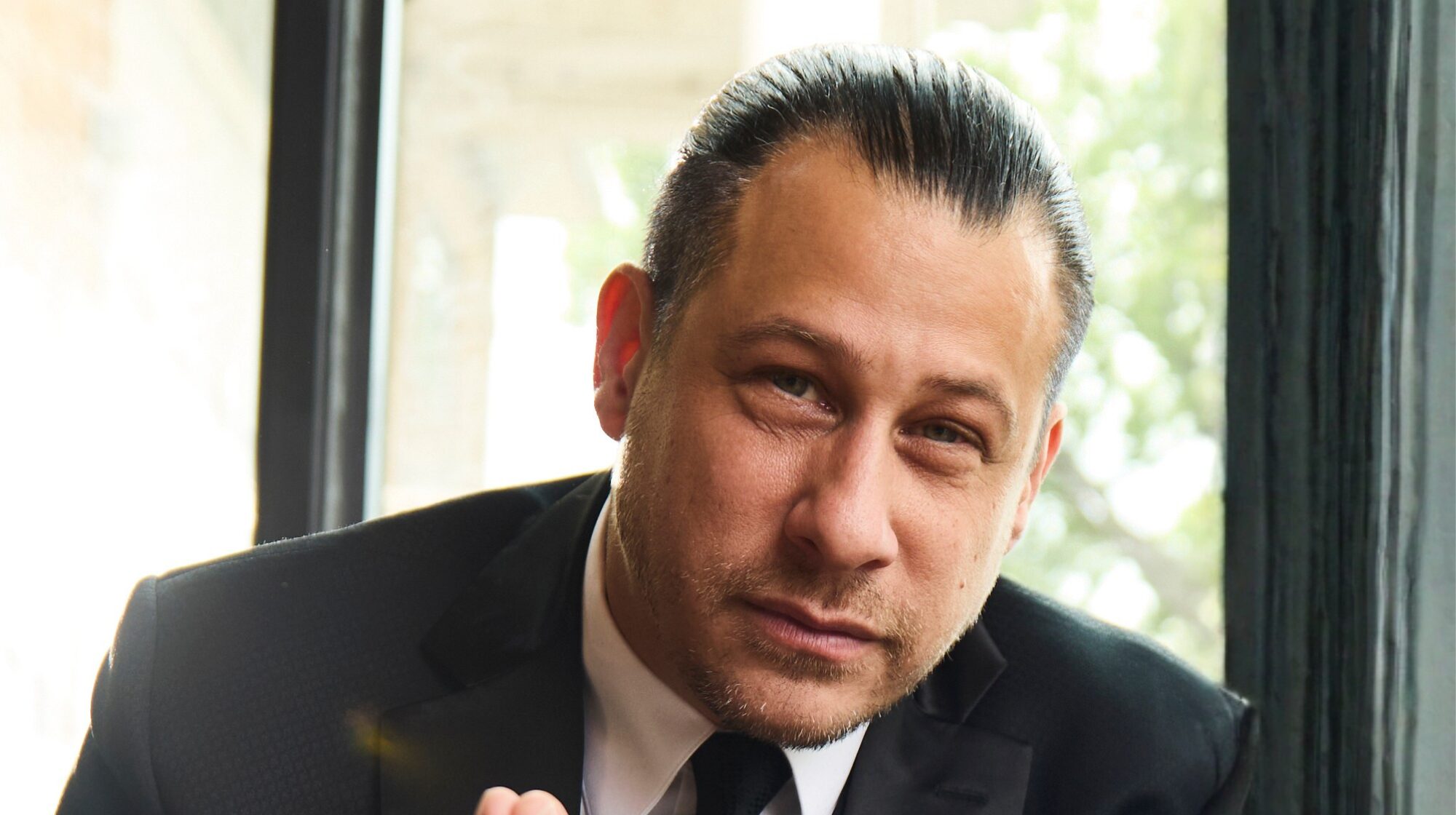
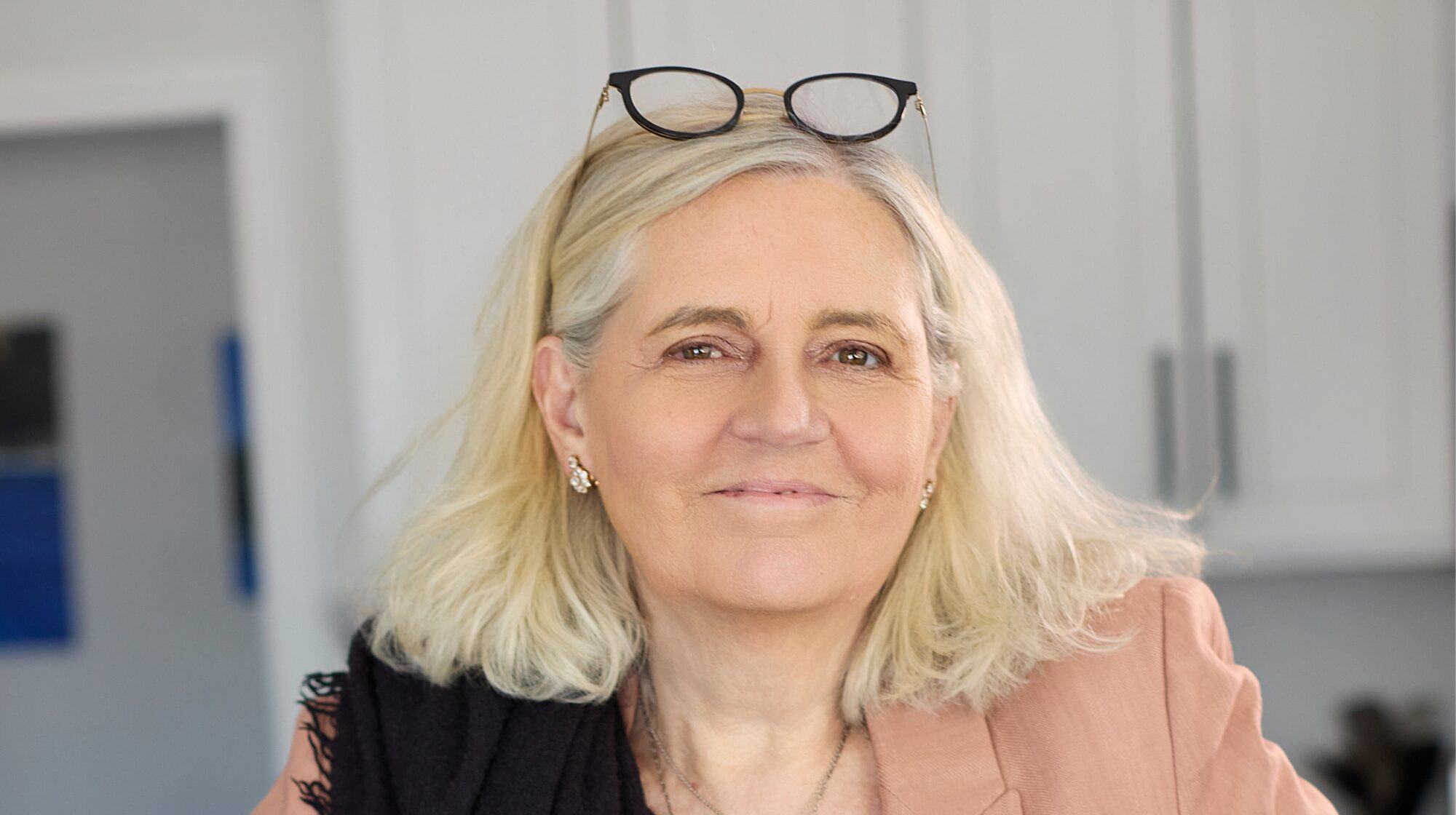
Promotions. Achievements. Purpose in motion. Across the industry, remarkable Women in DSO® members are being seen, celebrated, and elevated by companies that understand the value of unstoppable leadership. This is what progress looks like.
Author: Katerina Georgievska
Bold Moves & Rising Stars
Remarkable women across the industry are supporting great organizations with outstanding achievements, and well-deserved promotions. Join us in recognizing these Women in DSO members and the empowering organizations that recognize their brilliance.
Behind the Numbers
Insights from Female CFOs in Dentistry
In the dynamic world of DSOs, financial leadership has never been more critical. CFOs stand at the intersection of strategy, operations, and care, tasked with steering organizations through an intricate maze of challenges—rising costs, shifting patient demographics, and the pressure to innovate. As the financial stewards of their organizations, they manage budgets, navigate economic uncertainties, and champion long-term sustainability. But the role of a CFO extends far beyond crunching numbers. It demands a delicate balance between fiscal responsibility and strategic foresight.
Today’s CFOs are not only focused on financial health but also on fostering collaboration, driving innovation, and ensuring that financial strategies align seamlessly with clinical priorities. Their work shapes how care is delivered and how businesses grow.
To better understand the complexities of this role, we interviewed four accomplished CFOS — Crissy Fiscus from PepperPointe, Karen Friar from Benco Dental, Victoria Garcia from Dental Care Alliance and Marie-Claude Tardif from iFinance. We covered everything from navigating workforce challenges to the latest books of interest. Each perspective offers invaluable insights. Here’s what they had to say.
What are the most significant financial challenges facing DSOs in your region? How are you addressing them?
I believe the most significant financial challenge facing DSOs continues to be elevated interest rates. It is imperative to properly forecast cash flow and only invest in projects that generate positive cash flow after accounting for debt.
What approach do you use to balance cost management with maintaining high-quality patient care?
AT DCA patient care always comes first. We pride ourselves in delivering high quality care. We look for ways to create efficiencies using technology and process improvement to manage costs, while maintaining high quality care.
How do you collaborate with the clinical leadership to ensure financial decisions align with patient care priorities?
I see myself as a highly operations-focused CFO. I partner closely with the CCO and COO to gain clear understanding of clinical
and operational priorities before making any significant financial decisions. I get deeply involved in the operational strategy of the company to ensure financial strategy is aligned and complementary.
What trends are you observing in patient demographics and behavior? How are DSOs adapting to meet these trends?
Rising inflation and increasing cost of living have made access to care more challenging. We partner with organizations that help patients with their financing needs to be able to afford the care that they need.
What challenges do you face in communicating the financial story to investors and leaders in your company?
Investors and Leaders in the company have varying levels of financial expertise or depth of knowledge of our business and industry. Simplifying complex financial data and providing enough detail to instill confidence is key in communicating the financial story.
What advice can you offer to leaders on managing workforce challenges?
Managing workforce in DSOs is paramount, especially with today’s clinician shortages and wage pressures. It is important to invest resources in Strategic Workforce Planning that is multifaceted and focuses on employee development, communication and culture.
What key financial metrics do you prioritize to gauge health of an organization?
CFOs are responsible for managing a wide range of financial metrics. I would say the ones that I focus on the most in our current environment are Cash Flow and EBITDA growth.
What significant challenges do you face as a CFO?
The most significant challenge that I face as a CFO is finding a balance between communicating urgency and financial responsibility,
while still instilling confidence and excitement across varying stakeholders of the organization.
What’s a book, article, or podcast that has recently influenced or inspired you?

What challenges do you face in communicating the financial story to investors and leaders in your company?
One of the biggest challenges I face is ensuring that everyone, regardless of their background, understands not just the numbers, but the ‘why’ behind them. Financial data is often complex and filled with technical terms, so I focus on simplifying it, using clear visuals, and avoiding unnecessary jargon to ensure the message resonates with different audiences. I carefully tie every financial update back to our strategic goals, providing a clear view not only of our current performance but also of where we’re headed.
Additionally, I prioritize open, two-way conversations to address questions, clarify uncertainties, and build trust and alignment across all stakeholders. My ultimate goal is to make financial information easy to understand and directly connected to our broader strategic objectives. In the end, I want every stakeholder to feel informed, confident, and aligned with our financial direction.
What advice can you offer to leaders on managing workforce challenges?
One of the most important lessons I’ve learned in managing workforce challenges is the power of active listening and adaptability. Listening isn’t just about hearing words, it’s about truly understanding concerns, acknowledging unspoken challenges, and showing genuine
care for your team’s input. Leaders who listen create trust, foster transparency, and build a culture where employees feel valued and empowered to contribute. At the same time, adaptability has become non-negotiable. Whether it’s adjusting to remote work, embracing evolving technologies, or responding to shifting employee expectations, leaders must remain flexible and open to change. This balance of listening and adapting helps address challenges proactively rather than reactively.
Equally important is clear and transparent communication, especially when every suggestion or idea can’t be implemented. Explaining the why behind decisions helps employees feel respected and reduces feelings of dismissal, even if they disagree.
Beyond that, investing in employee well-being, offering growth opportunities, and fostering an environment of trust and accountability ensure teams remain engaged and aligned with the organization’s goals. At the end of the day, successful workforce management isn’t about having all the answers, it’s about creating a culture where people feel heard, valued, and motivated to contribute to a shared purpose.
What are the most significant financial challenges facing DSOs in your region? How are you addressing them?
Managing several different issues that can negatively impact profitability is our most significant financial challenge:
Managing and controlling overhead costs, which includes staff salaries, supplies, equipment costs, etc. The recent rise in inflation has resulted in an increase in all business costs. As with any other business, it is a challenge to manage costs in this environment and maintain our profit margin. There are two specific areas that have impacted our business costs the most – staff salaries and interest.
Staff salaries have increased significantly in the past 3-4 years. The increase in salaries is also coupled with a labor shortage. This
has created a perfect storm of staffing in the dental industry. We are investing in technology to assist our current administrative staff with their duties. By investing in technology and training our people to use these technologies, we are seeing increased efficiency with our teams. Investments in technology will be a continued focus for us.
Rising interest rates impact so many different areas of our business, our cost of capital has increased, and our suppliers’ costs have also increased, which then gets passed on to us. Again, everyone in business is feeling the impact of rising interest rates. We are not as impacted as a lot of businesses, but it still definitely has an impact.
Rising inflation impacts our patients’ discretionary income, which impacts their ability to accept treatment. If patients cannot pay for treatment, that is a problem on many levels. Therefore, we are working to offer more ways to break down financial barriers for patients to accept treatment – offering more financing options, etc.
What approach do you use to balance cost management with maintaining high-quality patient care?
Staff Training – We are putting additional emphasis on staff training, which includes clinical and nonclinical staff in all our practices, as well as staff at the PepperPointe office. Highly trained staff create a better patient experience and a more efficient practice. The same goes for the team at PepperPointe, if the PepperPointe team is highly trained we can provide better, more efficient support for our practices.
Data Analytics – The PepperPointe data analytics team is focused on providing data that can be used by the PepperPointe team, our doctors and our practice level staff to provide insights into their business. We have recently implemented several different dashboards to assist our staff in effectively managing their practices. Using data to monitor financial performance, practice efficiency, and patient outcomes allows us to make real time adjustments to create better outcomes for our patients and the financial performance of our practices.
Patient Payment Options – To improve patient access to care while managing our cash flow, we are utilizing more payment options for our patients. These options include various third-party financing options. We are also using technology such as text to pay to make it as easy as possible for patients to pay.
Staying competitive: Evaluating UCR and Fee Negotiations in Dental Practices – We regularly evaluate our practice’s usual, customary and reasonable fees, as that is crucial to ensure alignment with industry standards and competitiveness within our local market. This strikes a balance between offering a competitive rate that attracts patients and maintaining profitability, which is a vital aspect of practice management.
Fee negotiations with third-party payers are equally important. We focus these discussions on optimizing contracts to benefit both the
practice and the payer. Building and maintaining strong relationships with key third-party payers can open opportunities to reduce administrative burdens and create mutually beneficial solutions.
How do you collaborate with the clinical leadership to ensure financial decisions align with patient care priorities?
Collaborative Budgeting and Planning – The PepperPointe team works closely with the clinical leadership to develop the budget and operational plan for the upcoming year. The financial budget is coupled with a business development roadmap (BDR) developed for each practice. The key performance indicators (KPIs) are outlined in the BDR. The KPIs are both financial and operational. Through this collaborative effort a plan that addresses patient care and financial success is developed.
Shared Data – The financial and nonfinancial KPIs are developed and shared with the clinical leadership. They contributed to the development of the BDR and they also share in the performance against the goals of the BDR throughout the year.
Financial Training for Clinical Leadership – We also invest in financial training for the clinical leadership. The BDR and budgeting process provides the opportunity for clinical leadership to develop their financial skills as well.
What trends are you observing in patient demographics and behavior? How are DSOs adapting to meet these trends?
Digital Health Engagement – Patients are looking for more digital options – online scheduling, text communications, etc. More importantly, they are excited about digital treatment options, especially in orthodontics, where the physical patient visits can be reduced by using technology to send pictures to the orthodontist for review.
Flexible payment options – patients want and need various ways to pay to allow them to get the treatment that they need, this includes payment plans and third-party financing options.
What key financial metrics do you prioritize to gauge the health of an organization?
- This varies based on specialty, but these are some of the metrics that we are looking at daily for all specialties:
- Days sales outstanding
- Over the counter collections
- Staffing costs as a percentage of revenue
- Supply costs as a percentage of revenue
What’s a book, article, or podcast that has recently influenced or inspired you?

What key financial metrics do you prioritize to gauge health of an organization?
When assessing the financial health of an organization, I prioritize a balanced set of key financial and non-financial metrics that provide both a snapshot of current performance and insight into long-term sustainability. While we consider many metrics, we emphasize revenue growth, market share, EBITDA margins, free cash flow, and customer and associate satisfaction scores. Each of these metrics is important individually, but their full value is realized when analyzed together as part of a broader performance perspective.
Financial health isn’t just about numbers, it’s also about building trust and loyalty with customers and associates. High satisfaction scores indicate repeat business, brand advocacy, and long-term customer retention. Likewise, engaged and satisfied employees are the driving force behind operational excellence and innovation, offering insights into organizational culture and long-term productivity.
What is a significant challenge you faced as a CFO and the lessons it taught you?
One of the most significant challenges I faced was of course navigating the CV19 pandemic. Practically overnight, we were faced with disruptions in operations, supply chains, and customer demand. During those moments, two key lessons stood out: the importance of resilience and the power of proactive communication. We focused on optimizing cash flow without compromising long-term goals and supporting our teams with clarity and transparency. At the same time, we doubled down on serving our customers, ensuring they had the resources needed to weather the crisis.
Perhaps the most important takeaway was that during times of uncertainty, financial leadership isn’t just about spreadsheets and forecasts, it’s about trust, adaptability, and courage. By staying focused on our core strengths and maintaining open communication across all levels, we emerged from the pandemic not just stable but in a position to grow and invest in the businesses. CV19 reinforced that true financial health isn’t established during periods of stability, it’s revealed and tested by how you navigate the most challenging moments.
What’s a book, article, or podcast that has influenced or inspired you?
A book that shaped how we hold our organization accountable ‘Measure What Matters: How Google, Bono, and the Gates Foundation Rock the World with OKRs’.
A classic book that has influenced me early in my executive career is ‘Lean In: Women, Work, and the Will to Lead’.
My go-to podcast is ‘CFO Thought Leader’ because it shares real-world stories from finance leaders, offering valuable insights on resilience, strategic decision-making, and driving meaningful change within organizations. I love listening and learning from many amazing leaders, gaining fresh perspectives, and finding inspiration to enhance my own approach.


What challenges do you face in communicating the financial story to investors and leaders in your company?
Simplification without oversimplifying! One of the main challenges is translating complex financial data into clear, concise, and accessible narratives. Financial topics often involve intricate details—such as the underperformance of a project or deteriorating relationships with external partners—that require careful explanation. However, investors and leaders typically seek a high-level understanding rather than a deep dive into every detail. Striking the right balance between clarity and comprehensiveness is crucial and a daily challenge for CFOs. Another challenge is prioritizing key insights, by determining which elements are most critical to highlight. Investors and executives are primarily interested in the facts that impact the organization’s overall performance and long-term strategy. For example, when explaining why a project underperformed, it’s essential to not only share the contributing factors but also connect these to the broader financial impact and lessons learned. In other words: audience adaptation is key: tailoring the message to the audience’s role and perspective. Leaders focus on strategic decisions, while finance teams handle day-to-day operational details. Recognizing this distinction and adapting the narrative to ensure that messages are both impactful and aligned with the audience’s strategic priorities.
What advice can you offer to leaders on managing workforce challenges?
Listen actively: The first and most essential piece of advice is to truly listen to your employees. Make time to understand their concerns, ideas, and feedback. Active listening fosters trust, encourages open communication, and helps leaders stay connected to the pulse of their workforce. After, balance employee needs with organizational goals. A key challenge in leadership is finding the right balance between prioritizing the well-being of employees and achieving the company’s objectives. These two priorities can sometimes feel at odds, but they are not mutually exclusive. A great leader listens to and values their team while making decisions that align with both the team’s needs and the organization’s strategic goals, and they are also skilled at clearly communicating the bigger picture to their team, ensuring everyone is aligned and onboard. To achieve this, make sure to foster a shared vision. A leader must clearly communicate the company’s vision and how individual and team efforts contribute to achieving it. This alignment helps employees understand the bigger picture and the rationale behind decisions, especially when those decisions are difficult. A leader who can inspire their team while staying transparent about challenges is more likely to maintain morale and engagement.
What key financial metrics do you prioritize to gauge health of an organization?
The metrics I prioritize depend on the nature of the business, as every organization has unique key performance indicators (KPIs). However, there are three broad areas I consistently focus on:
- Liquidity and financial stability : The ability to quickly access funds, whether through cash reserves or credit lines, is essential for responding to unexpected challenges or seizing opportunities, but most importantly, I also evaluate relationships with financial partners: strong relationships with lenders and investors provide not only access to capital but also insights into how the organization’s financial health is perceived externally. Financial partners are often well-informed, and their perspectives can serve as a valuable indicator of overall stability.
- Employee retention and organizational culture: Employees are a company’s most valuable asset, and their retention is a strong indicator of internal health. High turnover rates can reflect deeper cultural or operational issues, while stable retention suggests a positive work environment. Employee satisfaction and engagement also serve as a barometer of organizational culture, which is directly tied to long-term success.
- Strategic vision and alignment: A company’s strategic vision and its execution are key to its long-term viability. To assess this, I look at:
- Clarity of Vision: Is there a well-defined strategic direction?
- Resource Allocation: Are resources being deployed effectively to achieve this vision?
- ashboards and Metrics: How well does leadership track progress toward strategic goals? Dashboards that monitor KPIs aligned with the vision are critical for ensuring accountability and adjusting courses when necessary.
What is a significant challenge you faced as a CFO and the lessons it taught you?
One significant challenge faced as a CFO was effectively sharing the enthusiasm of the management team with external financial partners—particularly when presenting a new project or expansion plan. While the benefits of such initiatives might seem obvious to those deeply involved, communicating this vision in a way that resonates with external stakeholders requires a different skill set. As CFOs, we are often more accustomed to analyzing and presenting data than crafting narratives. However, I learned that storytelling is just as crucial as the numbers themselves. It’s not enough to simply present financial projections; you must create a compelling narrative that explains the broader impact of the project on the organization—both financially and strategically. This experience taught me three key lessons: master the art of communication, focusing on tailored messaging and bridge passion with data! Enthusiasm alone isn’t enough; it needs to be backed by solid numbers.
What’s a book, article, or podcast that has recently influenced or inspired you?

The Operator’s Code
Inside the minds of top operators building high-performance teams, systems, and momentum.
Growth has a way of exposing everything. Weak systems. Leadership gaps. Friction between teams. Processes that worked at 10 locations and break at 50. From the outside, growth often looks like more practices, larger teams, and stronger numbers. Inside the organization, it looks different. It looks like hundreds of moving parts operating under increasing pressure—where decisions have to happen faster, execution becomes less forgiving, and small breakdowns compound quickly.
That responsibility often sits with the chief operating officer (COO). Across these conversations with operational leaders from some of dentistry’s leading organizations, one theme surfaced repeatedly: The strongest operators are not trying to control everything. They are disciplined about controlling what matters.
They simplify. They build leaders intentionally. They create accountability without bureaucracy. They understand that culture, systems, and execution are not separate initiatives—they are interconnected and moving simultaneously.
Because growth doesn’t reward more noise. It rewards alignment. Precision. Speed with purpose.
Where do most organizations misunderstand the COO role?
In my experience, the COO role is often misunderstood as purely executional. I see it much more as building scalable systems that actually allow the organization to grow. That looks like creating clear regional structures with defined decision authority, establishing one source of truth through consistent data and KPI dashboards, and centralizing support services where scale can make the biggest difference. It’s not just about keeping the business running day to day, but about designing the infrastructure that supports growth. That means aligning operations, clinical leadership, and growth strategy into one cohesive engine. At its core, the role is about balancing people, process, and performance.
Where do most DSOs overcomplicate operations?
Many DSOs overbuild processes and systems too early. There’s a tendency to layer in tools, approvals, and reporting that slow the organization down. Simplicity scales better. The goal should be clarity in expectations, consistency in execution, and just enough structure to support growth, not constrain it.
What’s one operational decision you made that created disproportionate impact?
Investing early in a strong field leadership structure. Empowering regional leaders with clear accountability, data visibility, and decision-making authority created faster problem-solving at the local level. That reduced bottlenecks at the center and significantly improved both performance and engagement across practices.
How do you balance standardization with clinical autonomy?
We standardize the business of healthcare, not the practice of it. Core operational elements, such as systems, reporting, patient experience, and compliance, should be consistent. But clinical decision-making must remain with the physician. When that boundary is clear, you get the benefits of efficiency and scale without losing trust or clinical integrity.
What do you look for when hiring your regional or field leaders?
I look for operators who can translate strategy into action. They need strong business acumen, the ability to influence providers and teams, and a real bias toward accountability. The best leaders in these roles are both data driven and highly focused on relationships. They can quickly diagnose issues and drive change without losing trust along the way.
Where do most operators fail when it comes to developing leaders internally?
They often assume strong performers will naturally grow into strong leaders. In my experience, that rarely happens without intention. Leadership development requires structure, clear expectations, coaching, and honest feedback. At the same time, the strongest organizations balance internal and external talent. You need internal subject matter experts who have intentionally developed their leadership skills alongside external hires who bring structured leadership and business capabilities while learning the nuances of the specialty. When you have both, the leadership team is stronger and better positioned to support broader team development and drive results.
What book or podcast has recently influenced your leadership approach?
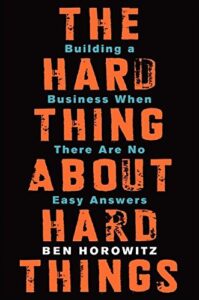
The Hard Thing About Hard Things by Ben Horowitz has influenced me recently. It’s an honest look at leadership, especially making tough decisions with incomplete information and leading through uncertainty. It’s a good reminder that scaling isn’t about avoiding problems; it’s about navigating hard moments thoughtfully and staying grounded as a leader. That really resonates in our space, and it’s shaped how I think about building strategies, processes, and structures that support growth while still working in the realities of day-to-day operations.

Where do most organizations misunderstand the COO role?
Most organizations underestimate the true scope of the COO role and how collaboration across the department and broader organization ultimately drives results and culture. High performance is not sustainable without both, as you cannot deliver strong results with a weak culture, and culture alone will not produce outcomes. As part of the role, leaders must build others who can scale the organization by continuously strengthening their own leadership capabilities while intentionally developing the leaders on their team. Organizations that cut corners in this area tend to plateau.
What’s one operational decision you made that created disproportionate impact?
One decision that created an outsized impact was refocusing on de novo performance. Over time, as the organization scaled, some core systems became less consistent in execution. The organization made a deliberate choice to become more hands-on by clarifying expectations, tracking commitments more rigorously, and reinforcing accountability at every level. This renewed focus quickly improved execution consistency across de novo practices. The impact was significant, leading to stronger performance, better alignment across leaders, and a return to the operational discipline that drives successful openings and early-stage growth. It reinforced the lesson that tightening execution on what works, rather than adding complexity, can unlock disproportionate results.
How do you balance standardization with clinical autonomy?
The organization is doctor-led, meaning they create the right environment for supported doctors to succeed by providing strong systems, education, mentorship, and opportunities for collaboration. Standardization exists to support consistency, efficiency, and a high-quality patient experience, not to impact clinical judgment.
How do you protect culture while aggressively growing?
Leaders must lead with their mission, vision, and core values in everything they do, as these are the foundation of culture and the “why” behind the work. At Heartland Dental, the vision is to be a world-class company and the leader in dentistry, with growth being a critical part of achieving that. Protecting culture during growth begins with ensuring leaders and teams understand how their roles connect to that vision. Growth does not dilute culture; it reinforces it when done intentionally, allowing an organization to grow aggressively while culture is carried through the behaviors, expectations, and standards that leaders reinforce daily.
What book or podcast has recently influenced your leadership approach?
The leadership team recently read AI and the Octopus Organization by Jonathan Brill and Stephen Wunker, which was impactful given how quickly AI is evolving and the level of disruption it is creating across the industry. This reinforced the importance of staying curious, adaptable, and thoughtful about how technology is integrated into operations while keeping people at the center. On a personal level, the author is drawn to leadership content focusing on growth, accountability, and perspective, particularly books and podcasts that challenge how they think about leading through change and developing others.

Where do most organizations misunderstand the COO role?
The COO role is often seen as managing day-to-day operations. In reality, it is about building a system that turns strategy into results. That means connecting what happens in the field to overall performance in a way that is easy to understand and repeat. At The Aspen Group (TAG), as a healthcare support organization, that comes down to putting the right tools, processes, and infrastructure in place so providers can focus on patient care, with less friction in daily work and more alignment across the organization. The goal is an operating model that supports growth across different brands and care settings.
Where do most DSOs overcomplicate operations?
Most organizations add layers without improving understanding. That often shows up as too many reports, tools, or processes that do not change behavior. Technology should simplify work, not add steps. The strongest operating models are straightforward, with a small set of expectations and measures that teams can act on quickly.
What’s one operational decision you made that created disproportionate impact?
Clarifying the link between daily operations and overall performance had a meaningful impact. We made it easier for teams to see how scheduling, patient flow, and staffing decisions affect outcomes. When that connection is visible, it becomes easier to prioritize and follow through. We have also tried to be disciplined about where we focus resources and where dedicated support can have the greatest impact. We recently made the decision to invest in dedicated clinical and field support for a group of underperforming offices. That focused approach helped improve both the patient experience and overall performance in a relatively short period of time.
How do you balance standardization with clinical autonomy?
We standardize the operational side of the business, including scheduling, workflows, and support systems, to create a more predictable environment and reduce unnecessary friction. That allows providers to stay focused on patient care. Clinical decisions always remain with the provider. Our role is to support providers with the tools, training, and infrastructure they need to operate effectively. The intent is to create an environment where they can deliver care with consistency and confidence.
Where do most operators fail when it comes to developing leaders internally?
Development is often left to chance. High performers are promoted without a clear plan for how they will grow into leadership roles. Without structure and feedback, progress is uneven. At TAG, we have invested in a more formal approach through The Aspen Group University, which provides leaders with clear development paths, training, and ongoing support. When development is intentional and supported at scale, with defined expectations and regular coaching, the results are much stronger.
What book or podcast has recently influenced your leadership approach?
I recently listened to an HBR podcast on leadership, Is Your Company Suffering from Initiative Overload? I found it both insightful and highly relevant to TAG. One of the most important things leaders can do is make clear prioritization decisions that allow teams to focus. Focus drives clarity and alignment, which then leads to stronger accountability and ultimately, better results. I would much rather work on a smaller number of priorities and execute them well than spread ourselves too thin.

Where do most organizations misunderstand the COO role?
In healthcare—particularly within a model like ClearChoice—the COO role is often viewed too narrowly as operational oversight, but it actually is orchestrating a highly coordinated care delivery system at scale. That requires aligning clinicians, lab operations, patient experience, and business performance into a unified model that consistently delivers favorable outcomes. The role is not simply about execution—it is about integration. Without that alignment, even strong individual components fail to translate into sustainable performance and positive experience for patients.
What are the 3–5 KPIs you personally watch every week—and why those?
At ClearChoice, I focus on a concentrated set of metrics that reflect operational discipline and effectiveness so doctors and center owners can focus on delivering exceptional patient care:
- Case acceptance rates: A direct indicator of patient trust and experience, and how effectively value is communicated in a high-consideration treatment.
- Healthcare financing application rates: The primary driver that creates a path toward treatment options.
- Net starts: Reflects how efficiently we guide patients through a complex, multistep journey.
- Resource utilization: Ensures we are optimizing capacity within a resource-constrained clinical model.
- Patient experience (NPS/Google reviews): In a life-changing procedure, experience is inseparable from outcome.
Together, these KPIs provide a balanced view of demand generation, operational execution, and long-term scalability.
What’s one operational decision you made that created disproportionate impact?
One of the most impactful decisions was strengthening alignment between consult scheduling, surgical block utilization, and lab turnaround times. In a model like ours, small inefficiencies compound quickly. By better coordinating these interdependent functions, we improved case flow, reduced patient wait times, and increased surgical throughput—without adding incremental clinical resources. It reinforced the importance of managing the system as an integrated whole.
If you were stepping into a COO role today, what would you prioritize in your first 90 days?
The first 90 days would center on building a deep understanding of how the system operates in practice.
- Spend time in centers: Observe the culture firsthand and understand how it shapes the patient journey from consult to final delivery.
- Identify strengths and constraints: Determine what truly differentiates the organization competitively while uncovering the real bottlenecks limiting growth—not just the reported ones.
- Establish operational cadence: Align the organization around clear metrics, accountability, disciplined communication, and a high-performance culture.
The objective is not immediate transformation but clarity—creating a foundation for sustainable execution.
What book or podcast has recently influenced your leadership approach?
Extreme Ownership by Jocko Willink and Leif Babin. Its emphasis on total accountability resonates strongly in a complex operating environment. The principle that leaders are responsible for everything within their span of control reinforces the importance of clarity, discipline, and ownership in driving results.

What are the 3–5 KPIs you personally watch every week—and why those?
Production, every day, every week, every month. Revenue forgives all sins. Production can be an indicator of potential provider dissatisfaction. It can indicate operational weakness in areas of scheduling/appointment confirmations/marketing. I monitor this at the company, regional, office, and individual provider levels. Additionally, I watch:
- Co-pay collections: The RCM cycle will break and overall collections percentages will suffer if we are not collecting patient balances at the time of service.
- Google reviews: Daily, I am looking at any review below three stars across the entire company so I can identify trends or any particular office-level problems and reach out to individual patients if warranted.
- Terminations (voluntary and involuntary): I want to understand why employees are leaving, either by their choice or ours.
- Earnings before interest, taxes, depreciation, and amortization: I review this at the company, regional, and office levels to identify the need for action planning and intervention to course correct. It’s difficult to monitor on a weekly basis, but watch it monthly for sure.
Where do most DSOs overcomplicate operations?
The more platforms we are asking offices to interact with, the more likely we are going to be faced with resistance and process failure. Fortunately, PMS platforms are building more and more functionality into their systems, and now this is happening very rapidly with AI advancements. Hopefully, this will help DSOs to streamline operations without breaking the bank, as new functionality always comes with a new price tag.
What’s one operational decision you made that created disproportionate impact?
The decisions I have made in my career that created disproportionate impact (both good and bad) are those involving placing the right people into the right seats. A few years ago at Riccobene, we were working hard to improve our RCM team. I had a few office and regional managers on the operations team who I thought would be great on the RCM team. Although it was painful to backfill them, I decided to ask them to move over to RCM. In large part thanks to them, our RCM performance has now dramatically improved to where we are today, which is truly best in class. Knowing where talent will best be utilized and taking risks in this area can have the biggest impacts on performance.
Where do most operators fail when it comes to developing leaders internally?
I think the biggest failures come from the risks we are unwilling to take. Overlooking someone who has demonstrated drive and willingness to learn, just because they may not look the part or be who we’ve promoted in the past, can keep us from finding the best internal talent. We also need to look across functional lines. Sometimes dental assistants make the best office managers. A great hygienist can become an amazing training team member. If we take a risk on developing someone internally that doesn’t pan out, we can always retain that individual in their original role. But if we don’t take the risk, we may be missing out on a complete rock star in a new role. Every new hire is a risk—why not take risks on our own employees first?
What book or podcast has recently influenced your leadership approach?
Ego vs. EQ by Jen Shirkani.

Where do most organizations misunderstand the COO role?
The COO role is truly the connective tissue between the CEO’s vision, the practices delivering care, and the teams supporting them. Execution happens in the field, not just in a support office, which means understanding how practices actually operate matters just as much as dashboards and strategy. Ultimately, the role is about creating alignment, driving accountability, and turning strategy into results.
Where do most DSOs overcomplicate operations?
When they lose sight of the practice. Our job is to simplify workflows for the people closest to the patient. When front office teams, hygienists, and doctors are navigating unnecessary steps or unclear processes, it slows care and adds cost. Standardization should be used intentionally, focused on the areas where consistency improves speed, quality, and efficiency. Not everything needs to be centralized or controlled. And teams need to understand the why or alignment breaks down and work-arounds take over. Simplicity and consistency scale. Complexity creates friction.
What’s the most common integration mistake after an acquisition?
Moving too fast on what feels urgent to the support office and too slow on what matters to the practice. Early on, teams want clarity. Is my schedule changing? Who do I call when something breaks? If you lead with systems and reporting instead of those answers, you lose trust early. The other mistake is treating every acquisition the same. Practices vary widely, and integration should reflect that. You have to meet each practice where it is. Good integration isn’t about forcing change. It’s about supporting what’s already working and building from there.
What do you look for when hiring your regional or field leaders?
Emotional intelligence first, operational skill second. You can teach someone P&L, but you can’t teach them how to walk into a practice, read the room, and build trust. I look for leaders who have curiosity, listen before prescribing, and can hold accountability without damaging relationships. The best field leaders don’t just report performance. They improve it.
Where do most operators fail when it comes to developing leaders internally?
They promote high performers and then wonder why they struggle as leaders. Operational strength doesn’t automatically translate to developing others, and that transition is often overlooked. I’ve also seen organizations fail to create a visible path. If high performers can’t see where they’re going, they’ll find somewhere that shows them. The operators that stand out invest in developing leaders from within, not just hiring them from the outside.
What book or podcast has recently influenced your leadership approach?
The Advantage by Patrick Lencioni has influenced how I think about operating models and leadership teams. In my experience, effort usually isn’t the problem. Organizations struggle when priorities aren’t clear, teams aren’t aligned, or communication breaks down between departments. The bigger an organization gets, the more important simplicity and clarity become. The book reinforced what I’ve seen operationally over the years.

What are the 3–5 KPIs you personally watch every week—and why those?
I focus on a small group of KPIs that give a real-time view of growth, operational efficiency, and long-term sustainability.
- Revenue: It reflects overall business performance and operational execution.
- New patient bookings: They are one of the strongest indicators of future growth and market demand.
- Chair and diary utilization: They show how effectively we are maximizing clinical capacity while maintaining access for patients.
- Colleague and clinician churn: Retention directly impacts culture, continuity of care, and operational stability.
Together, these metrics provide a balanced view of financial performance, patient demand, operational effectiveness, and team health.
What’s one operational decision you made that created disproportionate impact?
One of the most impactful decisions I made was restructuring communication and accountability across regional leadership. We implemented standardized weekly operational reviews with clear ownership, faster escalation pathways, and simplified scorecards. The change itself was not complicated, but it dramatically improved execution speed, visibility, and alignment across teams. Often, operational impact comes less from large transformations and more from creating clarity and consistency at scale.
How do you balance standardization with clinical autonomy?
We standardize areas that improve consistency, compliance, patient experience, and operational efficiency, while preserving autonomy in clinical decision-making. The key is involving clinicians in the process so standards are developed collaboratively, not imposed top down. When providers understand that operational consistency reduces friction and supports better patient care, alignment becomes much easier.
How do you protect culture while aggressively growing?
Culture is protected through consistency, visibility, and leadership behavior. During periods of growth, communication becomes even more important. Leaders must reinforce values through hiring decisions, recognition, accountability, and daily interactions. I also believe culture scales when leaders feel empowered and connected to the organization’s mission. Growth exposes weaknesses in culture quickly, so protecting it requires intentionality at every level.
Where do most operators fail when it comes to developing leaders internally?
Many organizations promote high performers without investing in leadership development. Operational success does not automatically translate into leadership capability. Internal development requires intentional coaching, clear expectations, mentorship, and opportunities for growth before someone steps into a larger role. Too often, organizations wait until there is an urgent opening instead of building a consistent leadership pipeline.
What book or podcast has recently influenced your leadership approach?
One book that recently influenced my leadership approach is Snakes in Suits by Paul Babiak and Robert D. Hare. It offers a powerful perspective on how personality dynamics, manipulation, and unchecked ego can impact organizations and leadership teams. The book reinforced the importance of emotional intelligence, self-awareness, and value-based leadership, especially in high-growth environments. It also reminded me that strong culture and clear accountability are essential safeguards for building healthy, high-performing organizations.

Stewards of Scale
Everyone wants to grow, but how do you minimize growing pains?
Advancements in new technologies have created exponential scaling opportunities for DSOs and partner clinics. But these very opportunities introduce complications that require strong leadership to navigate.
We’ve talked to six CEOs acting as visionary leaders balancing innovation and sustainability—and the financial and human needs of the DSO—as their organizations change. From navigating tough decisions to keeping humble in the face of exponential growth, these luminaries highlight the triumphs and tribulations of maintaining and growing a thriving DSO in an always-changing world.
How should DSOs and industry partners collaborate differently to accelerate innovation and access to care globally?
Collaboration between DSOs and industry partners is already strong—particularly with manufacturers, technology providers, and education platforms. DSOs are highly focused on ensuring quality of care and on equipping their clinicians with the best tools, technologies, and training.
A key area of collaboration is clinical education. Industry partners are increasingly investing alongside DSOs to support continuous education for clinicians, helping them strengthen their clinical skills and confidently adopt new, technologically advanced solutions and equipment. Well-designed education programs ensure that innovation translates into better outcomes, not just new technology.
We also see strong collaboration in the digital space. DSOs and industry partners are co-developing more efficient clinical workflows, improving data integration, and exploring how AI can support clinical decision-making in a responsible and clinically relevant way. This deeper collaboration leads to better-trained clinicians, a better patient experience, and higher-quality care, which is our common goal.
When you think about “scaling,” what does it mean beyond expansion—how do you scale people, culture, and purpose?
It starts with anticipation: understanding where dentistry is going, reading clinical and market trends early, and having the courage to invest in the right opportunities before they are obvious to everyone.
Scaling involves investing in the infrastructure, digital capabilities, manufacturing capacity, and operational excellence—but true scaling is, above all, about people. As the organization becomes larger and more complex, everyone must remain connected to why we do what we do: improving patient outcomes, supporting clinicians, and building long-term value for the dental ecosystem. Growth only works when people, culture, and purpose scale together.
What was the hardest leadership decision you’ve made in the past two years—and what did it teach you about yourself?
One of the hardest recent decisions was restructuring our operations when COVID hit. The level of uncertainty was unprecedented, and we had to make decisions quickly to protect the long-term health of the company and ensure continuity for our customers and their patients. This meant stopping or delaying important projects and, most painfully, letting go of valued colleagues across the organization. I learned how critical empathy and transparency truly are.
This experience also taught me to trust my convictions while actively seeking diverse perspectives. It helped me accept vulnerability as a strength, rather than a weakness. Ultimately, it strengthened my resilience and deepened my commitment to leading with integrity, humility, and humanity—values that are just as critical in healthcare and clinical environments as they are in the boardroom.
What advice would you give your younger self before taking your first major leadership role?
Stay humble and keep learning. Leadership is not about having all the answers. It is about asking the right questions, listening carefully, and being willing to admit when you are wrong.
I would also emphasize the importance of feedback. Seek it early and often—from colleagues, clinicians, and team members at every level. Mistakes are inevitable, but they become valuable only if you are open to learning from them.
Finally, I would remind myself to stay curious and grounded, especially as responsibility grows. Never lose sight of your core values or the purpose behind your work—supporting teams, enabling clinicians, and ultimately, improving patient care.
What’s a book or podcast that has recently influenced your thinking and actions?
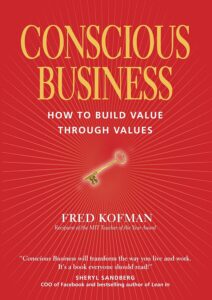
One book that has strongly influenced my thinking and actions is Conscious Business: How to Build Value Through Values. It is not a recent read—I discovered it nearly a decade ago—but its impact on how I lead has been long-lasting. It has also helped shape the foundation of our high-performance “Player-Learner” culture at Straumann.
At its core, conscious leadership is about shifting from a “me” mindset to a “we” mindset. It starts with self-awareness: understanding the impact I have on others, recognizing my own biases, and choosing to act from responsibility and intention rather than reacting to circumstances.
These principles continue to guide how I think about leadership today—creating strong businesses by staying grounded in values, people, and purpose.
How should DSOs and industry partners collaborate differently to accelerate innovation and access to care globally?
True acceleration happens when DSOs and industry partners move beyond vendor relationships and into shared problem-solving. That means co-developing solutions with clinicians, testing ideas in real-world environments, and focusing on outcomes—not just products. When collaboration is rooted in access, efficiency, and patient experience, innovation scales faster and more responsibly.
When you think about “scaling,” what does it mean beyond expansion—how do you scale people, culture, and purpose?
Scaling isn’t just about adding locations or revenue—it’s about scaling clarity. We take a clinician-first approach, which means growth starts by investing in our doctors as leaders, not just providers. We scale culture by reinforcing our values through everyday actions, not slogans, and we scale purpose by ensuring every team member understands how their work directly supports patient care and strengthens the communities we serve.
In your experience, what separates sustainable growth from fast growth that burns out?
Sustainable growth is paced, intentional, and aligned. Fast growth often prioritizes speed over systems and people, which can create strain over time. The difference comes down to whether leaders are willing to pause, build the right infrastructure, and truly listen. At Elite Dental Partners, we’re deliberate about our objectives and committed to maintaining a clinician-centered organization while progressing steadily. Growth that lasts is growth that teams can realistically support—and feel proud to be part of.
What’s the most rewarding aspect of sitting in the CEO chair—and what’s the hardest part that few people talk about?
The most rewarding part of leadership is seeing people grow—watching clinicians and team members gain confidence, step into leadership, and find fulfillment in their work. As a dentist and a female CEO, I’m incredibly proud to lead Elite Dental Partners, and deeply honored that the board placed their trust in me to do so.
The hardest part of the role is carrying decisions quietly. Leaders often absorb uncertainty so others don’t have to, and that weight isn’t always visible—but it’s a responsibility I take seriously.
When you imagine dentistry in 2050, what will be the biggest change? What do you hope stays consistent?
Technology will radically improve access, diagnostics, and preventive care. What I hope remains constant is the human connection. Dentistry is still about trust, compassion, and relationships—and no innovation should replace that.
What advice would you give your younger self before taking your first major leadership role?
Listen more than you speak, and don’t confuse confidence with certainty. You don’t need to have every answer—you need to ask the right questions and surround yourself with people who challenge and support you.
What excites you most about 2026 for your organization and for dentistry as a whole?
I’m excited about momentum—with purpose. We’re focused on expanding access to care, developing strong clinical and operational leaders, and using innovation thoughtfully to support both patients and teams.
For dentistry as a whole, I see a growing commitment to collaboration, education, and truly patient-centered care.
What’s a book or podcast that has recently influenced your thinking and actions?
Our leadership team spent the year studying Extreme Ownership by Jocko Willink and Leif Babin, and the core lesson resonated deeply: leaders own the outcome. That mindset has shaped how we lead—taking responsibility, prioritizing clarity, and empowering teams to execute with confidence.
Extreme Ownership reinforces the idea that strong leadership isn’t about control; it’s about accountability, trust, and alignment, all of which are essential to building a resilient, clinician-centered organization.

How should DSOs and industry partners collaborate differently to accelerate innovation and access to care globally?
The starting point always has to be the patient experience.
If you begin by understanding where patients struggle—whether that is access, affordability, follow-through on treatment, or an understanding of their oral health—you get much clearer about what actually needs to change. From there, you can work backward to how clinics are staffed, supported, and equipped to deliver care. Industry partners are most helpful when they solve real problems alongside clinicians rather than design in isolation.
When you think about “scaling,” what does it mean beyond expansion—how do you scale people, culture, and purpose?
Scale only matters if it improves care. For a DSO, scaling means using size to raise standards, not just increasing footprint. It means creating a shared vision for quality care and then building the systems, training, and technology that help clinicians deliver on that vision consistently.
When scale strengthens clinical confidence, supports teams, and improves patient outcomes, it becomes something people believe and become invested in.
In your experience, what separates sustainable growth from fast growth that burns out?
Fast growth is exciting. Sustainable growth is quieter.
Early on, growth can feel like progress because everything is moving. More patients, more clinics, more initiatives. What we have learned is that movement is not the same as improvement. If you do not stop to build the right support underneath, growth eventually catches up with you.
Sustainable growth is about timing and restraint. It means knowing when to push and when to pause. It means fixing what slows teams down before adding more volume. Sometimes the right move is simplifying, not expanding.
What was the hardest leadership decision you’ve made in the past two years—and what did it teach you about yourself?
The hardest leadership decision has been choosing where to say no. In a growing organization, there are always more good ideas, initiatives, and opportunities than there is capacity to execute them well. Deciding what not to pursue, even when something is promising, is difficult because those decisions affect people’s work, energy, and expectations.
That experience taught me the importance of focus and discipline. Doing fewer things well is far more respectful to clinicians and teams than doing many things halfway. It also reinforced that clarity is a form of leadership. When people understand what matters most and why, they can align their efforts with confidence.
When you imagine dentistry in 2050, what will be the biggest change? What do you hope stays consistent?
The biggest change will be how engaged patients are in their own oral health. Dentistry will move beyond episodic visits toward a more continuous relationship with patients. Technology will help people understand their oral health, track progress, and see how it connects to overall well-being. Treatment planning will feel more collaborative and informed.
What I hope stays consistent is the core of the profession. Dentistry is built on trust, judgment, and relationships. Patients trust clinicians with something personal and often vulnerable.
No amount of technology or system design should replace that. The future should strengthen the clinician-patient relationship, not dilute it.
What excites you most about 2026 for your organization and for dentistry as a whole?
123Dentist has grown quickly, and that scale gives us an opportunity to be more thoughtful about how we support care. The next chapter is less about doing more, and more about doing things better: better support for clinicians, clearer standards for care, and better systems that genuinely improve the patient experience.
For dentistry more broadly, I am encouraged by how engaged patients are becoming. People want to understand their health, ask better questions, and be more involved in decisions about their care. By meeting patients where they are, we create an opportunity to strengthen trust and improve outcomes.
If we take the time to reflect, listen, and build with intention, dentistry can become both more human and more effective.
What’s a book or podcast that has recently influenced your thinking and actions?
Good to Great by Jim Collins is an older book, and some of the examples feel dated, but the core ideas still hold up. The focus on discipline, humility, and doing the fundamentals well over time is especially relevant in healthcare.
I also enjoy the podcast How I Built This with Guy Raz. It is a reminder that most successful organizations are built through trial and error, learning, and persistence. Hearing leaders talk openly about what did not work is often more valuable than hearing about their successes.
Both reinforce the same idea: Progress comes from consistency, reflection, and a willingness to keep learning.

How should DSOs and industry partners collaborate differently to accelerate innovation and access to care globally?
For a long time, the relationship between DSOs and vendors—especially consumer brands—has been largely transactional. Products move efficiently through the system, but the feedback loop often stops at the point of sale. If we want to accelerate innovation and meaningfully improve access to care, that has to change. The real opportunity is for vendors and DSOs to become more deeply connected to patient outcomes—not just utilization or pricing, but adherence, prevention, and long-term oral health. The possibility of DSOs and consumer brands aligning around outcomes instead of transactions is wildly exciting. Innovation moves faster—and patients feel the difference.
When you think about “scaling,” what does it mean beyond expansion—how do you scale people, culture, and purpose?
Scale is often misunderstood as size. From the perspective of a business that is still scaling—and in an environment in which we are playing with some massive competitors— we try to look at clarity of mission vs pure footprint.
I also try to look at scale in terms of perspective. Today one might say that the largest brands in the category are “scaled.” Yet about 70% of consumers are not using power toothbrushes today (despite vast recommendations from dental professionals that this can help drive patient outcomes!) quip is focused on ensuring our expansion is also in service of driving more penetration of this category. 65% of quip consumers had never used a power toothbrush before ours, and we are proud to be bringing more people into the world of better brushing.
In your experience, what separates sustainable growth from fast growth that burns out?
The line can often be very thin. Fast growth optimizes for momentum and is critical at certain moments in a brand/company lifecycle. But when growth is sustainable it’s more optimized for resilience and future-proofed for instability and uncertainty with the right processes to enable success. But the key is ensuring that “sustainability” doesn’t become the opposite of creativity and inspiration. Rules can still be broken and pace can continue to be rapid—but just done in a way that is focused, measured and deliberate.
What’s the most rewarding aspect of sitting in the CEO chair—and what’s the hardest part that few people talk about?
The most rewarding part of being CEO is seeing others grow into roles and achieve greatness that perhaps they didn’t even know they were capable of. Watching people shine is a phenomenal feeling.
The hardest part is the loneliness of accountability. Many leadership books will talk about this but it’s difficult to put fully into words or understand until you’re in the seat. Holding confidence publicly while managing doubt and being the emotional stabilizer for others can be a very lonely endeavour, so it’s important to have a support network of mentors and friends you can lean on.
When you imagine dentistry in 2050, what will be the biggest change? What do you hope stays consistent?
By 2050, I see dentistry as being a far more predictive and preventative industry than it is today. What I hope never changes is the human connection and trust between patients and providers. But what I do hope and believe is that technology will allow enablement (not replacement!) for providers in order to focus more on prevention and the connection of oral health with whole body health to lead to a massive step change in outcomes.
What advice would you give your younger self before taking your first major leadership role?
I would tell her that leadership doesn’t mean you have the right answers (or that you have to or get to be right all the time!) It means you listen more and ask better questions. I’d tell her not to worry so much about the exact path, but to be certain that her hard work, desire to learn, competence and energy would get her there even if the road was windy. And I’d applaud her for building lasting and meaningful relationships that she will value (and lean on!) throughout her career—and tell her to keep it up!
What excites you most about 2026 for your organization and for dentistry as a whole?
What excites me most about 2026 is the continued shift toward oral wellness becoming a more intentional part of people’s everyday health routines—not something that only shows up in a dental chair twice a year. Consumers are becoming increasingly aware of the impact oral wellness has as foundational to overall health—not separate from it. This creates a massive opportunity to move from reactive to proactive, daily behaviors that support better outcomes over time.
This shift creates a powerful connection point between consumer behavior and clinical care. Because as daily habits improve, visits can become more productive and prevention-focused, and providers can then focus on higher-value care.
What’s a book or podcast that has recently influenced your thinking and actions?
I read a book a few months back called “When We’re In Charge” by Amanda Litman that’s been on my mind a lot. It’s meant to be a guide for Millennials and GenZ who are now in positions of leadership in a workplace environment that has changed rapidly—particularly since Covid. As an “elder millennial,” it’s been helpful as I learn to navigate situations like “work-life balance” (what does that even MEAN anymore!), managing burn-out, and very real situations like remote work and return-to-office policies.

How should DSOs and industry partners collaborate differently to accelerate innovation and access to care globally?
The key word for me is “differently.” Too often, DSOs and industry partners operate in parallel rather than in true partnership. We need to move from transactional relationships to transformational ones.
At DCA, our executive team’s “why” centers on challenging conventional practices and finding better ways to advance dentistry. We have a moral obligation to leverage our collective scale to reach underserved communities.
When you think about scaling, what does it mean beyond expansion—how do you scale people, culture, and purpose?
Scaling locations is arithmetic. Scaling people, culture, and purpose is something else entirely—it requires what I call “constancy of purpose.” At DCA, we’re deliberate about this by focusing on a yearly theme that reinforces what matters.
To scale culture, you have to codify it without killing it. That’s why we’ve invested in DCAmaZing training and programs like ASCEND for new doctors. You can’t assume culture transfers by osmosis when you’re adding practices across 24 states.
To scale purpose, you have to connect every role to the mission. Whether you’re a hygienist in Florida or a front desk team member in Texas, you need to see how your daily actions advance our mission “to create a lifetime of healthy smiles.” That’s why “Every Day. The DCA Way.” isn’t just a tagline—it’s a standard. Excellence practiced daily is what makes purpose real across a large organization.
In your experience, what separates sustainable growth from fast growth that burns out?
The difference comes down to whether you’re building on something or just building. Fast growth without foundation is like constructing a house by adding rooms without checking if the foundation can hold them.
Sustainable growth requires what I call “moving the middle”—engaging the people who aren’t yet fully bought in, not just celebrating your champions. It requires having difficult conversations, which is one of Jon Gordon’s 7 Commitments. Great teams don’t avoid conflict; they address issues before those issues become culture-defining.
What’s the most rewarding aspect of sitting in the CEO chair—and what’s the hardest part that few people talk about?
The most rewarding part is simple: impact at scale. When we do something well at DCA—whether it’s launching our Women of DCA resource group, exceeding our Care + Share Holiday Food Drive goal, or welcoming nine new partner doctors—it touches thousands of lives. The ripple effects of decisions made in the CEO chair extend to patients we’ll never meet, team members in practices I haven’t visited, and communities across 24 states. That’s a privilege and responsibility that I don’t take lightly.
The hardest part that few people talk about? The loneliness of carrying concerns you can’t fully share. Every leader has information that would worry their teams unnecessarily, or decisions still being formed that can’t yet be discussed. You carry that weight, often without the relief of processing it with others.
What advice would you give your younger self before taking your first major leadership role?
Three things come to mind. First, relationships are the work, not a distraction from the work. Early in my career, I sometimes viewed relationship-building as separate from getting things done. I now understand that they’re inseparable. Teammates are forever—the connections you make outlast any particular initiative or role.
Second, your habits under pressure reveal your true leadership. What matters is who you are when you’re tired, stressed, or facing an unexpected crisis. I’d tell my younger self to pay attention to those moments and build the habits—sleep, exercise, reflection, connection with family—that allow you to show up as your best self, even when circumstances are difficult.
Third, other people matter, and that’s not just a nice saying—it’s a strategy. The belief that “other people matter” has been central to everything I’ve accomplished. When you genuinely prioritize the people you serve and lead, decisions become clearer, trust builds faster, and teams accomplish things that seem impossible. I’d tell my younger self to make this the foundation of everything.
What’s a book or podcast that has recently influenced your thinking and actions?
Geoff Woods’ The AI-Driven Leader has genuinely changed how I approach my day-to-day leadership. The central premise resonated deeply: Most leaders are stuck in the operational weeds, struggling to find the time to make better strategic decisions. That tension between operational demands and strategic thinking is something every CEO recognizes.
What struck me most was Woods’ concept of AI as a “Thought Partner”—not a replacement for human judgment, but a powerful tool for driving growth that helps you think more clearly. One phrase he uses has stuck with me: “You can’t read the label if you’re inside the jar.” When you’re deep in the operations of a 400-practice organization across 24 states, it’s easy to lose strategic perspective. Using AI as a thought partner gives me an outside view on problems I’m too close to see clearly.
When you think about scaling, what does it mean beyond expansion—how do you scale people, culture, and purpose?
Buying or building dental clinics is the easy part. People and culture are much harder to scale—especially if you are doing it across international borders. It is important to be clear on your mission, methods, and what you believe are the key ingredients of making a successful DSO. Tactics and details will have to adapt and be flexible as you scale, but the core ingredients of what makes you successful has to remain constant. At European Dental Group, we take time to bring in senior executives from our operating countries several times a year to work on our collective leadership, strategies, and priorities.
In your experience, what separates sustainable growth from fast growth that burns out?
You need to be able to build a team and build processes and systems that can create a foundation for success that can go from one year to another. This requires investment of capital and time. You have to have a constant vigilance on operating KPI—including patients, employees, and partners to ensure you are taking a holistic view of the service you provide and not just solely look at financial metrics.
What’s the most rewarding aspect of sitting in the CEO chair—and what’s the hardest part that few people talk about?
It’s always great to see business or teams create something new, especially when it goes on to be a success. People get a real buzz from stretching themselves with a new idea—often it doesn’t work out, but when it does it’s fantastic. A good example would be invisiblebraces4U: a high-volume aligner concept that offered a more affordable solution to patients. Within six months of the pilot, the team had rapidly expanded the offer, treating many thousands of patients who otherwise would not have been able to access these aligner solutions.
The hardest part is the traveling—I enjoy seeing our teams in their environment, but when your clinics are spread over five countries, it plays havoc with keeping fit and eating well.
When you imagine dentistry in 2050, what will be the biggest change? What do you hope stays consistent?
Technology enablers, whether AI or more robotic, will undoubtedly create a big change. There is a shortage of dentists entering the profession here in Northern Europe, so we will have to find ways to ensure our communities continue to receive great quality of care. I believe our dentists will be able to utilize new technologies to help them do that.
I hope that the profession’s empathy and deeply felt duty of care to our patients continues.
What advice would you give your younger self before taking your first major leadership role?
Really think through how you will achieve executional excellence. Pausing to take the time to engage others in the “why” as much as the “what” will lead to faster and better execution in the end.
What excites you most about 2026 for your organization and for dentistry as a whole?
We have just revamped and extended our Young Persons Program to cover all new young dentists who join our group. I am excited to see how it will help propel the careers of newly graduated dentists, giving them the confidence and opportunity to provide excellent quality of care and learn the business of dentistry.
For the dentistry industry, I am excited about the increasingly relevant technology innovations that can enhance the care we give our patients, often enabling dentists to be more productive and increasing the accessibility of dental care in our communities. Technologies are changing fast, and we want to be leading that innovation in our clinics.
What’s a book or podcast that has recently influenced your thinking and actions?
I flick between a few podcasts that I regularly listen to, with the main ones being High Performance, The Diary of a CEO, Enter the Boardroom, and The Rest Is Politics. I liked a recent podcast featuring James Timpson of Timpson Group. He shared examples of how he creates award-winning service for his customers, such as the good news notepad, which helped create positivity that made stronger teams, deeper trust, and more optimistic people.



Leaders Behind the Smiles
Chief Clinical Officers are defining what it means to lead in dentistry. Their role demands more than technical expertise—it requires vision, adaptability, and the courage to move oral care into the broader health conversation. Within DSOs, they oversee the clinical integrity of vast networks. At companies like Colgate–Palmolive, they influence research, innovation, and global standards of care. Increasingly, Clinical Officers at artificial intelligence and technology companies are shaping how digital tools transform diagnosis, decision-making, and communication across the industry.
The expectations are rising. Oral-systemic health is no longer a buzzword; it’s becoming a measure of excellence. Chief Clinical Officers are leading efforts to embed these connections into provider training, patient education, and organizational strategy. They are catalysts for interdisciplinary thinking and early adopters of technologies that make dentistry more transparent, consistent, and trusted. And when resistance comes—as it always does—they are the ones who navigate the friction to keep momentum alive.
In the following pages, five distinguished clinical leaders share the lessons, strategies, and stories that define their leadership. From the principles they return to in moments of challenge to the innovations they see as indispensable, their answers illuminate both the burden and the privilege of leading dentistry forward.
What intentional steps are you taking to shift oral-systemic care from a buzzword to a system-wide standard across your organization?
We have been piloting salivary MMP-8 testing, a biomarker in periodontal and peri-implant diseases, and exploring oral microbiome testing which can provide a broader assessment of oral and general health by identifying potential risks and guiding personalized treatment plans.
We have also started to offer plasma blood tests to assess for HbA1c (diabetes), CRP (inflammation), vitamin D, and other relevant markers so that we can tailor treatment plans based on a patients’ systemic health and monitor healing more effectively especially in patients who are having periodontal treatment or implant treatment. Some of our clinics are working with local medical practitioners to assist with blood pressure screening so that Colosseum Dental can continue to provide a high standard of care, positioning us as a proactive, health-focused dental provider.
What aspect of your role today sparks the most energy or unlocks the most potential— for you and your organization?
Having taught undergraduates previously and mentored many clinicians following their graduation from dental school, I have always felt a real sense of pride and achievement when I see them grow and progress to become thriving, capable, and profitable clinicians!
Investing time and effort in a personalized and targeted way has really helped to enhance our teams’ capabilities, improve retention, and enabled sustainable performance within Colosseum Dental Group.
What’s one leadership principle or mantra that’s changed the way you show up at work—or that you return to in moments of challenge?
“Progress over perfection” is something that I learned from inspirational leaders I have had the opportunity to work with. Most dentists are naturally perfectionists, and early in my career, I was the epitome of trying to be this. I would delay launching projects until every detail was absolutely perfect. This could mean that I sometimes missed market opportunities!
I now focus on rapid iteration and learning from feedback rather than endless planning. I know that making mistakes or failing at something usually makes us stronger and that we learn the most from these situations, so I try to embrace that and live by this mantra. It’s not always easy and the perfectionist side of me sometimes slips out, but because I am conscious of it, I know how to tell that inner voice to quiet down when I need to!
How are you helping patients connect the dots between oral care and overall health?
We encourage our teams to use simplified, relatable explanations, without being patronizing, and highlight direct links e.g., oral bacteria entering the bloodstream and affecting heart valves. We do this during our consultations with all patients as part of the discussion at the medical history taking stage but also when running through the treatment plans. We ensure that we have personalized risk discussions tying oral health to the patient’s unique profile, highlighting something like “managing gum disease could improve your blood sugar control, as inflammation complicates diabetes.”
Change is never frictionless. What approaches have helped you navigate internal resistance to a new oral-systemic model and interdisciplinary thinking?
It is important to align with your existing vision and values so framing the oral-systemic model is an extension of patient-centred care, not a departure. For example, highlighting that this is not “extra work” for our teams. Instead, it is deepening our ability to address the root causes of oral issues, which aligns with our mission to deliver comprehensive care which could then lead to reduced emergency visits and higher patient retention.
I always try to bridge knowledge gaps with contextual education, hosting workshops where we discuss real patient stories (e.g., a diabetic patient whose glycaemic control improved after periodontal therapy). Also highlighting peer-reviewed data from well-known and respected journals.
We tend to run small pilots and track key metrics prior to scaling widely to ensure that we gather supportive (or sometimes not so supportive!) evidence. This enables us to identify and empower internal champions who will be the early adopters and go on to encourage and mentor their peers. By blending evidence with empathy, and prioritizing incremental, visible progress, teams can shift from skepticism to ownership with the right guidance and support.
What is a book, article, or podcast that has recently influenced you?
Nudge: Improving Decisions About Health, Wealth, and Happiness by Richard H. Thaler and Cass R. Sunstein. It’s not a new book (first published in 2008) but I stumbled upon it whilst staying at a hotel and became intrigued after reading the first few pages. It explores how we make decisions and how we can lead others to make better ones using behavioral science evidence. This has influenced the way I lead my teams across Colosseum Dental Group and how I encourage and coach our clinicians to achieve their goals and deliver enhanced patient care.

What intentional steps are you taking to shift oral-systemic care from a buzzword to a system-wide standard across your organization?
We recognize that globally, oral health literacy is exceptionally low, so we have developed educational tools to inform the public of the importance of oral health to overall health and wellbeing. We created a simple quiz—Know Your Oral Health Quotient (KnowYourOQ.com)—to educate people about oral diseases they may face, preventive strategies, and the importance of seeing a dental provider to diagnose often silent oral diseases. The earlier we educate people, the better off they will be, so we have been educating children and their parents about the importance of oral health and preventive strategies for over 30 years through our Bright Smiles, Bright Futures Program, which has reached nearly two billion children globally.
What strategies have worked best in cultivating interdisciplinary thinking among your providers?
Connecting medical and dental electronic health records is essential to improving coordination between providers and promoting integrated care. This enables optimal treatment planning and better patient outcomes, as the impact of oral health on medical conditions—and medical issues on oral health—can be more effectively monitored. Educating medical providers about the importance of oral health is also critical to opening lines of communication between the professions, since most physicians and nurses receive little training in this area. We support programs like the 100M Mouths Campaign, which engages oral health champions across the U.S. to work with academic institutions and bring oral health education into medical settings.
What aspect of your role today sparks the most energy or unlocks the most potential— for you and your organization?
As Colgate-Palmolive products can be found in six out of ten homes, our ability to reach out to consumers and to educate them about the importance of oral health to overall health is not only of great importance to me as a healthcare provider, but is important to my organization—which is reimagining a healthier future for all. Improved oral health literacy enables consumers to advocate for themselves and for policies that will provide access to preventive strategies and essential oral care that will improve not only their oral health but their overall health.
Our work with the Global Health Equity Network of the World Economic Forum is another important initiative where we have partnered with the ADA and Henry Schein to form an Oral Health Affinity Group that has developed an economic rationale for a global commitment to invest in oral health.
What’s one leadership principle or mantra that’s changed the way you show up at work—or that you return to in moments of challenge?
I have always believed in the 4Ps that are transforming modern medicine and dentistry, which is to be more predictive, preventive, and personalized in our approach, while encouraging our patients to be more participatory.
As these approaches can be challenging to develop and implement, I have developed my own 4Ps that I deploy during challenging times, which include the importance of persistence, perseverance, and passion for the work that you do, as well as the importance of surrounding yourself with the best people, as it is teamwork that combines these 4Ps to allow you to achieve your goals.
From diagnostics to at-home tools, what innovations are proving indispensable as the field shifts toward a more systemic approach?
New diagnostics that enable patients and practitioners to see shifts in the microflora from a more pathogenic flora to a healthy microflora are extremely helpful. The same is true when both patients and practitioners can visualize changes in pro-inflammatory mediators and destructive enzymes, before and after treatment. These clinical decision support (CDS) tools can improve clinical decision making at the point of care. Measurements of markers like glucose, hemoglobin A1C, and hsCRP in saliva will also be helpful towards a more systemic approach and can be used as screening tools for systemic conditions. Genetic testing can inform patients of risk and let them know the importance of more frequent visits, risk reduction strategies, and the use of antimicrobial and/or host modulatory therapies.
What is a book, article, or podcast that has recently influenced you?
health and the impact of oral health on overall health throughout their lives, I was influenced by a book called Invisible Women: Data Bias in a World Designed for Men by Caroline Criado- Perez. This book reveals the adverse effects on women caused by gender bias in data collection for medical research, in product development, in government policy, and in many other areas. As Chief Clinical Officer, I feel the importance of collecting and evaluating data based on gender has always been important, in addition to educating healthcare providers about the gender-related differences that we see relative to oral health.
It was only when I switched to a female provider that I learned the statin lowering agent I had been taking for years (Lipitor) was not as effective as the one she switched me to (Crestor), as research had revealed that this newer agent works better for women. As a periodontist, I have always advised my female patients about their risk for developing oral diseases throughout their lives based on hormonal changes and the impact of oral disease on their overall health.

From your perspective, how is the dentist’s role evolving as a frontline player in whole-body health?
The dentist’s role now extends well beyond being a gatekeeper of oral health—we’ve become essential partners in our patients’ overall wellness journeys. Because we see our patients every six months, dentists are uniquely positioned to notice subtle health changes over time, catch early warning signs, and foster proactive conversations about total health—not just teeth. This regular touchpoint allows us to screen for conditions linked to oral health, like diabetes or hypertension, and collaborate with primary care and specialists as needed. I believe our ability to build trusting, consistent relationships with patients puts dentists at the forefront, closing the gap between oral care and overall health.
What’s one leadership principle or mantra that’s changed the way you show up at work?
Leaders create leaders, and growth should be part of everyone’s journey. Instead of seeing leadership as top-down, I focus on empowering others to find and cultivate their strengths, knowing it makes our organization stronger.
What aspect of your role today sparks the most energy or unlocks the most potential—for you and your organization?
What energizes me most is helping doctors and teams discover their “genius”—that unique intersection of passion and skill where work becomes deeply satisfying. There’s nothing more rewarding than spotting what excites a provider and then tailoring development opportunities so they can thrive in that space.
When our clinicians operate in their Genius Zone, patient care improves and morale soars. Investing in people this way doesn’t just transform individual careers; it elevates our entire organization. For example, if I know a doctor loves to do more surgery, we focus their training on surgical procedures so they’re working within their genius when they return to their office, making an impact on their patients, their office, and the whole organization.
Beyond successful procedures, what does true clinical excellence look like to you— and how do you measure it?
For me, true clinical excellence is when patients are so satisfied that they refer loved ones to our care because of their experience. It’s also when providers, equipped with new skills, begin sharing stories about meaningful cases— showing pride in how they’ve made a difference. I see excellence reflected in the camaraderie of our teams, especially after mission trips when members return eager to share impactful lessons. I measure clinical excellence by the ripple effect of positive outcomes, from wordof- mouth referrals and team growth to the enduring impact on the communities we serve.
How are you helping patients connect the dots between oral care and overall health?
We use a “co-diagnosis” model, harnessing tools like intraoral scanners and AI to visualize oral health with patients in real time. By exploring findings together and discussing any health changes or concerns, we create genuine engagement. When patients see how oral health factors relate to sleep, blood pressure, or wellness, they’re more motivated to act—and to value regular care. This collaborative approach gets patients invested in their health journeys and drives lasting impact.
If you had unlimited budget and no red tape, what change would you make tomorrow in dentistry or healthcare?
One of my most rewarding projects is our mission trip to the Dominican Republic. In addition to providing basic dental care, we have expanded to implants, sinus lifts, and full arch reconstruction (All-on-X) to those in need. Thanks to our partners there is no cost to the patients.
If resources were unlimited, I would expand access to care for the underserved by launching quarterly mission trips, both internationally and across the US. Scaling this model would allow us to touch more lives, train more professionals, and make a real dent in oral health disparities—bringing worldclass care to those who need it most.
What is a book, article, or podcast that has recently influenced you?
Rich Dad Poor Dad was a turning point for me. Reading it over 20 years ago fundamentally changed how I approached finances, life goals, and building security outside the dental operatory. It set the foundation for my personal and professional growth. More recently, Blue Ocean Strategy opened my mind to the power of innovation and thinking beyond traditional boundaries. Both books, in different ways, encourage breaking out of conventional thinking— whether in running a business or envisioning new ways to deliver care. They remain touchstones for how I lead and make decisions.


From your perspective, how is the dentist’s role evolving as a frontline player in whole-body health?
There has never been a more exciting time to practice oral-systemic health. The evidence connecting the oral biome to systemic diseases is undeniable, and dentists are increasingly recognized as vital partners in whole-body care. As this research expands, I believe we will see closer collaboration between dentists and physicians, with dental teams identifying risks, initiating preventive conversations, and contributing to earlier interventions in systemic disease management. Oral health is health, and our role is shifting from being siloed providers to being essential members of a broader healthcare team.
What’s one leadership principle or mantra that’s changed the way you show up at work—or that you return to in moments of challenge?
The most powerful leadership tool is listening. Listening to patients reveals their unspoken concerns, listening to colleagues fosters trust and collaboration, and listening in moments of challenge provides the clarity needed to move forward. In a profession that often values doing and solving, listening is what allows us to truly understand and lead.
What strategies have worked best in cultivating interdisciplinary thinking among your providers?
Specialized Dental Partners’ integrated care model is built on interdisciplinary collaboration. Endodontists, periodontists, and oral surgeons work side by side with general dentists to evaluate, diagnose, and treat patients. This model ensures patients benefit from multiple expert perspectives and receive coordinated, patient-centered care. While we believe this is best for the patient, we have also found that our dental specialists gain so much from working together and seeing differing perspectives. It’s a model that breaks down silos and makes collaboration the natural way we practice.
What aspect of your role today sparks the most energy or unlocks the most potential— for you and your organization?
My greatest passion lies in guiding the next generation of dental specialists. Dentistry is evolving at an incredible pace—from innovations in technology to new models of integrated care—and helping young specialists chart their path through this changing landscape is both energizing and deeply meaningful.
What excites me most is the chance to combine clinical expertise with mentorship and leadership development. I focus on preparing specialists to thrive in the realities of modern practice by equipping them with confidence, resilience, and a vision of themselves as clinicians, collaborators, innovators, and future leaders in the profession.
This work unlocks potential on two levels. Individually, it empowers specialists to grow, take ownership, and envision what’s possible in their careers. Collectively, it strengthens our organization and the specialty as a whole—building a pipeline of leaders who will carry dentistry forward with excellence, innovation, and compassion. That sense of momentum, of shaping the future of the field while supporting the next generation, is what fuels me every day.
Beyond successful procedures, what does true clinical excellence look like to you—and how do you measure it?
To me, true clinical excellence means working together to support growth for doctors, for practices, and for patients. It’s about creating an environment where doctors are continually learning, where practices thrive, and where patients experience seamless, coordinated care. Excellence shows up in the strength of our culture, the confidence of our clinicians, and the trust patients place in us.
A recent highlight was our New Specialist Summit, a doctor-driven, doctor-led event where mid-career doctors shared early-career experiences with new specialists. The goal was to give younger doctors the kind of head start many of us didn’t have—learning from peers, exchanging tips, and gaining practical insights. Events like this show that excellence is measured by more than clinical precision. It’s also about how we share knowledge, support one another, and invest in the future of the profession. Through mentorship, board certification support, and programs like the New Specialist Summit, we are supporting and coaching specialists to deliver excellent care and step into leadership roles that define the future of the profession. Watching them grow as clinicians and leaders is what unlocks the most potential for our organization and for dentistry as a whole.

What’s a question you wish more people asked you?
I wish more people would ask about advice for young doctors at the start of their careers. My answer is simple: say yes. Say yes to opportunities big and small, even when they stretch you. Every experience builds connections, perspective, and clarity about what truly excites you in dentistry. After years of training, finding that passion is the key to longevity, fulfillment, and happiness in your career.
What is a book, article, or podcast that has recently influenced you?
Supercommunicators by Charles Duhigg has been especially impactful. In any field, but particularly in healthcare, success ultimately depends on how people communicate and understand one another. Clear, authentic communication builds trust between doctors and patients, and within clinical teams. This book reinforced for me that the ability to connect across perspectives is as essential to outcomes as any clinical skill.

What’s one leadership principle or mantra that’s changed the way you show up at work—or that you return to in moments of challenge?
One principle that resonates deeply is “Lead with curiosity, not certainty.” This means approaching challenges— whether it’s a complex clinical case, a product development hurdle, or a team conflict—by asking better questions rather than rushing to provide answers. In practice, this looks like asking “What are you seeing that I’m not?” instead of immediately jumping to solutions, or “Help me understand the trade-offs you’re weighing,” when someone disagrees with a direction. It’s particularly powerful in moments of high stress or when projects aren’t going as planned.
This principle tends to unlock better solutions because it engages your team’s expertise rather than bypassing it. It also builds psychological safety—people are more likely to surface problems early when they know they’ll be met with curiosity rather than judgment. And it models the kind of intellectual humility that’s essential in fields where technology and best practices are constantly evolving. The hardest part is pausing to ask questions when your instinct is to provide answers—but that pause often leads to insights you wouldn’t reach alone.
Beyond successful procedures, what does true clinical excellence look like to you—and how do you measure it?
Excellence means every interaction leaves patients more empowered and healthier than when they arrived, regardless of the complexity of the procedure performed.
Change is never frictionless. What approaches have helped you navigate internal resistance to a new oral-systemic model and interdisciplinary thinking?
I’ve found that leading with education and evidence is essential. When team members understand the robust research connecting oral health to conditions like diabetes, cardiovascular disease, and adverse pregnancy outcomes, resistance often transforms into enthusiasm for expanding their impact on patient health. Demonstrating how patients respond when given accurate, trusted information about these connections has been particularly powerful; patients are genuinely hungry for this knowledge and become more engaged partners in their care when they understand the “why” behind recommendations. By positioning our team as trusted educators who can leverage AI tools to deliver this information clearly and compellingly, we shift from being seen as “tooth fixers” to being recognized as integral healthcare providers who significantly impact overall wellness.
If you had an unlimited budget and no red tape, what change would you make tomorrow in dentistry or healthcare?
I would completely reimagine dental care delivery and benefits to reward prevention and early intervention while fully integrating oral health providers into the broader healthcare team with seamless access to interoperable health records—enabling dentists to see a patient’s diabetes management, medication history, and cardiovascular risk factors to provide truly comprehensive care.
This new system would provide patients with financial incentives for regular preventive visits and measurable oral health improvements, while giving clinicians the resources, reimbursement structure, and real-time health data access needed to spend adequate time on evidence-based risk assessment and coordinated care planning with physicians.
By aligning financial incentives with health outcomes and breaking down the artificial silos between oral and systemic health, we’d transform dentistry from an isolated, reactive specialty into a proactive, prevention-centered discipline that’s integral to overall patient wellness and population health.
What’s a question you wish more people asked you—but never do?
I wish more people would ask “What career paths beyond traditional practice has your dental training opened up?” because it would let me share how dentistry is truly a gateway to endless possibilities—from leading AI companies and conducting research to public health policy, forensics, and entrepreneurship—proving that if you can dream it, you really can build it with the foundational skills and credibility that dental education provides.
What is a book, article, or podcast that has recently influenced you?
My personal volunteer engagement with the Santa Fe Group (SFG), as well as Overjet’s involvement with the SFG’s Strategic Advisory Council, has kept me focused on the mission to improve lives through oral health. The SFG resources on integrated healthcare provide a roadmap for the systemic changes we’re working toward, moving beyond individual practice innovations to industry-wide transformation. Both organizations offer concrete evidence that the future of dentistry lies in true healthcare integration.
Similarly, the CareQuest Institute’s recent publications and webinars on medical-dental integration have been particularly influential in shaping how I think about systemic change in our industry. Their focus on making oral health “more accessible, equitable, and integrated with overall health” resonates deeply with our mission at Overjet and reinforces why we’re passionate about using AI to break down traditional silos.
What strikes me most about their work is how they showcase practical examples of oral health startups advancing whole-person care, rather than just talking about integration in abstract terms. They’re documenting real-world success stories that prove medical-dental integration isn’t just possible—it’s profitable and scalable.


Architects of Growth
An Interview with Five Prominent CTOs Shaping What’s Next
Growth doesn’t happen by accident—it’s built. From the systems that power smarter operations to the tools that elevate patient and user experience, the CTOs featured in this issue are designing the frameworks that help their companies scale, adapt, and lead.
Whether inside a fast-growing DSO or at the helm of technology serving the industry, each leader brings a distinct perspective on how innovation actually happens—what to invest in, what to ignore, and how to stay focused when the noise gets loud.
Meet five visionary technology leaders who are reshaping what it means to be a CTO in the dental industry. Their responses are equal parts strategic and personal. You’ll find insight into long-term tech bets, practical approaches to productivity, and the mindset required to align complexity with clarity. And yes, even what keeps them up at night.
This is growth by design—and the executives behind it.
What’s one technology decision you’ve made in the last year that will shape your company for the next five?
Our goal is to connect patients with financing options at the moments that make the biggest impact for them—and technology is an increasingly vital piece of that equation. We’ve been deeply embedded in the dental space for more than 35 years. During that time, we’ve prioritized partnerships that allow us to reach patients where they are with payment choices that fit their budget and lifestyle.
One way we’ve been doing this through the years is by partnering with independent software vendors (ISVs). Synchrony’s extensive partnerships with many of the leading healthcare ISVs make it possible for practices to seamlessly integrate customized technology into their existing systems. These partnerships ultimately allow us to extend financing offerings that boost treatment acceptance from patients, supporting dental providers by ensuring their patients can continue seeking care.
In your view, what role should the CTO play in shaping the user experience?
Customer experience is at the heart of everything we do. I have a unique role overseeing both our technology and operations organizations, including our contact center teams. Bringing these organizations together has enabled more transparency, closer collaboration, and a sharper focus on CX across channels—ensuring a positive and consistent experience, no matter how patients engage with us.
Of course, this extends to our providers as well. We recognize that handling healthcare payments can be complicated, even on a good day. Streamlining that process starts with making our solutions as seamless and easy to use as possible.
All to say—technology plays an essential role today in shaping the user experience, and it’s only becoming increasingly critical. I think CTOs who embrace this role and develop a real passion for the customer experience will be best positioned to influence and drive growth for their organizations.
What keeps you up at night— cybersecurity, interoperability, or something else entirely?
I truly believe we have the industry’s best talent. Our teams are experts in the sectors we serve and bring incredible passion for driving innovation and results for our partners. Especially within technology, I know there’s always competition to attract and retain high-performing employees. That’s why, as a company, we have prioritized creating an outstanding employee experience and culture for our Synchrony teams.
Our approach centers on employee listening. I travel to each of our team’s Synchrony hubs to hear directly from employees. Then we act on their feedback. This has led to quick tech fixes, process overhauls, new employee benefits, career development programs, and much more. Most importantly, it creates a culture of trust, where great talent can do great work.
What’s one piece of non-tech advice that made you a better technology leader?
The best advice I’ve received is to stay curious. Sometimes it can be hard to set egos aside and admit that you aren’t the expert in every discussion, which is why real curiosity takes courage. It means surrounding yourself with smart people with different life experiences and being unafraid to ask a question that exposes that you don’t have all the answers.
Whether you’re a new leader or a veteran member of the team—ask the questions. It shows you want to learn more and grow with your team. If you’re not having those conversations, you can’t learn, you can’t improve, and your business won’t advance.
What emerging tech trend is overhyped—and which one isn’t getting enough attention?
In many ways, I believe the generative AI discussion is both oversaturated and often misunderstood. Gen AI has incredible potential and will undoubtedly change the ways many of us work but can exist as a tool that supports human-centered work, rather than threatening it.
We view AI as a partner at Synchrony, not a replacement for human expertise. Gen AI can help get certain tasks done more efficiently, but a human must always be in the loop. We’ve introduced a variety of use cases across our business over the past two years, and they have one thing in common—they reduce friction in employees’ day-to-day work. In many cases, gen AI has reduced or removed tedious manual tasks, helping employees to focus on the more fulfilling and engaging parts of their jobs.
I believe this approach has also led to enthusiastic—and responsible—exploration of gen AI-powered tools at Synchrony.
What is a recent book or podcast that you recommend?
A good friend and long-time mentor recommended The Rose Code by Kate Quinn. It’s historical fiction that takes place during World War II, telling the story of three female “code breakers”—people who were charged with decoding and breaking German military codes. The three main characters all come from various walks of life and are brought together by their wit and the intense circumstances of their duties.
We know that so many women were involved in important projects like code breaking throughout history, but often their firsthand accounts are scattered or lost because women’s stories weren’t deemed important enough to tell at the time, let alone recorded or preserved for future generations. Although this book is fiction, it reminded me of the importance of shining a light on women’s stories and valuable contributions.

What keeps you up at night—cybersecurity, interoperability, or something else entirely?
What keeps me up at night isn’t just one thing—it’s the pace of change and how we adapt while continuing to enable the business to grow securely and efficiently. Cybersecurity remains a constant concern, especially with healthcare data being a high-value target. But just as critical is interoperability. Even with intentional system design, ensuring seamless integration across clinical, operational, and financial platforms can be complex and resource-intensive.
I also think about how to evolve our technology function from a traditional support role into a true strategic partner by leveraging data, automation, and cutting-edge digital tools to improve patient care, enhance the provider experience, and drive operational efficiency. My goal is always to stay aligned with business objectives, anticipating needs and delivering scalable, sustainable solutions that help the organization thrive.
What’s one recent tech tool you personally can’t live without?
One tech tool I have personally incorporated into personal and professional life is generative AI. I use it regularly to accelerate research, draft communications, refine ideas, explore new ways to solve problems, and even create itineraries for family vacations. It has become a powerful thinking partner, helping me move faster without sacrificing depth.
Beyond personal productivity, we are actively exploring how AI can be responsibly leveraged across the organization. From automating routine documentation to enhancing data analysis and improving patient communication, the opportunities are vast. What excites me most is how AI can reduce the administrative burden for clinicians and enable more focus on patient care. We approach it thoughtfully, with a focus on transparency, safety, and alignment with our clinical and operational goals. AI is a strategic capability that has the potential to reshape how we work and serve patients.
How are you leveraging tech to improve clinician productivity without adding complexity to their workflow?
We focus on supporting clinician productivity by making technology feel almost invisible. Our approach starts with understanding where clinicians actually work—whether that is in the practice management system, the operatory, or on mobile tools. We design around those touchpoints to meet them where they are, rather than forcing them into new systems or steps.
One major area of focus is connecting across platforms to reduce redundant data entry. When systems can talk to each other, clinicians spend less time inputting the same information and more time focused on patient care. We also prioritize automation and real-time data access to support faster, more informed decision-making without adding clicks or complexity. Every solution is evaluated not just for functionality but for how seamlessly it fits into the daily workflow. Our goal is to remove friction, not add it—and that starts by listening closely to our users.
What’s been the biggest challenge in unifying data across multiple practices or platforms—and how are you addressing it?
The biggest challenge in unifying data across multiple practices is inconsistency. That can show up in processes, system usage, data capture, labeling, and interpretation at the local level.
Since we have grown through de novo, we have had the advantage of choosing our platforms from the start. However, even with that consistency, variations in workflows and user behavior can still lead to fragmented or incomplete data. To address this, we have made data governance a top priority. This includes establishing clear data standards, ownership, and validation processes to ensure accuracy and usability across the organization.
We are also investing in centralized integrations and APIs that allow for secure, real-time data flow between systems. More than just a technical task, unifying the data requires ongoing collaboration across marketing, clinical, operational, and technology teams to ensure that data supports both frontline needs and strategic decision-making.
What is a recent book or podcast that you recommend?
Two recent reads that I have enjoyed immensely and am working to incorporate into my leadership approach are Multipliers by Liz Wiseman and To Sell Is Human by Daniel Pink.
Multipliers reframed how I think about leadership. It emphasizes that the most effective leaders are not those with all the answers but those who create space for others to think, contribute, and grow. That insight has shaped how I build teams, run meetings, and approach problem-solving—always looking for ways to amplify the intelligence around me rather than directing from the top down.

Daniel Pink’s To Sell Is Human complements that idea by exploring how influence and persuasion show up in everyday leadership. Whether I am advocating for a technology investment or aligning stakeholders around a shared vision, the ability to move people with clarity and purpose is critical. Together, these books reinforce the human side of leadership—developing talent, building trust, and inspiring action.

What’s one technology decision you’ve made in the last year that will shape your company for the next five?
There have been significant advancements in AI for dentistry, and over the next five years, AI will transform the dental office and patient experience. The decision to focus on finding the right AI solution to support our clinical quality and patient experience programs will transform how we view clinical quality from reactive to proactive. AI-powered tools will enable us to personalize care and build better relationships with patients.
Being thoughtful in the approach to AI is critical to building confidence in the tools and creating a roadmap to a long-term solution that clinicians and patients can trust. By understanding the role of AI in enhancing human ability and making sure we use automation for efficiency, we can place focus on making human interactions more caring and empathetic.
In your view, what role should the CTO play in shaping patient experience?
In building a roadmap that elevates the patient experience, technology leaders are critical thought partners. Collaboration creates a shared vision for a comprehensive end-to-end patient journey that can be supported by automation and integration. The technology leader plays a pivotal role in aligning technology throughout the organization and must understand how technology can improve the patient experience and seamlessly integrate with other technologies and workflows.
A technology leader who understands processes and pain points in workflows and experiences will be better equipped to create technology that works for the patient and the practice. When technology is built and supported from an automation standpoint, the human element can be lost; the partnership between operations, clinical, and technology creates an open dialogue to build a patient experience that allows people, all along the journey, to be caring humans augmented by great technology.
What does your ideal “deep work” day look like, and how often does it happen?
My best deep workday includes a thinking walk. Walking allows me to clear my mind and focus. I shut off distractions and let my mind wander and explore ideas or creative solutions that I may not see when I am in hectic workday mode. The rhythm of walking can help calm my busy brain and bring clarity of thought. Stepping away into a new environment helps me see things from a different perspective.
I am at my best and most creative self when I have a thinking walk daily, which only happens when I make it a priority and put it on my schedule. My focus is on taking a walk to think, not counting steps. I count my thinking walks as a vital leadership skill to continuously keep me balanced.
What’s been the biggest challenge in unifying data across multiple practices or platforms—and how are you addressing it?
While we have a data warehouse that helps us bridge the gap between disparate systems, changes made within those systems can be a challenge. Governance and change control are critical to ensure data is mapped and maintained for consistency across systems.
Limiting security access to make system changes helps support the change control process, but system owners need to attend governance and change control meetings, where the impacts of decisions are discussed, understood, and then communicated. Master data management used consistently across systems and departments is a good foundation and an important part of the governance and change control process.
What is a recent book or podcast that you recommend?
Co-Intelligence: Living and Working with AI by Ethan Mollick is a good book for anyone who wants a basic, not-so-technical understanding of AI. The book offers some sensible advice on interacting with AI. The title says this so well: AI isn’t human, but collaboratively working together. AI can make us better humans. It reminds you to be the human in the loop and keep human control over AI applications.
The book stresses the importance of not losing our critical thinking and problem-solving skills but learning to partner with AI to enhance human potential. The most critical human in the AI loop is the person who reviews, judges, and analyzes the data AI provides. We are all curious, excited, and a bit wary of AI, so it was nice to find a book that offers some advice on being more prepared for the massive changes ahead in a rapidly changing field.

What do you prioritize or make time for that replenishes you?
I love the water—just being near water replenishes my joy well. Knowing my paddleboard is in my car, waiting to hit the water after a long day, keeps a smile on my face. I started cold-water swimming and have learned to love that moment when you have to make the decision to just jump in—and once you get past the initial shock, you are refreshed and exhilarated. When facing a difficult decision or task, I think of that moment when I jump in, and I’m reminded to stop overthinking and take the leap.
In your view, what role should the CTO play in shaping patient experience?
There is a reason some organizations choose to have a C-level IT leader, and that choice comes down to an awareness that technology is at the center of how every business is evolving. In terms of patient experience, we’ve seen a huge transformation over the past few years, whether it be the shiny new AI radiography solutions, patient engagement tools like MaxAssist, digital scanning technology, or AI agents answering phone calls.
The role of the CTO is to be a partner to help vet these solutions out, understand who the pretenders are and only implement the real deal, and use the experience technologists have around systems implementations. This ensures we get the change management right for the clinic so that they’re ready to adopt these solutions properly and provide a frictionless experience to the patient.
What keeps you up at night—cybersecurity, interoperability, or something else entirely?
Anybody who has cybersecurity as a mandate will always be kept up by it, no matter how well prepared. While we’ve done a lot of great work to strengthen the resilience of our network and our clinics, risk is always present. Dentistry is a highly attacked industry and we’re seeing further tailoring of attacks towards our dental clinics like phishing emails masked as patient referrals, and therefore preparing our administrative teams on phishing and usage of MFA have been critical. These are fairly new measures in our industry, but they’re foundational and critical to adopt. I encourage anyone outside of our network to also make these important investments in training and cybersecurity as this is an area where we’re better off as an entire industry when everyone is secure to ensure dentistry isn’t perceived as a soft target.
What’s one piece of non-tech advice that made you a better technology leader?
Leading with empathy and being and having a servant-based leadership philosophy. This generally surprises a lot of people, as the stereotype of a tech executive is that we’re very input and output focused and don’t focus on the human side. Given that technology wears multiple hats (not only implementing new technology but supporting current technology), managing risk and security can lead to teams being overwhelmed and burnt out. Unless you’re equipped to support your team as people, you’re not going to be successful in creating an environment where you can balance all these demands and keep your head above water and your teams engaged.
What’s one technology decision you’ve made in the last year that will shape your company for the next five?
The biggest technology decision in the past year was landing on VideaHealth as our partner for AI radiography. Given this technology has been around dentistry for the past few years, the first part of this critical decision is knowing when the right time was to fully commit. We were intentional in having early pilots across all the major vendors and watching the technology closely, and we felt this was the right time. These solutions have evolved to a place where while they’re not accurate enough to replace a clinician’s judgment, they’re additive to the clinical and patient experience where prior iterations were far too “noisy” with false positives to be effective.
The second part of this critical decision was picking the right partner, balancing clinical feedback with the ability to execute a rollout at scale, along with commercial considerations. We also wanted to bet on a partner we felt would be around for the long haul. As we’re now well into our rollout of VideaHealth’s clinical AI solution, I can see how this will shape our patient experience and standard of care for years to come, and our dentists and teams really like the solution.
How are you leveraging tech to improve clinician productivity without adding complexity to their workflow?
It’s more about the workflow and how a clinic adopts technology rather than the technology itself. If we take VideaHealth’s clinical AI solution for radiography as an example, one of our best doctors who uses it freely admits that when he first implemented the technology, it slowed him down.
What changed after a few weeks was he thought about the workflow—as an example, ensuring his staff already has the application open in the operatory when he comes in. He also changed over time viewing the annotated view before the unannotated view so that he still used his own clinical judgment for the final say but understood where the AI was drawing his attention first to evaluate those findings before doing a final check of everything else in the field of view.
Very few technologies will improve clinician or staff productivity on their own. It’s about how these technologies are implemented and adopted that will ultimately lead to the right outcomes.
How do you prioritize tech investments across clinical, operational, and patient-facing initiatives?
I’m very thankful that given the size of Dentalcorp, if it’s the right investment to make, and if it will drive the right outcome, the capital will be there. This is an advantage we have that may not be true of many smaller DSOs or independent operators.
The other side of that coin is when you do want to invest and implement something, you have more than 570+ clinics to roll out, which requires significant planning and effort. We’re very intentional with our prioritization; we don’t chase shiny objects or the latest features. We look at what is foundational (like PMS consolidation, cybersecurity, and data) and how we can execute on those foundational things across a large network to then act as a springboard for flashier investments that we’ll be able to implement more broadly because the foundation is there to integrate with.
These foundational pieces are sometimes multiyear strategies that require very intentional planning and investment but are absolutely necessary for the long-term success and scalability of our network.
What is a recent book or podcast that you recommend?
I am going to shamelessly plug for our very own Dentalcorp podcast DNTL Talk hosted by our Chief Dental Officer Dr. Gary Glassman. We have two episodes on AI in dentistry I highly recommend, and there is a lot of other great content there too.

What’s one technology decision you’ve made in the last year that will shape your company for the next five?
Over the last two years we have built and deployed API infrastructure that enables DSOs and Practice Management Software to create intelligent workflows within their applications. This shifts old-school clearinghouse models that were slow and had no real-time feedback within the workflow for the user. We now leverage this stack to provide intelligence for patient eligibility and payment reconciliation in detail that was never available to dental practices.
How do you balance the need to push forward while aligning legacy systems and workflows?
With over 20 years of experience, DentalXChange has cultivated its knowledge of Practice Management Software and transaction data to develop solutions that help bridge gaps in legacy workflows. This knowledge helped us understand the variances that exist within these systems, enabling us to build an API infrastructure that normalizes these variances. We are now actively working with every Practice Management Software in dental to utilize our API stack to upgrade these workflows.
What keeps you up at night— cybersecurity, interoperability, or something else entirely?
While cybersecurity is number one, the next most important problem is automating treatment planning to payer payment life cycle within the dental office. We have created purpose-built solutions, like Eligibility AI, to provide data that helps dental offices get accurate pricing for patients at the time of service, creating a more efficient RCM life cycle from claims to payments. We are now working on a similar solution to reconcile payments from insurance companies through automation. I am always thinking about ways to innovate and modernize these actions into the user workflow within the Practice Management Software so the front office can focus on patient care.
In your view, what role should the CTO play in shaping user experience?
While UX is typically seen as the domain of design and product, the reality is that technology defines the boundaries of what is possible. I see it as my responsibility to ensure our tech strategy enables exceptional user experiences. That means collaborating closely with design and product early in the process, making intentional trade-offs and advocating for things like real-time responsiveness. It’s not about dictating UI decisions, but about creating the conditions where great UX can thrive—through scalable platforms, clean APIs, fast feedback loops, and a culture that values user empathy.
What’s one piece of non-tech advice that made you a better technology leader?
When approaching a solution to a problem, we always go in with the “How can I solve this problem?” mindset. Early in my career, I was quick to jump in with solutions, especially in technical conversations. “Listen to the room with the approach that every person in the room is smarter than you” and “Listen to what’s not being said”. These two pieces of advice have reshaped the way I work and lead my team.
What does your ideal “deep work” day look like and how often does it happen?
An ideal deep workday starts early, before the noise kicks in. I like to start two to three hours before my first meeting for the day for uninterrupted work. That time is for strategic thinking, architecture design, digging deep into a complex problem that needs clarity. Realistically, deep workdays happen once, maybe twice a week—and only if I guard the time fiercely. It’s not about volume, it’s about protecting quality thinking time, because that’s where the best decisions are made.
What’s one recent tech tool you personally can’t live without?
My reMarkable tablet has become nonnegotiable for me. It’s where I think. I use it for deep notes during meetings, sketching out architectural designs, and clearing my head when I need to step back from the screen. What I love most is that it’s distraction-free, with no notifications, no browser tabs, just focused thoughts.
What is a recent book, or podcast that you recommend? And Why?
On the podcast front, I’d suggest Acquired. They do deep dives into iconic companies and technologies that are rich with business insight and strategic thinking.

Thriving Leadership
A foundation for sustainable success, Women In DSO® launched its Wellness Program in 2024. The program was built on the belief that thriving individuals lead thriving organizations. By addressing financial, professional, personal, and relational wellness, this program empowers members to achieve sustainable success both in and outside their careers.
The Four Pillars
of Wellness
mind through sound financial
decisions in budgeting, debt
management, and savings.
work-life harmony as essential
components of overall wellness.
and spiritual practices to elevate
overall quality of life.
through empathy and
communication.
2024 Highlights by Pillar
The year unfolded with dynamic workshops, thought-provoking blogs, interactive challenges, and signature events aimed at inspiring members to take charge of their wellness.

Looking Ahead to 2025
The momentum continues with new initiatives coming in 2025. Building on the success of last year, Women In DSO® plans to expand with the following initiatives:
- The 2nd Annual Wellness Summit in Washington, D.C., on October 22, 2025.
- Programs like Wellness Accountability Partnerships, Try-it Sessions, a Book Club and Wellness Playlists.
- The launch of the Wellness Plan, offering members childcare, elder care, financial guidance, and mental health resources.
Women In DSO® is equipping women with tools to lead authentically and prioritize holistic well-being. Get involved today.
Leading Change
With a unique background in healthcare and medical technology, Kristin Dietzler takes on her role as president of Patterson Dental with a clear vision and the drive to deliver transformative change. Having recently stepped into her position, her insights and aspirations reflect her unique background.
Kristin has deep Midwestern roots and values. Born and raised in Minnesota, she began her career in the state working as a sales representative for a small medical device firm. She was quickly promoted to regional management, then national account management, and ultimately executive leadership roles. She has held positions such as zone vice president and vice president of sales. Later, Kristin worked for Carestream — not in its dental division but in medical imaging — where she ran operations for the Americas.
Patterson’s mission aligned perfectly with Kristin’s background, offering her the chance to leverage her expertise to address the complexities of dentistry.
As Patterson prides itself on having a multi-segment approach to the dental market, bringing technology and business services to the different customers they serve, from single location to multi-location organizations of all sizes, they are also excited to utilize Kristen’s vast experience leading multi-faceted sales organizations.
Reflecting on her approach to leadership, Kristin says, “The people around me are the most important thing when you’re driving a business. Trust and collaboration with the team are crucial.”
Her vision for Patterson centers on this principle: fostering collaboration and building meaningful relationships within the team to drive the company forward.
In her first weeks at Patterson, Kristin met with over 30 customers in person and spent time in the field with technicians and sales representatives. This hands-on approach was more than just an introduction — it was her way of uncovering both the challenges and the opportunities directly from the source.
“I’m very inquisitive,” she explains.
“I’m asking questions to understand where there are opportunities for improvement.”
This focus on understanding has already begun shaping her leadership strategy at Patterson.
Kristin’s early interactions revealed a strong desire for change within the industry.
“I’ve been humbled by how much people want to embrace change,” she says.
“They all see there’s a need for it, but nobody quite knows how to get there yet. The greatest part is that everybody wants to participate and provide ideas. It’s so encouraging and energizing.”
Kristin’s experience in healthcare gives her a refreshing perspective on the dental industry’s current state. She is able to see clear
opportunities to help Patterson bridge the gap between dentistry and other industries. She is determined to position Patterson as a leader in driving these advancements.

Kristin envisions Patterson as a driving force in streamlining operations to help private practices and DSOs build, grow, optimize, and sustain their practices. By tackling challenges like hiring and training staff and navigating reimbursement complexities, she believes the company can equip dentists with the resources they need to focus entirely on their patients and deliver the exceptional care possible.
Patterson is proud to partner with teams to offer guidance and support on how to improve productivity and efficiencies with an eye towards improving overall operations. “We want to streamline a lot of back-office components to help teams and DSO’s thrive,” she explains.
While Patterson has traditionally been a distributor, she envisions the company expanding its portfolio to include innovative tools and
services that address broader industry needs. Their role is to deliver trusted expertise and unrivaled support, transcending products and pricing.
Kristin is determined to elevate Patterson’s offerings with innovations that redefine patient care. One standout example is the Solea All-Tissue Laser by Convergent Dental, a cutting-edge technology designed for anesthesia-, blood-, and pain-free procedures in hard and soft tissue. Solea elevates the patient experience for all ages and also provides practices opportunities to expand into new procedures. By introducing advanced technologies such as this, she aims not just to improve care but to revolutionize how dentists approach their practice, ensuring patients experience better and more effective treatments.
“We want to partner with DSO leaders by showing them solutions to improve their lives, their practices and their patients’ lives — we will provide tools that modernize what they are already doing.”
She also sees potential for Patterson to play a role in addressing some of the dental industry’s most pressing challenges, such as the shortage of hygienists and the need for greater public understanding of oral health’s impact on overall health.
“Even if the percentage of people in the U.S. regularly seeing a dentist rises from 40% to 60%, we still wouldn’t have enough people to meet that demand,” she explains. “How do we get more people involved in this crucial industry to supply necessary care?”
To get there, Kristin believes trust and collaboration are the cornerstones of effective leadership, and it is how she’s building her team. She wants her team to feel empowered to take calculated risks, deliver bold solutions, and encourage innovation to advance the dental industry.
This openness to experimentation has already sparked conversations with manufacturers about new approaches to address shared challenges.
“When you have that type of open conversation with people as a leader, there is no limit,” she remarks.
Kristin is setting an ambitious course for Patterson, driving a new go-to-market strategy that sharpens its competitive edge. She is assembling specialized teams to deliver tailored support for dentists and harnessing the power of data and artificial intelligence to revolutionize decision-making across the organization and in the dental industry.
Kristin’s approach to leadership reflects her drive to inspire others and make a tangible impact. In particular, for women and aspiring leaders, she emphasizes the importance of seizing opportunities without waiting for everything to be perfectly in place. Be ready to try new things and stretch ourselves.
“Years ago, I had a job opening for a VP of marketing, I knew exactly who I wanted for the job,” she recalls.
“But that person didn’t apply because she didn’t think she met every requirement. So, I walked down to her office and said, ‘Why aren’t you applying?’”
“No one gets a job and knows everything about it. That’s not how it works,” she says. “You learn in jobs. Anytime you can do something outside your comfort zone to get exposure and experience, do it.”
Kristin encourages others to take on challenges outside their comfort zones and seek mentorship and growth opportunities.
As Kristin settles into her role at Patterson, her vision and determination are evident. She is on the ground, embracing the opportunities and challenges ahead. Her hands-on approach, forward-thinking vision, and focus on collaboration position her to drive meaningful change at Patterson, for DSOs, and in the dental industry at large.
“At the end of the day, my strongest motivation is to see the people around me succeed. I love a team that sees the vision and knows exactly what we’re doing and why we’re doing it. That’s how you build success.”
Navigating the Intersection of Dentistry and Business

Dr. Aman Kaur
Founder and President
Women In DSO®
The dental industry has witnessed a remarkable surge in growth and innovation driven by the emergence of Dental Service Organizations (DSOs). As a result, more dentists and investors are attempting to create DSOs. However, a successful solo or small group practice does not guarantee the successful operation of a DSO, and similarly, the days of purchasing practices and later selling them for a large profit without ever understanding the business of dentistry are also over. A thorough understanding of the underlying business of dentistry and the challenges of scaling a successful DSO is critical to success.
The Rise of DSOs
In response to the rising costs of operating solo or small group practices, DSOs have continued to grow. However, nearly 65% of the dental industry remains fragmented, providing a significant runway for further consolidation and growth of DSOs.
DSOs have reshaped the traditional model of dental practices by centralizing administrative support functions, leveraging economies of scale, and providing dentists access to advanced technology and resources. This model allows dentists to focus primarily on patient care while benefiting from enhanced operational efficiency and financial stability of the DSO. As a result, DSOs have become an attractive option for established practitioners seeking long-term stability and success and recent dental graduates seeking career opportunities, professional growth and work-life balance.
Passion for Dental Care
A DSO’s true customer is its affiliated dentists.
At the heart of every successful DSO is a commitment to providing exceptional dental care and helping its providers grow as clinicians and as leaders. DSO leaders who are genuinely passionate about dentistry can then inspire their teams to deliver the highest standard of patient care while upholding shared values and professional integrity. This passion drives clinical excellence and fosters a sense of purpose and fulfillment among dental professionals, enhancing job satisfaction and patient loyalty. Investing in ongoing education and professional development for dentists and clinical team members helps to ensure they stay abreast of the latest advancements in dental
technology, techniques, and patient care practices. Pouring into teams helps teams pour out to patients.
By nurturing a culture of continuous learning and improvement, DSOs can differentiate themselves in a competitive market and attract top talent who share their commitment to excellence. This approach bolsters clinical outcomes and reinforces a supportive and positive work environment, ultimately driving the organization’s long-term success and sustainability.
Financial Growth and Business Acumen
Even though the dental industry presents significant opportunities for financial success, navigating the complexities of running a DSO requires more than basic business understanding of dental practice operations and clinical expertise. As a result, private equity and other business partners are often critical to the short-term and long-term success of DSOs. Effective partnership requires a keen understanding of financial management, strategic planning, and market dynamics for patients and providers – in addition to unwavering commitment to quality patient care.
“Navigating the
complexities of
running a DSO
requires more than
basic business
understanding of
dental practice
operations and
clinical expertise.”
The dental landscape is constantly evolving, with shifts in reimbursement models, regulatory requirements, and patient preferences. Teams leading the DSOs must be able to look beyond what’s in front of them while also analyzing data, identifying growth opportunities, and implementing sustainable business strategies. The most successful DSO leaders stay abreast of these changes, adapt accordingly, and foster a culture of innovation within their organizations. By embracing technology, exploring new revenue streams, and optimizing operational efficiency, DSOs can position themselves for long-term financial growth and sustainability. Furthermore, having the right business partner can help integrate new technologies to alleviate pain points and maximize the value of the investment.
Building a Positive Organizational Culture
The success of a DSO hinges not only on financial performance but also on its ability to attract, engage, and retain talented dentists and team members at all levels. Cultivating a positive organizational culture starts by building trust, transparency, and mutual respect. Influential leaders prioritize their team members’ well-being and professional development, fostering a supportive environment where individuals feel valued, empowered, and motivated to excel.
Dental office staff positions are often a stepping stone to many; in order to retain and develop talented teams internally, well-defined career paths in dental organizations are critical. A career path is essential for anyone who wants to scale up a DSO by retaining talent with institutional knowledge. These initiatives must be proactive and embrace diversity of thought, background, and experiences.
Cultivating a culture of open communication and transparency also enables leaders to address challenges proactively, resolve conflicts constructively, and build consensus around shared goals and values. It is imperative to have processes to understand how front-line culture compares to corporate culture and how the two should share common principles.
Retaining Dentists
Retaining talented practitioners is very important to all DSO’s success in today’s competitive market. While competitive compensation and benefits are important, they are not the sole determinants of retention. Leaders must also create a supportive work environment where dentists feel personally valued, professionally challenged, intellectually stimulated, and emotionally fulfilled.
“A DSO’s true
customer is its
affiliated dentists.”
Many dentists today seek flexible work schedules or shorter work weeks. Flexible work schedules allow dentists to partner with other clinicians at the practice, promoting collegiality and the ability to partner on patient care. At the same time, entrepreneurship is growing among the future generation of dentists, along with their desire to have well-balanced lifestyles. This provides DSOs with a great advantage by offering affiliated dentists ownership opportunities or joint ventures to attract and retain these dentists.
Conclusion
The dental industry continues to be an attractive industry offering ample opportunities for financial growth, professional development, and clinical excellence, but it is a marathon and not a sprint. Realizing these opportunities requires visionary leadership equipped with the necessary skills to successfully navigate the intersection of dentistry and business. The dental landscape is changing quicker than most can keep up, and it’s not for the faint of heart or the novice. It’s a journey that demands resilience, dedication, and a strategic vision along with a passion for dentistry. The silver lining is that you can count on support throughout the process by partnering with experienced people who have done this successfully.