Leadership

Charting a New Path for DSOs

03/06/2025
|
6 min. to read

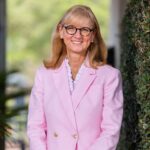
Across Amy McCarthy’s professional journey, her passion for innovation and entrepreneurial spirit have been driving forces behind her success. They have defined her career and are now shaping the future of Envista. As the newly appointed leader of Envista’s DSO initiative, she is spearheading a transformation designed to elevate how DSOs operate, scale, and deliver exceptional patient care.

Building a Foundation

Amy’s entrepreneurial journey began early. At 17 years old, she founded a mail courier service in Everett, Washington, which served over half of the local medical community. Her innovative service cut delivery times for medical records in half, streamlining workflows for countless healthcare providers.

“I was creating solutions that added value. I didn’t realize it then, but that experience taught me the importance of identifying pain points,” Amy shares. Over the next decade, she grew this business while pursuing a college degree, a career, and later an MBA. This hands-on experience laid the foundation for professional work in the pharmaceutical industry where she quickly made her mark. At 25 years old, Amy became one of the youngest district sales managers in the company’s history.

“I focused on understanding my customers’ goals and needs. By aligning my efforts with their objectives, I was able to build trust and long-lasting relationships. That approach has been a cornerstone of my leadership philosophy,” she explains.

But Amy’s career trajectory shifted when she chose to leave her high-pressure role to focus on raising her two young children.

“On my youngest child’s first birthday, I quit my role as Regional Sales Manager at Sanofi-Aventis Oncology. I was traveling constantly and felt like I wasn’t doing anything well — being a mom or a manager. No matter what adjustments I tried, I couldn’t find balance or happiness. It was one of the hardest decisions I’ve ever made. I loved my career, but I felt a lot of pressure—and pull—to be with my kids. My family always valued stay-at-home parenting, so I decided to give it a try,” Amy recalls.

Yet even during this work hiatus, Amy’s entrepreneurial drive could not be stopped. She soon launched a photography business, a passion project that allowed her to balance motherhood with work through a creative outlet.

“It filled my constant need to learn and improve. I built a custom website, grew a thriving client base, and enjoyed the flexibility. But after a few years, I found myself wanting more,” Amy reflects.

That desire led her to consulting, where she advised small businesses on strategic planning, operations, and marketing. Consulting ultimately connected her to Premier Periodontics, a Seattle-based DSO who brought Amy on to scale operations. Amy was pivotal to the organization’s success.

“I started as Director of Operations and moved into marketing, and eventually I became COO. During my time there, we expanded Premier to eight locations and helped launch Evident Alliance, a 25-location multi-specialty DSO,” Amy explains.

She credits much of her success to the trust her colleagues placed in her.

“They let me make decisions and run with them, which is how I work best. Dr. Will Fernyhough and Dr. Issa Dkeidek remain great friends to this day,” she adds.

Joining Envista

In 2021, Amy joined Envista, drawn by the opportunity to combine her expertise in innovation and healthcare.

“Envista’s portfolio is unmatched. I knew that it would be an opportunity to grow personally and offer endless opportunity to innovate and create value for customers,” Amy says.

Amy shared her vision for the future of Envista’s place with DSOs last spring with CEO Paul Keel. Paul saw the importance, shared Amy’s excitement for the opportunity and added DSO to the strategic planning process. As a result, extensive voice of customer interviews were completed, new resources allocated, and restructuring occurred to suit the needs of these very important customers. All focused on leveraging Envista’s vast customer-centric solutions and portfolio.”

The Secret Sauce

Envista’s success with DSOs boils down to three key elements: solutions, simplicity, and scale.

Envista’s portfolio includes best-in-class solutions, products and technologies across categories: diagnostics/imaging, implants, consumables, and ortho. What sets the company apart, however, is its ability to integrate these offerings into tailored solutions for DSOs.

“We’re not just selling products. We’re partnering with DSOs to help them operationalize and scale their businesses. This means creating training programs, offering fleet management tools, and collaborating on innovations that improve efficiency and patient care,” Amy explains.

Envista offers simplicity for DSO partners. The advantages of working with one manufacturing partner for multiple solutions / across multiple categories is enormous. Having a single point of contact, one contract, a partner who knows your goals and paint points and who is proactively working on your behalf to help you grow, across initiatives, is invaluable. The time savings and peace of mind are invaluable. Envista has the resources, expertise and experience to help our DSO partners and scale.

“Amy has a deep understanding of market dynamics, coupled with an innovative approach to partnership development. Her ability to identify new opportunities, negotiate mutually beneficial agreements, and align partnerships with the company’s broader objectives has directly resulted in significant achievements for Heartland. Her leadership has had a profound impact on DSOs,” adds Dr. Anna Singh, Senior Vice President of Clinical Operations at Heartland Dental.

Quote
I saw a chance to apply everything I’ve learned to an organization with incredible potential. Envista’s portfolio is unmatched, and I knew that by bringing everything together strategically, we could create a new kind of value for our customers.

A Vision for the Future

Amy envisions continued growth and innovation for Envista. A significant focus is on advanced training and education, with customized programs for partners like Heartland Dental and Smile Brands to help providers grow their implant practices.

“Envista has been a great partner to Smile Brands for many years and has evolved with our changing needs, always with long-term success in mind for our providers, their patients, and us as an organization. We look forward to continuing this journey together,” shares Steve Bilt, CEO of Smile Brands.

Fleet management technology is another area of focus. Envista’s suite of tools helps DSOs track and optimize equipment usage, improving efficiency and effectiveness. The DTX Studio Imaging Suite is also revolutionizing workflows by integrating diagnostics, imaging, and treatment planning into a seamless experience.

“It’s changing the way dental offices operate. The best part is, it’s an open platform that works with any existing technology, making DSOs more agile and effective,” Amy says.

For Amy, Envista’s success is about more than business — it’s about solving problems and growing relationships.

“I’m never satisfied with the status quo. There’s always room to grow, innovate, and improve. That’s what keeps me going,” she says.

Under Amy’s leadership, Envista is setting a new standard for partnership in the dental industry — offering DSOs not just the tools
to succeed but a vision for growth, innovation, and meaningful collaboration that drives long- term impact.

Gain ACCESS TO
INSPIRING
stories
Subscribe
Leadership

Architects of Growth

08/06/2025
|
23 min. to read

An Interview with Five Prominent CTOs Shaping What’s Next

Growth doesn’t happen by accident—it’s built. From the systems that power smarter operations to the tools that elevate patient and user experience, the CTOs featured in this issue are designing the frameworks that help their companies scale, adapt, and lead.

Whether inside a fast-growing DSO or at the helm of technology serving the industry, each leader brings a distinct perspective on how innovation actually happens—what to invest in, what to ignore, and how to stay focused when the noise gets loud.

Meet five visionary technology leaders who are reshaping what it means to be a CTO in the dental industry. Their responses are equal parts strategic and personal. You’ll find insight into long-term tech bets, practical approaches to productivity, and the mindset required to align complexity with clarity. And yes, even what keeps them up at night.

This is growth by design—and the executives behind it.

Carol Juel
Executive Vice President, Chief Technology and Operating Officer
Synchrony

What’s one technology decision you’ve made in the last year that will shape your company for the next five?
Our goal is to connect patients with financing options at the moments that make the biggest impact for them—and technology is an increasingly vital piece of that equation. We’ve been deeply embedded in the dental space for more than 35 years. During that time, we’ve prioritized partnerships that allow us to reach patients where they are with payment choices that fit their budget and lifestyle.

One way we’ve been doing this through the years is by partnering with independent software vendors (ISVs). Synchrony’s extensive partnerships with many of the leading healthcare ISVs make it possible for practices to seamlessly integrate customized technology into their existing systems. These partnerships ultimately allow us to extend financing offerings that boost treatment acceptance from patients, supporting dental providers by ensuring their patients can continue seeking care.

In your view, what role should the CTO play in shaping the user experience?
Customer experience is at the heart of everything we do. I have a unique role overseeing both our technology and operations organizations, including our contact center teams. Bringing these organizations together has enabled more transparency, closer collaboration, and a sharper focus on CX across channels—ensuring a positive and consistent experience, no matter how patients engage with us.

Of course, this extends to our providers as well. We recognize that handling healthcare payments can be complicated, even on a good day. Streamlining that process starts with making our solutions as seamless and easy to use as possible.

All to say—technology plays an essential role today in shaping the user experience, and it’s only becoming increasingly critical. I think CTOs who embrace this role and develop a real passion for the customer experience will be best positioned to influence and drive growth for their organizations.

What keeps you up at night— cybersecurity, interoperability, or something else entirely?
I truly believe we have the industry’s best talent. Our teams are experts in the sectors we serve and bring incredible passion for driving innovation and results for our partners. Especially within technology, I know there’s always competition to attract and retain high-performing employees. That’s why, as a company, we have prioritized creating an outstanding employee experience and culture for our Synchrony teams.

Our approach centers on employee listening. I travel to each of our team’s Synchrony hubs to hear directly from employees. Then we act on their feedback. This has led to quick tech fixes, process overhauls, new employee benefits, career development programs, and much more. Most importantly, it creates a culture of trust, where great talent can do great work.

What’s one piece of non-tech advice that made you a better technology leader?
The best advice I’ve received is to stay curious. Sometimes it can be hard to set egos aside and admit that you aren’t the expert in every discussion, which is why real curiosity takes courage. It means surrounding yourself with smart people with different life experiences and being unafraid to ask a question that exposes that you don’t have all the answers.

Whether you’re a new leader or a veteran member of the team—ask the questions. It shows you want to learn more and grow with your team. If you’re not having those conversations, you can’t learn, you can’t improve, and your business won’t advance.

What emerging tech trend is overhyped—and which one isn’t getting enough attention?
In many ways, I believe the generative AI discussion is both oversaturated and often misunderstood. Gen AI has incredible potential and will undoubtedly change the ways many of us work but can exist as a tool that supports human-centered work, rather than threatening it.

We view AI as a partner at Synchrony, not a replacement for human expertise. Gen AI can help get certain tasks done more efficiently, but a human must always be in the loop. We’ve introduced a variety of use cases across our business over the past two years, and they have one thing in common—they reduce friction in employees’ day-to-day work. In many cases, gen AI has reduced or removed tedious manual tasks, helping employees to focus on the more fulfilling and engaging parts of their jobs.

I believe this approach has also led to enthusiastic—and responsible—exploration of gen AI-powered tools at Synchrony.

What is a recent book or podcast that you recommend?
A good friend and long-time mentor recommended The Rose Code by Kate Quinn. It’s historical fiction that takes place during World War II, telling the story of three female “code breakers”—people who were charged with decoding and breaking German military codes. The three main characters all come from various walks of life and are brought together by their wit and the intense circumstances of their duties.

We know that so many women were involved in important projects like code breaking throughout history, but often their firsthand accounts are scattered or lost because women’s stories weren’t deemed important enough to tell at the time, let alone recorded or preserved for future generations. Although this book is fiction, it reminded me of the importance of shining a light on women’s stories and valuable contributions.

Dev Ashish
Chief Technology and Center Operations Officer
ClearChoice Management Services

What keeps you up at night—cybersecurity, interoperability, or something else entirely?
What keeps me up at night isn’t just one thing—it’s the pace of change and how we adapt while continuing to enable the business to grow securely and efficiently. Cybersecurity remains a constant concern, especially with healthcare data being a high-value target. But just as critical is interoperability. Even with intentional system design, ensuring seamless integration across clinical, operational, and financial platforms can be complex and resource-intensive.

I also think about how to evolve our technology function from a traditional support role into a true strategic partner by leveraging data, automation, and cutting-edge digital tools to improve patient care, enhance the provider experience, and drive operational efficiency. My goal is always to stay aligned with business objectives, anticipating needs and delivering scalable, sustainable solutions that help the organization thrive.

What’s one recent tech tool you personally can’t live without?
One tech tool I have personally incorporated into personal and professional life is generative AI. I use it regularly to accelerate research, draft communications, refine ideas, explore new ways to solve problems, and even create itineraries for family vacations. It has become a powerful thinking partner, helping me move faster without sacrificing depth.

Beyond personal productivity, we are actively exploring how AI can be responsibly leveraged across the organization. From automating routine documentation to enhancing data analysis and improving patient communication, the opportunities are vast. What excites me most is how AI can reduce the administrative burden for clinicians and enable more focus on patient care. We approach it thoughtfully, with a focus on transparency, safety, and alignment with our clinical and operational goals. AI is a strategic capability that has the potential to reshape how we work and serve patients.

How are you leveraging tech to improve clinician productivity without adding complexity to their workflow?
We focus on supporting clinician productivity by making technology feel almost invisible. Our approach starts with understanding where clinicians actually work—whether that is in the practice management system, the operatory, or on mobile tools. We design around those touchpoints to meet them where they are, rather than forcing them into new systems or steps.

One major area of focus is connecting across platforms to reduce redundant data entry. When systems can talk to each other, clinicians spend less time inputting the same information and more time focused on patient care. We also prioritize automation and real-time data access to support faster, more informed decision-making without adding clicks or complexity. Every solution is evaluated not just for functionality but for how seamlessly it fits into the daily workflow. Our goal is to remove friction, not add it—and that starts by listening closely to our users.

What’s been the biggest challenge in unifying data across multiple practices or platforms—and how are you addressing it?
The biggest challenge in unifying data across multiple practices is inconsistency. That can show up in processes, system usage, data capture, labeling, and interpretation at the local level.

Since we have grown through de novo, we have had the advantage of choosing our platforms from the start. However, even with that consistency, variations in workflows and user behavior can still lead to fragmented or incomplete data. To address this, we have made data governance a top priority. This includes establishing clear data standards, ownership, and validation processes to ensure accuracy and usability across the organization.

We are also investing in centralized integrations and APIs that allow for secure, real-time data flow between systems. More than just a technical task, unifying the data requires ongoing collaboration across marketing, clinical, operational, and technology teams to ensure that data supports both frontline needs and strategic decision-making.

What is a recent book or podcast that you recommend?
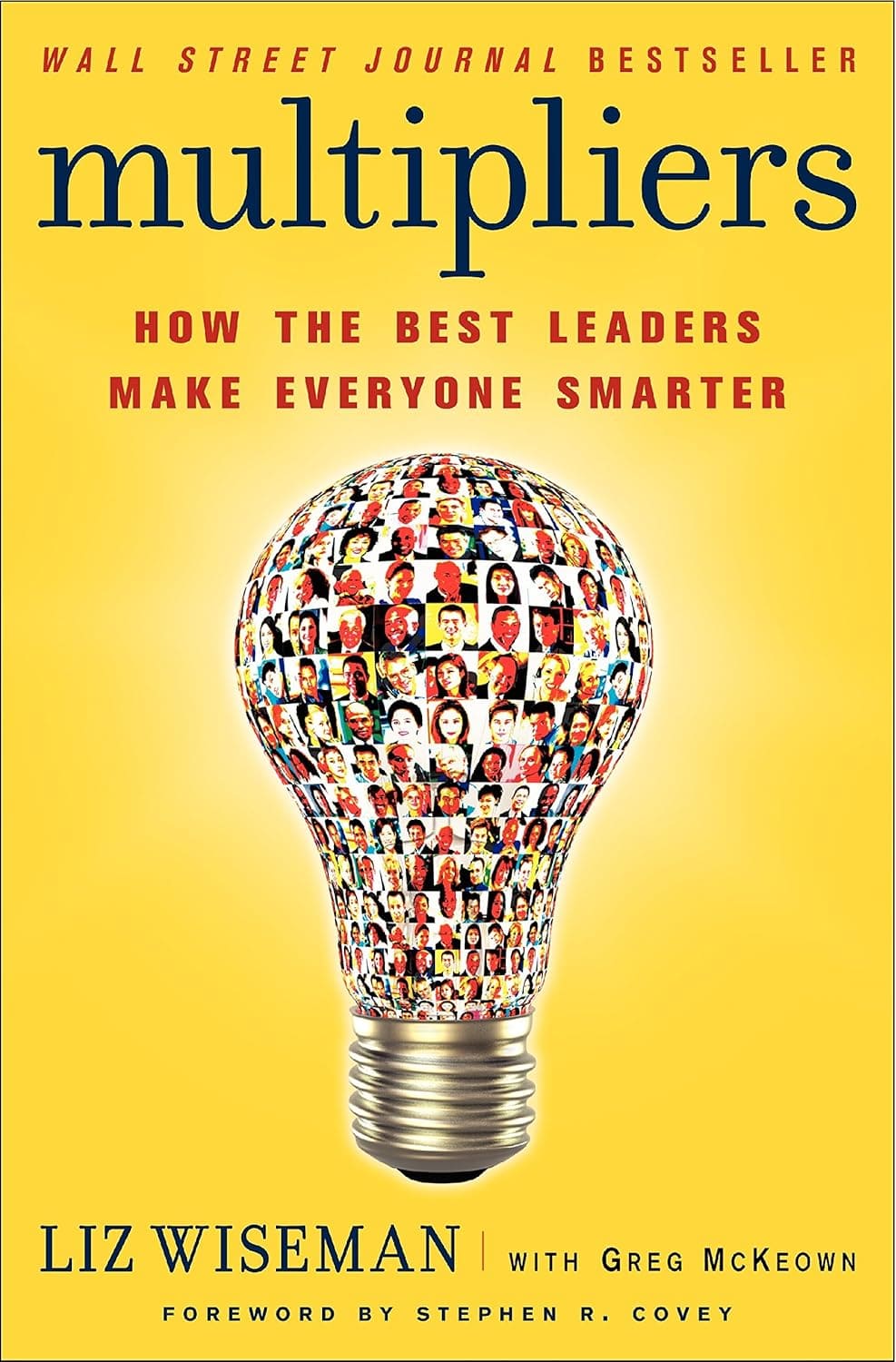
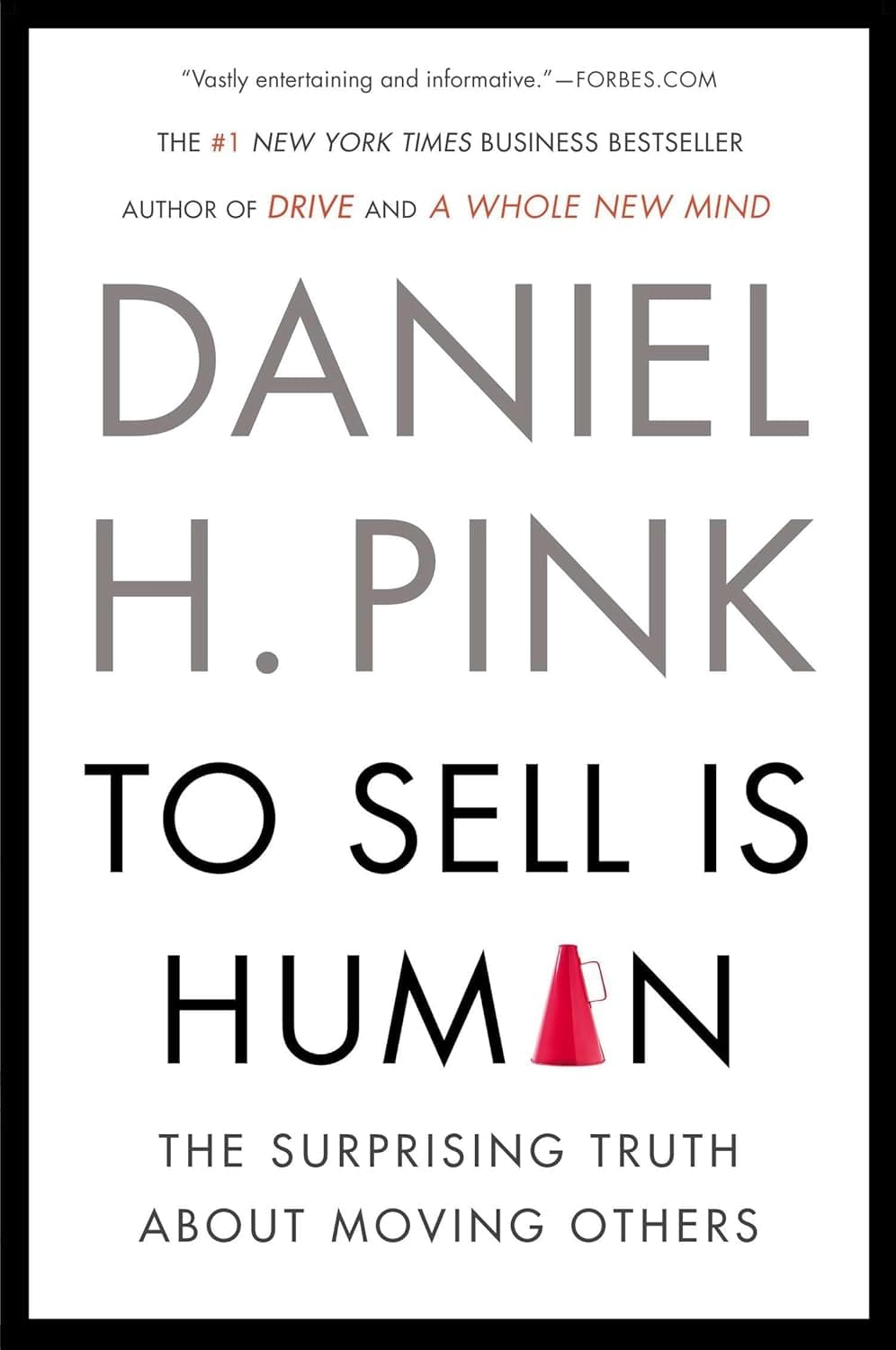
Two recent reads that I have enjoyed immensely and am working to incorporate into my leadership approach are Multipliers by Liz Wiseman and To Sell Is Human by Daniel Pink.

Multipliers reframed how I think about leadership. It emphasizes that the most effective leaders are not those with all the answers but those who create space for others to think, contribute, and grow. That insight has shaped how I build teams, run meetings, and approach problem-solving—always looking for ways to amplify the intelligence around me rather than directing from the top down.

Daniel Pink’s To Sell Is Human complements that idea by exploring how influence and persuasion show up in everyday leadership. Whether I am advocating for a technology investment or aligning stakeholders around a shared vision, the ability to move people with clarity and purpose is critical. Together, these books reinforce the human side of leadership—developing talent, building trust, and inspiring action.

Cindy Klein
Chief Administrative Officer
Affordable Dentures & Implants

What’s one technology decision you’ve made in the last year that will shape your company for the next five?
There have been significant advancements in AI for dentistry, and over the next five years, AI will transform the dental office and patient experience. The decision to focus on finding the right AI solution to support our clinical quality and patient experience programs will transform how we view clinical quality from reactive to proactive. AI-powered tools will enable us to personalize care and build better relationships with patients.

Being thoughtful in the approach to AI is critical to building confidence in the tools and creating a roadmap to a long-term solution that clinicians and patients can trust. By understanding the role of AI in enhancing human ability and making sure we use automation for efficiency, we can place focus on making human interactions more caring and empathetic.

In your view, what role should the CTO play in shaping patient experience?
In building a roadmap that elevates the patient experience, technology leaders are critical thought partners. Collaboration creates a shared vision for a comprehensive end-to-end patient journey that can be supported by automation and integration. The technology leader plays a pivotal role in aligning technology throughout the organization and must understand how technology can improve the patient experience and seamlessly integrate with other technologies and workflows.

A technology leader who understands processes and pain points in workflows and experiences will be better equipped to create technology that works for the patient and the practice. When technology is built and supported from an automation standpoint, the human element can be lost; the partnership between operations, clinical, and technology creates an open dialogue to build a patient experience that allows people, all along the journey, to be caring humans augmented by great technology.

What does your ideal “deep work” day look like, and how often does it happen?
My best deep workday includes a thinking walk. Walking allows me to clear my mind and focus. I shut off distractions and let my mind wander and explore ideas or creative solutions that I may not see when I am in hectic workday mode. The rhythm of walking can help calm my busy brain and bring clarity of thought. Stepping away into a new environment helps me see things from a different perspective.

I am at my best and most creative self when I have a thinking walk daily, which only happens when I make it a priority and put it on my schedule. My focus is on taking a walk to think, not counting steps. I count my thinking walks as a vital leadership skill to continuously keep me balanced.

What’s been the biggest challenge in unifying data across multiple practices or platforms—and how are you addressing it?
While we have a data warehouse that helps us bridge the gap between disparate systems, changes made within those systems can be a challenge. Governance and change control are critical to ensure data is mapped and maintained for consistency across systems.

Limiting security access to make system changes helps support the change control process, but system owners need to attend governance and change control meetings, where the impacts of decisions are discussed, understood, and then communicated. Master data management used consistently across systems and departments is a good foundation and an important part of the governance and change control process.

What is a recent book or podcast that you recommend?
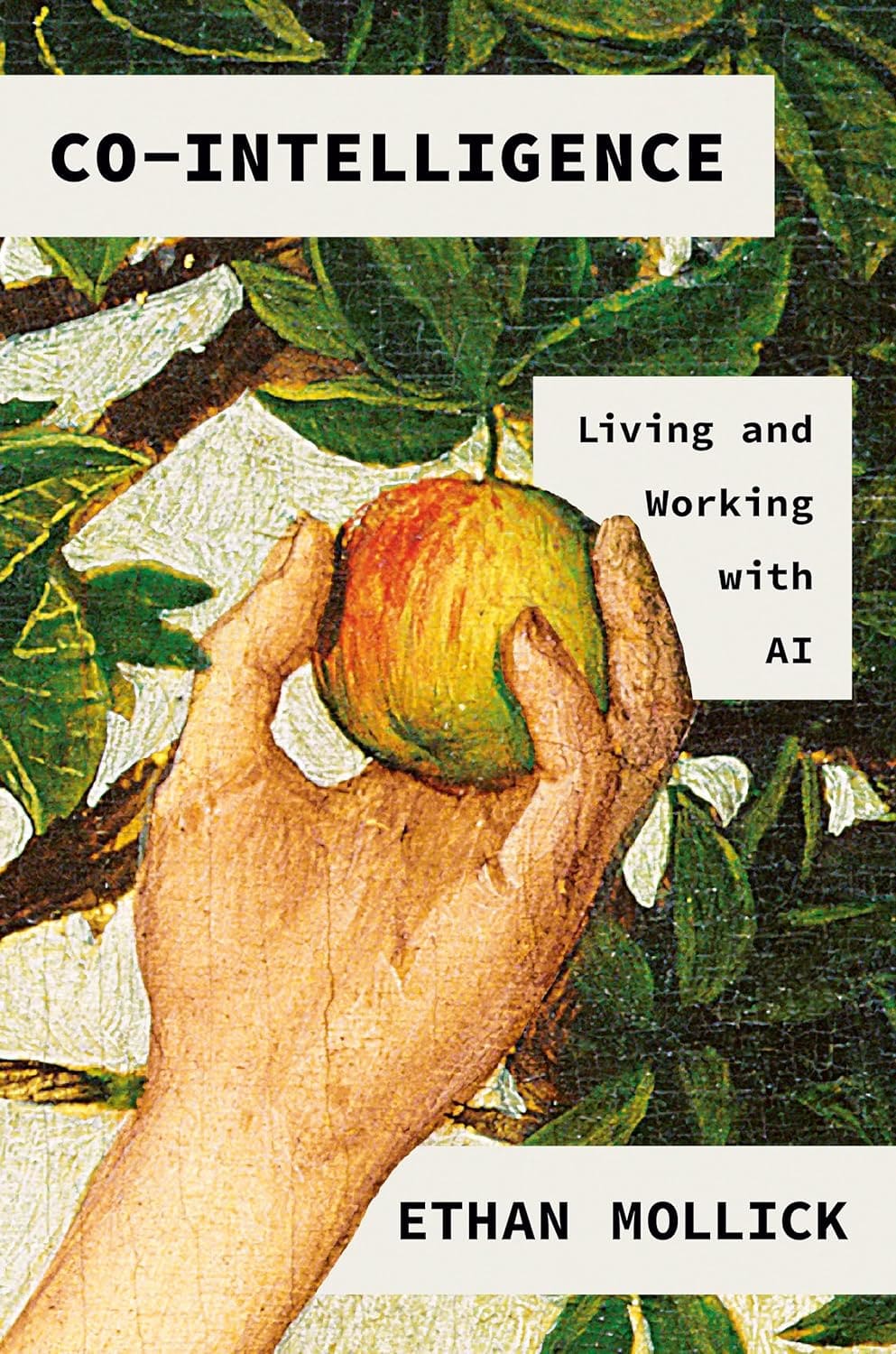
Co-Intelligence: Living and Working with AI by Ethan Mollick is a good book for anyone who wants a basic, not-so-technical understanding of AI. The book offers some sensible advice on interacting with AI. The title says this so well: AI isn’t human, but collaboratively working together. AI can make us better humans. It reminds you to be the human in the loop and keep human control over AI applications.

The book stresses the importance of not losing our critical thinking and problem-solving skills but learning to partner with AI to enhance human potential. The most critical human in the AI loop is the person who reviews, judges, and analyzes the data AI provides. We are all curious, excited, and a bit wary of AI, so it was nice to find a book that offers some advice on being more prepared for the massive changes ahead in a rapidly changing field.

What do you prioritize or make time for that replenishes you?
I love the water—just being near water replenishes my joy well. Knowing my paddleboard is in my car, waiting to hit the water after a long day, keeps a smile on my face. I started cold-water swimming and have learned to love that moment when you have to make the decision to just jump in—and once you get past the initial shock, you are refreshed and exhilarated. When facing a difficult decision or task, I think of that moment when I jump in, and I’m reminded to stop overthinking and take the leap.

Jeff Forbes
Chief Technology Officer
Dentalcorp

In your view, what role should the CTO play in shaping patient experience?
There is a reason some organizations choose to have a C-level IT leader, and that choice comes down to an awareness that technology is at the center of how every business is evolving. In terms of patient experience, we’ve seen a huge transformation over the past few years, whether it be the shiny new AI radiography solutions, patient engagement tools like MaxAssist, digital scanning technology, or AI agents answering phone calls.

The role of the CTO is to be a partner to help vet these solutions out, understand who the pretenders are and only implement the real deal, and use the experience technologists have around systems implementations. This ensures we get the change management right for the clinic so that they’re ready to adopt these solutions properly and provide a frictionless experience to the patient.

What keeps you up at night—cybersecurity, interoperability, or something else entirely?
Anybody who has cybersecurity as a mandate will always be kept up by it, no matter how well prepared. While we’ve done a lot of great work to strengthen the resilience of our network and our clinics, risk is always present. Dentistry is a highly attacked industry and we’re seeing further tailoring of attacks towards our dental clinics like phishing emails masked as patient referrals, and therefore preparing our administrative teams on phishing and usage of MFA have been critical. These are fairly new measures in our industry, but they’re foundational and critical to adopt. I encourage anyone outside of our network to also make these important investments in training and cybersecurity as this is an area where we’re better off as an entire industry when everyone is secure to ensure dentistry isn’t perceived as a soft target.

What’s one piece of non-tech advice that made you a better technology leader?
Leading with empathy and being and having a servant-based leadership philosophy. This generally surprises a lot of people, as the stereotype of a tech executive is that we’re very input and output focused and don’t focus on the human side. Given that technology wears multiple hats (not only implementing new technology but supporting current technology), managing risk and security can lead to teams being overwhelmed and burnt out. Unless you’re equipped to support your team as people, you’re not going to be successful in creating an environment where you can balance all these demands and keep your head above water and your teams engaged.

What’s one technology decision you’ve made in the last year that will shape your company for the next five?
The biggest technology decision in the past year was landing on VideaHealth as our partner for AI radiography. Given this technology has been around dentistry for the past few years, the first part of this critical decision is knowing when the right time was to fully commit. We were intentional in having early pilots across all the major vendors and watching the technology closely, and we felt this was the right time. These solutions have evolved to a place where while they’re not accurate enough to replace a clinician’s judgment, they’re additive to the clinical and patient experience where prior iterations were far too “noisy” with false positives to be effective.

The second part of this critical decision was picking the right partner, balancing clinical feedback with the ability to execute a rollout at scale, along with commercial considerations. We also wanted to bet on a partner we felt would be around for the long haul. As we’re now well into our rollout of VideaHealth’s clinical AI solution, I can see how this will shape our patient experience and standard of care for years to come, and our dentists and teams really like the solution.

How are you leveraging tech to improve clinician productivity without adding complexity to their workflow?
It’s more about the workflow and how a clinic adopts technology rather than the technology itself. If we take VideaHealth’s clinical AI solution for radiography as an example, one of our best doctors who uses it freely admits that when he first implemented the technology, it slowed him down.

What changed after a few weeks was he thought about the workflow—as an example, ensuring his staff already has the application open in the operatory when he comes in. He also changed over time viewing the annotated view before the unannotated view so that he still used his own clinical judgment for the final say but understood where the AI was drawing his attention first to evaluate those findings before doing a final check of everything else in the field of view.

Very few technologies will improve clinician or staff productivity on their own. It’s about how these technologies are implemented and adopted that will ultimately lead to the right outcomes.

How do you prioritize tech investments across clinical, operational, and patient-facing initiatives?
I’m very thankful that given the size of Dentalcorp, if it’s the right investment to make, and if it will drive the right outcome, the capital will be there. This is an advantage we have that may not be true of many smaller DSOs or independent operators.

The other side of that coin is when you do want to invest and implement something, you have more than 570+ clinics to roll out, which requires significant planning and effort. We’re very intentional with our prioritization; we don’t chase shiny objects or the latest features. We look at what is foundational (like PMS consolidation, cybersecurity, and data) and how we can execute on those foundational things across a large network to then act as a springboard for flashier investments that we’ll be able to implement more broadly because the foundation is there to integrate with.

These foundational pieces are sometimes multiyear strategies that require very intentional planning and investment but are absolutely necessary for the long-term success and scalability of our network.

What is a recent book or podcast that you recommend?
I am going to shamelessly plug for our very own Dentalcorp podcast DNTL Talk hosted by our Chief Dental Officer Dr. Gary Glassman. We have two episodes on AI in dentistry I highly recommend, and there is a lot of other great content there too.

Navin Narayanan
Chief Technology Officer
DentalXChange

What’s one technology decision you’ve made in the last year that will shape your company for the next five?
Over the last two years we have built and deployed API infrastructure that enables DSOs and Practice Management Software to create intelligent workflows within their applications. This shifts old-school clearinghouse models that were slow and had no real-time feedback within the workflow for the user. We now leverage this stack to provide intelligence for patient eligibility and payment reconciliation in detail that was never available to dental practices.

How do you balance the need to push forward while aligning legacy systems and workflows?
With over 20 years of experience, DentalXChange has cultivated its knowledge of Practice Management Software and transaction data to develop solutions that help bridge gaps in legacy workflows. This knowledge helped us understand the variances that exist within these systems, enabling us to build an API infrastructure that normalizes these variances. We are now actively working with every Practice Management Software in dental to utilize our API stack to upgrade these workflows.

What keeps you up at night— cybersecurity, interoperability, or something else entirely?
While cybersecurity is number one, the next most important problem is automating treatment planning to payer payment life cycle within the dental office. We have created purpose-built solutions, like Eligibility AI, to provide data that helps dental offices get accurate pricing for patients at the time of service, creating a more efficient RCM life cycle from claims to payments. We are now working on a similar solution to reconcile payments from insurance companies through automation. I am always thinking about ways to innovate and modernize these actions into the user workflow within the Practice Management Software so the front office can focus on patient care.

In your view, what role should the CTO play in shaping user experience?
While UX is typically seen as the domain of design and product, the reality is that technology defines the boundaries of what is possible. I see it as my responsibility to ensure our tech strategy enables exceptional user experiences. That means collaborating closely with design and product early in the process, making intentional trade-offs and advocating for things like real-time responsiveness. It’s not about dictating UI decisions, but about creating the conditions where great UX can thrive—through scalable platforms, clean APIs, fast feedback loops, and a culture that values user empathy.

What’s one piece of non-tech advice that made you a better technology leader?
When approaching a solution to a problem, we always go in with the “How can I solve this problem?” mindset. Early in my career, I was quick to jump in with solutions, especially in technical conversations. “Listen to the room with the approach that every person in the room is smarter than you” and “Listen to what’s not being said”. These two pieces of advice have reshaped the way I work and lead my team.

What does your ideal “deep work” day look like and how often does it happen?
An ideal deep workday starts early, before the noise kicks in. I like to start two to three hours before my first meeting for the day for uninterrupted work. That time is for strategic thinking, architecture design, digging deep into a complex problem that needs clarity. Realistically, deep workdays happen once, maybe twice a week—and only if I guard the time fiercely. It’s not about volume, it’s about protecting quality thinking time, because that’s where the best decisions are made.

What’s one recent tech tool you personally can’t live without?
My reMarkable tablet has become nonnegotiable for me. It’s where I think. I use it for deep notes during meetings, sketching out architectural designs, and clearing my head when I need to step back from the screen. What I love most is that it’s distraction-free, with no notifications, no browser tabs, just focused thoughts.

What is a recent book, or podcast that you recommend? And Why?
On the podcast front, I’d suggest Acquired. They do deep dives into iconic companies and technologies that are rich with business insight and strategic thinking.


Gain ACCESS TO
INSPIRING
stories
Subscribe
Leadership

The Ripple Effect

03/06/2025
|
6 min. to read

Dr. Michael A. Pikos did not set out to change lives or even to be an oral surgeon. Yet, driven by an innate desire to make a difference, his journey has grown into an enduring legacy that spans decades, geographies, and generations of dental professionals.

To fully appreciate today’s impact, let’s rewind to 1990 when Dr. Pikos was a practicing Oral Maxillofacial Surgeon who welcomed eight clinicians into the second floor of his practice in Palm Harbor, Florida. Armed with two projectors and a passion to share his knowledge, Dr. Pikos began teaching others the intricacies of bone grafting and implant dentistry.

Over three decades later, what is now known as the Pikos Institute has grown into a hub for dental professionals worldwide focusing on surgical implant and cosmetic dentistry CE courses, with attendees from all 50 states and over 65 countries. At the heart of his story is the remarkable success of the Pikos Institute and the lives he has transformed along the way.

“Honesty and integrity have been my guiding values,” Dr. Pikos shares. “I’ve always believed in showing the good, the bad, and the ugly. I share complications as openly as successes. That transparency builds trust and credibility.”

Over the years, Dr. Pikos has fostered relationships that embody such qualities. He has also mentored more than a hundred promising dentists and has taught more than 6,500 students through the Pikos Institute.

One connection in particular stands out: Dr. Jennifer Doobrow, a nationally recognized periodontist and educator.

Many years ago, Dr. Pikos and Dr. Doobrow met unassumingly at a quaint BioHorizons dinner. Dr. Doobrow, a young periodontist, was placed across the table from Dr. Pikos, a recognized leader in the field with a stellar clinical reputation that she had admired from afar. They connected immediately. For Dr. Pikos, it was Dr. Doobrow’s enthusiasm and passion; for Dr. Doobrow, it was Dr. Pikos’s kindness and curiosity.

Dr. Doobrow’s father, a practicing periodontist and her biggest cheerleader, passed away suddenly during her surgical residency. So, when she met Dr. Pikos, she was still grappling with the unimaginable loss of her father — her role model and trusted mentor.

“I was thrust into managing two periodontal practices while finishing my residency. It was like being thrown into the deep end without knowing how to swim,” Dr. Doobrow recalls.

The two remained in touch, and Dr. Pikos soon became a mentor to Dr. Doobrow. Dr. Pikos’ support helped fill an irreplaceable void left by her father, offering not just practical advice on how to run a practice, but the emotional support needed to navigate the weight of the responsibility.

“When my dad passed, there were so many people who lifted me up. But Dr. Pikos — he carried me,” she shares.

Dr. Pikos’ ability to see not only Dr. Doobrow’s potential but also the struggles she faced made his mentorship so transformative.

“I saw resilience and a deep well of strength in Jennifer. She faced challenges that would break most people, yet she emerged with grace and determination. She reminded me of why I started teaching in the first place,” Dr. Pikos shares.

“The first thing he told me was, ‘Family always comes first.’ That advice shaped how I approach everything — from balancing my roles as a mom and a clinician to how I lead and teach others today,” Dr. Doobrow adds.

Today, Dr. Doobrow carries forward the values instilled in her by both her late father and Dr. Pikos. She has continued her father’s legacy by running his practice while creating her own.

In addition to her practice and to teaching, Dr. Doobrow is also a leader. As the Immediate Past President of the Southern Academy of Periodontology, she is now President-Elect of the Alabama Dental Assocation. She also serves on the Board of Trustees for the American Academy of Periodontology and chairs BioHorizons’ “WISE” initiative (Women in Implantology Supporting and Empowering).

Her commitment to excellence in each of these roles reflects a deep connection she feels to her roots and the responsibility she carries to inspire others in her profession.

“There isn’t a week that goes by where I don’t see a patient my dad treated. It’s a reminder of the impact we can have — not just in our patients’ lives but in our communities,” she says.

One of the qualities Dr. Pikos admires most about Dr. Doobrow is her ability to connect with others.

“She has this incredible ability to lead with authenticity and compassion. That’s invaluable in our field,” Dr. Pikos adds.

For Dr. Doobrow, these qualities are rooted in gratitude.

“When my dad passed, I told everyone who offered to help that I was a sponge. I soaked up everything. I’ve been carried on the shoulders of giants. Now, I try to pay that forward by extending it to others — offering guidance, mentorship, and support,” Dr. Doobrow shares.

The Pikos Institute itself has evolved to reflect these values. What began as a modest gathering of doctors in a small practice and has grown into an internationally recognized premier provider for oral surgery and implantology focused continuing education institution. Dr. Pikos emphasizes that clinicians are trained in implant surgical technical skills and guided in how to think critically and navigate complex cases confidently. With a strong focus on mentorship, it’s become a unique hub for professional development.

“We demystify implant dentistry. It’s not just about techniques — it’s about fostering a deeper understanding and creating a culture of excellence,” Dr. Pikos shares.

Along with the growth of the Pikos Institute, Dr. Doobrow’s role has also grown. From her early days as one of its first faculty members to her current position as a key leader, she has worked tirelessly to uphold and expand Dr. Pikos’ vision. Her contributions have helped the institute remain at the forefront of dental implant education, particularly in its efforts to elevate women in the field.

“Dr. Pikos has always believed in celebrating everyone. He’s created a space where professionals from all backgrounds feel welcomed and empowered to learn and grow,” Jennifer remarks.

Both Dr. Pikos and Dr. Doobrow agree that the true measure of success lies in their impact on others.

“When you teach one clinician, you’re impacting thousands of patients. As I reflect on the legacy I hope to create, the real reward is knowing that what we’re building here will outlast us,” shares Dr. Pikos.

Dr. Doobrow echoes this sentiment, adding her own perspective shaped by her personal life and professional achievements.

“My dad’s legacy lives on through the patients he treated and through me. And now, through my own work as a clinician, educator, and leader, I am creating my own legacy. At the end of the day, it’s about more than just dentistry — it’s about relationships, resilience, and the courage to keep learning and growing.”

Gain ACCESS TO
INSPIRING
stories
Subscribe
Leadership

Lessons in Leadership

10/17/2024
|
1 min. to read

Learn from the Women in DSO® members shaping the future of dentistry and DSOs. Their insights, tools, and secrets to success are yours to discover in Lessons in Leadership. Gain an intimate glimpse into the diverse world of leaders who illuminate the path forward with both inspiration and practical guidance.

Gain ACCESS TO
INSPIRING
stories
Subscribe
Leadership

The Next Big Thing

03/06/2025
|
15 min. to read

Insights from CEOs on How to Stay Ahead

Staying ahead of the curve is essential for unlocking growth and seizing new opportunities in the dental industry. The LEAD sat down with six visionary CEOs who are shaping their organizations and the future of dentistry. We explore what’s next from their unique perspectives, learn how they remain at the forefront of change, and gain practical tips that can be applied right away.

Dr. Sulman Ahmed of DECA Dental Group, Pete Bridgman of Affordable Care, Sarah Chavarria of Delta Dental Insurance Company, Bob Fontana of The Aspen Group, Chris King of Henry Schein One, and Dr. Saam Zarrabi of Rodeo Dental share their strategies for leveraging AI, integrating innovative technologies, and fostering a culture of continuous learning that drives growth and improves patient outcomes.

Read on to learn from these leading CEOs.

Meet Bob Fontana
The Aspen Group

Bob Fontana is the founder and CEO of Aspen Dental and Chairman of TAG – The Aspen Group, which supports over 1,450 health and wellness offices across dental care, urgent care, medical aesthetics, and veterinary medicine. Since founding Aspen Dental in 1998, Bob has been a pioneer in creating a patient-centered operating model that improves access, choice, and value in healthcare. His leadership has made TAG one of the largest and fastest-growing healthcare support organizations in the United States. Bob is a founding member of the Association of Dental Support Organizations and has over 25 years of healthcare leadership experience. Bob currently serves on the boards of both SimonMed and Hopscotch Primary Care, and previously served on the boards of the National Veterinary Association and MedExpress Urgent Care.

How are you integrating new technology into your operations?
“We’re always trying to find ways to leverage technology to better support offices and doctors, and it really does come down to our ability to use data, information, and insights to make things better for patients and providers. We’re constantly asking ourselves how we can use that data to make the in-office experience better, from developing a smarter approach to scheduling that enables those patients with the greatest need to be seen soonest to creating the right digital workflows to make the experience in the practice as efficient as possible for the providers and teams we support. Post-visit, we’re continuing to get better and better at personalizing the communication to patients to ensure that they are receiving the right message in the right channel at the right time as they go through the dental care journey, from the initial procedure through the healing process and all the way through treatment completion. We’ve made big investments in digital technology over the past few years, and by using data from across our network of nearly 1,500 offices across the entire TAG enterprise, we can make smart decisions that no one else can, giving us a unique edge in providing exceptional support to our teams.”

In your opinion, what skills will be most crucial for your employees in the next 2-5 years?
“The first thing is patient centricity and truly putting the patient at the heart of everything we do. It’s about more than just good clinical outcomes—it’s also understanding patient needs, preferences, and concerns and making sure our decisions reflect that understanding. Whether it’s how we communicate, the services we offer, or the way we design our processes, being truly patient-focused will set us apart and build stronger, more trusting relationships with those we serve. To do that, we need to have a culture of continuous learning, where everyone from the dentist to the lab technician wants to grow, develop, and flex their skills. And while it’s not a ‘traditional’ skill, I think we also need to keep that founder’s mentality front and center. Things like having an owner’s mindset and being obsessed with what’s happening on the frontlines never go out of style. These traits, combined with the new skills we’re focusing on, will set us all up for success as we move forward together.”

What is the biggest blind spot in dentistry right now?
“I think that one of the biggest blind spots in dentistry is the M&A model. A lot of companies came in as consolidators for a quick financial win. But they weren’t true operators, and so now that the financial environment has changed, they’re under a ton of pressure because you can’t sustain those strong results without a clear understanding of why you exist or how you’re creating value. It’s not enough to bring together these disparate practices — you need that strong, shared foundation and a mission that drives the business forward. So, as the industry evolves, it’s going to be interesting to see where all of that shakes out. And I think another issue is the rising cost of education for new dentists. It’s becoming almost untenable, and it’s really impacting the choices graduates have. Dentists are coming out of school with so much debt that they have to make hard decisions just to service that debt and still earn a good income. The cost of a good education can’t keep outpacing the ability to provide care forever. We need to address this before it becomes a bigger problem that affects access to care and the future of the profession.”

What’s a book, article, or podcast that has recently influenced your thinking about innovation and leadership?

The Founder’s Mentality
Recommended by Bob Fontana
Meet Sarah Chavarria
Delta Dental Insurance Company

Sarah Chavarria is the Chief Executive Officer and President of Delta Dental Insurance Company, serving over 31 million customers across 15 states, Washington, D.C., Puerto Rico, and other U.S. territories. Appointed CEO in early 2024, Sarah is leading Delta Dental’s transformation from a dental insurance provider to a leader in oral healthcare. Her strategic focus includes addressing the senior oral health crisis, strengthening partnerships with providers, and driving innovation across the company. Sarah has received numerous accolades, including being named among the 100 Most Influential Women in Business by the San Francisco Business Times and Women Worth Watching in Leadership by Profiles in Diversity Journal.

Talk about the future… what’s around the corner?
“Our leadership team’s priority is to strengthen and future-proof our foundational technology and create efficiencies to enhance the patient-provider experience. For example, a responsible approach to AI can significantly improve experiences for both patients and providers by enhancing diagnostic accuracy while offloading excessive administrative burdens on physicians. This allows providers
more time to focus on patient care.”

What practical tips do you have on fostering innovation and adaptability?
“There is healthy disruption happening in our industry around how we think about healthcare access and patient wellness. Innovation begins with a strong company culture. Traditional legacy companies like Delta Dental have an imminent opportunity to expand upon what they’ve already done successfully for a long time. Our ongoing transformation requires a clear vision and alignment across leadership to create a strong roadmap for the future and ensure that we not only bring our employees along but invest in them and get them excited about the future.”

What excites you the most when you think about the next three years?
“I’m excited for what’s ahead for our organization because we’re well on our way to transforming into a modern healthcare company. With a focus on innovation, we are leveraging technology and partnerships to create a solid foundation that expands access to quality oral healthcare for all. An estimated 27 million patients see their dentist twice a year but forgo visiting other primary care physicians.
One of our primary goals is to reframe those two dental appointments as preventative health care touchpoints that could point to other systemic health issues, like cardiovascular disease or diabetes.”

Meet Dr. Sulman Ahmed
DECA Dental Group

Dr. Sulman Ahmed is the Founder, Chairman, and CEO of DECA Dental Group, the parent company of Ideal Dental. Since opening his first office in 2008, Dr. Ahmed has grown DECA to nearly 200 locations across nine states, serving 3,000 patients daily. Known for his patient-centered approach, he has led DECA to become one of the industry’s fastest-growing and most respected organizations, earning numerous accolades. He earned his Doctor of Dental Medicine degree from the Tufts University School of Dental Medicine, where he now serves as the Chair of the Board of Advisors as of 2024. He also serves as President of the Association of Dental Support Organizations (ADSO), the premier association for businesses in the dental industry.

As a CEO, what’s your priority?
“As a clinician-founded and led organization, we are uniquely positioned to understand and meet the intricate needs of our patients, bridging the gap between clinical excellence and compassionate service. My focus is on fostering a culture that shapes both our strategy and our commitment to innovation, empathy, and professional growth. This empowers our team members to thrive and drives our continued expansion. By aligning our culture and strategy, we ensure we maintain the high standards that distinguish us while scaling our impact across a growing network of offices.”

In your opinion, what skills will be most crucial for your employees in the next 2-5 years?
“In the next few years, the most crucial skills for our employees will be the ability to connect with patients on a personal level while becoming proficient with advancements in technology like artificial intelligence (AI). As we integrate AI and other technologies into our practice, our team members must understand how to use them effectively. Equally important are empathy and strong communication skills, enabling our staff to educate patients about the broader implications of their dental health and its impact on overall wellness. This combination of compassion, expertise, and technological proficiency will set us apart as a leader in the industry.”

What excites you the most when you think about the next three years?
“I believe that practices from the retail industry, particularly around customer experience, could be transformative for dentistry. At DECA, our foundation is built upon retail healthcare models, drawing inspiration from giants like CVS and Starbucks. Much like CVS has become a trusted, comprehensive destination for health essentials in convenient, retail-centric locations, we aim to offer a similar experience in dentistry—providing convenience, comfort, and personalized care, all under one roof. By adopting a more holistic approach, where dental care is seen as a crucial component of overall health management, we ensure our patients receive comprehensive, reliable, and effective care with the same level of accessibility they expect from leading retail brands.”

What’s a book, article, or podcast that has recently influenced your thinking about innovation and leadership?

Make Them Smile
Recommended by Dr. Sulman Ahmed
Meet Christine King
Henry Schein One

Christine “Chris” King is the world’s first female CEO of a semiconductor company, AMI Semiconductor. She spent 25+ years at IBM, eventually becoming the VP of Semiconductor Solutions. Her other roles include President and CEO of Standard Microsystems, Executive Chairman of QLogic Corporation, and she is currently CEO of Henry Schein One and Board of Directors Member of Skyworks. Outside of the world of technology, Chris has tackled the worlds of dairy farming and the equestrian sport of cow cutting with equal vigor. Never one to go into something halfheartedly, Chris has achieved championship status in both dairy cow showmanship and cow-cutting competitions. She resides in Scottsdale, Arizona.

Talk about the future… what’s around the corner?
“The exciting thing about the future is making it as easy as possible for dental offices to use technology so they can seamlessly adapt to the newest innovations and improve their office operations and workflows, letting them focus on their patients.”

What practical tips do you have on fostering innovation and adaptability?
“Don’t be afraid of change. Consider how everything can be applied to make our customers’ lives easier.”

Are there any innovations or practices from other industries that you think could be transformative for dentistry?
“AI is certainly one, but the second one is the use of data — how we can use the data in multiple dimensions, from understanding what makes a practice successful through metrics and analytics. And using data to understand what our patients need or want and how to serve them better. I think that other industries have utilized data better than we have in dentistry.

We also have to think about this ease-of-use concept. We know how easy it is, for example, to use our phones or order on Amazon. We haven’t made that leap in dentistry.”

What’s a book, article, or podcast that has recently influenced your thinking about innovation and leadership?

Elon Musk
Recommended by Chris King
Meet Pete Bridgman
Affordable Care

Pete Bridgman is the Chief Executive Officer of Affordable Care, the largest Dental Support Organization (DSO) in the U.S. focused exclusively on tooth replacement services. With nearly 440 clinics in 43 states, primarily branded as Affordable Dentures & Implants, the organization supports over 600 doctors in providing affordable, high-quality care. Pete, who took on the CEO role in 2024, brings extensive experience in consumer healthcare and retail. He previously served as CEO of Visionworks, Chief Network Officer at VSP Vision, and President of Pearle Vision and LensCrafters, both under EssilorLuxottica. His leadership continues to shape Affordable Care’s growth and impact on accessible dental services.

What emerging trend or technology will have the most significant impact on dentistry in the next 2-5 years?
“AI is the next enabler to transformation through people, process, and technology. Across healthcare, I really like how AI is starting to drive evidence-based medicine guidelines that can co-pilot clinicians to ensure the best outcomes and reinforce clinician confidence as medicine is always evolving. Dental, like medical, is a lifetime experience, and AI will enable levels of personalization like nothing we have ever seen before. I am excited about the possibilities, and the focus and discipline it will take to harness this powerful tool to impact the patient experience.”

What is the biggest blind spot in dentistry right now?
“I see a lot of roll-up strategies happening across the dental industry, which is something that I have experienced while leading Pearle Vision, LensCrafters and Visionworks, large consumer retail companies for eye care. Where I am sitting now in dental, I see a tremendous opportunity to really dial our Affordable Dentures & Implants brand into revolutionizing the patient experience through a consistent focus on excellence. I think what many eye care companies have gotten right, from the in-store experience to digital innovation across the patient journey, dentistry is ripe for, through a relentless focus on patient experience.”

What excites you the most when you think about the next three years?
“Significantly improving and obsessing on affordability and lifetime care for our patients, beyond what has been developed over the years. Affordable is in our name and we will obsess on being patient advocates who push to always live up to that. I am also excited about developing standard experiences that are rooted in quality and lifetime support for patients who are brave enough to seek us out for help; patients are in a vulnerable state with tooth loss, and they place their trust in Affordable Dentures & Implants clinicians and we have to maintain and continue to grow that trust. We are also innovating the prosthetics delivered in our affiliated clinics – improving quality, cost and service while modernizing the manufacturing experience for doctors and staff. All very exciting for our future.” – Pete Bridgman, Affordable Care

What’s a book, article, or podcast that has recently influenced your thinking about innovation and leadership?

The Speed of Trust
Recommended by Pete Bridgman
Meet Dr. Saam Zarrabi
Rodeo Dental
Dr. Saam Zarrabi, known as Dr. Z, is the co-founder and CEO of Rodeo Dental & Orthodontics, a B Corp-certified dental group with 45 offices across Texas, Colorado, and Arizona. A visionary leader, Dr. Zarrabi has driven Rodeo Dental’s growth by focusing on community-centered care and high-quality service. Under his leadership, Rodeo Dental has earned numerous accolades, solidifying its place as an industry leader. His leadership philosophy is rooted in empathy, integrity, and collaboration, driving Rodeo Dental’s mission to create healthy, confident smiles while making a lasting impact on the communities it serves.

As a CEO, what’s your priority?
“My job is to set the vision and help support our leadership teams and doctors to best support and put our people in the best position to deliver the highest quality care while ensuring we meet our strategic goals and growth targets.”

How are you integrating new technology into your operations?
“We are integrating advanced patient communication and scheduling tools, enhancing patient experiences both in the lobby and in the chair, utilizing AI-driven diagnostic tools and advanced treatment planning software, and improving back-end integration around revenue cycle management. Staying ahead with the newest clinical advancements ensures our providers can focus on delivering the highest quality care.”

What emerging trend or technology will have the most significant impact on dentistry in the next 2-5 years?
“AI and machine learning will have a profound impact on dentistry, particularly in diagnostics, treatment planning, and revenue cycle management. Additionally, advancements in teledentistry will expand access to care, especially in underserved areas.”

What’s a book, article, or podcast that has recently influenced your thinking about innovation and leadership?

The Lean Startup
Recommended by Dr. Saam Zarrabi
Gain ACCESS TO
INSPIRING
stories
Subscribe
Leadership

Transforming Lives

10/17/2024
|
9 min. to read

My Journey to Leading the ADA

BY DR. BRETT KESSLER,
PRESIDENT OF AMERICAN DENTAL ASSOCIATION

In October 2024, when I begin my term as the president of the American Dental Association (ADA), I’ll carry with me the goal of making sure that every dentist — no matter where they are in their career or how they serve our profession — feels supported and valued. I want to foster a sense of community where we look out for each other and where the well-being of dental professionals is prioritized. The idea of fostering a welcoming, supportive community of dentists who are their healthiest selves is informed by my own personal journey. In 1998, as a third-year dentist, I found myself at rock bottom. Struggling with addiction, I felt my life spinning wildly out of control, despite appearing that I had it all together. A desperate call to the Michigan Dental Association’s wellness program ultimately saved my life. That call marked the beginning of my recovery and a journey that would change not just my life but the lives of many others around me.

Quote
Struggling with addiction, I felt my life spinning wildly out of control, despite appearing that I had it all together.

My path to this profession — and to leadership in organized dentistry — was anything but straightforward. But looking back, I can see how the dots have connected through each chapter of my life and career.

Growing up, I was always fascinated by science and the intricate workings of the human body. My parents encouraged my curiosity, often finding me engrossed in books about biology and anatomy. Originally a biomedical engineering student at the University of Iowa, I planned to attend medical school. A pivotal moment came when I found myself tearing up my MCAT application, realizing that facing a future in medicine was not my true calling. At a friend’s suggestion, I considered dentistry, attracted by its blend of scientific engineering and hands-on patient care.

Dentistry has allowed me to combine my scientific background with a creative touch, designing smiles while restoring health and function to the mouth. Every patient presents a unique opportunity to apply evidence-based care and creativity. But more importantly, dentistry has provided a way to connect with people and improve their lives, offering the profound satisfaction of alleviating pain and restoring confidence. I’ve come to realize that it’s these human connections that give meaning to our work.

I have experienced the power of having a professional community that rallied around me in a time of need. But some years later, after relocating to Colorado, I was placed on probation by the Colorado Dental Association once they learned I’d previously sought help for my addiction. I thought I had done the right thing and was well into my sobriety (earlier this year, I celebrated 26 years of sobriety). The experience of being penalized for seeking assistance ignited my desire to drive change. By joining the Colorado Dental Association Sunset Review Committee. I worked to reform the punitive measures against dentists seeking help, resulting in significant changes within the Colorado dental community and setting the stage for broader leadership roles.

Quote
Looking back, I realize how crucial it is to create a culture where asking for help is seen as a strength, not a weakness.

One of the most profound experiences in my career was during a community service project in 2007. I had the opportunity to provide dental treatment to people experiencing homelessness in Denver. The scars of addiction were still fresh on their faces, and I could relate in a way that went beyond dentistry. This was a full circle moment for me.

In partnering with a local treatment center, I provided free oral health care to those who were in recovery. It was here that I saw the true power of dentistry — not just in restoring smiles but in restoring dignity and hope. This experience reminded me that our role as dentists goes beyond the technical. We have the privilege and responsibility to be a source of healing and renewal for those we serve.

This led me to become more involved in advocating for awareness around the dental effects of methamphetamine use. I initially hesitated to do so. I did not want to become the face of this issue. But I realized that if I could help even one person by sharing my story and raising awareness, it was worth it.

I’ve since embraced this role, not because I sought it out, but because it allows me to contribute to making things better for others. It is a humbling experience to realize that our personal struggles can be transformed into powerful tools for change when shared openly and honestly.

Over the past 20 years, I have diligently built a practice philosophy that starts with people. Building meaningful relationships with patients has become a cornerstone of my practice. This approach has enabled me to advocate more effectively for my colleagues, mentor young dentists, and lead initiatives that prioritize the well-being of dental professionals and their patients.

As I prepare to lead the American Dental Association, part of my leadership platform will include a focus on wellness that is not just for patients, but for dentists, too. The health of our profession depends on the health of the people within it. I believe that wellness is multi-dimensional — it is physical, emotional, mental, spiritual, and social.

These aspects are all interconnected, and I try to practice what I preach. My morning routine of meditation and journaling helps me start each day with a clear mind and a sense of purpose. It’s not about perfection but about showing up as the best version of myself for the people I serve. I have come to understand that being a good leader isn’t about having all the answers but about being present, listening, and making space for others to thrive.

Furthermore, my recovery journey has given me a unique perspective on the importance of wellness, both personally and professionally. As a leader, I passionately advocate for resources and support systems to help dentists maintain their health and well-being. From regular exercise and healthy eating to mental stimulation and supportive relationships, my holistic view on wellness is something I look forward to actively promoting within the ADA. I’ve seen firsthand how focusing on wellness can transform not just individual lives, but entire communities.

Quote
If the best athletes in the world have coaches, why can’t the best dentists?

We are our own most valuable asset, and so taking care of ourselves is essential to providing the best care to our patients. I aim to ensure that every dentist — regardless of where or how they practice — has the support they need to succeed, aligning with the ADA’s mission to serve dentists and advance public health. Unifying our voices can significantly impact the health of our communities, and this collective effort is vital for the future of our profession. I believe that when we work together, sharing our experiences and supporting one another, we can create a stronger, more resilient profession.

As ADA president, I also seek to be a strong advocate for mentorship, especially for new dentists navigating the early stages of their careers. I’m impressed with the organization’s various programs to support professional growth. My personal experiences underscore the value of having mentors and coaches. The way I see it, if the best athletes in the world have coaches, why can’t the best dentists? Mentorship to me isn’t just about sharing knowledge. It is about creating a network of support that helps individuals grow and flourish in their careers.

In this new role, I am met with a tremendous sense of both responsibility and hope. I believe that together we can build a more unified, inclusive, and healthy dental community. Dentistry, to me, is about more than just technical skills. It’s about being part of a community and giving back. I’ve always believed that by serving others, we not only help those in need, but we also strengthen the bonds within our communities. This is a big part of what drives me to continue pushing for positive change within our profession. It’s my hope that through these efforts, we can create a profession that is not only strong in skill but also rich in compassion and service.

The dental profession is also evolving. As greater integration between primary care and dental care takes center stage, dentists have a renewed opportunity to take a major stand for both oral and overall health, and help their patients become their healthiest selves as well. To achieve this, we must rethink the dental care model, which currently separates dental and medical care despite clear evidence linking poor oral health with systemic health issues.

I see opportunity here as well. Dentistry can play a vital role in primary care by expanding screening to include DNA and bacterial testing, diabetes testing, and even vaccine administration. The growing body of scientific evidence supporting the oral-systemic connection compels us to advocate for expansion of benefits to better serve patients. This is where the power of advocacy comes in.

The ADA is at the forefront of dental benefits reform ensuring that public and private programs enable patients to access quality oral health care as part of essential health care. To further this effort, the ADA continues to collaborate with multiple stakeholders to improve access to care for vulnerable populations. We also hope to work alongside other dental organizations to drive this important work forward for our profession and the communities we serve.

I am honored to serve at the ADA as we evolve to meet the diverse needs of today’s practitioners. I will strive to ensure that the ADA’s initiatives are inclusive and supportive of all dentists. It is important to me that every voice is heard, and that the ADA remains a place where all dentists feel they belong.

My story is just one of many, but it serves as a reminder that with determination, support, and a willingness to grow, we can overcome obstacles and make a real difference. And perhaps most importantly, it reminds us that we are never truly alone in our journeys. There is always someone who understands, who cares, and who is willing to help us along the way. And, for dental professionals, especially the more than 159,000 ADA member dentists across the nation and beyond, that includes the American Dental Association.

Gain ACCESS TO
INSPIRING
stories
Subscribe
Leadership

Five Decades of Allyship and Partnership

03/06/2025
|
13 min. to read

Dr. Marion Bergman and Stanley Bergman offer a moving reflection on their journey spanning over 50 years. They emphasize the power of steadfast support and collaboration in their personal and professional endeavors.

Marion and Stanley: More than 50 years ago, we met as students at The University of the Witwatersrand (Wits) in Johannesburg, South Africa. In those five decades, we finished our undergraduate education, married, left our home country for the United Kingdom, resettled in the United States, raised two sons, welcomed two terrific daughters-in-law and their families who in turn expanded our family with five grandchildren, and along the way built two satisfying professional careers. Navigating the paths of our lives was only possible through a strong allyship and partnership that encouraged and supported our individual and shared dreams.

Marion: My life began in Johannesburg at a time when the government’s policies treated people differently, and women’s roles within society were narrowly viewed. Though I was raised in a Jewish home, I attended an all-girls Catholic school where humility was drilled into us. We were not encouraged to speak up or to speak out – only to listen. I listened when my teachers spoke but did not necessarily agree with their advice. My family always encouraged me to question what I heard, to do my best, and follow my dreams. I was fortunate to have been empowered by my parents, particularly my father. My early experiences taught me that we must create our own journey. Each person knows what is best for us individually, and we should follow what we know in our heart is right. People will try to tell us what we should or should not do, or what we can and cannot be – especially if one is a woman.

I had no perfect female role model, but I idolized my father and a male cousin who was a medical student, and I wanted to follow in his footsteps. I told my father that, if I were a boy, I would apply to medical school. Without hesitating, my father encouraged me to apply. My father believed in my sister and me and motivated us to strive for any goals without restriction. He was confident in my potential and proud of my academic achievements.

With my family’s support, I applied to medical school and was awaiting news of my admission when my father suddenly passed away. Friends and family came over to our house for the week of mourning with us, and it was during that week when I received notification of my acceptance to medical school.

News circulated through the mourning gathering about my medical school admission. A family acquaintance, whom I had never met, told me not to go to medical school because I would be taking the spot of a man who could be a “real doctor.” But with the encouragement of my extended family, I ignored this unsolicited advice, attended medical school, and graduated from the University of Witwatersrand Medical School in 1974.

Quote
“People will try to tell us what we should or should not do, or what we can and cannot be – especially if one is a woman.”

Stanley: I first saw allyship demonstrated in my parents’ small department store, Eric Stores, in the South End neighborhood of Port Elizabeth, South Africa. South End traced its roots back over a century and a half with people arriving from all over the former British empire and elsewhere. My parents were refugees from Nazi Germany and were welcomed with open arms to South End. No one cared about our family’s background.

My mother and father were a model of allyship and equal partners in ensuring the success of Eric Stores. My father and mother both participated in running the store. My mother was a physically petite woman with a towering personality and key to the fabric of the store, and I learned many lessons from her. One of her most important lessons was, “It’s all about people.” My father was a visionary and community leader. By the late 1960s, South End was one of the few remaining racially integrated communities in apartheid South Africa. Then, apartheid destroyed the vibrant harmony of South End. Neighbors were forced apart, and my parents, friends, and hundreds of small business owners had to relocate to segregated neighborhoods.

My early experiences watching my parents in Eric Stores underscored a second model of allyship in our community, exemplified by the richness of diversity and the fact that one’s life is enhanced by spending time with people of different backgrounds. At a place and time where it would have been easy to follow the well-worn path of white male dominance, I was fortunate to have my parents modeling a more supportive and successful way of life.

Marion and Stanley: We met in 1970, got married in 1972, and decided that although we loved our country, we did not want to build our lives under an apartheid regime. We made the difficult decision to leave our families and everything that was familiar to us, eventually settling in New York in 1976.

Marion: In the United States, I specialized in Internal Medicine followed by a fellowship in Pulmonary Diseases. Our first son, Paul, was born at the end of my internal medicine residency. Two years later, after completing a pulmonary diseases fellowship, I joined a Pulmonary Medicine and Critical Care private practice and gave birth to our second son, Eddie.

I considered taking time off to be with our children, but I also wanted to continue pursuing my own career. Stanley encouraged me to not give up on the fantastic opportunities in front of me, and together we committed to doing what was needed to support our family and careers. Although it was not always easy to balance, we made it work because we knew that our lives would be richer by pursuing these dual paths. We learned the importance of leaning into allies and partners who encourage and support each other’s aspirations, including Linda Greenidge, who helped take care of Paul and Eddie, and later Stan’s parents and Lorena Bloom and the Henry Schein team.

Stanley: At every stage of my professional career, Marion has been there to support and encourage me. And I rely on Marion’s counsel as much as any of my professional mentors over the years.

Marion supported me when I decided to leave a successful consulting practice that was part of a national accounting firm to join Henry Schein, which was then primarily a domestic mail-order dental products distributor. When my mentor, Jay Schein, passed away suddenly in 1989, Marion encouraged me to step in and accept the massive responsibility of becoming its next Chief Executive Officer. Marion shared my vision for what Henry Schein could become and encouraged my passion to take on this role. And although she has never been an official Team Schein Member, Marion’s enthusiasm, commitment, and strong support for my goals and Team Schein’s mission have been instrumental in making Henry Schein the global leader that it is today.

Similarly, when Paul and Eddie were born, I knew Marion’s professional dreams and talents as well as she knew mine. I would never have asked her to sacrifice her career goals and dreams, as I believe that in a healthy relationship, each partner helps to facilitate the other’s vision. Following the partnership path that my parents demonstrated, we found a way to make it all work, together.

Marion: As Stanley and I built our careers, we tried to model allyship to our sons. We instilled core values that we had been taught by our parents and mentors, including hard work, mutual respect, and enduring support as we all pursue our dreams and strive for excellence. Our sons have each followed unique educational and professional paths, but both absorbed those early lessons on allyship and are applying those lessons in their lives today. The shared strength that we see between Paul, Eddie, and their spouses, who have had great success in their professional careers, brings us great joy. Even more gratifying is knowing that the allyship model that our sons and daughters-in-law are setting for our grandchildren will carry on for generations to come.

Stanley: I also have seen strong allyship at Henry Schein and have tried to champion this model. Our company was founded in 1932 by Henry and Esther Schein as a pharmacy in Queens. Although the company is only named for Henry, he strongly supported Esther’s leadership position, and the company would never have been the success it is without her. Esther served as “bookkeeper” for the company in an era before computers and worked hard for nearly five decades. Although this may be hyperbole, with only her Waterman pen and on-the-job acquired knowledge of the business, Esther did the work of what would eventually become a team of 20 accountants – including Jim Breslawski, a 44-year Team Schein veteran and now President of Henry Schein, Inc. – and $5 million in computer hardware.

The founders passed the reins of leadership to their sons, Marvin and Jay. We formalized these tenets in the early 1990s as our Team Schein Values.

TEAM SHEIN VALUES

01

EACH PERSON IS AS
IMPORTANT AS THE NEXT

02

PEOPLE ARE
OUR GREATEST ASSET

03

ADVANCE DIVERSITY
AND INCLUSION

04

RECOGNIZE AND
ENCOURAGE CREATIVITY

05

COMMUNICATE
OPENLY

06

ACT ETHICALLY

07

BEHAVE AS A RESPONSIBLE
CORPORATE CITIZIN

08

BEHAVE AS A RESPONSIBLE
CORPORATE CITIZIN

These values underscore the strong allyship model within Team Schein and the partnership we feel with our core constituencies – our customers, supplier partners, investors, and society.

At Henry Schein, we have gone even further to establish a strong foundation for support, mentorship, and allyship. In 2017, we launched several Employee Resource Groups, the first of which was our Women’s Leadership Network (WLN). WLN encourages the professional development of women throughout Henry Schein, giving Team Schein Members the opportunity to network, share perspectives, provide mentorship, and develop a new generation of female leaders at our company. WLN membership is not limited to women; in fact, Chris Pendergast, our Chief Technology Officer, serves as an adviser to WLN and has been a member of the Girl Scouts. Chris, the father of one daughter and one son, is eager to be an ally and help women at Henry Schein enhance their professional skills.

Team Schein Members can easily find professional role models who are women on our Board of Directors, our Executive Management Committee, and throughout our senior leadership around the world. We also have a strong mentorship program at Henry Schein, and it is my privilege to have mentored two rising Team Schein stars – Yvonne Smith (Vice President of Global Manufacturing) and Nicole Richards (Vice President of our Global Project Management Office). And we are strong supporters of professional organizations that advance leadership opportunities for women in the dental and medical fields. The road the latest generation of female health care professionals is traveling has been paved by pioneers like Marion and so many others who followed their dreams despite the challenges. Marion has also participated in many WLN meetings.

Marion: As an action-oriented and pragmatic person, leadership to me means understanding what the needs are in various situations, how I might best contribute, and being ready to play a variety of roles to get the job done. Throughout my career, I have played various roles that enabled me to contribute where I saw a need. A modern career path in health care or any other field often resembles a winding road rather than a straight highway. Playing multiple roles makes us better-rounded individuals, builds confidence, and makes life more interesting. We can have many careers within our lifetime if we remain flexible.

With this context, after practicing medicine for 25 years, I wanted to shift career focus from treating individual patients to improving public health in underserved communities on a global scale. After earning my master’s degree in public administration in 2006, I moved into the non-profit field in 2013 on a full-time voluntary basis. I now sit on several boards, including the Bloomberg School of Public Health at Johns Hopkins University and Physicians for Human Rights, and I direct Global Healthcare projects for MCW Global, an NGO co-founded by our son Eddie in 1999. MCW’s work includes leadership training and helping to improve the state of oral health by building the capacity of oral health providers in underserved areas. We primarily do our oral health care work in Tanzania, a country of 55 million people with only one dentist for every 125,000 people. By comparison, in the United States, there are 60 dentists for every 100,000 people. It is especially fulfilling to be involved in this important work with my family and colleagues. And on a personal level, it is wonderful to see that the allyship Eddie provides at home is mirrored throughout MCW. Over the span of my career, it has been heartening to see more and more women taking leadership roles in all aspects of health care, including medicine, dentistry, academia, government, and industry. Women in health care share bonds as women and as members of the healthcare field. We are using our expertise and talents to make important contributions. Whatever path we choose, we should connect, partner, and work together to achieve more than any of us could achieve alone. And we should find strong allies and partners – as I found in Stanley – to support each other’s dreams because that is essential on the path to success.

  Dr. Marion Bergman

Dr. Marion Bergman was born and educated in South Africa and practiced Pulmonary Medicine and Critical Care in Patchogue, New York for 33 years. During this time, she directed Brookhaven Memorial Hospital’s Respiratory Care Services and served a term as Medical Staff President. In addition, Marion regularly mentored medical and international students and, along with her family, provided scholarship support for South African Health professionals from underprivileged backgrounds. As an advocate for rural health and development in the developing world, Marion now directs Global Healthcare projects for MCW Global. In this capacity, Marion has played a leadership role in improving the state of oral health and building the capacity of health professionals in Tanzania.

  Stanley M. Bergman

Since 1989, Stanley M. Bergman has been Chairman of the Board and CEO of Henry Schein, Inc., a Fortune 500® company and the world’s largest provider of health care products and services

to office-based dental and medical practitioners, with more than 25,000 Team Schein Members worldwide and operations or affiliates in 33 countries and territories. Henry Schein is a member of the S&P 500® index. In 2023, the Company’s sales reached $12.3 billion. Henry Schein has earned a top score on the Human Rights Campaign Foundation’s Corporate Equality Index since 2015. Stanley

is the recipient of Honorary Doctorates from The University of the Witwatersrand, The Hebrew University of Jerusalem, Western University of Health Sciences, Hofstra University, A.T. Still University’s Arizona School of Dentistry and Oral Health, Case Western Reserve University, and Farmingdale State College (SUNY); Honorary Fellowships from King’s College London – Dental Institute and the International College of Dentists; and an Honorary Member of ADA. Stanley is a graduate of The University of the Witwatersrand in South Africa, and is a South African Chartered Accountant and a NYS Certified Public Accountant (CPA). Marion, Stanley, and their family are active supporters of organizations fostering the arts, higher education, cultural diversity and grassroots health care and sustainable entrepreneurial economic development initiatives in the United States, Africa and other developing regions of the world.

Gain ACCESS TO
INSPIRING
stories
Subscribe
Leadership

When Passion Meets Purpose

10/17/2024
|
9 min. to read

Dr. Jumoke Adedoyin, Chief Clinical Officer of Affordable Care, inspires those who dare to defy expectations and carve their own paths with courage and conviction. Raised in Nigeria by a family that valued a strong work ethic and academic excellence, Dr. Jumoke Adedoyin’s journey has been anything but conventional. While her brother was encouraged to become a doctor, her father initially encouraged her to pursue a career in accounting, believing that it could serve multiple desires, namely to be a mother and find career success. But Jumoke was drawn to the sciences, with biology first capturing her attention. So, her divergence from familiar expectations began, marking the start of a unique path characterized by a focused pursuit of her passions.

Jumoke also had an interest in the arts and pursued her creativity, which complemented her fervor for the sciences. In dentistry, she found the perfect intersection of both worlds. The dental profession combined scientific expertise with artistic flair, allowing her to express multifaceted talents while making a tangible impact on people’s lives.

As soon as Jumoke got into dentistry, she knew it was for her. But it almost did not happen. Financial obstacles nearly forced her to drop out during her first year of dental school. After securing an internship at the CDC, her dedication and academic excellence caught the attention of the director, who advocated for her and helped her obtain a full scholarship to Howard University.

“Several pivotal moments have shaped my journey that have often arisen when I least expected them and when they weren’t part of my plan. They reinforce my belief that maintaining curiosity and resilience can create opportunities beyond our wildest dreams.”

A full ride to Howard was Jumoke’s first pivotal moment. After graduating as Valedictorian of her class, she was recruited by Affordable Dentures & Implants to work as an associate at one of their practices in Covington, Georgia. A few years later, she went on to open her own practice, but this work was not as purposeful as she had hoped.

Serendipitously, Affordable tracked her down again. This time, they wanted her to be a partner and a practice owner of the new location
in Cartersville, Georgia. She weighed the pros and cons. It would be a calculated risk as Jumoke was still relatively early in her career with a young family at home.

“I always say that if I’m going to do something, I’m going to do it well. Joining Affordable was a pivotal moment and the biggest risk of my career. I closed a very successful private practice, but I was unhappy because it wasn’t fulfilling work,” says Jumoke.

A desire for greater fulfillment drove this leap of faith. Always in pursuit of the next right thing, Jumoke has become fearless in her dedication to pursue excellence with purpose.

Quote
“I remember thinking: what if it doesn’t work out? And then I flipped the script and thought, but what if it does?”

Jumoke built her practice with creativity and intentionality. She took the time to get to know her patients first as people and then as patients needing her dental expertise. “Most of my patients deeply fear the dentist and have put off their appointment many times. To be able to create an environment where they feel safe as soon as they walk in the door has been instrumental in my practice’s growth. I chose to break down this barrier by finding a genuine connection first,” Jumoke shares.

Jumoke loved her new role as Practice Owner. The care she provided to patients was fulfilling, and the leadership she offered to her team was equally as fulfilling. But something was not settled inside of her. From the outside, Jumoke had it all: a successful practice, a cherished vocation, and a loving family. But she often felt overwhelmed and stretched thin, grappling with feelings of imposter syndrome and questioning herself.

The Fight for Work-Life Harmony
While in private practice, she recalls how she would tell everyone how fabulous her life was, only to find herself at home feeling like a fraud and overwhelmed. The lack of guidance and information available to Jumoke at the time made it difficult to name what she was experiencing, let alone to know there was another way to manage it all.

Determined to have a fulfilling career and a happy family life, Jumoke embraced her stubbornness and sought solutions. She recognized the need for a different approach, a realization that led her to seek professional support through coaching, extensive reading, journaling, and finding mentors along the way. In this process of self-reflection, Jumoke realized that the idea of work-life balance is misleading and more of a myth than a reality.

Quote
“True balance is unattainable. So, I started focusing on creating harmony between my personal and professional lives. This shift in mindset changed everything for me. I’ve learned that balance is not about equal distribution of time but about creating a rhythm that allows all parts of my life to coexist and thrive.”

Jumoke has also learned to set boundaries, a particularly challenging concept given her Nigerian upbringing, where saying no was often considered rude. Balancing the cultural expectations of her Nigerian heritage with the demands of her American lifestyle added another layer of complexity to her inner work. This has been important as she navigates commitments to giving back. With a similar thoughtfulness, Jumoke prioritizes alignment with her overarching goals and values. It helps her to ensure her contributions are meaningful and purposeful. Jumoke is intentional in how she offers her time, resources, and advocacy. It sometimes means saying no to opportunities that do not align, but her self-care practices help her to embrace these choices.

“The world has an addiction to stress – we have been brainwashed to believe that stress equals success. But we need to unlearn that notion. You simply cannot pour out of an empty cup.”

To this day, Jumoke practices creative self-care routines that she has honed over the years. This includes journaling, goal setting, self-reflection, and maintaining healthy boundaries to ensure she stays grounded and focused. She also finds ways to express herself creatively outside of correcting and perfecting smiles for her patients to exercise different parts of her brain, which Jumoke believes ultimately helps her become a better dentist. She loves decorating her home, and her husband often jokes that she would undoubtedly be an interior designer if she were not a dentist. Jumoke also loves fashion and delights in curating ensembles that reflect her mood
and personality. It’s a means of self-expression. Finding harmony through creative self-care rituals challenges the status quo as Jumoke gracefully navigates her career.

“Once you start on the journey of self-discovery, you can’t un-know what you know. I’m always reflecting. It is probably one of the ingredients of my life’s success – non-judgmental reflection,” she shares.

During this time when everyone thought she was leading the perfect life, Dr. Jumoke’s self-reflection led to another lightbulb moment. Following her sense that something was still missing, she realized how satisfying it was to empower others to reach for more. This marked the beginning of her influence beyond the confines of her practice’s four walls. Jumoke began mentoring fellow females in the industry. She did not know it then, but this was the start of her now being a sought-after speaker in the implant dentistry space.

Quote
“Maintaining curiosity and resilience can create opportunities beyond our wildest dreams.”

Blazing Trails
Jumoke comes full circle with her recent appointment as Chief Clinical Officer of Affordable Care, marking a historic milestone as the first black female member of the C-Suite leadership team. With an unwavering commitment to excellence and dedication to making a meaningful impact in dentistry, Jumoke has not only transformed her career but has also shattered glass ceilings and paved the way for greater diversity and representation in leadership roles. Jumoke brings a wealth of experience and expertise along with a new, unique perspective to the table. Like her patient approach, Jumoke continues breaking down barriers in this new role. In doing so, she empowers engagement and connections between the DSO support center and Affordable Dentures & Implants doctors.

“I can speak a language they can both understand. And they both trust me,” Jumoke reflects.

Jumoke acknowledges this new role’s profound significance in inspiring others who can see themselves in her. At the same time, she grapples with the stark reality that she is by herself in a predominantly white and male landscape.

“I refuse to stand alone. The burden of singularity is too heavy to bear. There is ample space for all of us to thrive.”

This resolute stance is core to Jumoke. She is unwavering in her dedication to excellence and firm in her beliefs. This determination drives Jumoke to push boundaries and consistently challenge the status quo.

“I want my legacy to be that it was possible. I want to encourage or challenge every person, regardless of race, gender, or occupation, and help every person who sees themselves as disadvantaged. I want others to know that you can break through any label or time period in your life. But you need to show up. Dreaming is the first step. Dreaming allows your mind to imagine what is possible beyond the confines of your world. Once you dream, then you do,” says Jumoke.

Her career is a testament to showing up and putting in the hard work.

“Unfortunately, a lot of people stay dreaming. But then nothing happens. Instead, you must dream, and then you go after it. It’s the effort that changes your story. And if I think about legacy, that’s it. I want people to know it’s achievable if you do the work.”

Gain ACCESS TO
INSPIRING
stories
Subscribe
Leadership

Lessons in Leadership

03/06/2025
|
1 min. to read

Learn from Women in DSO® members shaping the future of dentistry and DSOs. Their insights, tools, and secrets to success are yours to discover. Gain an intimate glimpse into the diverse world of leaders who illuminate the path forward with both inspiration and practical guidance.

Gain ACCESS TO
INSPIRING
stories
Subscribe
Leadership

At the Helm

03/06/2025
|
10 min. to read

Leaders face many challenges daily that demand critical thinking, emotional intelligence, and a commitment to navigating complexities with integrity and resilience. The LEAD sat down with five leading CEOS to gain invaluable insights into their approaches to decision-making, leveraging their collective expertise to empower and inspire industry professionals facing similar challenges.

Pat Bauer of Heartland Dental, Stephenie Goddard at Glidewell, Geoff Ligibel of 42 North, Frank Massino of Darby, and Rahma Samow of Clear Choice stand at the helm of innovation and leadership. Learn from them as they share practical self-care strategies, book recommendations, and other resources. Together, these leaders bring a wealth of experience and wisdom, providing invaluable perspectives, personal stories, and practical advice for anyone who is or aspires to be a leader.

What advice would you offer a CEO new to the role?
“It’s critical first to come in to observe. Talk to as many stakeholders as possible and ask questions, even if they seem obvious.” – Frank Massino

“Becoming a CEO is a significant milestone that comes with substantial responsibilities. When I was first promoted, a good friend recommended that I read The First 90 Days by Michael Watkins. The book serves as a roadmap for leaders in new positions, providing practical strategies and tools to help them navigate the complexities of leadership transitions effectively. Below are a few key pieces from that book that really helped me: Prepare yourself. Secure early wins. Negotiate success. Build your team. Create coalitions. Keep your balance.” – Stephenie Goddard

What is the most challenging task you’ve faced as a CEO?
What, if anything, best prepared you to face it? “Navigating the delicate balance between maintaining current business performance and driving transformative change for future success is indeed a formidable challenge. Equally crucial is instilling a shift in mindset within the organization, transitioning from a status quo mentality to an innovative, insurgent approach. Building conviction in our purpose and rallying the team behind a shared vision are pivotal steps in steering towards our goals and ensuring long-term viability.” – Rahma Samow

“I’d have to say navigating the COVID pandemic and recovery felt like an impossible task at times, as I’d never imagined anything like it. While at times it was difficult to do, I tried to rely on my learned experience to focus on the things we could control we couldn’t. We had to employ that mindset on a daily basis as new challenges presented themselves, and it helped us focus on moving forward and making progress.” – Geoff Ligibel

“By far, COVID was a very difficult time. What prepared me was our mission and core values. We came together as a team and because we were well capitalized, we were able to not knee-jerk. Although that was everyone’s first reaction, we came up with a calm plan to react and then immediately worked on how to come back strong.” – Pat Bauer

How do you communicate tough decisions to your team and stakeholders to ensure alignment and understanding?
“I don’t tend to communicate any differently to my team than I do directly with Jim Glidewell, the founder. First, I try to start by being
clear and honest about the situation. Second, I have found that one can never over-communicate. Next, I think empathy is an underutilized skill. Understanding and acknowledging how my decisions affect team members and stakeholders is key. Openly addressing concerns and emotions can mitigate negative impacts and foster a supportive environment. Then, after communicating the decision, I think it’s important to give others a chance to voice their thoughts and concerns. I know I don’t always have all the answers, and there have been several times when my decisions have been swayed based on input I received from others on my team. It’s important to be open to feedback, and it’s equally important to admit that your decision may have been flawed. Lastly, clarity on what comes next can help align everyone’s efforts and minimize uncertainty.” – Stephenie Goddard

“I’ve found that the best way to ensure alignment is to involve stakeholders early in the process and ensure they feel heard and understood. I see our employees as being stakeholders as well, and it’s essential to clearly articulate the ‘why’ behind tough decisions. This way, even if people don’t agree, they can understand why the decision was made.” – Frank Massino

“No one likes surprises. Mark Greenstein, Heartland Dental’s Chief Growth Officer says, ‘Surprises are for birthdays.’ Be upfront. Have a plan that is well thought out to answer questions. Blaming the economy or the external environment is not a good answer.” – Pat Bauer

Describe a decision that was unpopular at the time but ultimately beneficial for the company’s growth or sustainability.
“At the beginning of 2023, I was faced with the difficult task of letting go of team members who were underperforming. In our fully remote work environment, we recognized the need to evaluate performance differently. It became clear that those consistently underperforming were affecting morale and productivity of our top performers. Although it was a challenge to begin the process, many high performers came back to us with appreciation for keeping the bar set high and as a result, we finished the year incredibly strong, and everyone’s performance has been elevated.”- Frank Massino

“When we were rebounding from the COVID shutdown, we wanted to bring everyone back to the roles they were in previously. In order to do this, since we weren’t sure what patient demand would look like, we changed many people to compensation structures that were more incentive-based. We initially did this as a temporary measure to bring people back to work, but our teams adamantly did not want to switch back when we offered that to our practice leaders. The ultimate impact was that we had incentive-based plans that rewarded our top performers, in many cases allowing them to earn significantly more than market rates. Truly a win for all.” – Geoff Ligibel

What strategies do you employ to stay resilient and maintain composure under pressure? What resources or support systems do you rely on?
“I have to do my leadership homework every day. I need feedback from my customer, the doctor, and my team. I also have a few mentors/coaches who I talk with regularly. They help me bounce my thoughts off of them. They don’t give me answers – they give me the ability to think.” – Pat Bauer

“Staying resilient and maintaining composure under pressure are obviously crucial for effective leadership, especially when faced with tough decisions. To combat these moments, I prioritize self-care through regular physical activity (I’m crazy for Pilates), adequate sleep (I need my eight hours!), and healthy eating. These can all profoundly affect my mental clarity and emotional resilience. I also have an amazing support network of peers, mentors, and advisors who provide me with a sounding board for discussing challenges and gaining perspective. Some in my network are family. Others are current or previous colleagues within my industry. And yet others are completely outside my industry who can give me a different perspective altogether. I regularly practice mindfulness and reflection to calm my mind and focus clearly. I have found that engaging in mindfulness exercises can help me center thoughts and reduce my anxiety around decisions.” – Stephenie Goddard

“I try not to take things personally. I care tremendously about the organization and our reputation, but I recognize that we can never make everybody happy. What we can do is stay true to our mission, putting patients first every single day. As long as we are doing that, it grounds you when something doesn’t go as planned. In terms of resources, I’ve been working with an executive leadership coach for almost ten years. I’ve met some great leaders over the years, and every single one of them has remained committed to improving their leadership skills even when most people would view them as amazing leaders already. I’m constantly looking for ways to become a better leader, and my coach is a great resource for me.” – Geoff Ligibel

Describe the importance of self-care for C-Suite leaders and its impact on making tough decisions. “I know it’s become a cliché, but the airline announcement, ‘If the oxygen masks drop, place your mask on first before helping others,’ very much applies here. Self-care looks different for everyone. Whether you incorporate meditation, exercise or spending time with family and friends, it’s also essential to make time in your self-care routine to think. This is often when great ideas pop up by creating the space you need to consider solutions you may not have thought of before.” – Frank Massino

“One non-negotiable aspect of my routine is dedicating 45 minutes every morning to mindfulness activities like yoga, meditation, exercise, or simply spending time outdoors. This ritual establishes a positive tone for my day and ensures mental clarity for effective decision-making. Its significance cannot be emphasized enough. Additionally, every quarter, I allocate a few days for reflection on accomplishments, areas for growth or adjustment, and to rejuvenate for the upcoming quarter. I highly advocate for these practices for all team members, regardless of their position within the company.” – Rahma Samow

Get to Know Rahma Samow

Rahma is the President and CEO of ClearChoice Dental Implant Centers. She is responsible for the largest dental implant therapy provider in the United States. She has a proven track record of exceeding results, incubating and commercializing innovative solutions, developing talents, and building winning teams. Rahma spent over 14 years with Siemens Healthineers where she served as a senior executive before becoming a member of the executive board and the global head of the dental service organization business unit at Straumann Group, the world leader in implant, restorative, and regenerative dentistry.

Get to Know Frank Massino

Frank Massino is the President of Darby Group Companies and serves as the President/CEO of Darby Dental Supply. Prior to Darby, he was the managing partner of a boutique consulting firm in Manhattan specializing in M&A strategy, organizational and leadership development, and change management. His first introduction to Darby Dental Supply was after Darby acquired Becker-Parkin in 2007. One project led to the next and over the span of several years, Frank worked with the Executive Team to transform Darby’s culture and to evolve its inside sales model before he was recruited into the role of Chief Operating Officer.

Get to Know Pat Bauer

Pat is the President and Chief Executive Officer of Heartland Dental. He brings more than 25 years in dental and healthcare operations management to the company. He is responsible for the oversight and management of all company operations and day-to-day functions. Pat has been instrumental to the company’s growth, both organic and through acquisition.

Get to Know Stephenie Goddard

Stephenie is the CEO of Glidewell Dental. She has served in this role since 2022, when she replaced the company’s founder and president. Stephenie has been a part of Glidewell since 2006 when she joined as vice president of human resources, establishing various programs that have contributed to the company’s relentless expansion. Stephenie strives to reinforce Glidewell’s core principles while positioning the company to better achieve them.

Get to Know Geoff Ligibel

Geoff Ligibel is the President and CEO of 42 North Dental. He has been leading 42 North Dental for 10 years and has been working in dentistry for over 20 years. Prior to joining 42 North Dental, he started the dental group at Houlihan Lokey where he executed over 50 transactions in the healthcare space. Before Houlihan Lokey, Geoff was Vice President of the M&A Group at KeyBanc Capital Markets. He is a CFA Charterholder and a CPA (inactive).

Gain ACCESS TO
INSPIRING
stories
Subscribe
Filter
Categories
Paspaudę „Įsigyti mokymus“ mygtuką būsite nukreipti į platformą, kurioje galėsite įsigyti šiuos mokymus.