Leaders

The Next Big Thing

03/06/2025
|
15 min. to read

Insights from CEOs on How to Stay Ahead

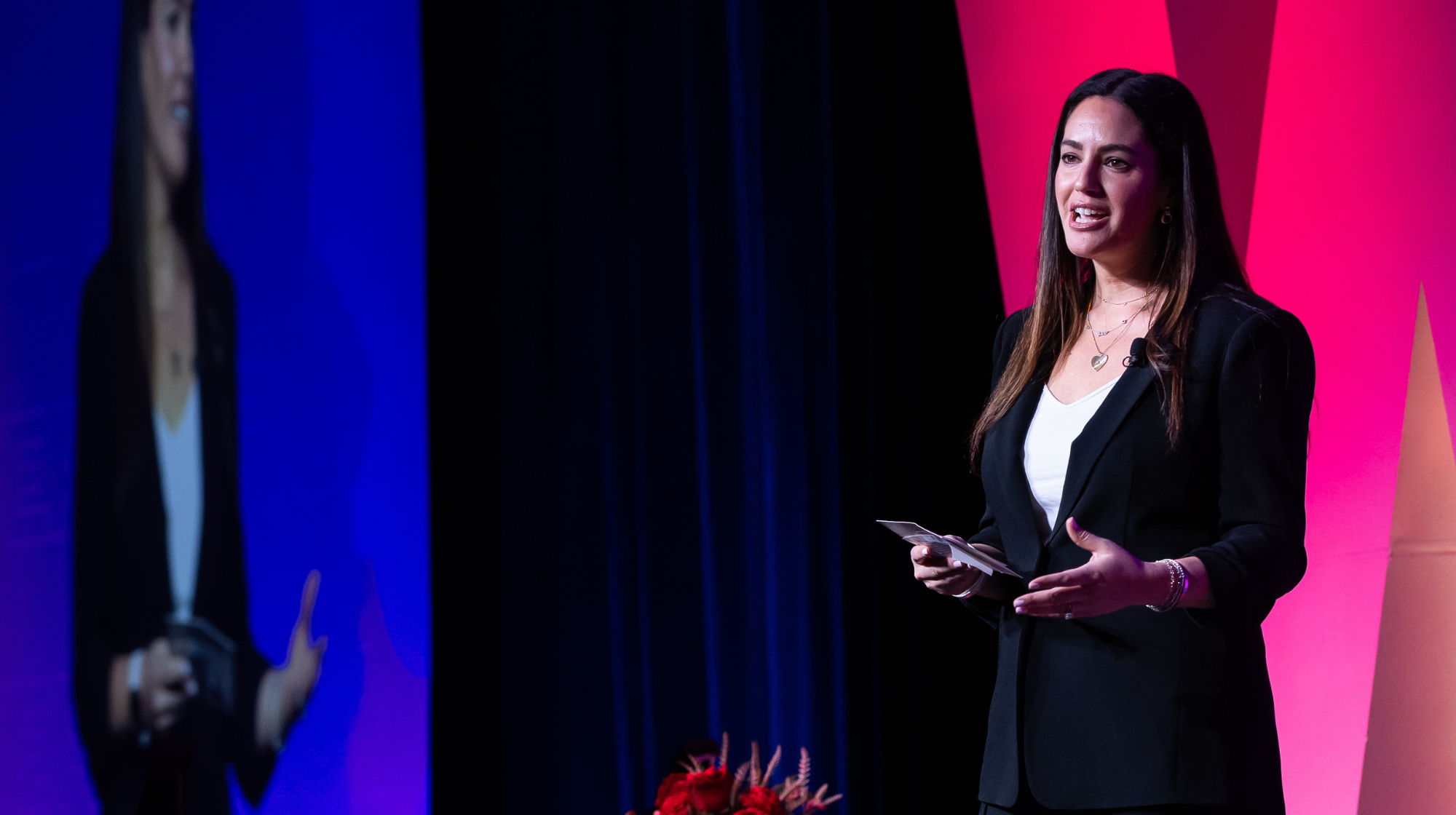
Staying ahead of the curve is essential for unlocking growth and seizing new opportunities in the dental industry. The LEAD sat down with six visionary CEOs who are shaping their organizations and the future of dentistry. We explore what’s next from their unique perspectives, learn how they remain at the forefront of change, and gain practical tips that can be applied right away.

Dr. Sulman Ahmed of DECA Dental Group, Pete Bridgman of Affordable Care, Sarah Chavarria of Delta Dental Insurance Company, Bob Fontana of The Aspen Group, Chris King of Henry Schein One, and Dr. Saam Zarrabi of Rodeo Dental share their strategies for leveraging AI, integrating innovative technologies, and fostering a culture of continuous learning that drives growth and improves patient outcomes.

Read on to learn from these leading CEOs.

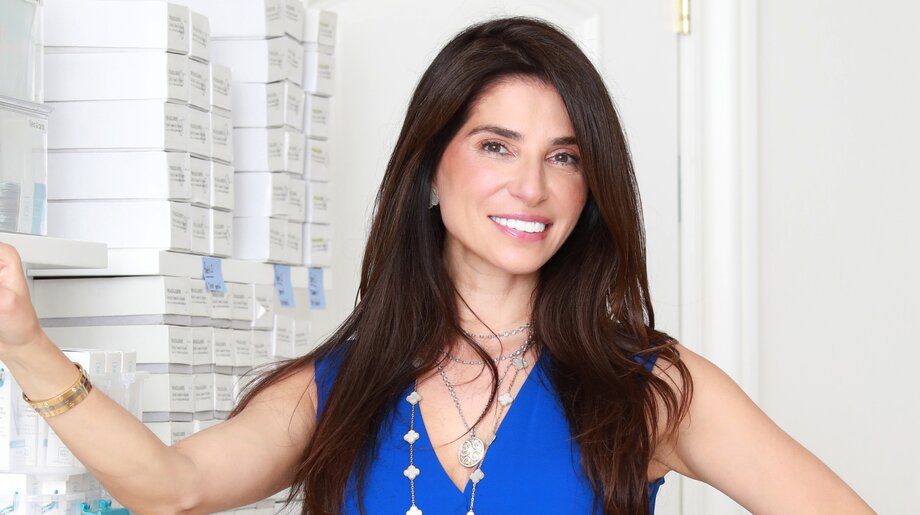
Meet Bob Fontana
The Aspen Group

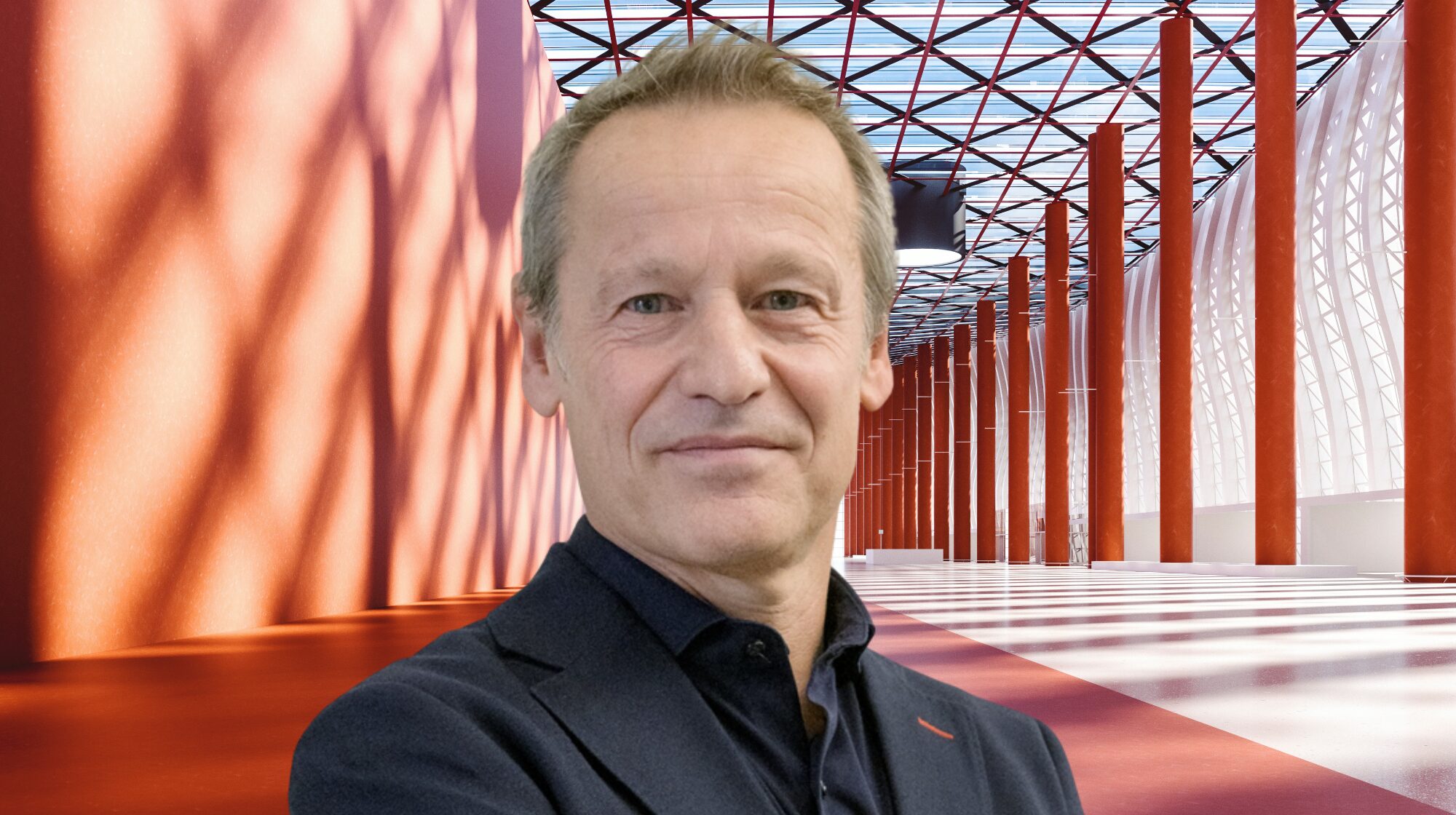
Bob Fontana is the founder and CEO of Aspen Dental and Chairman of TAG – The Aspen Group, which supports over 1,450 health and wellness offices across dental care, urgent care, medical aesthetics, and veterinary medicine. Since founding Aspen Dental in 1998, Bob has been a pioneer in creating a patient-centered operating model that improves access, choice, and value in healthcare. His leadership has made TAG one of the largest and fastest-growing healthcare support organizations in the United States. Bob is a founding member of the Association of Dental Support Organizations and has over 25 years of healthcare leadership experience. Bob currently serves on the boards of both SimonMed and Hopscotch Primary Care, and previously served on the boards of the National Veterinary Association and MedExpress Urgent Care.

How are you integrating new technology into your operations?
“We’re always trying to find ways to leverage technology to better support offices and doctors, and it really does come down to our ability to use data, information, and insights to make things better for patients and providers. We’re constantly asking ourselves how we can use that data to make the in-office experience better, from developing a smarter approach to scheduling that enables those patients with the greatest need to be seen soonest to creating the right digital workflows to make the experience in the practice as efficient as possible for the providers and teams we support. Post-visit, we’re continuing to get better and better at personalizing the communication to patients to ensure that they are receiving the right message in the right channel at the right time as they go through the dental care journey, from the initial procedure through the healing process and all the way through treatment completion. We’ve made big investments in digital technology over the past few years, and by using data from across our network of nearly 1,500 offices across the entire TAG enterprise, we can make smart decisions that no one else can, giving us a unique edge in providing exceptional support to our teams.”

In your opinion, what skills will be most crucial for your employees in the next 2-5 years?
“The first thing is patient centricity and truly putting the patient at the heart of everything we do. It’s about more than just good clinical outcomes—it’s also understanding patient needs, preferences, and concerns and making sure our decisions reflect that understanding. Whether it’s how we communicate, the services we offer, or the way we design our processes, being truly patient-focused will set us apart and build stronger, more trusting relationships with those we serve. To do that, we need to have a culture of continuous learning, where everyone from the dentist to the lab technician wants to grow, develop, and flex their skills. And while it’s not a ‘traditional’ skill, I think we also need to keep that founder’s mentality front and center. Things like having an owner’s mindset and being obsessed with what’s happening on the frontlines never go out of style. These traits, combined with the new skills we’re focusing on, will set us all up for success as we move forward together.”

What is the biggest blind spot in dentistry right now?
“I think that one of the biggest blind spots in dentistry is the M&A model. A lot of companies came in as consolidators for a quick financial win. But they weren’t true operators, and so now that the financial environment has changed, they’re under a ton of pressure because you can’t sustain those strong results without a clear understanding of why you exist or how you’re creating value. It’s not enough to bring together these disparate practices — you need that strong, shared foundation and a mission that drives the business forward. So, as the industry evolves, it’s going to be interesting to see where all of that shakes out. And I think another issue is the rising cost of education for new dentists. It’s becoming almost untenable, and it’s really impacting the choices graduates have. Dentists are coming out of school with so much debt that they have to make hard decisions just to service that debt and still earn a good income. The cost of a good education can’t keep outpacing the ability to provide care forever. We need to address this before it becomes a bigger problem that affects access to care and the future of the profession.”

What’s a book, article, or podcast that has recently influenced your thinking about innovation and leadership?

The Founder’s Mentality
Recommended by Bob Fontana
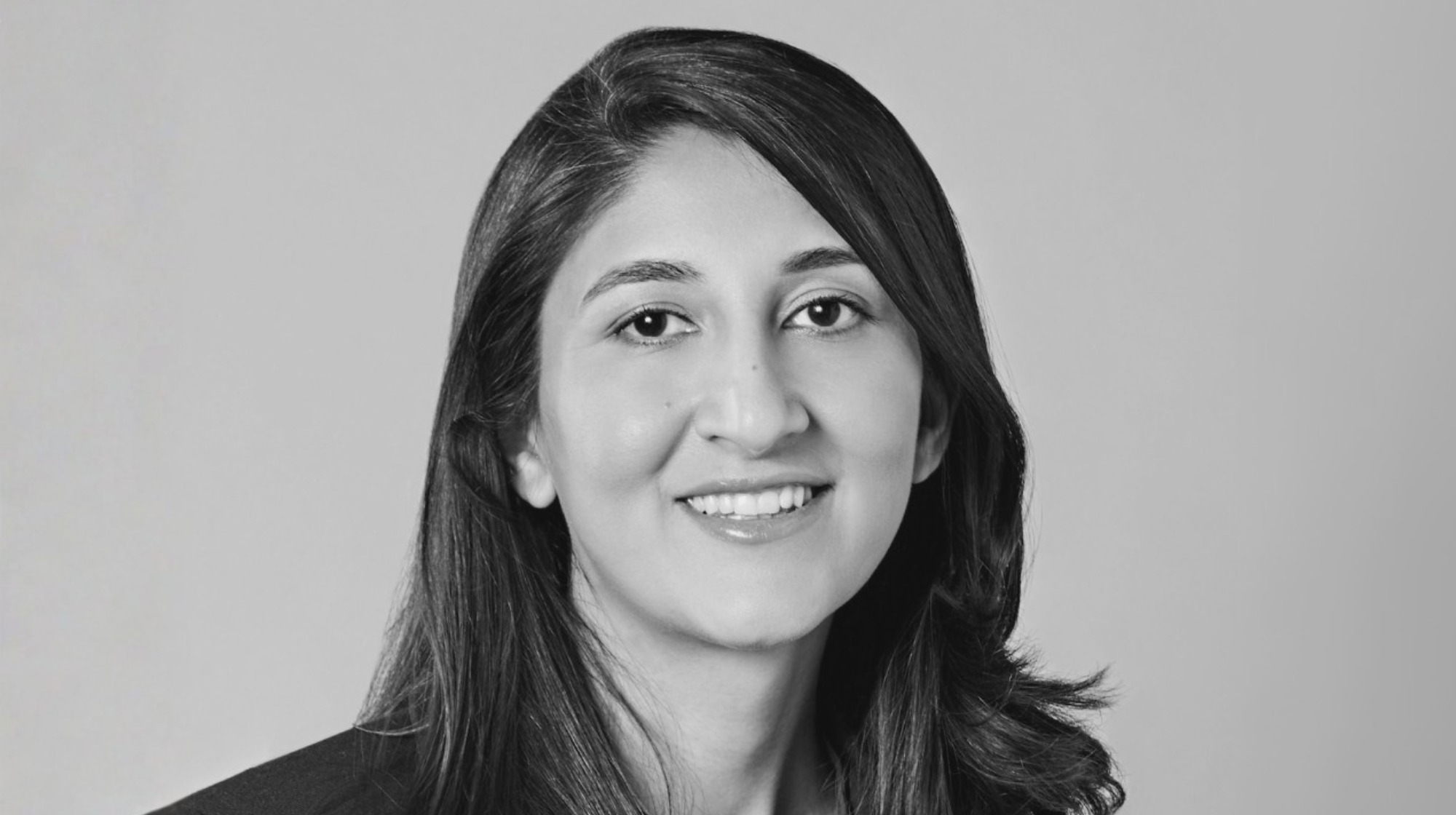
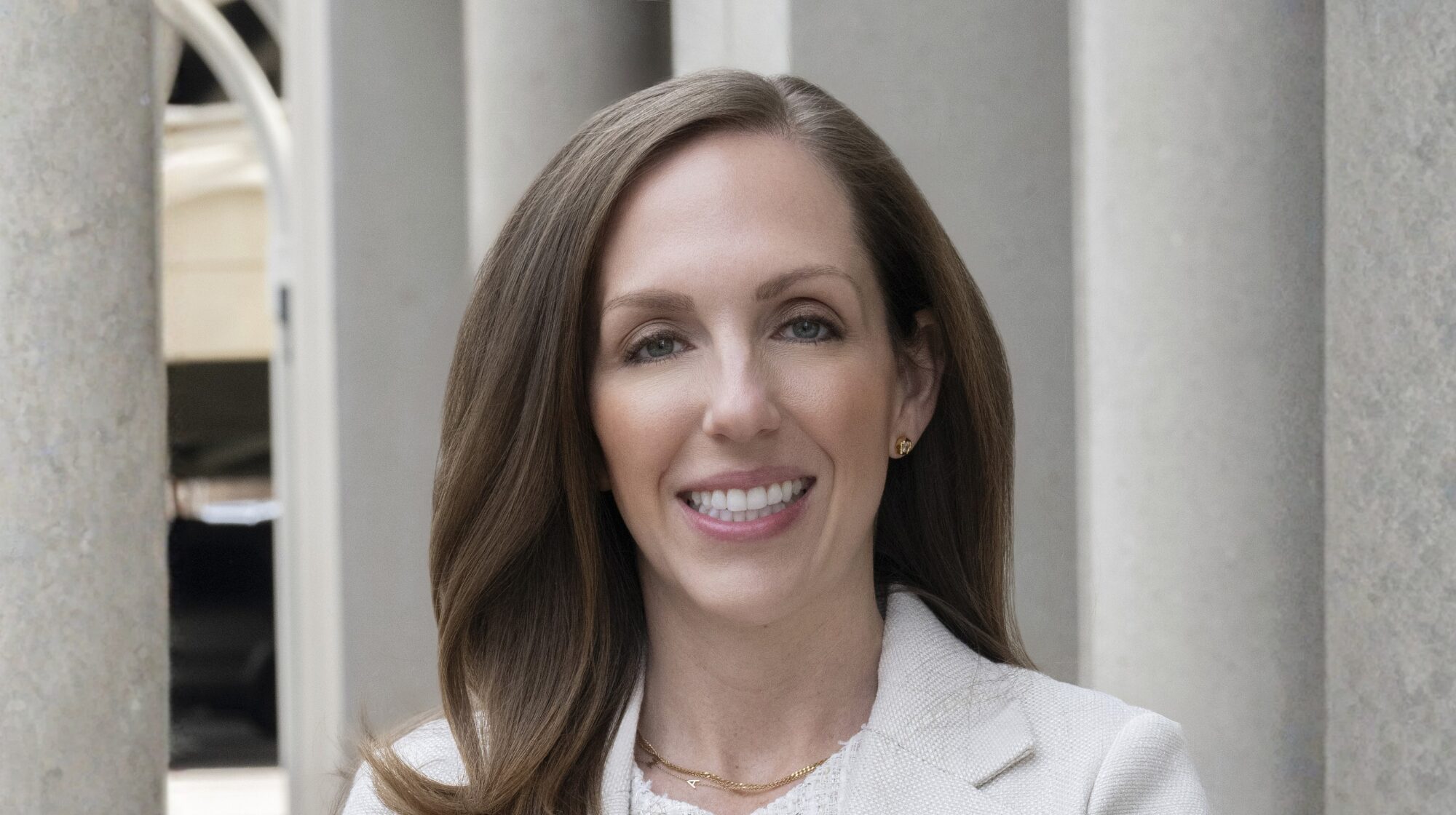
Meet Sarah Chavarria
Delta Dental Insurance Company

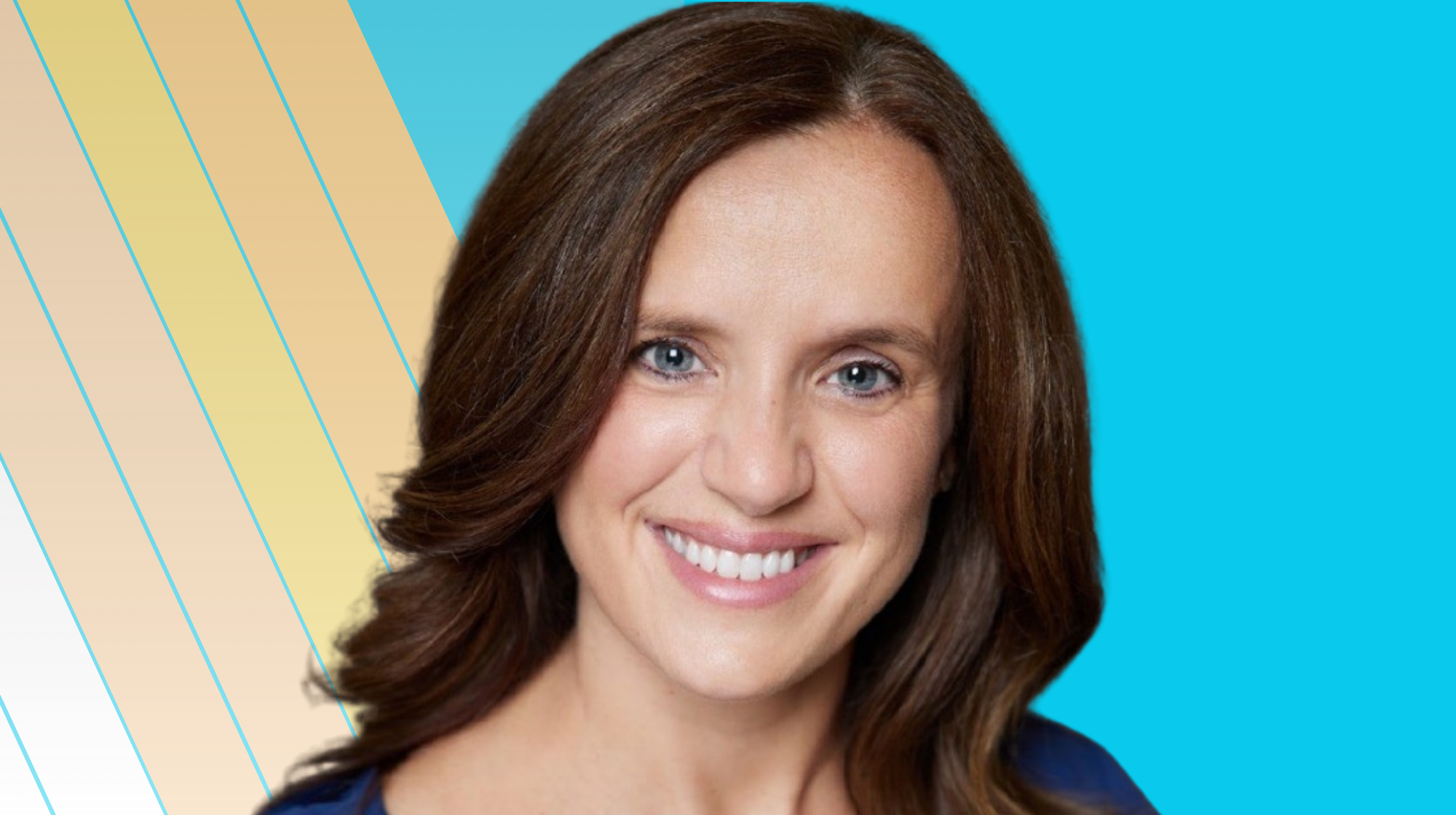
Sarah Chavarria is the Chief Executive Officer and President of Delta Dental Insurance Company, serving over 31 million customers across 15 states, Washington, D.C., Puerto Rico, and other U.S. territories. Appointed CEO in early 2024, Sarah is leading Delta Dental’s transformation from a dental insurance provider to a leader in oral healthcare. Her strategic focus includes addressing the senior oral health crisis, strengthening partnerships with providers, and driving innovation across the company. Sarah has received numerous accolades, including being named among the 100 Most Influential Women in Business by the San Francisco Business Times and Women Worth Watching in Leadership by Profiles in Diversity Journal.

Talk about the future… what’s around the corner?
“Our leadership team’s priority is to strengthen and future-proof our foundational technology and create efficiencies to enhance the patient-provider experience. For example, a responsible approach to AI can significantly improve experiences for both patients and providers by enhancing diagnostic accuracy while offloading excessive administrative burdens on physicians. This allows providers
more time to focus on patient care.”

What practical tips do you have on fostering innovation and adaptability?
“There is healthy disruption happening in our industry around how we think about healthcare access and patient wellness. Innovation begins with a strong company culture. Traditional legacy companies like Delta Dental have an imminent opportunity to expand upon what they’ve already done successfully for a long time. Our ongoing transformation requires a clear vision and alignment across leadership to create a strong roadmap for the future and ensure that we not only bring our employees along but invest in them and get them excited about the future.”

What excites you the most when you think about the next three years?
“I’m excited for what’s ahead for our organization because we’re well on our way to transforming into a modern healthcare company. With a focus on innovation, we are leveraging technology and partnerships to create a solid foundation that expands access to quality oral healthcare for all. An estimated 27 million patients see their dentist twice a year but forgo visiting other primary care physicians.
One of our primary goals is to reframe those two dental appointments as preventative health care touchpoints that could point to other systemic health issues, like cardiovascular disease or diabetes.”

Meet Dr. Sulman Ahmed
DECA Dental Group

Dr. Sulman Ahmed is the Founder, Chairman, and CEO of DECA Dental Group, the parent company of Ideal Dental. Since opening his first office in 2008, Dr. Ahmed has grown DECA to nearly 200 locations across nine states, serving 3,000 patients daily. Known for his patient-centered approach, he has led DECA to become one of the industry’s fastest-growing and most respected organizations, earning numerous accolades. He earned his Doctor of Dental Medicine degree from the Tufts University School of Dental Medicine, where he now serves as the Chair of the Board of Advisors as of 2024. He also serves as President of the Association of Dental Support Organizations (ADSO), the premier association for businesses in the dental industry.

As a CEO, what’s your priority?
“As a clinician-founded and led organization, we are uniquely positioned to understand and meet the intricate needs of our patients, bridging the gap between clinical excellence and compassionate service. My focus is on fostering a culture that shapes both our strategy and our commitment to innovation, empathy, and professional growth. This empowers our team members to thrive and drives our continued expansion. By aligning our culture and strategy, we ensure we maintain the high standards that distinguish us while scaling our impact across a growing network of offices.”

Advertisements

In your opinion, what skills will be most crucial for your employees in the next 2-5 years?
“In the next few years, the most crucial skills for our employees will be the ability to connect with patients on a personal level while becoming proficient with advancements in technology like artificial intelligence (AI). As we integrate AI and other technologies into our practice, our team members must understand how to use them effectively. Equally important are empathy and strong communication skills, enabling our staff to educate patients about the broader implications of their dental health and its impact on overall wellness. This combination of compassion, expertise, and technological proficiency will set us apart as a leader in the industry.”

What excites you the most when you think about the next three years?
“I believe that practices from the retail industry, particularly around customer experience, could be transformative for dentistry. At DECA, our foundation is built upon retail healthcare models, drawing inspiration from giants like CVS and Starbucks. Much like CVS has become a trusted, comprehensive destination for health essentials in convenient, retail-centric locations, we aim to offer a similar experience in dentistry—providing convenience, comfort, and personalized care, all under one roof. By adopting a more holistic approach, where dental care is seen as a crucial component of overall health management, we ensure our patients receive comprehensive, reliable, and effective care with the same level of accessibility they expect from leading retail brands.”

What’s a book, article, or podcast that has recently influenced your thinking about innovation and leadership?

Make Them Smile
Recommended by Dr. Sulman Ahmed
Meet Christine King
Henry Schein One

Christine “Chris” King is the world’s first female CEO of a semiconductor company, AMI Semiconductor. She spent 25+ years at IBM, eventually becoming the VP of Semiconductor Solutions. Her other roles include President and CEO of Standard Microsystems, Executive Chairman of QLogic Corporation, and she is currently CEO of Henry Schein One and Board of Directors Member of Skyworks. Outside of the world of technology, Chris has tackled the worlds of dairy farming and the equestrian sport of cow cutting with equal vigor. Never one to go into something halfheartedly, Chris has achieved championship status in both dairy cow showmanship and cow-cutting competitions. She resides in Scottsdale, Arizona.

Talk about the future… what’s around the corner?
“The exciting thing about the future is making it as easy as possible for dental offices to use technology so they can seamlessly adapt to the newest innovations and improve their office operations and workflows, letting them focus on their patients.”

What practical tips do you have on fostering innovation and adaptability?
“Don’t be afraid of change. Consider how everything can be applied to make our customers’ lives easier.”

Are there any innovations or practices from other industries that you think could be transformative for dentistry?
“AI is certainly one, but the second one is the use of data — how we can use the data in multiple dimensions, from understanding what makes a practice successful through metrics and analytics. And using data to understand what our patients need or want and how to serve them better. I think that other industries have utilized data better than we have in dentistry.

We also have to think about this ease-of-use concept. We know how easy it is, for example, to use our phones or order on Amazon. We haven’t made that leap in dentistry.”

What’s a book, article, or podcast that has recently influenced your thinking about innovation and leadership?

Elon Musk
Recommended by Chris King
Meet Pete Bridgman
Affordable Care

Pete Bridgman is the Chief Executive Officer of Affordable Care, the largest Dental Support Organization (DSO) in the U.S. focused exclusively on tooth replacement services. With nearly 440 clinics in 43 states, primarily branded as Affordable Dentures & Implants, the organization supports over 600 doctors in providing affordable, high-quality care. Pete, who took on the CEO role in 2024, brings extensive experience in consumer healthcare and retail. He previously served as CEO of Visionworks, Chief Network Officer at VSP Vision, and President of Pearle Vision and LensCrafters, both under EssilorLuxottica. His leadership continues to shape Affordable Care’s growth and impact on accessible dental services.

What emerging trend or technology will have the most significant impact on dentistry in the next 2-5 years?
“AI is the next enabler to transformation through people, process, and technology. Across healthcare, I really like how AI is starting to drive evidence-based medicine guidelines that can co-pilot clinicians to ensure the best outcomes and reinforce clinician confidence as medicine is always evolving. Dental, like medical, is a lifetime experience, and AI will enable levels of personalization like nothing we have ever seen before. I am excited about the possibilities, and the focus and discipline it will take to harness this powerful tool to impact the patient experience.”

What is the biggest blind spot in dentistry right now?
“I see a lot of roll-up strategies happening across the dental industry, which is something that I have experienced while leading Pearle Vision, LensCrafters and Visionworks, large consumer retail companies for eye care. Where I am sitting now in dental, I see a tremendous opportunity to really dial our Affordable Dentures & Implants brand into revolutionizing the patient experience through a consistent focus on excellence. I think what many eye care companies have gotten right, from the in-store experience to digital innovation across the patient journey, dentistry is ripe for, through a relentless focus on patient experience.”

What excites you the most when you think about the next three years?
“Significantly improving and obsessing on affordability and lifetime care for our patients, beyond what has been developed over the years. Affordable is in our name and we will obsess on being patient advocates who push to always live up to that. I am also excited about developing standard experiences that are rooted in quality and lifetime support for patients who are brave enough to seek us out for help; patients are in a vulnerable state with tooth loss, and they place their trust in Affordable Dentures & Implants clinicians and we have to maintain and continue to grow that trust. We are also innovating the prosthetics delivered in our affiliated clinics – improving quality, cost and service while modernizing the manufacturing experience for doctors and staff. All very exciting for our future.” – Pete Bridgman, Affordable Care

What’s a book, article, or podcast that has recently influenced your thinking about innovation and leadership?

The Speed of Trust
Recommended by Pete Bridgman
Meet Dr. Saam Zarrabi
Rodeo Dental
Dr. Saam Zarrabi, known as Dr. Z, is the co-founder and CEO of Rodeo Dental & Orthodontics, a B Corp-certified dental group with 45 offices across Texas, Colorado, and Arizona. A visionary leader, Dr. Zarrabi has driven Rodeo Dental’s growth by focusing on community-centered care and high-quality service. Under his leadership, Rodeo Dental has earned numerous accolades, solidifying its place as an industry leader. His leadership philosophy is rooted in empathy, integrity, and collaboration, driving Rodeo Dental’s mission to create healthy, confident smiles while making a lasting impact on the communities it serves.

As a CEO, what’s your priority?
“My job is to set the vision and help support our leadership teams and doctors to best support and put our people in the best position to deliver the highest quality care while ensuring we meet our strategic goals and growth targets.”

How are you integrating new technology into your operations?
“We are integrating advanced patient communication and scheduling tools, enhancing patient experiences both in the lobby and in the chair, utilizing AI-driven diagnostic tools and advanced treatment planning software, and improving back-end integration around revenue cycle management. Staying ahead with the newest clinical advancements ensures our providers can focus on delivering the highest quality care.”

What emerging trend or technology will have the most significant impact on dentistry in the next 2-5 years?
“AI and machine learning will have a profound impact on dentistry, particularly in diagnostics, treatment planning, and revenue cycle management. Additionally, advancements in teledentistry will expand access to care, especially in underserved areas.”

What’s a book, article, or podcast that has recently influenced your thinking about innovation and leadership?

The Lean Startup
Recommended by Dr. Saam Zarrabi
Gain ACCESS TO
INSPIRING
stories
Get membership
Leaders

Transforming Lives

10/17/2024
|
9 min. to read

My Journey to Leading the ADA

BY DR. BRETT KESSLER,
PRESIDENT OF AMERICAN DENTAL ASSOCIATION

In October 2024, when I begin my term as the president of the American Dental Association (ADA), I’ll carry with me the goal of making sure that every dentist — no matter where they are in their career or how they serve our profession — feels supported and valued. I want to foster a sense of community where we look out for each other and where the well-being of dental professionals is prioritized. The idea of fostering a welcoming, supportive community of dentists who are their healthiest selves is informed by my own personal journey. In 1998, as a third-year dentist, I found myself at rock bottom. Struggling with addiction, I felt my life spinning wildly out of control, despite appearing that I had it all together. A desperate call to the Michigan Dental Association’s wellness program ultimately saved my life. That call marked the beginning of my recovery and a journey that would change not just my life but the lives of many others around me.

Quote
Struggling with addiction, I felt my life spinning wildly out of control, despite appearing that I had it all together.

My path to this profession — and to leadership in organized dentistry — was anything but straightforward. But looking back, I can see how the dots have connected through each chapter of my life and career.
Growing up, I was always fascinated by science and the intricate workings of the human body. My parents encouraged my curiosity, often finding me engrossed in books about biology and anatomy. Originally a biomedical engineering student at the University of Iowa, I planned to attend medical school. A pivotal moment came when I found myself tearing up my MCAT application, realizing that facing a future in medicine was not my true calling. At a friend’s suggestion, I considered dentistry, attracted by its blend of scientific engineering and hands-on patient care.

Dentistry has allowed me to combine my scientific background with a creative touch, designing smiles while restoring health and function to the mouth. Every patient presents a unique opportunity to apply evidence-based care and creativity. But more importantly, dentistry has provided a way to connect with people and improve their lives, offering the profound satisfaction of alleviating pain and restoring confidence. I’ve come to realize that it’s these human connections that give meaning to our work.

I have experienced the power of having a professional community that rallied around me in a time of need. But some years later, after relocating to Colorado, I was placed on probation by the Colorado Dental Association once they learned I’d previously sought help for my addiction. I thought I had done the right thing and was well into my sobriety (earlier this year, I celebrated 26 years of sobriety). The experience of being penalized for seeking assistance ignited my desire to drive change. By joining the Colorado Dental Association Sunset Review Committee. I worked to reform the punitive measures against dentists seeking help, resulting in significant changes within the Colorado dental community and setting the stage for broader leadership roles.

Quote
Looking back, I realize how crucial it is to create a culture where asking for help is seen as a strength, not a weakness.

One of the most profound experiences in my career was during a community service project in 2007. I had the opportunity to provide dental treatment to people experiencing homelessness in Denver. The scars of addiction were still fresh on their faces, and I could relate in a way that went beyond dentistry. This was a full circle moment for me.

In partnering with a local treatment center, I provided free oral health care to those who were in recovery. It was here that I saw the true power of dentistry — not just in restoring smiles but in restoring dignity and hope. This experience reminded me that our role as dentists goes beyond the technical. We have the privilege and responsibility to be a source of healing and renewal for those we serve.

This led me to become more involved in advocating for awareness around the dental effects of methamphetamine use. I initially hesitated to do so. I did not want to become the face of this issue. But I realized that if I could help even one person by sharing my story and raising awareness, it was worth it.

I’ve since embraced this role, not because I sought it out, but because it allows me to contribute to making things better for others. It is a humbling experience to realize that our personal struggles can be transformed into powerful tools for change when shared openly and honestly.

Over the past 20 years, I have diligently built a practice philosophy that starts with people. Building meaningful relationships with patients has become a cornerstone of my practice. This approach has enabled me to advocate more effectively for my colleagues, mentor young dentists, and lead initiatives that prioritize the well-being of dental professionals and their patients.

Advertisements

As I prepare to lead the American Dental Association, part of my leadership platform will include a focus on wellness that is not just for patients, but for dentists, too. The health of our profession depends on the health of the people within it. I believe that wellness is multi-dimensional — it is physical, emotional, mental, spiritual, and social.

These aspects are all interconnected, and I try to practice what I preach. My morning routine of meditation and journaling helps me start each day with a clear mind and a sense of purpose. It’s not about perfection but about showing up as the best version of myself for the people I serve. I have come to understand that being a good leader isn’t about having all the answers but about being present, listening, and making space for others to thrive.

Furthermore, my recovery journey has given me a unique perspective on the importance of wellness, both personally and professionally. As a leader, I passionately advocate for resources and support systems to help dentists maintain their health and well-being. From regular exercise and healthy eating to mental stimulation and supportive relationships, my holistic view on wellness is something I look forward to actively promoting within the ADA. I’ve seen firsthand how focusing on wellness can transform not just individual lives, but entire communities.

Quote
If the best athletes in the world have coaches, why can’t the best dentists?

We are our own most valuable asset, and so taking care of ourselves is essential to providing the best care to our patients. I aim to ensure that every dentist — regardless of where or how they practice — has the support they need to succeed, aligning with the ADA’s mission to serve dentists and advance public health. Unifying our voices can significantly impact the health of our communities, and this collective effort is vital for the future of our profession. I believe that when we work together, sharing our experiences and supporting one another, we can create a stronger, more resilient profession.

As ADA president, I also seek to be a strong advocate for mentorship, especially for new dentists navigating the early stages of their careers. I’m impressed with the organization’s various programs to support professional growth. My personal experiences underscore the value of having mentors and coaches. The way I see it, if the best athletes in the world have coaches, why can’t the best dentists? Mentorship to me isn’t just about sharing knowledge. It is about creating a network of support that helps individuals grow and flourish in their careers.

In this new role, I am met with a tremendous sense of both responsibility and hope. I believe that together we can build a more unified, inclusive, and healthy dental community. Dentistry, to me, is about more than just technical skills. It’s about being part of a community and giving back. I’ve always believed that by serving others, we not only help those in need, but we also strengthen the bonds within our communities. This is a big part of what drives me to continue pushing for positive change within our profession. It’s my hope that through these efforts, we can create a profession that is not only strong in skill but also rich in compassion and service.

The dental profession is also evolving. As greater integration between primary care and dental care takes center stage, dentists have a renewed opportunity to take a major stand for both oral and overall health, and help their patients become their healthiest selves as well. To achieve this, we must rethink the dental care model, which currently separates dental and medical care despite clear evidence linking poor oral health with systemic health issues.

I see opportunity here as well. Dentistry can play a vital role in primary care by expanding screening to include DNA and bacterial testing, diabetes testing, and even vaccine administration. The growing body of scientific evidence supporting the oral-systemic connection compels us to advocate for expansion of benefits to better serve patients. This is where the power of advocacy comes in.

The ADA is at the forefront of dental benefits reform ensuring that public and private programs enable patients to access quality oral health care as part of essential health care. To further this effort, the ADA continues to collaborate with multiple stakeholders to improve access to care for vulnerable populations. We also hope to work alongside other dental organizations to drive this important work forward for our profession and the communities we serve.

I am honored to serve at the ADA as we evolve to meet the diverse needs of today’s practitioners. I will strive to ensure that the ADA’s initiatives are inclusive and supportive of all dentists. It is important to me that every voice is heard, and that the ADA remains a place where all dentists feel they belong.

My story is just one of many, but it serves as a reminder that with determination, support, and a willingness to grow, we can overcome obstacles and make a real difference. And perhaps most importantly, it reminds us that we are never truly alone in our journeys. There is always someone who understands, who cares, and who is willing to help us along the way. And, for dental professionals, especially the more than 159,000 ADA member dentists across the nation and beyond, that includes the American Dental Association.

Gain ACCESS TO
INSPIRING
stories
Get membership
Companies

Partners in Care

07/05/2024
|
10 min. to read

Crafting Success at Darby Dental Supply

Picture this: A customer grieving the loss of their faithful four-legged companion receives an unexpected package in the mail. Inside, along with their usual pet supplies, lies a heartfelt note from the Chewy team expressing condolences and understanding. It’s a small gesture, yet it speaks volumes about Chewy’s values—a company that recognizes the profound bond between pets and their owners and isn’t afraid to show it.

Now imagine another scenario where a pet owner, struggling to find the right products for their furry friend’s unique needs, reaches out to Chewy’s customer service. Instead of robotic responses, they find genuine empathy and personalized recommendations tailored to their pet’s requirements on the other end of the chat line. It is a story of going above and beyond, with the understanding that each pet is more than just a transaction but a beloved member of one’s family.

In every customer interaction and package sent, Chewy.com tells a story of empathy, connection, and the enduring bond between pets and their humans. This narrative transcends commerce, reminding us that even in the digital age, the power of genuine care and compassion still leaves a lasting impression.

Darby Dental Supply is the Chewy of dental supply. Just as Chewy transformed the pet industry with its empathetic approach, Darby is revolutionizing the world of dental supplies through its commitment to exceptional, outstanding service. Darby recognizes the human element behind every purchase, striving to provide products and a sense of care and personalization to dental professionals nationwide. In the dental industry, Darby is a testament to empathy’s transformative power in business.

Darby encourages its account managers with a simple yet powerful directive.

“At Darby, we believe if you can say yes to the customer, say yes to the customer,” says Scott Walsh, Vice President of Sales. “We don’t
just talk about taking care of customers, it’s something that is ingrained in our DNA and runs through every single department – from sales to accounting and everyone in between.”

This philosophy serves as a guiding principle, emphasizing the importance of prioritizing customer satisfaction above rigid adherence to policies, procedures, or bottom lines. Darby empowers its team to exercise discretion and flexibility in meeting each customer’s unique needs.

This customer-centric approach fosters stronger relationships and drives sustained growth in revenue and profitability. By prioritizing
responsiveness and adaptability, Darby ensures that every interaction leaves a lasting positive impression. In turn, the company has built a reputation as a trusted and customer-focused leader in the dental supply industry.

Quote
“At Darby, we believe if you can say yes to the customer, say yes to the customer.”
– by Scott Walsh, Vice President, Sales

Dee Fischer, CEO of Fischer Professional Group, has decades of experience growing DSOs by helping doctors create systems, accountability, and passion in the workplace. She relies on Darby as part of her success.

“Working with Maria Mulé of Darby has been an excellent experience. Her level of customer service is truly top-notch – possibly the best in the nation! At every step of the way, she has been attentive and knowledgeable, and she always goes above and beyond to ensure everything runs perfectly,” Dee shares.

Darby’s Account Managers receive regular training throughout the year. Pictured is one session with Leonora Purellku, Darby Training Manager.


“The repair man your team found for us cleared his schedule and got to our office the next morning with a loaner machine while he fixed ours. In our moment of crisis, I appreciate everything that the entire Darby team did to help us,” says Adina Ferguson of Union Family Dental, another happy Darby customer.

This is finding ways to say “yes” to the customer, and often, it makes all the difference. One tell-tale sign of excellent customer service is often long-term relationships built with trust and sustained over time. They are also vital in business. In dental supply, these partnerships are crucial for consistency and growth.

“I’ve been working with my account manager for over ten years. During this time, we’ve expanded to 23 locations and are still growing. We chose Darby for many reasons – their attention to detail and ability to go above and beyond to help us expand Nuva Smile. Without Darby and our long-term relationship, we wouldn’t have the support and knowledge to keep up with the changing times. I’m lucky to be partnered with a company that puts our needs first,” shares Angelika Yermolenko, the Hygiene Director/ Procurement Manager of Nuva Smile.

In another instance, a recent DSO customer faced a common challenge plaguing many multi-location dental practices: inconsistent equipment solutions and pricing across their various offices. This lack of uniformity created logistical headaches and led to disparate experiences for patients and staff alike. Recognizing the need for cohesion and standardization, Darby, led by their dedicated account manager, stepped in to provide tailored solutions. Through meticulous coordination and personalized guidance, their account manager worked closely with the customer to streamline their equipment procurement process, ensuring that every office would receive the same high-quality experience. This collaborative effort alleviated the burden of managing multiple suppliers and bolstered the DSO’s reputation for excellence across all their locations.

Advertisements
Quote
“When I joined Darby, I thought I’d be walking into traditional sales training. I was blown away that rather than learning how to sell things, it was all about how to treat people.”
– by Leonora Purellku, Sales Trainer

A much larger DSO, Signature Dental Partners, faced significant hurdles in finding cost-effective solutions. With 93 locations, they needed to deliver the same quality in each location while also saving money. Their Darby account manager stepped in to offer personalized assistance, identifying private label items to help them maintain the same excellent quality product but with significant savings.

Darby and Big Brothers Big Sisters of Long Island teams at the ribbon cutting for the Darby-sponsored “Kids Closet.”


This effort and partnership addressed the DSO’s immediate challenge while positioning them for continued success in the future.

So, what is the secret to such customer service success?
At Darby, it hinges on a simple yet profound principle: taking care of their employees. Darby prioritizes all aspects of their team’s well-being, from professional growth to health and wellness. They equip their staff to excel in their roles. With over 100 hours of product training provided annually, they also equip employees with the knowledge and expertise needed to deliver exceptional service to customers.

“When I joined Darby, I thought I’d be walking into traditional sales training,” says Leonora Purellku. “I was blown away that rather than learning how to sell things, it was all about how to treat people. Rather than up-selling, our training revolves around Darby’s methodology and how to treat the customer and anticipate their needs and wants. Another huge differentiator is that our account managers receive an unprecedented amount of product training to develop their mindset as well as their professional growth, which really helps our customers navigate product selection and feel confident in viewing our team as trusted advisors.”

By caring for their employees with excellence, their employees can do the same with their customers. Darby demonstrated unwavering support to its employees during the COVID-19 pandemic. The company sent monthly PPE care packages to every employee, working to provide whatever they could to keep their employees and their families safe. Darby also took proactive steps to educate its sales team on alternative product options, ensuring customer needs could be met even when certain items were unavailable.

The company encourages employees to get involved in philanthropic efforts and comes alongside them in support. Their reach has extended from food and toy drives in local offices to 5K and walks around the country to helping to build a dental hospital in Rwanda.

Darby is a proud partner of Big Brothers Big Sisters of Long Island (BBBSLI). Darby’s purchasing and warehouse teams coordinated a delivery of supplies to help local students prepare for the upcoming school year. Pictured left to right: Hans Dietz and Will Diaz.


Across levels and departments, Darby prides itself on giving back to the community. Liz Meyers, Darby’s EVP Global Procurement, spearheads Darby’s Social Responsibility Program which is committed to making positive impacts on local, national and global communities.” Liz is also longstanding member of Big Brothers Big Sisters’ Board of Directors, a nonprofit organization that Darby is proud to support. Darby’s purchasing and warehouse teams coordinated a delivery of supplies to help local students prepare for a new school year, and the organization sponsored a new “Kids Closet.”

Quote
“Creating a culture of success and inclusivity requires a vision that not only includes success with business objectives, but a very real dedication to employee wellbeing and social responsibility,”
– by Andrea Hight, Division Director, DSOs

Another is Beyond The Game, which provides children with the resources, support, and mentorship opportunities they need to succeed. Allison Alexander, Vice President, Darby Group Companies, recently spoke to local elementary school students about the importance of generosity and gratitude as part of Beyond the Game’s “Girls with Pearls” youth program. This initiative is focused on mentoring and uplifting young girls through sharing important life skills like confidence, communication, and setting goals.

“In joining the Darby team, I learned that this dedication to doing good is threaded throughout all we do. Today, in addition to my role as Division Director for DSOs, I am participating as a board member for the National Network for Oral Health Access (NNOHA) in choosing a new executive director for this organization. NNOHA exists to support the success of community health centers and other nonprofit organizations in assuring access to dental care for the communities served across the country. Because Darby supports my board role with NNOHA, I am able to contribute training and education for clinicians and administrators, chair NNOHA’s membership committee and ambassador program and participate in conferences. All of this is part of supporting the success and sustainability of oral health safety net programs. I am honored to represent Darby in these ways,” she adds.

Darby is proud to support Beyond The Game, a non-profit organization that provides children with the resources, support, and mentorship opportunities to succeed. Allison Alexander, Vice President at Darby Group, companies spoke to local schools about the importance of generosity and gratitude.


In addition to prioritizing overall well-being among its staff, Darby is also committed to raising mental health awareness and supporting key initiatives and organizations that support well-being.

“Creating a culture of success and inclusivity requires a vision that not only includes success with business objectives, but a very real
dedication to employee well-being and social responsibility,” says Andrea Hight, Division Director, DSOs.

Darby believes that when employees feel valued and supported, they are better equipped to provide care and attention. Their commitment to investing in their team’s growth and development enhances employee satisfaction and translates into tangible benefits for customers that set them apart.

Darby’s dedication to caring for its employees is reflected in the remarkable average employee tenure of 13 years. This speaks to the care provided to each employee and the support they receive to grow professionally within the organization.

By delivering exceptional customer service with a “say yes” attitude, Darby becomes an integral player in its clients’ success stories. In today’s dynamic and quickly evolving dental landscape, having a reliable partner like Darby becomes priceless.

Gain ACCESS TO
INSPIRING
stories
Get membership
Women in DSO®

Celebrating Women’s Leadership

07/09/2024
|
1 min. to read

Announcing the Leadership Alumni Club.

Since 2022, Women in DSO® has recognized excellence in clinical and administrative DSO leadership through annual Leadership Awards presented in partnership with Overjet. Over 30 women have received these awards, highlighting their outstanding contributions to the industry and creating new pathways for others to follow.

The recipients of these awards embody leadership qualities such as vision, resilience, and mentorship. By recognizing their achievements, the Leadership Award aims to amplify the voices of women leaders and encourage aspiring professionals to pursue their goals fearlessly and with determination and support.

Advertisements

Women in DSO® proudly announces the launch of the Leadership Alumni Club. This initiative is designed to further amplify the impact of these exceptional leaders by providing a platform for ongoing networking, professional development, and mentorship. The Leadership Alumni Club will help ensure that the mission of Women in DSO® continues to thrive, empowering women to excel and lead for years to come.

Nominate a leader today: The Leadership Award

Gain ACCESS TO
INSPIRING
stories
Get membership
Products

The CYA On Cures Act Violations For DSOs

07/09/2024
|
2 min. to read

With fines up to $1,000,000* new legislation introduces new requirements for DSOs

Today’s patients expect quick and easy access to everything. With new legislation dental practices are now finding themselves in the crosshairs of noncompliance due to the harsh combination of high patient expectations and lack of data accessibility in dentistry.

The Stark Reality of Non-Compliance

As patients become more informed and assertive about their healthcare rights, DSOs find themselves under increasing risk as requests for records are on the rise. HIPAA and The 21st Century Cures Act stipulate that healthcare providers provide access to electronic health information (EHI) securely through a mobile application without delay when requested.

Failure to comply can result in hefty fines of up to $1,000,000* per single violation, including being put on a “corrective action plan”—a major setback for any group. Most practice software has been built from the ground up to make information input easy, but tedious, if not impossible to access (let alone share with others), putting you at risk.

Thankfully a dentist and software entrepreneur, Dr. Bryan Laskin, saw the impending issue coming and has worked with the ADA and leaders at several large DSOs to create an easy solution.

Advertisements

The Toothapps Solution

Enter Toothapps Patient App, an innovative platform designed to bridge the gap between patient data demands and regulatory compliance. Toothapps provides a comprehensive, low-cost, turnkey solution that ensures dental practices can meet the high standards set by the Cures Act.

Key Benefits:

1. Compliance: Patients can view records (once approved by your practice) securely and digitally on their mobile device.
2. Connection: Patients can pay bills, securely chat with your office, request an appointment, complete forms, view radiographs, confirm appointments, and more. (View a demo at www.toothapps.com/lead)
3. Convenience: Once installed the Patient App syncs with your existing systems, saving your team time and keeping offices in control of data requests, emergency care and virtual consultations with ease.

To get a demo or learn more, visit Toothapps.com/LEAD

Gain ACCESS TO
INSPIRING
stories
Get membership
Trending

State of the Dental Industry

07/08/2024
|
6 min. to read

2024 Mid-Year Perspective

By Brian A. Colao
Director, DSO Industry Group at Dykema

The last five years have brought monumental change to the dental industry. It can be persuasively argued that there has been more change in the last five years than in the previous 100 years of the dental industry.

The Great Lockdown
In March of 2020, for the first time in modern history, the government told patients that they could not go to the dentist, and dental offices across the country and throughout the world were shut down for all but emergency cases. It was a tremendous mistake by our elected officials to declare dentistry “non-essential”, and society paid a significant cost for that mistake. Patients were denied essential treatment, dentists were deprived of their livelihood, with little to no benefit to society. It was an unnecessary disaster.

The Great Reopening
Around the summer of 2020 and continuing throughout the year, dental offices were allowed by state governments to reopen on the largest scale in the history of dentistry. Reopening so many offices so quickly presented a number of challenges, including shortages of PPE, staff shortages, staff reluctance to return to work, dentist reluctance to return to work, and patient fear and reluctance to resume treatment.

The Great Recovery
Starting in the summer of 2020, dental offices across the country began recovering their revenue, but it was not an even recovery, and some organizations struggled while others thrived, and still, others experienced everything in between. A divide began to develop where some organizations were able to successfully navigate the post-lockdown challenges, while others were much less successful. Unsurprisingly, the organizations that succeeded in the post-pandemic environment became much more valuable than the organizations that struggled.

The Great Resignation
During the Great Reopening, it quickly became apparent that the post-pandemic labor market was very different from what it was pre-pandemic. The unintended impact of the government aid programs and government lockdown programs led many dental staff members to elect not to return to work, choose other professions, or return to work with costly and often unreasonable demands for their continued employment. This has created one of the most expensive labor markets in the history of dentistry.

The Great Inflation
Beginning in 2022, as a result of government aid programs flooding the economy with largely unnecessary dollars, coupled with numerous geopolitical forces, inflation soared to its highest rate in decades. This caused interest rates to skyrocket in a very short period of time, the cost of goods to increase significantly, and the buying power of money to be greatly reduced.

The Great Uncertainty

The Great Inflation has created a very challenging economic condition.

Historically High Cost of Labor + Historically High Cost of Goods + Historically High Interest Rates = Historically High Pressure on EBITDA and reduced dental organization valuations.

Despite repeated efforts by the Federal government, interest rates remain stubbornly high, and there are now additional global conflicts that threaten to destabilize financial markets. There is also considerable uncertainty as to who will win the upcoming presidential elections. All of this has led to uncertain market conditions and no clear date in sight for when things might improve. This has created Great Uncertainty, with many organizations suspending M&A activity, cutting costs, reducing their workforce, and holding off on capital expenditures.

Advertisements

The State of the Evolution of Dentistry

Pre-pandemic, the dental industry was evolving from dentist-owned solo offices and dentist-owned group practices to DSO affiliations at an unprecedented pace. The market stood at just under 30% consolidation prior to the pandemic. The Great Inflation and Great Uncertainty have considerably slowed down the consolidation market. Many DSO buyers remain “pencils down” or greatly constrained in the number of acquisitions they can complete in 2024. In addition, the large DSO transactions that received great fanfare and attention over the last five years have almost ground to a complete halt.

While the market has slightly improved in the second quarter of 2024 with numerous small to midsize deals occurring, the historically high interest rates will need to come down, or the conventional PE-backed DSO model will need to be restructured for deal activity to reach the 2018-2021 levels.

The outcome of the upcoming presidential election will undoubtedly have a significant impact on the M&A markets as the candidates have very different approaches to the economy. For now, the evolution of dentistry is proceeding at a much slower pace until at least the conclusion of the upcoming presidential election.

Quote
The current challenges of the M&A markets have caused dental organizations to aggressively focus on same-store growth.

The State of Growth in Dentistry

The required formula for growth in the current dental marketplace as shown in the below figure:

Growth MUST equal added value to an organization

  • Added value equals increased EBITDA
  • Growth without added EBITDA equals negative value
  • Growth with added EBITDA equals value
  • If you can’t ADD value, you shouldn’t grow your organization


In short, any acquisition or de novo contemplated by a dental organization must increase the organization’s EBITDA, or it should not be undertaken. The current challenges of the M&A markets have caused dental organizations to aggressively focus on same-store growth. There have been incredible innovations over the last five years that can significantly increase same-store growth.

The State of Innovation in Dentistry

There have been more innovations in dentistry in the last five years than in the previous hundred years. This is one of the most exciting times in history to be in the dental industry. The following innovations have been truly game-changing for same-store growth.

The Future Outlook of Dentistry

The Great Evolution and consolidation of dentistry will continue. In the next 10-15 years, the rate of consolidation will increase from 30% to around 80%. The industry will likely consolidate from several thousand organizations to a hundred or so at which time, there will be a second consolidation which will, before it is concluded, test the limits of the anti-trust regulations. The conventional PE-backed DSO model will be the dominant model in dentistry. A few large DSOs may become public companies. Those organizations that adopt technology will have a distinct advantage because technology can overcome labor costs and shortages, as well as the impending shortage of dentists and specialists.

One key to alleviating the shortage of dentists and specialists could be lowering the hurdles for foreign dentists to become licensed in the United States, and this is a trend that should be watched very closely. It is also likely that regulators will continue to impose requirements and hurdles to the consolidation once it reaches a much larger scale. The sky’s the limit as to what AI and other dental technological innovations can accomplish and the next five years will be even more exciting than the previous five from the standpoint of innovation.

The industry leading DSO group at Dykema stands ready to assist dental organizations navigate the challenges and complexities of the existing marketplace.

Gain ACCESS TO
INSPIRING
stories
Get membership
Trending

The State of the Market

08/06/2025
|
6 min. to read

Paths to Growth Through Disruption

By Brian A. Colao
Director, DSO Industry Group at Dykema

2025 Midyear Update
Around the middle of 2022, the DSO industry experienced extremely challenging economic conditions, including high interest rates, high inflation, high cost of supplies and equipment, and high costs of labor—along with labor shortages. This resulted in a severe slowdown of the previously white-hot M&A markets and caused many DSOs to significantly reduce expenses and downsize their workforces to offset the much higher costs of doing business.

2024 Year-End State and Predictions
However, 2024 ended with cautious optimism that the three interest rate cuts in the fourth quarter would boost business. The market also anticipated a new presidential administration that would adopt economic policies that would lead to significantly lower interest rates, end the current wars and global unrest, create a more favorable regulatory environment, and reignite the DSO M&A markets.

My end-of-year 2025 prediction was that the first quarter would not see significant M&A activity but that the markets were poised for a rebound in the third to fourth quarters, assuming that the new administration was successful in its stated policies. In the meantime, I predicted that DSOs would focus on same-store growth and were well positioned to invest in new innovative technologies in 2025.

2025 Reality
The year 2025 got off to a very momentous and, at times, tumultuous and economically disruptive start. The new presidential administration came right out of the gates with very aggressive and almost unprecedented trade policies that included the implementation of significant tariffs against China, Canada, Mexico, Europe, and most of the developed world. Some tariffs were seemingly implemented and then suddenly postponed after a few days on numerous occasions, often in direct contradiction of public statements made by government officials.

This has led to severe volatility in the U.S. and foreign stock markets and created further economic uncertainty. In the first quarter, inflation inched up and then inched down but remained far above the threshold for significant interest rate reductions to occur. Therefore, as expected, there were no interest rate reductions in the first quarter, and the M&A markets remained slow and stagnant.

Quote
Aggressive trade policy and global conflicts are forcing DSOs to grow inward and innovate outward.

Current Outlook
As of the time of this writing, the first six months of 2025 have gone by, and some are predicting that the cost of dental supplies and equipment may go up significantly in the weeks ahead, which would put further pressure on DSO profit margins. In addition, the Russia/ Ukraine war has not been resolved, and the conflicts in the Middle East have recently intensified, with no immediate resolution in sight. All of this has resulted in very limited M&A activity through the second, and likely, the third quarter.

One silver lining is that it appears that most of the world is interested in quickly resolving tariff issues. If issues are quickly resolved, along with at least a path to resolution of military conflicts, then we could be well positioned for fourth-quarter interest rate reductions and a vast improvement in the M&A markets, with 2026 looking like a big rebound year.

Quote
The best-run DSOs aren’t waiting for the market to recover. They’re building the future now.

Technology Update
In response to ongoing economic pressures and labor shortages, DSOs are significantly increasing their investment in innovative technologies in 2025. These advancements are helping organizations streamline operations, improve patient outcomes, and enhance competitive positioning.

Advertisements

Cloud-Based Practice Management Systems
DSOs continue shifting from legacy systems to robust, cloud-based PMS platforms. These systems centralize data, facilitate real-time information sharing across multiple locations, and include advanced capabilities like automated insurance claim adjudication. This automation reduces administrative workload, accelerates reimbursement cycles, and improves cash flow—critical advantages in tight economic conditions.

Diagnostic AI
Diagnostic AI tools have become integral in clinical practice, assisting clinicians by identifying conditions such as early-stage caries, periodontal disease, and oral cancer indicators from radiographs and intraoral images. This AI-driven precision improves clinical outcomes, increases patient trust, boosts case acceptance rates, and helps DSOs maintain high diagnostic standards, even with less experienced clinicians.

AI-Augmented Revenue Cycle Management
AI-driven revenue cycle management (RCM) tools are optimizing the financial workflows of DSOs. These solutions handle tasks such as insurance eligibility verification, claims submission, and remittance processing automatically. AI platforms also predict and flag potential claim denials in advance, significantly reducing payment delays and improving operational efficiency by allowing human teams to focus on complex billing issues.

AI-Enhanced Patient Acquisition and Retention
To effectively attract and retain patients, DSOs are implementing sophisticated AI-based marketing and engagement tools. AI-driven platforms enhance patient interactions with 24/7 chatbots, automated follow-ups, and digital appointment scheduling. Additionally, call analytics solutions are converting more inquiries into appointments by flagging missed opportunities and providing actionable insights in real time, increasing patient satisfaction and revenue.

Innovative Patient Financing Solutions
Economic uncertainty has made innovative financing crucial for patient treatment affordability. DSOs are increasingly adopting embedded finance solutions, which integrate financial services directly into the patient care experience. Embedded finance simplifies financing processes, enhances patient convenience, and significantly increases case acceptance rates.

Additionally, DSOs are utilizing fintech-driven tools that offer real-time financing approvals and flexible payment options, including “buy now, pay later” plans. These solutions are making dental care financially accessible and attractive. Economic uncertainty has made innovative financing crucial so patients can afford treatment.

Revenue Streams
DSOs are expanding revenue through specialty services and new products. Clear aligners, implants, and anchored dentures are now routinely integrated into general
practices, increasing patient spend per visit. Membership and discount plans attract uninsured patients and generate predictable, recurring revenue. Additionally, sales of
professional-grade teeth whitening and novel enamel regeneration products have become profitable service extensions.

Cost-Savings Tactics
To offset rising costs, DSOs are increasingly consolidating lab services and negotiating group-level agreements to achieve economies of scale. They are also rigorously reviewing merchant and vendor contracts to reduce expenses such as credit card processing fees and compliance-related charges. These proactive efforts deliver substantial bottom-line savings, essential during economic volatility.

Quote
DSOs are positioning themselves not only to survive—but to lead dentistry’s next era.

Strategic Outlook
By strategically adopting these technologies and operational innovations, DSOs are positioning themselves not only to survive current economic uncertainties but to thrive. Organizations investing now are expected to lead the industry’s recovery and future growth, highlighting the transformative potential of technology in modern dentistry.

Gain ACCESS TO
INSPIRING
stories
Get membership
Trending

Unlocking Capital

03/06/2025
|
15 min. to read

Diverse Perspectives on Fundraising.

Raising capital often sounds like a daunting task, marked by many complexities and uncertainties. For entrepreneurs, the process entails crafting a compelling business proposition and also effectively communicating its value proposition to the right investors. From identifying appropriate funding sources to navigating negotiations and due diligence, every step demands meticulous attention. Similarly, investors face the challenge of discerning promising opportunities amidst a plethora of potential ventures, assessing risk factors, and ensuring alignment with their overall investment objectives.

Despite the inherent challenges, a successful capital raise serves as a catalyst for driving innovation, fostering growth, and actualizing
on meaningful returns. Through interviews with entrepreneurs and investors, gain a comprehensive understanding of raising capital. Learn from the challenges, strategies, and successes experienced by individuals on both ends of the funding spectrum in this insightful Q&A.

01
What advice would you offer a company that is preparing to raise capital?
“Have all the materials prepared in advance so the process can go very fast. Schedule all meetings in the first week or two so that you have multiple people interested at the same time.” – Wardah Inam

“Try to anticipate the questions that you are going to get from investors and be thoughtful about how you can start to address them in advance. Talking to a constructive founder-oriented Private Equity partner early on in the process, even before you are ready to raise capital, is a great way to get this kind of feedback early and learn quickly. At Thurston Group, we have conversations like this all of
the time, because we know that we also have a lot from founders in these conversations.” – Dr. Dana Fender

“Ah, the thrilling adventure of raising capital! Embrace the word ‘no’ like a badge of honor. It’s actually a good thing because it tells you that you still have some work to do before you’re fully ready. Trust me, you will hear it. You won’t like it, but you don’t want to take money from anyone before you are ready. Now, get ready to push your boundaries even further. As a founder/CEO, you’re probably already working long hours, but brace yourself for a whole new level of sleep deprivation. When you dive into conversations with investors, and they start their diligence process, your workload will skyrocket. This intense phase, let’s call it ‘hell month,’ will test your mental and physical stamina. So, remember to fuel up on good food and snatch moments of sleep whenever you can. Oh, and make sure to have a heart-to-heart with your loved ones, because for the next few months, you’ll need their unwavering support and understanding. Let them know you might be MIA for a while.” – Weston Lunsford

“Start early and add prospective investors to your monthly investor update letters. Get close to people in the industry who are respected and have access to thought leaders who will advocate for the product and the team. This could be through an advisory team.” – Doug Brown

“Ensure that every work product they see has a high level of polish. This is a ‘where’s there’s smoke there’s fire’ situation, and you need to look the part. If not, you won’t be able to position the situation for both parties to have to earn the respect of the other. Even
better, have the systems and processes already built so that anyone can step into any document or process and think, ‘Wow, that is a high standard they keep to themselves, even for internal documents’. If you can show that nearly everything in the company is to a certain standard, you will slowly start to see counterparty diligence take your statements with higher confidence.” – Nick Mahalec

Quote
“If you can show that nearly everything in the company is to a certain standard, you will slowly start to see counterparty diligence take your statements with higher confidence.”
– by Nick Mahalec, Co-Founder & CEO, Pulse Equity

02
What are the most common mistakes that entrepreneurs make when pitching for investment, and how can they avoid them?
“Know what type of business you are in. Some businesses are meant for venture, and these require large amounts of capital and can be worth $1B. Others are better not raising venture capital. Know your objectives and goals. Common pitch mistakes include not clearly articulating the product features and benefits at the start of the pitch, not including key colleagues in the pitch to show leadership depth, not anticipating and preparing for questions and challenges that come up during a pitch, not sharing future exit options and the expected timing, and failing to show market traction, TAM, stickiness, and customer satisfaction.” – Doug Brown

“It seems simple, but make sure to cover the details. All investors love to see a big vision, and that is truly important to a successful pitch. But don’t forget the basics, either: how do you make money now, day-today? How well do you understand the individual moving parts that make your business tick? A lot of this comes down to operations and maintaining a focus on the small things that make a business run well. If you can show me that you really understand your business, I am going to walk away impressed by you.” – Dr. Dana Fender

“When entrepreneurs pitch for investment, there are common mistakes that can hinder their success, although the specific challenges may vary based on the stage of funding (Seed, VC, or Series A-C). One common mistake is the lack of a clear path and forecast. It is essential to have a well-defined plan of execution that aligns with the projected budget. Additionally, if there are assumptions due to the early stage of the business, it is crucial to provide sufficient evidence to support those assumptions. By addressing these potential pitfalls,
entrepreneurs can improve their chances of securing investment. Good ideas are in abundance. Good ideas with a solid foundation and accurate plan that matches a forecast are lacking today.” – Weston Lunsford

03
What are good questions to ask investors before securing their capital?
• Do they position themselves as a value add beyond investment dollars? If so, what is it, and how do illustrate this to companies before
closing a deal? – Nick Mahalec
• Get references from them and talk openly with the companies they have funded on how they like to work. – Wardah Inam
• How do they like to be involved with their portfolio companies? – Nick Mahalec
• What do they define as success for their LPs with the fund they’re currently investing out of? This tells you whether your growth vision matches with the fund’s requirements. – Nick Mahalec

04
What are the most important elements you look for in a pitch by the C-suite?
“The details are important. I like to see a management team that is in control of its business. Leadership and empathy are so critical, too. I need to see that you understand your people and what matters most to them so that you can build and sustain the lasting team you need to achieve your goals.” – Dr. Dana Fender

“When evaluating a pitch from the C-suite, there are two key elements that I prioritize. First, I assess the product market fit to determine if there is a strong demand and measurable benefit for the prospective market. Second I closely examine the track records of the management team. The success of startup companies often hinges on the determination and experiences of the founder and management team. It is crucial to ascertain their willingness to persevere and their past achievements that demonstrate their grit.” – Weston Lunsford

Advertisements

“Domain expertise. It doesn’t necessarily require experience (check out Relu as an example), but it’s about knowing the customer and understanding the problem deeply. I also look for the founder’s confidence and a history of having persevered in prior situations despite encountering challenges. Start-ups are hard, and the founder must convince us they are ‘all in’ and will run through walls to succeed. Teams that focus on uniquely solving the most complex problems are favored over those that have come up with ‘cool technology’.” – Doug Brown

05
How do you keep investors interested and focused on your company and its growth plan?
“Tell them what you’re going to accomplish, execute on it, and keep them updated along the way. If you hit what you set out to, you have something great to speak to. If you don’t, can you communicate a cohesive after-action assessment about what went wrong and what corrective action you’re implementing to close the gap? If the investor touts a value-add such as GtM expertise but isn’t engaged with this process, you just learned a valuable lesson on that specific investor’s ability to provide incrementality to the business.”
– Nick Mahalec

“The more positive the customers are, the more interested the investors will be. Trying to serve customers really well is the most beneficial for all parties.” – Wardah Inam

06
What is your advice for an entrepreneur who wants to build a network to improve their access to capital?
“Here are two of my favorite methods. Connect with other CEOs and founders in your market: By networking with other successful entrepreneurs, you can gain valuable insights and advice on accessing capital. These individuals have likely been through similar
experiences and have investors who are actively seeking new opportunities in their same market. Once an investor has made a sizable investment in a business that serves a specific market, they are always looking for other non-competing solutions in that same market. They
understand it now. Seek mentorship from experienced investors: Find mentors who have extensive experience in the investment field. They can provide guidance, introduce you to their network of investors, and help you refine your business strategy to attract capital. Remember, building a network takes time and effort. Be proactive, genuine, and persistent in your networking efforts.” – Weston Lunsford

Quote
Good ideas are in abundance. Good ideas with a solid foundation and accurate plan that matches a forecast are lacking today.
– by Weston Lunsford CEO, Plansight Managing Partner, Kaizen Investments Group, LLC

“Have something to talk about and put yourself out there. I am always interested in meeting new people with interesting perspectives, and
if you can establish yourself as someone with a unique, insightful perspective on a popular topic, I will want to work with you.” – Dr. Dana Fender

07
Does the current environment have a good amount of capital to invest, or is it a tighter, more selective market?
“The market is much more selective and valuations are lower. Raising at too high of a valuation just because a friendly investor will give it to you can also be a mistake for future financing. Nonetheless, money is always available for great concepts and teams.” – Doug Brown

“With private market investors and buyers hyper-focused on fundamentals and underlying unit economics, tech operators and owners continue to scramble to optimize operating performance and efficiency in the face of lower overall revenue growth – in some cases with strong profitability, and in other cases with negative EBITDA in favor of efficient growth. As a result, there are fewer companies with consistent
or increasing growth that meet the criteria for market entry. Meanwhile, the gap between bid and ask valuations is narrowing, and with a lack of liquidity and a large amount of available capital, I anticipate a resurgence of deals involving private equity firms, venture capitalists, and strategic investors. In summary, there is a significant amount of capital waiting to be invested, but the challenge lies in finding the right opportunities.” – Weston Lunsford

“Good, growing businesses with strong leadership will always be attractive to investors, and private equity firms with strong track records and access to capital will always be looking for them. Markets today might be tighter than they were in the past, but Thurston Group and firms like ours are open for business. If you see an opportunity to do something better than the competition, don’t be afraid to reach out.” – Dr. Dana Fender

08
What are the top 2-3 elements investors look for?
“At the early stage, it’s total addressable market, team, and product vision. You’re selling a vision in the earlier stages. It’s pretty simple…is the market large enough, does this team have the chops to make the necessary pivots to achieve an outsized exit, and can they clearly communicate where their vision is now knowing it may pivot along the way? Later stages come down to hard numbers as you should have the data to back those three things up.” – Nick Mahalec

“Market size, current revenue, and growth rate.” – Wardah Inam

09
Where do you expect to see significant innovation over the next 2-5 years?
“Machine learning and AI is already beginning to take off, but it’s only going to get better and come out faster. I also believe we live in a world where the upcoming generations are not as loyal to their service providers, especially dentists. There is a huge opportunity to create convenience and an experience for the new generations of patients. I hope to see something innovative and beneficial in this area in the future.” – Weston Lunsford

“There have been so many changes in our industry over the last decade. Consolidation, changes to the market, and other forces have changed the game for healthcare businesses, forcing them to adapt and improve. There is a great opportunity for businesses that add value to healthcare companies and providers. One area I am very focused on is advanced education which helps doctors stay at the forefront of innovation and improve patient care and their practices. As technology rapidly evolves, by offering more ways to serve patients and grow their businesses, there is a huge opportunity to train and educate doctors and their teams. This can take the form of anything from hands on in-person training to innovative online education, and everything in between.” – Dr. Dana Fender

“DIA evaluates companies across nine thematic vectors ranging from clinical outcomes, upskilling GPs, FinTech, Labs, and devices. For example, the Dental Innovation Alliance VC Fund I, LP recently made its first AI investment in Pearl, a leading innovator in AI solutions for dentistry, particularly for clinical outcomes. We have closely monitored the AI sector, particularly for pathology detection and the evolving standard of care for dental practices worldwide. Innovation in dentistry is ripe, and we’re honored to be at the forefront of it!” – Doug Brown

  Meet Dr. Dana Fender

Dr. Fender serves as Partner of Thurston Group, a strategic investor and dedicated partner focused exclusively on the healthcare industry. He is responsible for development and relationship management of their physician practice management companies, including clinical leaders, research endeavors and practice growth opportunities. Dr. Fender also provides strategic oversight to Thurston Group’s portfolio companies’ clinical integration and affiliation programs. Prior to joining Thurston Group, Dr. Fender co-founded Smile Doctors. He also serves on the board of directors for National Dental Healthcare REIT, SGA Dental Partners, and Gen4 Dental Partners.

  Meet Wardah Inam

Wardah is the co-founder and CEO of Overjet. Before Overjet, she was the Lead Product Manager at Q bio, focused on simulation and quantification of human physiology. She completed a postdoc at MIT CSAIL focused on Emerald, a machine learning-based device that uses wireless signals for remote monitoring of vital signs and tracking of physical movement. She received a PhD from MIT focused on autonomous microgrids. She co-founded a startup, uLink, to build technology that lowers the cost of electricity access. uLink was recognized by National Geographic as one of the tech breakthroughs that could help power the world.

  Meet Nick Mahalec

Nick is the co-founder and CEO of Pulse Equity, a platform that helps healthcare partnerships attract and retain top-tier talent. We help DSOs recruit, retain, and improve the performance of its clinicians by “operationalizing” cap tables and incentive programs. Before co-founding Pulse, Nick built an e-commerce enablement company that he sold to Klarna, the largest Buy-Now-Pay-Later company. Prior to tech, he built and sold a solar development company based out of California.

  Meet Weston Lunsford

Weston Lunsford is the managing partner at Kaizen Investments Group, LLC. He also currently serves as the CEO of Plansight, a company that offers an employee benefit RFP to Employer Presentation solution. Its mission is to reduce healthcare costs in America by transforming the renewal experience of employer healthcare plans. Weston has had a diverse range of work experiences throughout his career. Before Plansight and Kaizen, he was the CEO of Dental Intelligence Inc., a leading provider of business intelligence software for the dental industry. Weston used data obtained from the practices’ management and financial systems to monitor their economic health and streamline their decision-making processes.

  Meet Doug Brown

Doug Brown is the Co-Founder and Managing Partner of Dental Innovation Alliance (DIA), a venture capital firm that funds, advises, and propels the success of early-stage companies building the future of dentistry and health through technology. During his career, Brown has invested in and advised a dozen early-stage technology companies, as well as four dental support organizations. Previously, he led and successfully grew two national dental support organizations, most recently as CEO and Vice Chairman of Affordable Care LLC, which now affiliates with over 450 practices in 42 states. He is also the Founder and Chairman of Local Start Dental, a nonprofit dental clinic and learning center in Durham, NC.

Gain ACCESS TO
INSPIRING
stories
Get membership
Leaders

Five Decades of Allyship and Partnership

03/06/2025
|
13 min. to read

Dr. Marion Bergman and Stanley Bergman offer a moving reflection on their journey spanning over 50 years. They emphasize the power of steadfast support and collaboration in their personal and professional endeavors.

Marion and Stanley: More than 50 years ago, we met as students at The University of the Witwatersrand (Wits) in Johannesburg, South Africa. In those five decades, we finished our undergraduate education, married, left our home country for the United Kingdom, resettled in the United States, raised two sons, welcomed two terrific daughters-in-law and their families who in turn expanded our family with five grandchildren, and along the way built two satisfying professional careers. Navigating the paths of our lives was only possible through a strong allyship and partnership that encouraged and supported our individual and shared dreams.

Marion: My life began in Johannesburg at a time when the government’s policies treated people differently, and women’s roles within society were narrowly viewed. Though I was raised in a Jewish home, I attended an all-girls Catholic school where humility was drilled into us. We were not encouraged to speak up or to speak out – only to listen. I listened when my teachers spoke but did not necessarily agree with their advice. My family always encouraged me to question what I heard, to do my best, and follow my dreams. I was fortunate to have been empowered by my parents, particularly my father. My early experiences taught me that we must create our own journey. Each person knows what is best for us individually, and we should follow what we know in our heart is right. People will try to tell us what we should or should not do, or what we can and cannot be – especially if one is a woman.

I had no perfect female role model, but I idolized my father and a male cousin who was a medical student, and I wanted to follow in his footsteps. I told my father that, if I were a boy, I would apply to medical school. Without hesitating, my father encouraged me to apply. My father believed in my sister and me and motivated us to strive for any goals without restriction. He was confident in my potential and proud of my academic achievements.

With my family’s support, I applied to medical school and was awaiting news of my admission when my father suddenly passed away. Friends and family came over to our house for the week of mourning with us, and it was during that week when I received notification of my acceptance to medical school.

News circulated through the mourning gathering about my medical school admission. A family acquaintance, whom I had never met, told me not to go to medical school because I would be taking the spot of a man who could be a “real doctor.” But with the encouragement of my extended family, I ignored this unsolicited advice, attended medical school, and graduated from the University of Witwatersrand Medical School in 1974.

Quote
“People will try to tell us what we should or should not do, or what we can and cannot be – especially if one is a woman.”

Stanley: I first saw allyship demonstrated in my parents’ small department store, Eric Stores, in the South End neighborhood of Port Elizabeth, South Africa. South End traced its roots back over a century and a half with people arriving from all over the former British empire and elsewhere. My parents were refugees from Nazi Germany and were welcomed with open arms to South End. No one cared about our family’s background.

My mother and father were a model of allyship and equal partners in ensuring the success of Eric Stores. My father and mother both participated in running the store. My mother was a physically petite woman with a towering personality and key to the fabric of the store, and I learned many lessons from her. One of her most important lessons was, “It’s all about people.” My father was a visionary and community leader. By the late 1960s, South End was one of the few remaining racially integrated communities in apartheid South Africa. Then, apartheid destroyed the vibrant harmony of South End. Neighbors were forced apart, and my parents, friends, and hundreds of small business owners had to relocate to segregated neighborhoods.

My early experiences watching my parents in Eric Stores underscored a second model of allyship in our community, exemplified by the richness of diversity and the fact that one’s life is enhanced by spending time with people of different backgrounds. At a place and time where it would have been easy to follow the well-worn path of white male dominance, I was fortunate to have my parents modeling a more supportive and successful way of life.

Marion and Stanley: We met in 1970, got married in 1972, and decided that although we loved our country, we did not want to build our lives under an apartheid regime. We made the difficult decision to leave our families and everything that was familiar to us, eventually settling in New York in 1976.

Marion: In the United States, I specialized in Internal Medicine followed by a fellowship in Pulmonary Diseases. Our first son, Paul, was born at the end of my internal medicine residency. Two years later, after completing a pulmonary diseases fellowship, I joined a Pulmonary Medicine and Critical Care private practice and gave birth to our second son, Eddie.

I considered taking time off to be with our children, but I also wanted to continue pursuing my own career. Stanley encouraged me to not give up on the fantastic opportunities in front of me, and together we committed to doing what was needed to support our family and careers. Although it was not always easy to balance, we made it work because we knew that our lives would be richer by pursuing these dual paths. We learned the importance of leaning into allies and partners who encourage and support each other’s aspirations, including Linda Greenidge, who helped take care of Paul and Eddie, and later Stan’s parents and Lorena Bloom and the Henry Schein team.

Stanley: At every stage of my professional career, Marion has been there to support and encourage me. And I rely on Marion’s counsel as much as any of my professional mentors over the years.

Marion supported me when I decided to leave a successful consulting practice that was part of a national accounting firm to join Henry Schein, which was then primarily a domestic mail-order dental products distributor. When my mentor, Jay Schein, passed away suddenly in 1989, Marion encouraged me to step in and accept the massive responsibility of becoming its next Chief Executive Officer. Marion shared my vision for what Henry Schein could become and encouraged my passion to take on this role. And although she has never been an official Team Schein Member, Marion’s enthusiasm, commitment, and strong support for my goals and Team Schein’s mission have been instrumental in making Henry Schein the global leader that it is today.

Similarly, when Paul and Eddie were born, I knew Marion’s professional dreams and talents as well as she knew mine. I would never have asked her to sacrifice her career goals and dreams, as I believe that in a healthy relationship, each partner helps to facilitate the other’s vision. Following the partnership path that my parents demonstrated, we found a way to make it all work, together.

Marion: As Stanley and I built our careers, we tried to model allyship to our sons. We instilled core values that we had been taught by our parents and mentors, including hard work, mutual respect, and enduring support as we all pursue our dreams and strive for excellence. Our sons have each followed unique educational and professional paths, but both absorbed those early lessons on allyship and are applying those lessons in their lives today. The shared strength that we see between Paul, Eddie, and their spouses, who have had great success in their professional careers, brings us great joy. Even more gratifying is knowing that the allyship model that our sons and daughters-in-law are setting for our grandchildren will carry on for generations to come.

Advertisements

Stanley: I also have seen strong allyship at Henry Schein and have tried to champion this model. Our company was founded in 1932 by Henry and Esther Schein as a pharmacy in Queens. Although the company is only named for Henry, he strongly supported Esther’s leadership position, and the company would never have been the success it is without her. Esther served as “bookkeeper” for the company in an era before computers and worked hard for nearly five decades. Although this may be hyperbole, with only her Waterman pen and on-the-job acquired knowledge of the business, Esther did the work of what would eventually become a team of 20 accountants – including Jim Breslawski, a 44-year Team Schein veteran and now President of Henry Schein, Inc. – and $5 million in computer hardware.

The founders passed the reins of leadership to their sons, Marvin and Jay. We formalized these tenets in the early 1990s as our Team Schein Values.

TEAM SHEIN VALUES

01

EACH PERSON IS AS
IMPORTANT AS THE NEXT

02

PEOPLE ARE
OUR GREATEST ASSET

03

ADVANCE DIVERSITY
AND INCLUSION

04

RECOGNIZE AND
ENCOURAGE CREATIVITY

05

COMMUNICATE
OPENLY

06

ACT ETHICALLY

07

BEHAVE AS A RESPONSIBLE
CORPORATE CITIZIN

08

BEHAVE AS A RESPONSIBLE
CORPORATE CITIZIN

These values underscore the strong allyship model within Team Schein and the partnership we feel with our core constituencies – our customers, supplier partners, investors, and society.

At Henry Schein, we have gone even further to establish a strong foundation for support, mentorship, and allyship. In 2017, we launched several Employee Resource Groups, the first of which was our Women’s Leadership Network (WLN). WLN encourages the professional development of women throughout Henry Schein, giving Team Schein Members the opportunity to network, share perspectives, provide mentorship, and develop a new generation of female leaders at our company. WLN membership is not limited to women; in fact, Chris Pendergast, our Chief Technology Officer, serves as an adviser to WLN and has been a member of the Girl Scouts. Chris, the father of one daughter and one son, is eager to be an ally and help women at Henry Schein enhance their professional skills.

Team Schein Members can easily find professional role models who are women on our Board of Directors, our Executive Management Committee, and throughout our senior leadership around the world. We also have a strong mentorship program at Henry Schein, and it is my privilege to have mentored two rising Team Schein stars – Yvonne Smith (Vice President of Global Manufacturing) and Nicole Richards (Vice President of our Global Project Management Office). And we are strong supporters of professional organizations that advance leadership opportunities for women in the dental and medical fields. The road the latest generation of female health care professionals is traveling has been paved by pioneers like Marion and so many others who followed their dreams despite the challenges. Marion has also participated in many WLN meetings.

Marion: As an action-oriented and pragmatic person, leadership to me means understanding what the needs are in various situations, how I might best contribute, and being ready to play a variety of roles to get the job done. Throughout my career, I have played various roles that enabled me to contribute where I saw a need. A modern career path in health care or any other field often resembles a winding road rather than a straight highway. Playing multiple roles makes us better-rounded individuals, builds confidence, and makes life more interesting. We can have many careers within our lifetime if we remain flexible.

With this context, after practicing medicine for 25 years, I wanted to shift career focus from treating individual patients to improving public health in underserved communities on a global scale. After earning my master’s degree in public administration in 2006, I moved into the non-profit field in 2013 on a full-time voluntary basis. I now sit on several boards, including the Bloomberg School of Public Health at Johns Hopkins University and Physicians for Human Rights, and I direct Global Healthcare projects for MCW Global, an NGO co-founded by our son Eddie in 1999. MCW’s work includes leadership training and helping to improve the state of oral health by building the capacity of oral health providers in underserved areas. We primarily do our oral health care work in Tanzania, a country of 55 million people with only one dentist for every 125,000 people. By comparison, in the United States, there are 60 dentists for every 100,000 people. It is especially fulfilling to be involved in this important work with my family and colleagues. And on a personal level, it is wonderful to see that the allyship Eddie provides at home is mirrored throughout MCW. Over the span of my career, it has been heartening to see more and more women taking leadership roles in all aspects of health care, including medicine, dentistry, academia, government, and industry. Women in health care share bonds as women and as members of the healthcare field. We are using our expertise and talents to make important contributions. Whatever path we choose, we should connect, partner, and work together to achieve more than any of us could achieve alone. And we should find strong allies and partners – as I found in Stanley – to support each other’s dreams because that is essential on the path to success.

  Dr. Marion Bergman

Dr. Marion Bergman was born and educated in South Africa and practiced Pulmonary Medicine and Critical Care in Patchogue, New York for 33 years. During this time, she directed Brookhaven Memorial Hospital’s Respiratory Care Services and served a term as Medical Staff President. In addition, Marion regularly mentored medical and international students and, along with her family, provided scholarship support for South African Health professionals from underprivileged backgrounds. As an advocate for rural health and development in the developing world, Marion now directs Global Healthcare projects for MCW Global. In this capacity, Marion has played a leadership role in improving the state of oral health and building the capacity of health professionals in Tanzania.

  Stanley M. Bergman

Since 1989, Stanley M. Bergman has been Chairman of the Board and CEO of Henry Schein, Inc., a Fortune 500® company and the world’s largest provider of health care products and services

to office-based dental and medical practitioners, with more than 25,000 Team Schein Members worldwide and operations or affiliates in 33 countries and territories. Henry Schein is a member of the S&P 500® index. In 2023, the Company’s sales reached $12.3 billion. Henry Schein has earned a top score on the Human Rights Campaign Foundation’s Corporate Equality Index since 2015. Stanley

is the recipient of Honorary Doctorates from The University of the Witwatersrand, The Hebrew University of Jerusalem, Western University of Health Sciences, Hofstra University, A.T. Still University’s Arizona School of Dentistry and Oral Health, Case Western Reserve University, and Farmingdale State College (SUNY); Honorary Fellowships from King’s College London – Dental Institute and the International College of Dentists; and an Honorary Member of ADA. Stanley is a graduate of The University of the Witwatersrand in South Africa, and is a South African Chartered Accountant and a NYS Certified Public Accountant (CPA). Marion, Stanley, and their family are active supporters of organizations fostering the arts, higher education, cultural diversity and grassroots health care and sustainable entrepreneurial economic development initiatives in the United States, Africa and other developing regions of the world.

Gain ACCESS TO
INSPIRING
stories
Get membership
Leaders

When Passion Meets Purpose

10/17/2024
|
9 min. to read

Dr. Jumoke Adedoyin, Chief Clinical Officer of Affordable Care, inspires those who dare to defy expectations and carve their own paths with courage and conviction. Raised in Nigeria by a family that valued a strong work ethic and academic excellence, Dr. Jumoke Adedoyin’s journey has been anything but conventional. While her brother was encouraged to become a doctor, her father initially encouraged her to pursue a career in accounting, believing that it could serve multiple desires, namely to be a mother and find career success. But Jumoke was drawn to the sciences, with biology first capturing her attention. So, her divergence from familiar expectations began, marking the start of a unique path characterized by a focused pursuit of her passions.

Jumoke also had an interest in the arts and pursued her creativity, which complemented her fervor for the sciences. In dentistry, she found the perfect intersection of both worlds. The dental profession combined scientific expertise with artistic flair, allowing her to express multifaceted talents while making a tangible impact on people’s lives.

As soon as Jumoke got into dentistry, she knew it was for her. But it almost did not happen. Financial obstacles nearly forced her to drop out during her first year of dental school. After securing an internship at the CDC, her dedication and academic excellence caught the attention of the director, who advocated for her and helped her obtain a full scholarship to Howard University.

“Several pivotal moments have shaped my journey that have often arisen when I least expected them and when they weren’t part of my plan. They reinforce my belief that maintaining curiosity and resilience can create opportunities beyond our wildest dreams.”

A full ride to Howard was Jumoke’s first pivotal moment. After graduating as Valedictorian of her class, she was recruited by Affordable Dentures & Implants to work as an associate at one of their practices in Covington, Georgia. A few years later, she went on to open her own practice, but this work was not as purposeful as she had hoped.

Serendipitously, Affordable tracked her down again. This time, they wanted her to be a partner and a practice owner of the new location
in Cartersville, Georgia. She weighed the pros and cons. It would be a calculated risk as Jumoke was still relatively early in her career with a young family at home.

“I always say that if I’m going to do something, I’m going to do it well. Joining Affordable was a pivotal moment and the biggest risk of my career. I closed a very successful private practice, but I was unhappy because it wasn’t fulfilling work,” says Jumoke.

A desire for greater fulfillment drove this leap of faith. Always in pursuit of the next right thing, Jumoke has become fearless in her dedication to pursue excellence with purpose.

Quote
“I remember thinking: what if it doesn’t work out? And then I flipped the script and thought, but what if it does?”

Jumoke built her practice with creativity and intentionality. She took the time to get to know her patients first as people and then as patients needing her dental expertise. “Most of my patients deeply fear the dentist and have put off their appointment many times. To be able to create an environment where they feel safe as soon as they walk in the door has been instrumental in my practice’s growth. I chose to break down this barrier by finding a genuine connection first,” Jumoke shares.

Jumoke loved her new role as Practice Owner. The care she provided to patients was fulfilling, and the leadership she offered to her team was equally as fulfilling. But something was not settled inside of her. From the outside, Jumoke had it all: a successful practice, a cherished vocation, and a loving family. But she often felt overwhelmed and stretched thin, grappling with feelings of imposter syndrome and questioning herself.

The Fight for Work-Life Harmony
While in private practice, she recalls how she would tell everyone how fabulous her life was, only to find herself at home feeling like a fraud and overwhelmed. The lack of guidance and information available to Jumoke at the time made it difficult to name what she was experiencing, let alone to know there was another way to manage it all.

Determined to have a fulfilling career and a happy family life, Jumoke embraced her stubbornness and sought solutions. She recognized the need for a different approach, a realization that led her to seek professional support through coaching, extensive reading, journaling, and finding mentors along the way. In this process of self-reflection, Jumoke realized that the idea of work-life balance is misleading and more of a myth than a reality.

Quote
“True balance is unattainable. So, I started focusing on creating harmony between my personal and professional lives. This shift in mindset changed everything for me. I’ve learned that balance is not about equal distribution of time but about creating a rhythm that allows all parts of my life to coexist and thrive.”

Jumoke has also learned to set boundaries, a particularly challenging concept given her Nigerian upbringing, where saying no was often considered rude. Balancing the cultural expectations of her Nigerian heritage with the demands of her American lifestyle added another layer of complexity to her inner work. This has been important as she navigates commitments to giving back. With a similar thoughtfulness, Jumoke prioritizes alignment with her overarching goals and values. It helps her to ensure her contributions are meaningful and purposeful. Jumoke is intentional in how she offers her time, resources, and advocacy. It sometimes means saying no to opportunities that do not align, but her self-care practices help her to embrace these choices.

Advertisements

“The world has an addiction to stress – we have been brainwashed to believe that stress equals success. But we need to unlearn that notion. You simply cannot pour out of an empty cup.”

To this day, Jumoke practices creative self-care routines that she has honed over the years. This includes journaling, goal setting, self-reflection, and maintaining healthy boundaries to ensure she stays grounded and focused. She also finds ways to express herself creatively outside of correcting and perfecting smiles for her patients to exercise different parts of her brain, which Jumoke believes ultimately helps her become a better dentist. She loves decorating her home, and her husband often jokes that she would undoubtedly be an interior designer if she were not a dentist. Jumoke also loves fashion and delights in curating ensembles that reflect her mood
and personality. It’s a means of self-expression. Finding harmony through creative self-care rituals challenges the status quo as Jumoke gracefully navigates her career.

“Once you start on the journey of self-discovery, you can’t un-know what you know. I’m always reflecting. It is probably one of the ingredients of my life’s success – non-judgmental reflection,” she shares.

During this time when everyone thought she was leading the perfect life, Dr. Jumoke’s self-reflection led to another lightbulb moment. Following her sense that something was still missing, she realized how satisfying it was to empower others to reach for more. This marked the beginning of her influence beyond the confines of her practice’s four walls. Jumoke began mentoring fellow females in the industry. She did not know it then, but this was the start of her now being a sought-after speaker in the implant dentistry space.

Quote
“Maintaining curiosity and resilience can create opportunities beyond our wildest dreams.”

Blazing Trails
Jumoke comes full circle with her recent appointment as Chief Clinical Officer of Affordable Care, marking a historic milestone as the first black female member of the C-Suite leadership team. With an unwavering commitment to excellence and dedication to making a meaningful impact in dentistry, Jumoke has not only transformed her career but has also shattered glass ceilings and paved the way for greater diversity and representation in leadership roles. Jumoke brings a wealth of experience and expertise along with a new, unique perspective to the table. Like her patient approach, Jumoke continues breaking down barriers in this new role. In doing so, she empowers engagement and connections between the DSO support center and Affordable Dentures & Implants doctors.

“I can speak a language they can both understand. And they both trust me,” Jumoke reflects.

Jumoke acknowledges this new role’s profound significance in inspiring others who can see themselves in her. At the same time, she grapples with the stark reality that she is by herself in a predominantly white and male landscape.

“I refuse to stand alone. The burden of singularity is too heavy to bear. There is ample space for all of us to thrive.”

This resolute stance is core to Jumoke. She is unwavering in her dedication to excellence and firm in her beliefs. This determination drives Jumoke to push boundaries and consistently challenge the status quo.

“I want my legacy to be that it was possible. I want to encourage or challenge every person, regardless of race, gender, or occupation, and help every person who sees themselves as disadvantaged. I want others to know that you can break through any label or time period in your life. But you need to show up. Dreaming is the first step. Dreaming allows your mind to imagine what is possible beyond the confines of your world. Once you dream, then you do,” says Jumoke.

Her career is a testament to showing up and putting in the hard work.

“Unfortunately, a lot of people stay dreaming. But then nothing happens. Instead, you must dream, and then you go after it. It’s the effort that changes your story. And if I think about legacy, that’s it. I want people to know it’s achievable if you do the work.”

Gain ACCESS TO
INSPIRING
stories
Get membership
Filter
Categories
Paspaudę „Įsigyti mokymus“ mygtuką būsite nukreipti į platformą, kurioje galėsite įsigyti šiuos mokymus.