Leaders

Leading Change

03/06/2025
|
6 min. to read

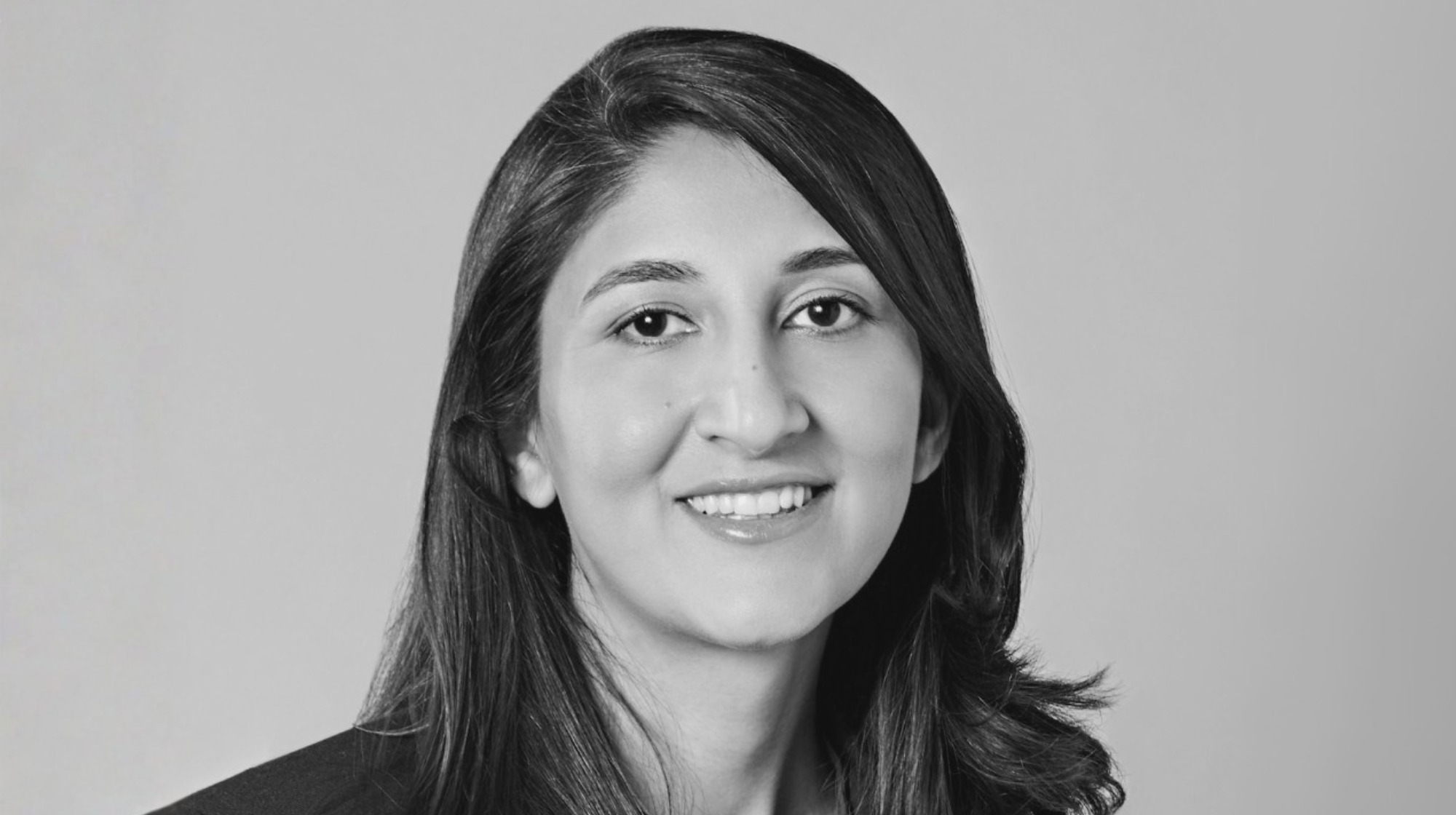
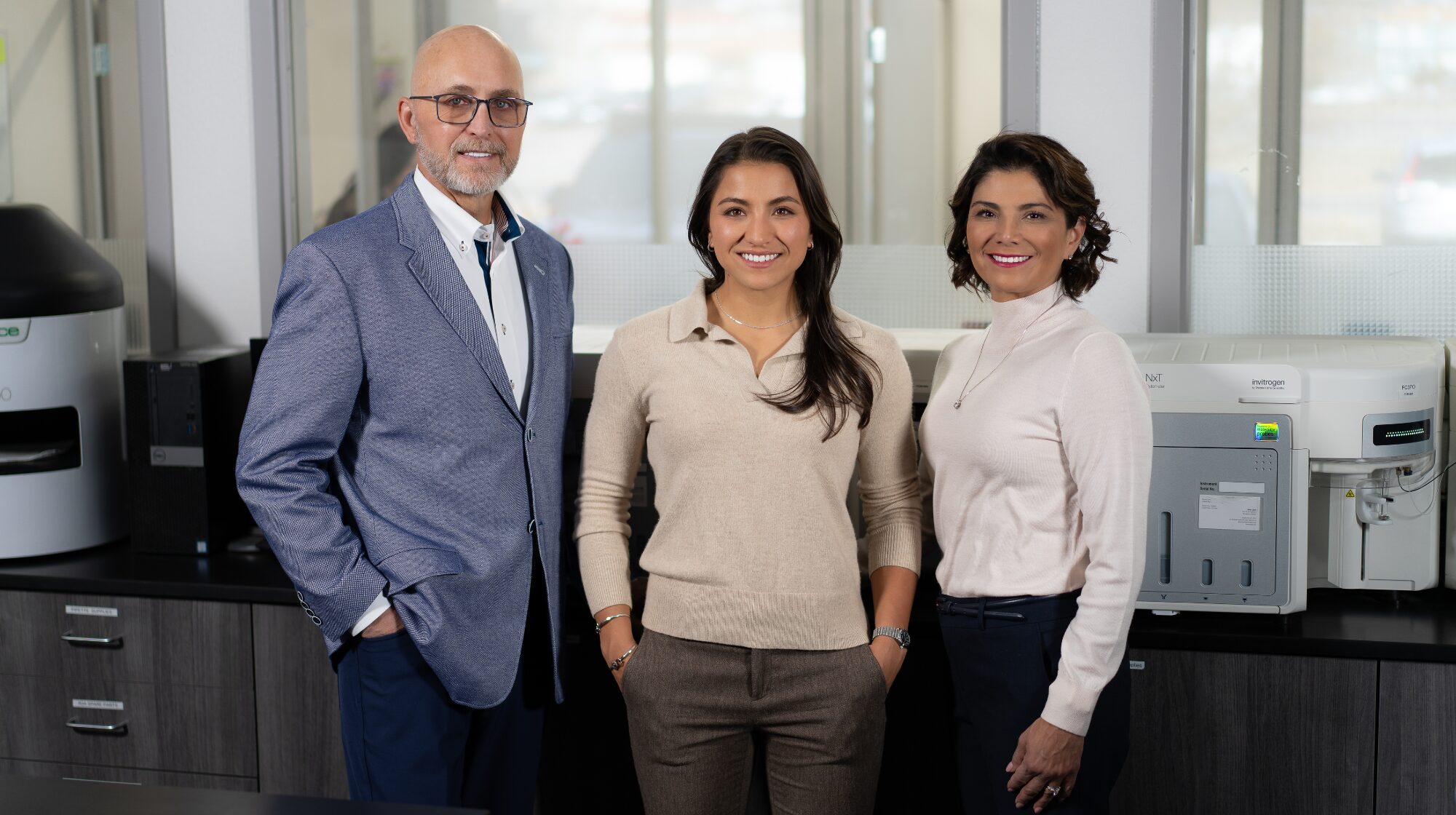
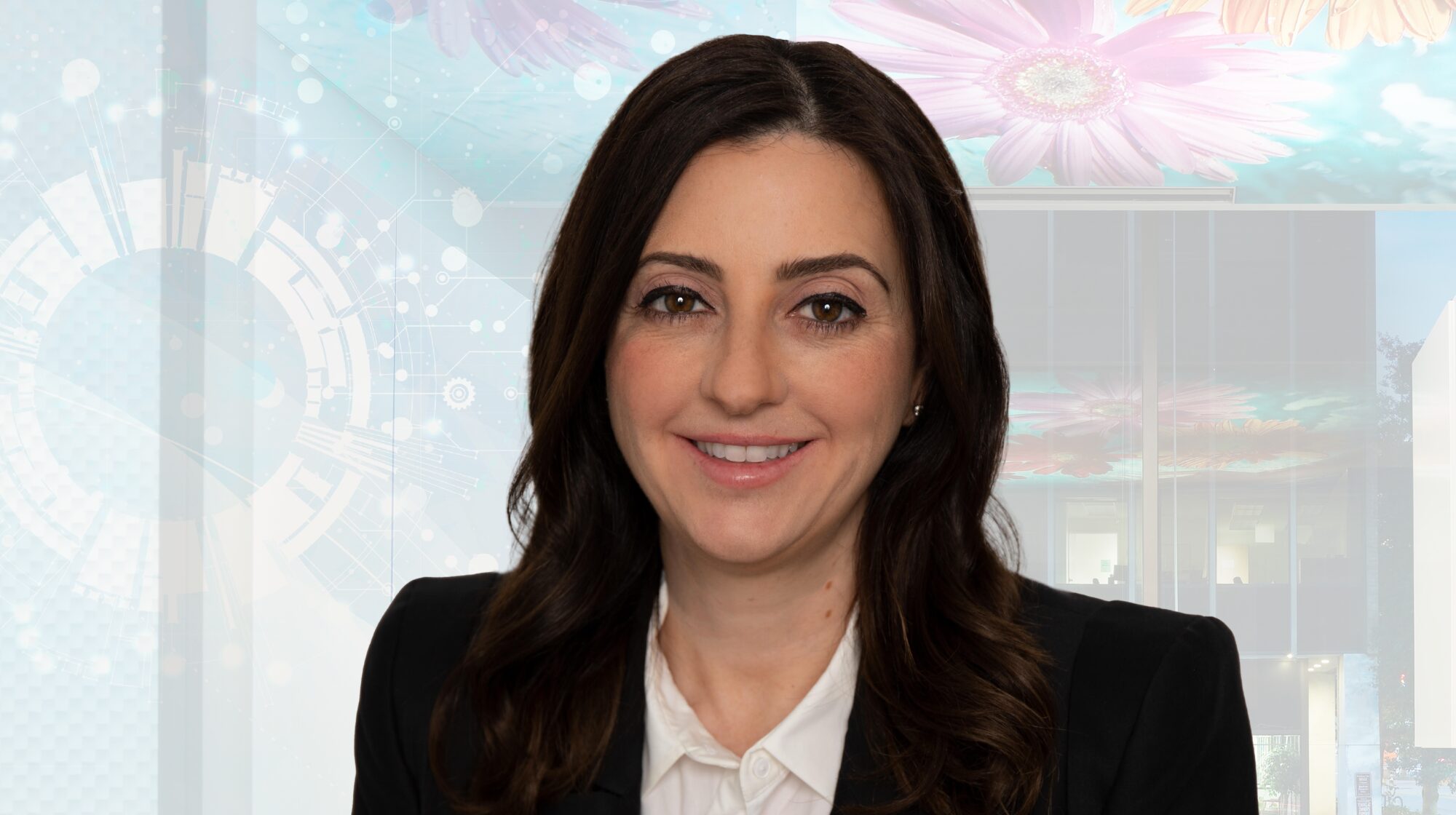
With a unique background in healthcare and medical technology, Kristin Dietzler takes on her role as president of Patterson Dental with a clear vision and the drive to deliver transformative change. Having recently stepped into her position, her insights and aspirations reflect her unique background.

Kristin has deep Midwestern roots and values. Born and raised in Minnesota, she began her career in the state working as a sales representative for a small medical device firm. She was quickly promoted to regional management, then national account management, and ultimately executive leadership roles. She has held positions such as zone vice president and vice president of sales. Later, Kristin worked for Carestream — not in its dental division but in medical imaging — where she ran operations for the Americas.

Patterson’s mission aligned perfectly with Kristin’s background, offering her the chance to leverage her expertise to address the complexities of dentistry.

As Patterson prides itself on having a multi-segment approach to the dental market, bringing technology and business services to the different customers they serve, from single location to multi-location organizations of all sizes, they are also excited to utilize Kristen’s vast experience leading multi-faceted sales organizations.

Reflecting on her approach to leadership, Kristin says, “The people around me are the most important thing when you’re driving a business. Trust and collaboration with the team are crucial.”

Quote
“Trust and collaboration are the cornerstones of effective leadership”

Her vision for Patterson centers on this principle: fostering collaboration and building meaningful relationships within the team to drive the company forward.

In her first weeks at Patterson, Kristin met with over 30 customers in person and spent time in the field with technicians and sales representatives. This hands-on approach was more than just an introduction — it was her way of uncovering both the challenges and the opportunities directly from the source.

“I’m very inquisitive,” she explains.

“I’m asking questions to understand where there are opportunities for improvement.”

This focus on understanding has already begun shaping her leadership strategy at Patterson.

Kristin’s early interactions revealed a strong desire for change within the industry.

“I’ve been humbled by how much people want to embrace change,” she says.

“They all see there’s a need for it, but nobody quite knows how to get there yet. The greatest part is that everybody wants to participate and provide ideas. It’s so encouraging and energizing.”

Kristin’s experience in healthcare gives her a refreshing perspective on the dental industry’s current state. She is able to see clear
opportunities to help Patterson bridge the gap between dentistry and other industries. She is determined to position Patterson as a leader in driving these advancements.

Kristin envisions Patterson as a driving force in streamlining operations to help private practices and DSOs build, grow, optimize, and sustain their practices. By tackling challenges like hiring and training staff and navigating reimbursement complexities, she believes the company can equip dentists with the resources they need to focus entirely on their patients and deliver the exceptional care possible.

Patterson is proud to partner with teams to offer guidance and support on how to improve productivity and efficiencies with an eye towards improving overall operations. “We want to streamline a lot of back-office components to help teams and DSO’s thrive,” she explains.

Advertisements

While Patterson has traditionally been a distributor, she envisions the company expanding its portfolio to include innovative tools and
services that address broader industry needs. Their role is to deliver trusted expertise and unrivaled support, transcending products and pricing.

Quote
“We are curating a portfolio of innovative products that tell a whole story.”
Kristin Dietzler
President of Patterson Dental

Kristin is determined to elevate Patterson’s offerings with innovations that redefine patient care. One standout example is the Solea All-Tissue Laser by Convergent Dental, a cutting-edge technology designed for anesthesia-, blood-, and pain-free procedures in hard and soft tissue. Solea elevates the patient experience for all ages and also provides practices opportunities to expand into new procedures. By introducing advanced technologies such as this, she aims not just to improve care but to revolutionize how dentists approach their practice, ensuring patients experience better and more effective treatments.

“We want to partner with DSO leaders by showing them solutions to improve their lives, their practices and their patients’ lives — we will provide tools that modernize what they are already doing.”

She also sees potential for Patterson to play a role in addressing some of the dental industry’s most pressing challenges, such as the shortage of hygienists and the need for greater public understanding of oral health’s impact on overall health.

“Even if the percentage of people in the U.S. regularly seeing a dentist rises from 40% to 60%, we still wouldn’t have enough people to meet that demand,” she explains. “How do we get more people involved in this crucial industry to supply necessary care?”

To get there, Kristin believes trust and collaboration are the cornerstones of effective leadership, and it is how she’s building her team. She wants her team to feel empowered to take calculated risks, deliver bold solutions, and encourage innovation to advance the dental industry.

This openness to experimentation has already sparked conversations with manufacturers about new approaches to address shared challenges.

“When you have that type of open conversation with people as a leader, there is no limit,” she remarks.

Kristin is setting an ambitious course for Patterson, driving a new go-to-market strategy that sharpens its competitive edge. She is assembling specialized teams to deliver tailored support for dentists and harnessing the power of data and artificial intelligence to revolutionize decision-making across the organization and in the dental industry.

Kristin’s approach to leadership reflects her drive to inspire others and make a tangible impact. In particular, for women and aspiring leaders, she emphasizes the importance of seizing opportunities without waiting for everything to be perfectly in place. Be ready to try new things and stretch ourselves.

“Years ago, I had a job opening for a VP of marketing, I knew exactly who I wanted for the job,” she recalls.

“But that person didn’t apply because she didn’t think she met every requirement. So, I walked down to her office and said, ‘Why aren’t you applying?’”

“No one gets a job and knows everything about it. That’s not how it works,” she says. “You learn in jobs. Anytime you can do something outside your comfort zone to get exposure and experience, do it.”

Kristin encourages others to take on challenges outside their comfort zones and seek mentorship and growth opportunities.

As Kristin settles into her role at Patterson, her vision and determination are evident. She is on the ground, embracing the opportunities and challenges ahead. Her hands-on approach, forward-thinking vision, and focus on collaboration position her to drive meaningful change at Patterson, for DSOs, and in the dental industry at large.

“At the end of the day, my strongest motivation is to see the people around me succeed. I love a team that sees the vision and knows exactly what we’re doing and why we’re doing it. That’s how you build success.”

Gain ACCESS TO
INSPIRING
stories
Get membership
Trending

Navigating the Intersection of Dentistry and Business

03/06/2025
|
6 min. to read


Dr. Aman Kaur
Founder and President
Women In DSO®

The dental industry has witnessed a remarkable surge in growth and innovation driven by the emergence of Dental Service Organizations (DSOs). As a result, more dentists and investors are attempting to create DSOs. However, a successful solo or small group practice does not guarantee the successful operation of a DSO, and similarly, the days of purchasing practices and later selling them for a large profit without ever understanding the business of dentistry are also over. A thorough understanding of the underlying business of dentistry and the challenges of scaling a successful DSO is critical to success.

The Rise of DSOs

In response to the rising costs of operating solo or small group practices, DSOs have continued to grow. However, nearly 65% of the dental industry remains fragmented, providing a significant runway for further consolidation and growth of DSOs.

DSOs have reshaped the traditional model of dental practices by centralizing administrative support functions, leveraging economies of scale, and providing dentists access to advanced technology and resources. This model allows dentists to focus primarily on patient care while benefiting from enhanced operational efficiency and financial stability of the DSO. As a result, DSOs have become an attractive option for established practitioners seeking long-term stability and success and recent dental graduates seeking career opportunities, professional growth and work-life balance.

Passion for Dental Care

A DSO’s true customer is its affiliated dentists.

At the heart of every successful DSO is a commitment to providing exceptional dental care and helping its providers grow as clinicians and as leaders. DSO leaders who are genuinely passionate about dentistry can then inspire their teams to deliver the highest standard of patient care while upholding shared values and professional integrity. This passion drives clinical excellence and fosters a sense of purpose and fulfillment among dental professionals, enhancing job satisfaction and patient loyalty. Investing in ongoing education and professional development for dentists and clinical team members helps to ensure they stay abreast of the latest advancements in dental
technology, techniques, and patient care practices. Pouring into teams helps teams pour out to patients.

By nurturing a culture of continuous learning and improvement, DSOs can differentiate themselves in a competitive market and attract top talent who share their commitment to excellence. This approach bolsters clinical outcomes and reinforces a supportive and positive work environment, ultimately driving the organization’s long-term success and sustainability.

Financial Growth and Business Acumen

Even though the dental industry presents significant opportunities for financial success, navigating the complexities of running a DSO requires more than basic business understanding of dental practice operations and clinical expertise. As a result, private equity and other business partners are often critical to the short-term and long-term success of DSOs. Effective partnership requires a keen understanding of financial management, strategic planning, and market dynamics for patients and providers – in addition to unwavering commitment to quality patient care.

Advertisements

“Navigating the
complexities of
running a DSO
requires more than
basic business
understanding of
dental practice
operations and
clinical expertise.”

The dental landscape is constantly evolving, with shifts in reimbursement models, regulatory requirements, and patient preferences. Teams leading the DSOs must be able to look beyond what’s in front of them while also analyzing data, identifying growth opportunities, and implementing sustainable business strategies. The most successful DSO leaders stay abreast of these changes, adapt accordingly, and foster a culture of innovation within their organizations. By embracing technology, exploring new revenue streams, and optimizing operational efficiency, DSOs can position themselves for long-term financial growth and sustainability. Furthermore, having the right business partner can help integrate new technologies to alleviate pain points and maximize the value of the investment.

Building a Positive Organizational Culture

The success of a DSO hinges not only on financial performance but also on its ability to attract, engage, and retain talented dentists and team members at all levels. Cultivating a positive organizational culture starts by building trust, transparency, and mutual respect. Influential leaders prioritize their team members’ well-being and professional development, fostering a supportive environment where individuals feel valued, empowered, and motivated to excel.

Dental office staff positions are often a stepping stone to many; in order to retain and develop talented teams internally, well-defined career paths in dental organizations are critical. A career path is essential for anyone who wants to scale up a DSO by retaining talent with institutional knowledge. These initiatives must be proactive and embrace diversity of thought, background, and experiences.

Cultivating a culture of open communication and transparency also enables leaders to address challenges proactively, resolve conflicts constructively, and build consensus around shared goals and values. It is imperative to have processes to understand how front-line culture compares to corporate culture and how the two should share common principles.

Retaining Dentists

Retaining talented practitioners is very important to all DSO’s success in today’s competitive market. While competitive compensation and benefits are important, they are not the sole determinants of retention. Leaders must also create a supportive work environment where dentists feel personally valued, professionally challenged, intellectually stimulated, and emotionally fulfilled.

“A DSO’s true
customer is its
affiliated dentists.”

Many dentists today seek flexible work schedules or shorter work weeks. Flexible work schedules allow dentists to partner with other clinicians at the practice, promoting collegiality and the ability to partner on patient care. At the same time, entrepreneurship is growing among the future generation of dentists, along with their desire to have well-balanced lifestyles. This provides DSOs with a great advantage by offering affiliated dentists ownership opportunities or joint ventures to attract and retain these dentists.

Conclusion

The dental industry continues to be an attractive industry offering ample opportunities for financial growth, professional development, and clinical excellence, but it is a marathon and not a sprint. Realizing these opportunities requires visionary leadership equipped with the necessary skills to successfully navigate the intersection of dentistry and business. The dental landscape is changing quicker than most can keep up, and it’s not for the faint of heart or the novice. It’s a journey that demands resilience, dedication, and a strategic vision along with a passion for dentistry. The silver lining is that you can count on support throughout the process by partnering with experienced people who have done this successfully.

Gain ACCESS TO
INSPIRING
stories
Get membership
C-Suite

Authentic Leadership

03/06/2025
|
7 min. to read

How Truth and Trust Drive Organizational Success

By Dr. Greg White
CEO, PepperPointe Partnerships


Speaking the truth is not always easy, yet embracing the truth fully can lead to unexpected and extraordinary adventures. While the outcome may be uncertain, letting go of the need to control outcomes allows for the opportunity to experience life’s greatest adventures in full form.

This principle of embracing truth, letting go of the desire for predictable outcomes, and trusting the process has, in many ways, shaped my approach to business. Whether consciously or not, I have adopted this ethos as a cornerstone of my leadership philosophy: tell the truth, trust in the adventure, and have faith that everything will work out as it should.

For me, this goes beyond mere optimism. It is a belief in the power of transparency and authenticity to guide organizations toward meaningful progress. When applied to leadership, the practice of telling the truth and embracing the unknown can radically transform the trajectory of a company while simultaneously empowering and retaining the right people on the team.

The Foundation of Organizational Culture: The People

Before delving into the transformative power of truth in leadership, let’s first recognize where organizational culture begins — within the people themselves. It is an obvious truth, yet it deserves constant reaffirmation. The individuals who make up a team are the heartbeat of the organization’s culture. They are the architects of its development, the stewards of its maintenance, and the ones who bring the ethos of the company to life daily. They all have one thing in common: they share core values!

No amount of strategy or planning can replace the need for the right people in the right roles. Cultivating a culture that is not only aligned with the company’s purpose but also fosters collaboration, trust, and innovation is a direct result of the individuals who embody those values and principles.

The Continuity of Culture: Shared Purpose

At its core, organizational culture is not defined by what you do, it is defined by who you are as an organization. Understanding this distinction is crucial to building a resilient culture. The question you must ask is not just, “What products or services do we offer?” but also, “What does our organization stand for?” and, “How does what we stand for resonate with our customers?”

This clarity of purpose needs to be communicated clearly and consistently with team members. It is a leader’s responsibility to be transparent about where the company currently stands and where it is headed. Without this clarity, the absence of a clear direction breeds anxiety and confusion among teams. When people do not understand the destination or how to get there, progress stalls.

While your core values and the essence of an organization’s purpose should remain unchanged, the specific goals and strategies adapted to achieve them must evolve. The marketplace, technologies, and societal needs will always shift, and companies risk stagnation by failing to adapt. A testament to a successful leader is one that is flexible, willing to pivot when necessary, and open to refining strategies to continue pushing the organization forward.

Trust: The Bedrock of Momentum

Trust, in my experience, is not something that can be demanded — it is something that must be earned, day by day, through consistency, honesty, transparency, and reliability. It is the foundation upon which all productive and meaningful relationships are built.

When trust is established within a team, it creates an energy that propels everyone toward achieving shared goals. People are more likely to invest time, effort, and passion into something they believe in and trust. This trust fuels momentum, turning ambitious goals into tangible accomplishments. But for trust to flourish, leaders must demonstrate a consistent commitment to doing the right thing — especially in times of uncertainty or difficulty.

Tips for Building Trust

→ Communicate transparently.
→ Act consistently.
→ Do what you say.
→ Foster collaboration and relationships.
→ Acknowledge contributions.
→ Provide timely and constructive feedback.

The Path to Innovation: Structure and Flexibility

Innovation thrives in environments where ideas can be freely shared and explored, but ideas alone are not enough. To transform an idea into a breakthrough product, service, or process, it must be integrated into a well-defined structure that enables its practical implementation.

Advertisements

The true challenge lies in the intersection of creativity and efficiency: structuring innovation so that it is both inspiring and achievable. While the possibilities are endless, it is essential to focus on ideas that are not only compelling but also realistic.
Ideas that inspire action and are within the realm of possibility. This is where a team’s creativity and technical acumen come into play. By establishing a system that can produce, refine, and implement those ideas, leaders build a culture of innovation that has the potential to change the trajectory of the entire organization.

Moreover, maintaining flexibility and clarity are the keys to sustaining innovation. The business world is constantly evolving, and staying
attuned to industry trends, customer feedback, and technological advancements is crucial for adapting and evolving ideas.

A Culture of Accountability and Adaptability

Accountability is a central tenet of a high-performing team. It begins with leaders who hold themselves accountable first, leading by example in every decision, choice, and action. Once leaders demonstrate this commitment, they can foster a culture where team members feel empowered to hold themselves and each other accountable as well. This isn’t about enforcing rules but instead about creating a shared sense of responsibility for success. If done well, leaders manage the process, not people.

Accountability and adaptability are especially critical in industries that are prone to disruption and rapid change. In such environments, sticking to old strategies simply because they were once effective is a recipe for failure. Instead, leaders must be willing to adapt, shift strategies, and reassess goals in response to external changes.

Being flexible doesn’t mean abandoning principles. Sometimes, it means being willing to evolve tactics and find new ways of achieving the same long-term vision. In fact, innovation often stems from the willingness to take risks, experiment with new ideas, and continuously adapt.

Building a Strong Team: The BHAGs

At the heart of any thriving organization is a team that is united by a bold, shared vision. This vision, often articulated through Big Hairy Audacious Goals (BHAGs), provides a compelling sense of direction and purpose. These goals should be ambitious, challenging, and inspiring — just enough to motivate a team to push boundaries and dream big.

When building a team, look for individuals who are not only seeking a paycheck but also deeply invested in the company’s mission and vision. Seek out individuals who are passionate about making a tangible difference, who believe in the core values that guide the organization, and who are committed to the shared journey toward achieving BHAGs.

Building a team like this requires cultivating an environment where each individual feels valued, supported, and empowered to contribute their best work. Whether through pilot programs, ongoing professional development, or fostering a spirit of collaboration, leaders must ensure that they are investing in the growth and well-being of their team, which will further their attachment to not only the company, but its mission.

Conclusion: Lead Through Truth and Trust

To lead effectively, leaders must embrace the truth — both the successes and the failures — and trust that it will guide teams through the unknown. Leadership is not about controlling the outcome but empowering the team to navigate the journey together. By building a culture of trust, accountability, and innovation, and by maintaining a deep commitment to an organization’s core values and purpose, leaders can set companies on a path toward sustainable growth and success.

In the end, when you lead with authenticity and a shared sense of purpose, teams will not only follow, but you will also inspire them to embark on the greatest adventure of their careers. And together, there is no limit to what can be achieved.

Dr. Greg White

Dr. Greg White serves as the president and CEO of PepperPointe Partnerships, and is one of the founding partners of White, Greer and Maggard Orthodontics (WGM).  WGM formed in 1991, and is currently par of one of the largest, privately-owned pediatric and orthodontic group practices in the country.  Prior to leading PepperPointe’s significant growth, he actively practiced orthodontics for more than 25 years.

Gain ACCESS TO
INSPIRING
stories
Get membership
Leaders

The Ripple Effect

03/06/2025
|
6 min. to read

Dr. Michael A. Pikos did not set out to change lives or even to be an oral surgeon. Yet, driven by an innate desire to make a difference, his journey has grown into an enduring legacy that spans decades, geographies, and generations of dental professionals.

To fully appreciate today’s impact, let’s rewind to 1990 when Dr. Pikos was a practicing Oral Maxillofacial Surgeon who welcomed eight clinicians into the second floor of his practice in Palm Harbor, Florida. Armed with two projectors and a passion to share his knowledge, Dr. Pikos began teaching others the intricacies of bone grafting and implant dentistry.

Over three decades later, what is now known as the Pikos Institute has grown into a hub for dental professionals worldwide focusing on surgical implant and cosmetic dentistry CE courses, with attendees from all 50 states and over 65 countries. At the heart of his story is the remarkable success of the Pikos Institute and the lives he has transformed along the way.

“Honesty and integrity have been my guiding values,” Dr. Pikos shares. “I’ve always believed in showing the good, the bad, and the ugly. I share complications as openly as successes. That transparency builds trust and credibility.”

Over the years, Dr. Pikos has fostered relationships that embody such qualities. He has also mentored more than a hundred promising dentists and has taught more than 6,500 students through the Pikos Institute.

One connection in particular stands out: Dr. Jennifer Doobrow, a nationally recognized periodontist and educator.

Many years ago, Dr. Pikos and Dr. Doobrow met unassumingly at a quaint BioHorizons dinner. Dr. Doobrow, a young periodontist, was placed across the table from Dr. Pikos, a recognized leader in the field with a stellar clinical reputation that she had admired from afar. They connected immediately. For Dr. Pikos, it was Dr. Doobrow’s enthusiasm and passion; for Dr. Doobrow, it was Dr. Pikos’s kindness and curiosity.

Dr. Doobrow’s father, a practicing periodontist and her biggest cheerleader, passed away suddenly during her surgical residency. So, when she met Dr. Pikos, she was still grappling with the unimaginable loss of her father — her role model and trusted mentor.

“I was thrust into managing two periodontal practices while finishing my residency. It was like being thrown into the deep end without knowing how to swim,” Dr. Doobrow recalls.

The two remained in touch, and Dr. Pikos soon became a mentor to Dr. Doobrow. Dr. Pikos’ support helped fill an irreplaceable void left by her father, offering not just practical advice on how to run a practice, but the emotional support needed to navigate the weight of the responsibility.

“When my dad passed, there were so many people who lifted me up. But Dr. Pikos — he carried me,” she shares.

Dr. Pikos’ ability to see not only Dr. Doobrow’s potential but also the struggles she faced made his mentorship so transformative.

“I saw resilience and a deep well of strength in Jennifer. She faced challenges that would break most people, yet she emerged with grace and determination. She reminded me of why I started teaching in the first place,” Dr. Pikos shares.

“The first thing he told me was, ‘Family always comes first.’ That advice shaped how I approach everything — from balancing my roles as a mom and a clinician to how I lead and teach others today,” Dr. Doobrow adds.

Today, Dr. Doobrow carries forward the values instilled in her by both her late father and Dr. Pikos. She has continued her father’s legacy by running his practice while creating her own.

Advertisements

In addition to her practice and to teaching, Dr. Doobrow is also a leader. As the Immediate Past President of the Southern Academy of Periodontology, she is now President-Elect of the Alabama Dental Assocation. She also serves on the Board of Trustees for the American Academy of Periodontology and chairs BioHorizons’ “WISE” initiative (Women in Implantology Supporting and Empowering).

Her commitment to excellence in each of these roles reflects a deep connection she feels to her roots and the responsibility she carries to inspire others in her profession.

“There isn’t a week that goes by where I don’t see a patient my dad treated. It’s a reminder of the impact we can have — not just in our patients’ lives but in our communities,” she says.

One of the qualities Dr. Pikos admires most about Dr. Doobrow is her ability to connect with others.

“She has this incredible ability to lead with authenticity and compassion. That’s invaluable in our field,” Dr. Pikos adds.

For Dr. Doobrow, these qualities are rooted in gratitude.

“When my dad passed, I told everyone who offered to help that I was a sponge. I soaked up everything. I’ve been carried on the shoulders of giants. Now, I try to pay that forward by extending it to others — offering guidance, mentorship, and support,” Dr. Doobrow shares.

The Pikos Institute itself has evolved to reflect these values. What began as a modest gathering of doctors in a small practice and has grown into an internationally recognized premier provider for oral surgery and implantology focused continuing education institution. Dr. Pikos emphasizes that clinicians are trained in implant surgical technical skills and guided in how to think critically and navigate complex cases confidently. With a strong focus on mentorship, it’s become a unique hub for professional development.

“We demystify implant dentistry. It’s not just about techniques — it’s about fostering a deeper understanding and creating a culture of excellence,” Dr. Pikos shares.

Along with the growth of the Pikos Institute, Dr. Doobrow’s role has also grown. From her early days as one of its first faculty members to her current position as a key leader, she has worked tirelessly to uphold and expand Dr. Pikos’ vision. Her contributions have helped the institute remain at the forefront of dental implant education, particularly in its efforts to elevate women in the field.

“Dr. Pikos has always believed in celebrating everyone. He’s created a space where professionals from all backgrounds feel welcomed and empowered to learn and grow,” Jennifer remarks.

Both Dr. Pikos and Dr. Doobrow agree that the true measure of success lies in their impact on others.

“When you teach one clinician, you’re impacting thousands of patients. As I reflect on the legacy I hope to create, the real reward is knowing that what we’re building here will outlast us,” shares Dr. Pikos.

Dr. Doobrow echoes this sentiment, adding her own perspective shaped by her personal life and professional achievements.

“My dad’s legacy lives on through the patients he treated and through me. And now, through my own work as a clinician, educator, and leader, I am creating my own legacy. At the end of the day, it’s about more than just dentistry — it’s about relationships, resilience, and the courage to keep learning and growing.”

Gain ACCESS TO
INSPIRING
stories
Get membership
Products

AI Insights
from Planet DDS

10/17/2024
|
5 min. to read

Artificial intelligence (AI) has undeniably surged into nearly every industry, and dentistry is no exception. What was once the realm of science fiction is now a practical reality transforming how we work. We spoke with Beth Gaddis, Editor in Chief at Planet DDS, to get her unique take on how AI is being used in dentistry followed by a real-world case study showcasing how AI services from Planet DDS can have an impact on your practice.

Beth Gaddis
Editor in Chief, Planet DDS

What do you see as the top applications of AI in dentistry today? Two years from now?
“There are so many exciting AI applications available in dentistry right now, including AI-generated annotations for X-rays, which help doctors diagnose and help patients better visualize where they have cavities, abscesses, and bone loss. Planet DDS, for example, embeds AI into its X-ray software, Apteryx. The annotated X-rays can then be accessed from within the Denticon practice management system and attached to claims as supporting documentation. DentalXChange, which is fully integrated in several practice management systems, including Denticon and Cloud 9, uses artificial intelligence to confirm patient benefit eligibility, which reduces the need for time-consuming phone calls. AI can also help save time with patient communications. Denticon incorporates generative AI technology in patient emails, giving end-users the ability to generate unique images and messaging. New AI innovations include large language models (LLM). Many people are familiar with ChatGPT and other LLM products. In dentistry, authorized team members will be able to type in a request for data such as the number of crowns that have been treatment planned versus completed, including the corresponding revenue, and the practice management system will use natural language processing, structured data sets, and semantic data models to generate accurate results.”

What are the biggest benefits to AI in dentistry that too many are missing out on?
“AI technology increases efficiency, standardization, quality control, and job satisfaction. For example, AI can help introduce objectivity when it comes to diagnosing the presence of periodontal disease. AI automates the measurement of mesial and distal bone levels from the CEJ to the crest of bone, eliminating subjectivity in diagnosis. The findings help to validate the need for additional procedures such scaling and root planning and ensure team members are aligned.

What is the next big thing coming as it relates to AI?
“The future will move beyond simply analyzing data. Imagine AI-powered systems that not only flag potential issues but also suggest treatment options for the provider to consider, predict patient acceptance rates, and optimize scheduling and resource management based on real-time data. For example, connecting medical and dental databases would allow doctors to predict more accurately who might be at high risk of diabetes or heart disease based on the presence of periodontal disease. AI algorithms would analyze behavioral data, procedure data, and financial data such as the cost of services and whether the patient has pre-approved financing, and then predict the likelihood the patient will show up for their appointment. Planet DDS is developing computer vision models to read unstructured data such as insurance cards and clinical progress notes. Predictive analytics will make revenue cycle management so much easier, because AI will help predict which claims will get paid and which may get rejected.”

How should practices evaluate which AI services/providers are best for them?
“First, identify what you want the AI solution to accomplish. How will you measure if it’s meeting your needs? Is it saving you time? Saving you money? Generating additional revenue? Elevating patient care? Reducing stress or staff turnover? Then, ask the company for examples of how it’s helped other dental groups your size. They should be able to provide customer testimonials, case studies, and other resources.”

What are the biggest challenges for AI solution providers? What are you doing about it?
“One of the biggest challenges for AI solution providers in the dental industry is proving a clear return on investment (ROI) for practices. AI can be a significant investment, and dental professionals need to see tangible benefits in terms of efficiency, patient outcomes, and financial performance. At Planet DDS, we’re addressing this challenge by focusing on how AI can deliver measurable ROI through our DentalOS platform. It is designed to optimize the integration of AI into practice workflows, ensuring that AI-driven tools enhance productivity, reduce operational costs, and improve clinical accuracy. With this platform, we can provide one source of truth for the data via the practice management system. Typically, companies have to spend significant amounts of money and resources to ‘clean’ the data and prepare it for importing. We remove that obstacle.”

Advertisements

Case Study


CaliDental


Situation:
CaliDental, a multi-location DSO with nine offices, sought to provide consistent patient care and experience across all locations. Prior to adopting AI in 2023, the group had transitioned from a server-based practice management and imaging solution to a cloud-based platform, which was better suited for managing patient information centrally. This move was essential to delivering efficient, high-quality care, and adopting AI became the logical next step.

Task and Approach:
To standardize X-ray analysis and support treatment planning, CaliDental implemented the Apteryx AI imaging solution.


Results:
This technology led to a 10% increase in production, boosted confidence among younger doctors, and enhanced both patient care and satisfaction. It also contributed to greater job satisfaction among the team.

The introduction of AI-annotated images has also been positively received by CaliDental’s patients, shared Randa Seif, COO of CaliDental. AI demystifies X-rays, allowing patients to better understand what’s happening in their mouth and see how the issues can be addressed early. “Patients are seeing something they’ve never seen before—they can see that there’s an area on the X-ray that has a cavity and needs attention. Ultimately, they feel more confident in accepting treatment”

Learn more about what Planet DDS can do for you.

Gain ACCESS TO
INSPIRING
stories
Get membership
Products

Insights from an AI Pioneer

10/17/2024
|
6 min. to read

Artificial intelligence (AI) has emerged as a pivotal force across industries, and dentistry is no exception. As AI tools continue to mature, their practical application is transforming patient care, operational workflows, and overall practice management. To understand the true impact of this transformation, we turn to Srivatsan Laxman, a leading AI subject matter expert whose company has implemented groundbreaking AI technologies in dental care. In this article, we get his insight, as well as a real-world case study showcasing how AI can revolutionize the dental field when used thoughtfully and strategically.

Srivatsan Laxman
CEO, TrueLark

What do you see as the top applications of AI in dentistry today? Two years from now?
“Today: AI-powered dental image analysis, pathology detection and clinical decision support. AI-powered patient communication such as automated chat and SMS text-based patient support and lead conversion. In two years from now, it will be automated voice receptionists at the dental office that can handle both inbound and outbound communication tasks and full life cycle marketing automation including identifying targets, content development, and lead engagement and conversion. I also see actionable practice analytics over diverse data sources such as patient records, communications logs and imaging data.”

What are the biggest benefits to AI in dentistry that too many are missing out on?
“A reduction in labor costs. With the persistent labor shortages in the dental industry, finding and retaining qualified staff has become increasingly challenging and expensive. AI automates a high percentage of routine tasks, allowing practices to operate with fewer employees while maintaining or even improving service quality. This not only cuts costs but also allows staff to focus on more complex tasks, enhancing overall productivity. Patients today expect round-the-clock access to appointment booking and communication. With AI, practices can offer after-hours service without the need for additional staffing. AI provides actionable insights that help optimize operations, refine patient interactions, and ultimately improve retention, making AI a powerful tool for both patient experience and practice growth.”

What is the next big thing coming as it relates to AI?
“Multi-modal AI refers to AI systems that can process and integrate different types of input—such as text, voice, images, and data—into a unified experience. In a dental practice, this could mean an AI system that analyzes imaging, clinical data, and patient records simultaneously to provide more accurate diagnoses or treatment plans. Multi-agent AI takes it a step further by enabling different AI systems to collaborate on various tasks. One AI agent might focus on clinical decision-making, while another handles administrative tasks like inventory management or billing. These agents can communicate and share data, creating an integrated system that streamlines both operational and clinical workflows. This level of coordination can significantly enhance efficiency and improve overall patient care in ways that isolated AI tools cannot. As these multi-modal and multi-agent systems continue to evolve, they will open up new possibilities for dental practices, enabling smarter decision-making, better resource management, and more personalized care throughout the entire patient journey.”

Should smaller practices be pursuing AI any differently than larger group practices?
“Both small and large practices can benefit from AI, but the implementation approach may differ based on the practice’s size and complexity. Smaller practices typically have fewer systems to integrate, so they can quickly adopt AI to automate tasks like appointment scheduling and patient communications without much difficulty. This allows them to streamline operations and focus more on patient care. For large multi-practice organizations that operate call centers, AI can also enhance efficiency by handling a significant volume of routine calls and booking requests, freeing up staff to focus on more complex issues. Whether for a single practice or a large DSO, the key is to leverage AI’s flexibility and scalability to meet specific operational needs, ensuring consistent and efficient patient care across all locations.”

How should practices evaluate which AI services/providers are best for them?
“When evaluating AI services and providers, it’s crucial to look beyond the surface features and ask the right questions to ensure you’re choosing a solution that truly meets your needs. First, consider what problems you are trying to solve. Next, consider how the AI solution integrates with your existing practice management systems. A robust AI platform will seamlessly connect with your current tech stack, ensuring smooth operations without disrupting your workflow. Cost is another important factor. Be sure to evaluate not just the initial implementation cost, but also the ongoing expenses. The provider’s reputation and experience in the dental industry are also key. Look for a provider with a proven track record and deep industry knowledge. Finally, ensure that the provider offers ongoing support and training.”

Advertisements

What are the biggest challenges for AI solution providers?
“First, integration with existing dental software. Dental practices often use a variety of practice management systems (PMS) and messaging platforms, and seamless integration is crucial for the effective use of AI. TrueLark is deeply integrated with a wide range of PMS and messaging software, allowing our AI solution to work smoothly within a practice’s existing tech environment. We are also continually adding new integrations and are committed to maintaining an open developer environment to ensure our solution can adapt to the evolving needs of dental practices. Second, user adoption. User adoption is another significant challenge. Many dental professionals are still hesitant about using AI, especially when it comes to patient communications. To address this, TrueLark focuses on educating both front desk teams and executives about the benefits of AI and provides comprehensive training to help them understand how the technology can enhance their workflows.”

Case Study


SGA Dental Partners

Situation:
SGA Dental Partners faced challenges with missed
calls and lost leads, hindering their ability to efficiently manage patient communication, maximize revenue and scale quickly.

Task and Approach:
To address these challenges, SGA Dental Partners added TrueLark’s AI-powered patient communication solution. The platform answers 100% of patient calls and webchat inquiries, resolving the majority without requiring staff intervention. Patients can book, reschedule, cancel and get answers to questions while engaging in remarkably human-like conversations with TrueLark’s patented artificial intelligence. The solution integrates with PMS and messaging systems, keeping scheduling calendars updated in real-time.

Results:

  • Increased appointments: To date, SGA Dental Partners has booked over 13.4K appointments through TrueLark.
  • Improved efficiency: TrueLark has automated 106K conversations, with 62% requiring no staff intervention.
  • New patients: Within the first four months, SGA Dental Partners added over 900 new patients via TrueLark.

In today’s competitive market, effective patient communication and 24/7 self-service booking are essential for DSOs to thrive. TrueLark sets the gold standard in AI-driven patient communication, offering end-to-end call management and unparalleled automation. With the platform’s ability to enhance efficiency, reduce costs, and elevate patient satisfaction, DSOs can streamline their operations while improving the overall patient experience. By investing in AI solutions like TrueLark, DSOs can unlock new opportunities for growth and profitability, positioning themselves for long-term success.

Learn more about what TrueLark can do for you.

Gain ACCESS TO
INSPIRING
stories
Get membership
Products

AI Insights
from BOLA AI

10/16/2024
|
5 min. to read

In recent years, artificial intelligence (AI) has shifted from futuristic speculation to practical application in industries across the board. Dentistry, in particular, has witnessed this shift firsthand as AI reshapes everything from diagnostics to patient management. To delve into the real-world benefits and challenges of AI in dental practices, we sat down with a renowned AI expert, Rushi Ganmukhi CEO of BOLA AI. Rushi leads a company at the forefront of this change. This article captures his expert insights and presents a compelling case study that highlights how AI-driven solutions are making measurable improvements in dental care.

Rushi Ganmukhi
CEO, BOLA AI

What do you see as the top applications of AI in dentistry today? Two years from now?
“AI in dentistry is still in its early innings. Currently, most solutions are focused on optimizing a practice in very specific ways. Voice AI for charting, AI processing of radiographs, and AI for revenue cycle management are among the most prolific applications today. I think in the next few years the market will move from point-solutions – specific solutions for specific pain-points, to broader solutions that tackle a variety of problems throughout the entire user workflow.”

What is the next big thing coming as it relates to AI?
“I think generative AI has not really made the impact yet on dentistry that it has in other markets. We are excited to launch our own initiatives here as well as seeing where others are going to apply this novel technology. From a macro view, one of the big trends we are hearing from many companies is expanding their offerings to address more pain points throughout the workflow, and by doing this providing more comprehensive solutions. At Bola we started with AI for perio charting, and have expanded to clinical notes and restorative charting. By selling a comprehensive product suite we have extremely happy customers, who have bought one solution but are solving multiple problems.”

Should smaller practices be pursuing AI any differently than larger group practices?
“Smaller practices can benefit from AI, however they may not be able to do massive implementations or multiple products at once. My advice would be to start, but to start with a small enough chunk that they can find success quickly and to build from there. Onboard a single product that you can immediately measure the impact on.”

How should practices evaluate which AI services/providers are best for them?
“This is a great question and it’s where the rubber hits the road. Practices should ask about what implementation, what the time to generate value and what the investment from a staffing perspective looks like. Ideally offices have a crystal clear idea of what they are looking to improve prior to purchasing, i.e. hygiene production. These offices can then measure a benchmark and see exactly how much value the new technology is providing.”

What are the biggest challenges for users as it relates to using AI?
“The biggest challenge for any new technology is how easily it fits into the way customers are currently doing things. Most providers have spent years in school and practicing honing their workflow. We do not want to disturb that workflow, we want to enhance it. There are many products out there that provide value, but the big question with most of them is can they get users to use it and use it properly. That is the key and challenge with AI. It is crucial for any product to be easy to learn, easy to use and sticky for repeat usage. We place a premium on this in our product development and work directly with a variety of clinicians to ensure that it is a smooth experience.”

Case Study


One of the largest DSOs

Situation:
A large national DSO evaluated Bola AI with the goal of increasing treatment revenue from periodontal diseases. The hypothesis was that more comprehensive charts would lead to more diagnoses, resulting in increased treatment opportunities. The organization was also focused on boosting revenue while reducing the time and manual resources required for periodontal charting.

Advertisements

Task and Approach:
To test this, the DSO implemented Bola AI’s Clinical Voice Assistant in 27 practices, tracking the results over a three-month period. Each practice completed over 100 periodontal charts, with the data analyzed by a third-party analyst.

Results:
Bola AI saved dental hygienists an average of 18.5 minutes per day. Additionally, 77% more perio-related diagnoses were made, which increased revenue and led to fewer patients suffering from periodontitis.

The Bola AI implementation also improved the efficiency of appointment scheduling, as fewer dental assistants were required for new patient charting which reduced the need for assistants from 47% of the time to just 10%. Other key benefits included an increase in full quadrant treatments and improved acceptance rates for scaling and root planing (SPR). With an average installation and training time of less than 10 days, the system delivered a remarkable 14.2 ROI, with revenue returns 14 times higher than the initial investment and a payback period of just 1-2 months.

This study reveals two primary benefits for dental offices that use it.
The first order benefit is that it helps hygienists save time by completing periodontal charts more quickly and without having to rely so much on a second employee to record the data. The second order benefit is that it helps dental offices make more money by increasing the number of fully completed periodontal charts, which in turn frees up the hygienist to explain why relevant procedures are necessary, resulting in more production.

Taken together, it’s clear that Bola can benefit dental offices — especially if those offices are ready to implement the software within 10 days— and, most importantly, improve the life of hygienists.

Learn more about what Bola can do for you.

Gain ACCESS TO
INSPIRING
stories
Get membership
Products

AI Insights from Pearl

10/17/2024
|
6 min. to read

Artificial intelligence (AI) is transforming dentistry. From diagnostics to streamlining operations, AI is enhancing the way dental practices operate. To better understand AI’s role in dentistry, we spoke with Sheela Roth, Head of Clinical Education at Pearl.  Pearl is pioneering AI applications in dental care. Sheela’s perspective, coupled with a case study from Pearl, provides examples of how AI is reshaping the dental landscape—offering not just potential but proven results in patient care and practice efficiency.

Sheela Roth
Head of Clinical Education
What do you see as the top applications of AI in dentistry today? Two years from now?

“The most impactful AI applications in dentistry today are radiologic. The utility and simplicity of chairside tools like Pearl’s Second Opinion – which enhance the accuracy and consistency of diagnosis and case presentation at a fundamental level – have given AI a strong foothold in the dental future. Even where the applications incline toward practice management, the best rely on radiologic AI analysis of patient x-rays in conjunction with treatment information in patient records. Two years from now, we’ll see more of those computer vision-driven pathology detection and treatment planning capabilities integrated with more advanced digital dentistry tools like CBCT and CAD/CAM systems. AI will also be expanding into more predictive and preventive functions in diagnosis and treatment planning, while facilitating real-time adjudication of insurance claims and clinical training in dental schools.”

What are the biggest benefits to AI in dentistry that too many are missing out on?

“Too many dentists are missing out on every benefit of AI, because the vast majority of dentists in the world have yet to implement the technology. The pace of AI adoption in dentistry is accelerating rapidly, however, and that’s principally due to its impact as a diagnostic and case presentation aid. On average, dentists who use Pearl’s Second Opinion when reading and presenting x-rays to patients detect 37% more disease and increase case acceptance by 30%. Among those who are already using radiologic AI, there are many who are not yet leveraging AI for its extended benefits within the operational sphere. A tool like Practice Intelligence, which automatically identifies unmet clinical needs within a practice’s patient population, is regularly used to inform daily planning and morning huddles––but practices that aren’t using it across growth-oriented functions like marketing, patient recall and insurance verification are missing out on AI’s full value.”

Should smaller practices be pursuing AI any differently than larger group practices?

“AI is inherently scalable, offering consistent benefits across practices of any size. For single practices, AI enhances radiologic accuracy, boosts patient trust, and improves operational efficiency, leading to more productive chair time and streamlined insurance processes. These benefits scale seamlessly as practices grow. Small practices can easily integrate AI due to their smaller staff, whereas DSOs may face resistance from AI users who are not the direct buyers. To address this, Pearl has integrated its AI into existing software platforms, embedding AI into daily operations without disrupting workflows.”

How should practices evaluate which AI services/providers are best for them?

“When evaluating AI services, practices should start by focusing on how well the AI integrates with their existing systems and whether it enhances day-to-day operations without adding complexity. They should then identify their specific needs—whether it’s enhancing diagnostics, improving workflow efficiency, or boosting patient engagement. Key questions to ask include:

Does the AI integrate seamlessly with my existing imaging system? How easy is it to implement and train staff on the new tools? What is the provider’s track record in the dental industry? By tuning into these differentiators, practices will select an AI solution that aligns with their goals for both effectiveness and ease of use.”

Advertisements
What are the biggest challenges for AI solution providers?

“The biggest challenge for AI solution providers in dentistry is achieving interoperability within a fragmented software ecosystem. With hundreds of different imaging and practice management systems in use worldwide, AI systems must access, normalize, and interpret data from these disparate and often outdated platforms. Pearl has tackled this challenge by forging strategic partnerships with software companies worldwide, ensuring seamless integration and data accessibility. Our focus on interoperability and standardization has allowed Pearl to deliver AI’s consistent, scalable benefits to more dental practices of all sizes around the world than any other AI provider.”

Case Study

Rand Center for Dentistry

Situation:

Rand Center for Dentistry, a large multi-practice in New Jersey, faced a challenge maintaining incremental growth while operating at full capacity. Despite adding periodontal care to its specialty services, the practice struggled to achieve desired growth due to lower-than-expected rates of periodontal diagnosis. To address these issues, owner and founder Dr. Elliot Rand sought a solution that could tackle three core challenges: improve diagnostic consistency, increase patient acceptance of treatment plans, and boost the confidence of younger associate dentists and hygienists.

Task and Approach:

In May 2023, Rand Center for Dentistry implemented Pearl, an AI-driven dental software. The team selected Pearl for its superior capabilities in pathology detection, particularly in identifying carious lesions and periodontal conditions. Pearl was seamlessly integrated into the practice’s clinical workflow, providing real-time radiographic analysis during patient consultations, as well as practice-wide clinical insights based on AI analysis of historical patient imagery and treatment records. The team utilized Pearl to colorize areas of concern on X-rays, transforming grayscale images into clear, visually informative clinical guides. This approach helped patients understand the severity of their conditions, shifting conversations from “let’s watch this tooth” to “let’s treat this issue now.” The practice also used Pearl to measure and track clinical metrics, offering insights into the performance of individual providers and the overall practice.

Results:
  • Practice treatment acceptance rate jumped from 37% to 44%; exceeding the 35% national average.
  • PPV for general practitioners increased from an average of $460 to $520, yielding nearly $150,000 in the first month.
  • Periodontal disease detection rate doubled from 7% to 14%, with a projection to reach 18% by year-end.

Overall, the adoption of Pearl’s AI dental software directly addressed the initial challenges faced by Rand Center for Dentistry, leading to improved diagnostic consistency, increased treatment acceptance, and bolstered confidence among clinical staff. These advancements have not only enhanced patient care but also driven meaningful growth for the practice, particularly in its periodontal specialty services.

Learn more about what Pearl can do for you.

Gain ACCESS TO
INSPIRING
stories
Get membership
Trending

AI-Powered Dentistry

03/06/2025
|
7 min. to read

What’s Real, What’s Coming, and What to Do About It

Artificial intelligence (AI) has undeniably surged into nearly every industry, and dentistry is no exception. What was once the realm of science fiction is now a practical reality transforming how we work. This explosion of AI technologies is more than just a trend; it’s a seismic shift. Visionaries like Bill Gates have compared AI’s significance to groundbreaking innovations like electricity and the internet. Sir Patrick Vallance, the UK’s former chief scientist, even likened its impact to the Industrial Revolution. And as Google’s Sundar Pichai put it, AI is “more profound than fire or electricity.” In dentistry, AI is not just a tool but a transformative force that is reshaping the future of patient care and practice management.

While AI is often over-hyped, its potential and impact are undeniable, especially in healthcare. In dentistry, AI offers unprecedented opportunities to enhance operations, improve patient outcomes, and stay competitive in an increasingly digital landscape. But, it is not a magic bullet — it’s a broad toolkit that requires thoughtful application. Understanding when, where, and how to use AI is key to maximizing its benefits. The practical benefits of AI, such as faster and more accurate diagnostics, streamlined administrative tasks, and improved patient experience, should reassure you about its potential in practices of all sizes.

AI in Dentistry: What’s Real
Dentistry, though traditionally grounded in hands-on expertise, is seeing the benefits of AI across operations. From automating routine tasks to enhancing clinical decision-making, AI is enabling dental professionals to deliver faster, more accurate, and personalized care. The transformative power of AI can be seen in several key areas:

Enhanced Diagnostics:
AI-driven diagnostic tools analyze radiographs with high accuracy, detecting early signs of decay, gum disease, or oral cancer that may be missed by the human eye. This leads to earlier interventions and better patient outcomes.

AI Enhanced Workflow:
AI streamlines appointment scheduling, patient reminders, clinical documentation, and billing, reducing administrative burdens and freeing staff to focus on patient care.

Predictive Analytics:
AI-powered tools analyze patient data or company operations data to predict future outcomes, such as identifying patients at higher risk for conditions and suggesting preventive measures. For example, by analyzing a patient’s dental history and lifestyle factors, AI can
help identify those at higher risk for diabetes and suggest exercises and dietary changes.

Improved Patient Experience:
AI can enhance patient experience by enabling efficient and personalized care. Virtual assistants, for example, can provide patients with instant answers to common questions, reducing wait times and improving overall satisfaction. AI-enhanced radiographs highlight areas of concern, making it easier for patients to see and understand their diagnosis and treatment plans.

Marketing and Creative Services:
AI is also revolutionizing marketing and creative services in dentistry. For instance, AI can generate personalized content and marketing strategies tailored to specific patient demographics, helping practices attract and retain patients more effectively. An example
is using generative AI tools to create targeted social media campaigns, which can significantly improve patient engagement and brand visibility.

Survey Insights
A quick survey of our readership suggests most companies are using AI in some capacity. Group and single practices are more likely to have adopted AI, particularly in computer imaging, while industry suppliers and service providers are far more likely to use AI for marketing. Both sectors have seen improvement in administrative efficiency, with over 70% of practices reporting revenue growth from AI implementations.

Upcoming investments will focus on automating administrative tasks, and upskilling workforces to leverage AI. If you feel behind in AI adoption, you’re not alone— nearly 30% of organizations consider themselves lagging their peers in this area.

Quote
If you feel behind in AI adoption, you’re not alone — nearly 30% of organizations consider themselves lagging.

Debunking Myths of AI in Dentistry
Despite its benefits, AI in dentistry is surrounded by myths that can deter adoption. It’s time to set the record straight.

Myth #1: AI Will Replace Dentists
Reality: AI enhances, not replaces, human expertise. While AI can handle certain tasks with high accuracy, it cannot replace the nuanced decision-making and personalized care that dentists provide. AI’s role is to enhance diagnostics, streamline operations, and support better decision-making, but it is the dentist’s expertise that ultimately guides patient care.

Myth #2: AI is Too Expensive
Reality: While initial investments may be required, the long-term savings and ROI— through automation, improved diagnostic accuracy, and enhanced patient retention — far outweigh the costs.

Advertisements

Myth #3: AI is Only for Large Practices
Reality: AI solutions are scalable and accessible to practices of all sizes. Even smaller practices can leverage AI to improve efficiency and patient satisfaction.

Myth #4: AI is a Singular Technology
Reality: AI is an umbrella term encompassing various technologies like machine learning, natural language models, computer vision, and robotic process automation. These technologies work together to create powerful, layered solutions.

Myth #5: AI is Complicated to Implement
Reality: Many AI solutions are designed for seamless integration with existing systems. Comprehensive support from vendors ensures smooth transitions.

Myth #6: AI Can Solve Every Problem
Reality: Not every problem requires AI. Start with a clear business need, not the technology. Throwing AI at poorly defined problems leads to wasted resources and disappointment. AI should only be used when traditional methods do not provide an optimal solution. The fastest way to derail enterprise value is to throw AI at problems that are poorly defined or better suited to non-AI solutions.

Common AI technology applications available today:

Robotic Process Automation (RPA):
Rule-based software automations for repetitive computer-based tasks.

Robotic Assistant Systems:
AI-fed hardware that perform various physical healthcare tasks designed to enhance precision and improve outcomes.

Natural Language Models:
Understand, interpret, and generate human language.

Machine Learning (ML):
Identify patterns in data and make insights or decisions based on those patterns. This includes simple to complex patterns and relationships in data. Types of data science and ML include predictive analytics, deep learning models and expert systems.

Computer Vision:
Analyze images for diagnostics and treatment planning.

Generative AI:
Creation of text, narratives, characters, music, tones, voices, and images. Virtual Assistants are applications of these capabilities.

How to Integrate AI Into Your Practice

A strategic and methodical approach is essential to successfully integrate AI into a dental group practice.

Here’s how to navigate the process:
1. Strategic Planning
  • Conduct a Needs Assessment: Identify your practice’s pain points and where AI could offer the most value.
  • Set Clear Goals: Define measurable objectives, such as improving diagnostic accuracy or reducing no-show rates.
  • Data Quality: Ensure your technology infrastructure and data quality are solid before introducing AI.
2. Engage with AI Experts
  • Network: Consult AI experts or join industry groups. Learn from other practices that have successfully integrated AI.
  • Research Providers: Compare AI vendors based on ease of integration, support, and cost. Use demonstrations or trials to evaluate fit.
3. Training and Onboarding
  • Upskill Your Team: Provide comprehensive training for staff and appoint a “technology champion” to lead the transition.
  • Establish Best Practices: Create guidelines for interpreting AI-generated data and escalation protocols for human oversight.
4.Focus on Patient-Centric AI Applications
  • Ensure AI implementations improve patient care and experience. Whether through accurate diagnostics, personalized treatment, or enhanced communication, the patient should always be at the center.

As AI evolves, the dental industry will continue to benefit from more advanced tools and techniques. Practices that adopt AI now will lead the future, delivering superior care while achieving sustainable growth. AI is not a distant concept — it is here to stay, and its impact on dentistry is real. With the right strategy, tools, and training, your practice can harness the power of AI to enhance operations, improve patient outcomes, achieve sustainable growth, and stay ahead of the curve.

Become a MEMBER
TO READ THIS
article
Member accounts are free.
Access 100% of our digital articles.
Experience the digital flip book
Receive exclusive invites, notifications, and offers
Get Free membership
Already have acount? Sign in
Women in DSO®

Be Well: The Value of Networking

10/17/2024
|
3 min. to read

Professional networking is essential for navigating career twists and turns while also advancing within one’s team, organization, or industry. It’s not only integral to career satisfaction, but it also contributes significantly to overall wellness.

By fostering connections with colleagues, mentors, and industry peers, individuals can build a supportive network that offers emotional support and professional guidance. These relationships reduce feelings of isolation and loneliness. They also reduce stress commonly experienced in the workplace instead of promoting mental and emotional well-being.

Moreover, networking provides opportunities for personal growth, learning, and skill development, contributing to a sense of personal fulfillment and satisfaction in one’s professional life. Ultimately, by nurturing professional connections and investing in networking activities, individuals are bettering their overall wellness, leading to greater resilience and success in their careers.

Women in DSO® takes pride in providing numerous opportunities for individuals to harness the power of networking. Its mentorship program, webinars, online community, and annual summit cater to a diverse range of interests and needs. These initiatives are meticulously designed to guide members along their career paths, fostering success and supporting overall health and wellness.

Advertisements

Networking is a gateway to diverse perspectives and insights, a key to navigating challenges and seizing new opportunities. By connecting with professionals from various backgrounds, industries, and experiences, individuals gain access to a broader and more diverse range of perspectives. These perspectives can illuminate new paths, unlock creativity, innovation, and out-of-the-box thinking, and open doors to unlimited potential for new opportunities. Whether it’s job possibilities, collaborations, or community, networking is the vehicle for personal growth and evolution.

“At Women in DSO®, we prioritize networking because we understand the importance of cultivating supportive relationships that empower women to thrive professionally and personally,” shares Dr. Aman Kaur, founder and president of the organization.

“Networking is not just about making connections. It’s about building relationships that support overall wellbeing.”

Leesa Olson
Assistant Vice President Launch Loyalty Powered by Careington
Quote
“Being a part of Women in DSO® has been transformative for my career, providing invaluable networking opportunities that have fostered both personal and professional growth. When women come together in this supportive environment, it creates a space where we can speak freely, share openly, and form genuine friendships with our peers. Every woman I’ve met through Women in DSO® has been incredibly friendly and willing to help—it’s amazing how simply asking can unlock so many doors. This community has truly shown me the power of collaboration and mutual support.”


Dawn O’Connell
Chief of Practice Compliance Freedom Dental Management
Quote
“Women in DSO® has helped my career growth by increasing my confidence as a professional woman in an executive leadership role. The collaborative networking environment enhances decision-making efforts by offering access to members who have either navigated similar experiences, history with or employed by a vendor of interest, or are ready to offer supportive guidance and encouragement with a listening ear.”
Gain ACCESS TO
INSPIRING
stories
Get membership
Filter
Categories
Paspaudę „Įsigyti mokymus“ mygtuką būsite nukreipti į platformą, kurioje galėsite įsigyti šiuos mokymus.