Leaders

Lessons in Leadership

03/06/2025
|
1 min. to read

Learn from Women in DSO® members shaping the future of dentistry and DSOs. Their insights, tools, and secrets to success are yours to discover. Gain an intimate glimpse into the diverse world of leaders who illuminate the path forward with both inspiration and practical guidance.

Gain ACCESS TO
INSPIRING
stories
Get membership
Women in DSO®

Bold Moves & Rising Stars

07/06/2024
|
1 min. to read

Remarkable women across the industry are supporting great organizations with outstanding achievements, and well-deserved promotions. Join us in recognizing these Women in DSO® members and the empowering organizations that recognize their brilliance.

Gain ACCESS TO
INSPIRING
stories
Get membership
Uncategorized

The LEAD Launch Party

07/05/2024
|
1 min. to read

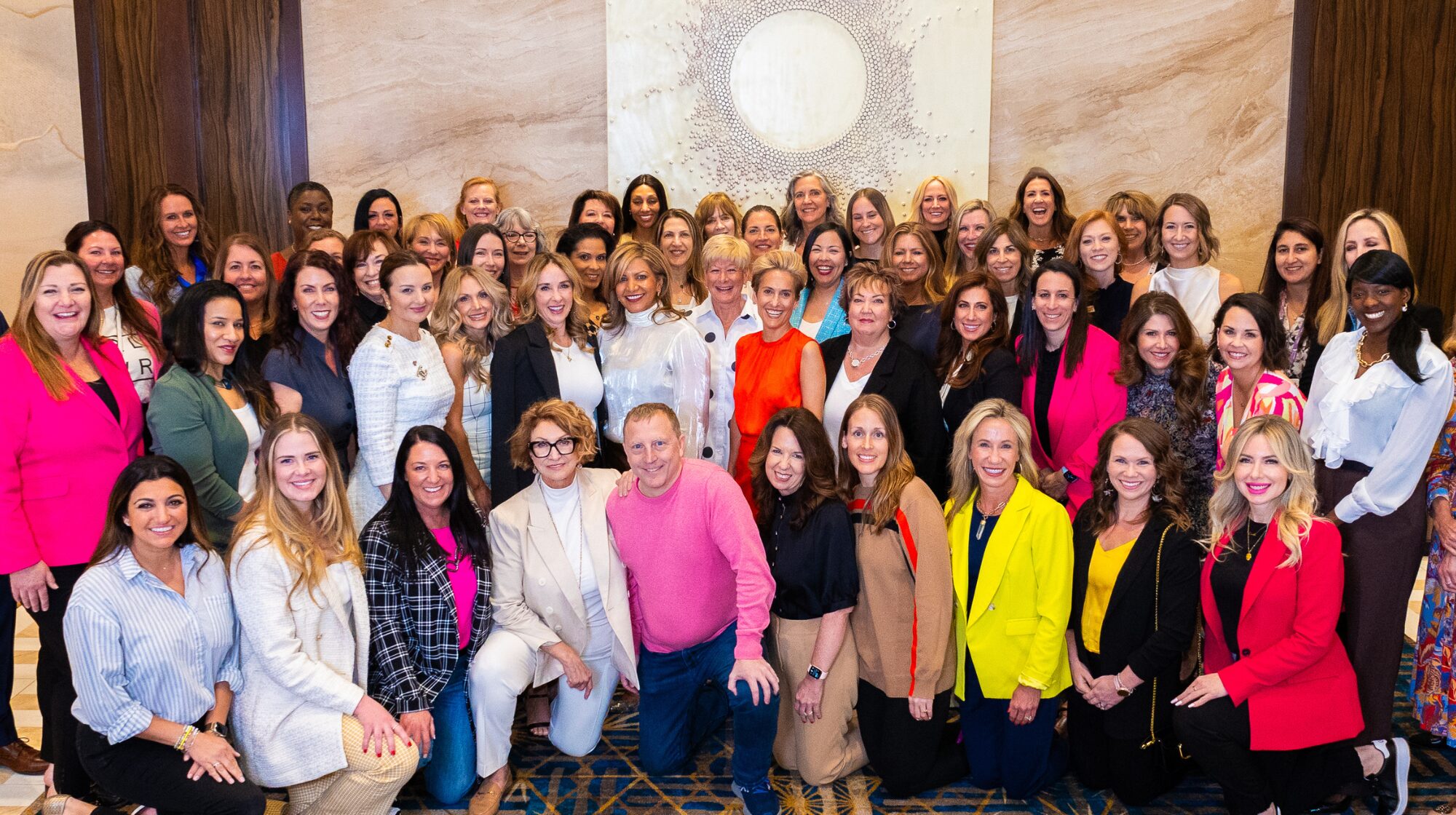
We are delighted to showcase the energy, elegance, and excitement of our unforgettable launch party at this year’s Empower & Grow. With an overwhelming turnout and a star-studded crowd from across the industry, the evening was a dazzling success. We look forward to celebrating with contributors, sponsors, and featured leaders at our next release party — see you at SmileCon in New Orleans this fall!

Become a MEMBER
TO READ THIS
article
Member accounts are free.
Access 100% of our digital articles.
Experience the digital flip book
Receive exclusive invites, notifications, and offers
Get Free membership
Already have acount? Sign in
Uncategorized

Empower & Grow 2024

07/05/2024
|
1 min. to read

Relive an unforgettable Empower & Grow 2024 through our photo gallery. Women in DSO® hosted over 900 attendees in another exceptional annual event in Las Vegas this Spring. Once again, the event was marked with high-energy, powerful speakers, meaningful networking, and transformative professional development. Experience the highlights and feel the excitement of this one of a kind event through our curated collection of photographs.

Gain ACCESS TO
INSPIRING
stories
Get membership
Products

Leveraging Contingent Labor for Sustained DSO Growth

10/17/2024
|
8 min. to read

Think beyond “quick fix” staffing to improve long-term recruitment, retention, and patient access to care.

Traditional temporary staffing solutions may fill a short-term need—but a consistent, contingent labor workforce can maximize capacity for existing operatories, flex to address evolving patient needs, and encourage long-term resilience and growth.

Acquisition, new builds, and capacity expansion: What’s the most strategic growth option for DSOs?
In the rapidly evolving landscape of dental care, dental service organization (DSO) leaders are confronted with a critical dilemma: how to most effectively grow revenue while mitigating risk. Should they acquire existing practices through due diligence, accurate valuation, and successful integration of leadership and staff? Should they invest time and money into new build-outs— which require capital-intensive site selection, construction, permitting, and hiring of new staff?

Could it simply be less risky—and more cost effective—to increase capacity within their existing practices?

Many DSO leaders do see the opportunity to expand operations wherever they may have under-utilized operatories or additional time slots on evenings and weekends. However, these opportunities are frequently hindered by staffing limitations, or the fact that existing full-time employees often do not want to take on these additional shifts. This brings to the forefront one emerging strategy for effective capacity expansion: contingent labor.

How dental practices use contingent labor to tackle staffing challenges
Temporary staffing once served as a mere stopgap to ensure continued production during employee absences. These days, it’s increasingly recognized for its ability to enhance flexibility and boost productivity in unused operatories during non-peak hours.

With access to vetted, trained, and W-2 compliant staff—who are willing to work as little as a single shift or as much as three to four days a week—practices can create more sophisticated staffing plans that fill the gaps, increase appointment availability for patients, and capture production with just a few new investments in operating overhead. This approach evolves temporary staffing into a more flexible and sustainable staffing strategy—one that relies on a contingent labor workforce that can regularly fill staffing needs for the long haul, without running afoul of any contract labor laws or regulations.

Investing in a mutually beneficial relationship: recruitment, retention, and employee value
Recruiting and retaining skilled staff (particularly hygienists) remains a significant undertaking; according to a recent study by the ADA Health Policy Institute, 88% of practices describe this task as “extremely challenging.” Issues of training shortcomings, salary dissatisfaction, and burnout are pervasive, with over a third of dentists feeling overworked. To address these challenges, DSOs must invest in their staff—and demonstrate how an employee’s value is inextricably linked to personal career development.

High-retention practices support their teams through training on new technologies and the creation of work environments where staff feel
genuinely valued. Yet temporary staff members are often left out of these retention efforts, though they experience the same issues of dissatisfaction and burnout when they feel undervalued or overwhelmed.

For every single place of employment, temporary dental workers must become deeply familiar with unique cultural and behavioral dynamics, the objectives and priorities of the business, the collection of tools and software, and ways to effectively contribute to the success of the practice. (This applies even when a temporary staff member works only sporadically for a practice.) When practice owners and managers acknowledge this reality—and choose to see “temps” as a consistent, contingent labor force worth investing in, both the practice and the dental professional will see significant growth.

Flexibility, stability, and increased access to care: The industry trends that point to contingent labor
Trends in the landscape highlight the necessity for DSOs to embrace more flexible staffing models that effectively meet both operational demands and patient expectations. A contingent labor model is particularly relevant for today’s workforce (ranging from students to long-serving professionals) — which increasingly values flexible employment that offers the stability of healthcare benefits, paid time off (PTO), and a predictable workload. Labor-compliant part-time roles not only accommodate these needs; they also mitigate patient cancellations and help manage the ever-fluctuating schedules of dental practices—ultimately protecting practices from lost revenue.

Contingent labor also addresses the needs of the patient community, which now demands shorter wait times, greater adaptability to their schedules, and more convenient appointment slots. As of March 2024, the average wait time for an initial appointment stood at 14.6 days. A contingent labor force can close this gap in access to care by opening up capacity for available production, or by taking on evening and weekend time frames.

With a contingent labor strategy, practices can respond to the growing demand for more dynamism in scheduling—increasing production for the practice, flexibility and stability for the dental professional, and access to care for the patient.

Successfully implementing a contingent labor strategy
At onDiem, we’ve made it a best practice to regularly collaborate with the leadership of the most successful DSOs in the country. It’s how our team can best understand the internal objectives and communication challenges DSO leaders face when optimizing staffing for production potential.

“I can’t confidently count on my area managers to give me an accurate perspective on who’s available to work, and when,” one executive told us. “I know my team members are taking additional shifts on temporary staffing platforms. I know they’d be willing to work in more flexible ways if I only had insight into their availability.”

This conversation, among others, helped us understand a key component of a successful contingent labor strategy: Practice managers must have accurate insight into when dental professionals are willing and able to work. Our team responded by developing the onDiem availability calendar—a platform feature that not only records a professional’s availability to work, but also dynamically updates a practice’s open shift calendar to optimize for the most effective and productive staffing mix. The same executive is now looking at ways to take advantage of our platform for their entire staff—not just for insight into overall availability, but also to take advantage of a cost-controlled way to ensure W-2 compliance and provide employee benefits such as health insurance and PTO.

How organizational leaders can start gaining the benefits of a contingent labor workforce:

1. REVIEW CURRENT ORGANIZATIONAL NEEDS.
Understand your existing staffing strategy to find the right contingent labor solution.

2 .DE-RISK BY GRASPING 1099 V. W-2 DISTINCTIONS.
Hiring a 1099 worker as an “easy fix” can lead to a costly, long-term headache. Turn to leading partners on this topic such as onDiem to navigate complexities and mitigate risk.

3. IDENTIFY YOUR BEST INTERNAL AND EXTERNAL PARTNERS.
Traditional temporary staffing platforms are not always built for long-term staffing needs. Use an external partner who thinks beyond their own business value and invests in yours.

4. CREATE A COMMUNICATION STRATEGY FOR YOUR REGIONAL AND PRACTICE MANAGERS.
When they clearly understand the value of contingent labor, managers can help communicate needs and objectives at the staffing level.

5. COMMUNICATE YOUR PRODUCTION AND BUSINESS GOALS IN YOUR KEY MARKETS.
A platform like onDiem will assess your business goals in order to connect you with qualified professionals in your markets on and off platform.

Dispelling the myth: Contingent labor is expensive.
When comparing hourly rates with traditional temp staffing in mind, platforms such as onDiem, which focus on providing a contingent labor workforce, may appear to be a more expensive solution. However, the daily cost of our contingent labor is comparable to what a DSO would pay their own employee. After factoring in fringe benefits—including but not limited to healthcare benefits, PTO, and state & federal taxes, the daily rate for onDiem is within 5% of a fully loaded W-2 employee.

The real benefit for practices within a DSO comes from the incremental production driven by a supplemental workforce. A contingent workforce solution such as onDiem can foster a consistent and dependable professional community within your practices, forge mutually beneficial relationships between practice management and staff, and allow for increased productivity and satisfaction for all. Reducing vulnerability to sick days, vacations, and run-of-the-mill employee turnover with reliable contingent labor will drive an optimized dental practice.

Contingent labor: the key to successful staffing and DSO growth
As DSOs navigate the complexities of growth and market potential, the key to their success is within their ability to staff in more sophisticated and dynamic ways. By leveraging contingent labor solutions in response to new industry trends and demands, DSOs can ensure sustainable growth and continued excellence in patient care. The future of DSOs will depend significantly on their ability to integrate these staffing dynamics into their operational strategy.

Executive Summary

  • By embracing contingent labor, DSOs can gain a workforce that grows revenue and expands capacity while mitigating risk.
  • To successfully implement a contingent labor strategy, invest in your supplemental workforce and in solutions that give accurate insight into staff availability.
  • Contingent labor addresses key industry trends: the professional’s demand for flexible employment with comprehensive benefits, and the patient’s need for improved access to care.
  • The incremental production driven by a contingent labor workforce outweighs the cost of implementation—and leads to long-term business value.

Connect with a member of the onDiem team.

Daryl Freier
Chief Product Officer
onDiem™
Gain ACCESS TO
INSPIRING
stories
Get membership
Products

Equity Simplified

03/06/2025
|
5 min. to read

Boost Dentist Engagement and Practice Value.
Equity is a powerful tool for DSOs to attract and retain clinical talent. But it will only incentivize dentists if they understand it. All too often, they don’t, and as a result they leave or underperform.

Financial jargon, complex spreadsheets, PDFs loaded with fine print. Equity management at dental organizations has never been easy. The founders of Pulse Equity recognized the gap and decided to do something about it. They soon realized how powerful a clear view of ownership is—not only for management but every unitholder.

We sat down with Pulse’s co-founder and CEO, Nicholas Mahalec, to talk about how Pulse can increase the value of dental practices and DSOs by improving dentist recruitment and retention.

Nick, tell us about Pulse’s origins. What sparked the idea for the company?
Our origins date back to my co-founder, Michael Stenclik’s previous role as a co-founder of Tend, a techforward dental startup. While at Tend, Michael realized that tech companies have software solutions for equity management, but the dental practices he was studying did not, even though many dentists had ownership stakes.

After watching one too many dentists leave money on the table due to a lack of financial knowledge and poor incentive alignment with management, he decided to investigate the issue: Specifically, how could we make it easier for dentists to understand the value of their equity while also aligning incentives with the broader needs of a company?

What did you find?
Higher dentist retention is generally associated with better patient outcomes, which ultimately tie back to the value of the company. Controlling for other factors, groups with top-tier retention can expect a 25-50% premium on their EBITDA multiple at the time of a transaction.

Equity plays a critical role in retaining talent for dental practices and DSOs. Its true potential is only unlocked when dentists fully grasp it’s significance. Unfortunately, a frequent disconnect occurs, leading dentists to depart or underperform, jeopardizing the long-term health of their organizations.

To be clear: dentists are not at fault for this. They don’t have finance backgrounds, and equity can feel inaccessible to them. So it’s incumbent on leadership to communicate the value of shared ownership. That’s what Pulse is here to help with.

Quote
Gone are the days of cumbersome spreadsheets and presentations that leave dentists scratching their head about equity value.

What is Pulse?
We built an equity management platform for partnership businesses like dental practices that reduces the operational complexity of cap table and distributions management while providing dentists deeper insight into their total compensation.

Essentially, we’re eliminating those confusing excel spreadsheets that die on the vine if the CFO takes a new job and unwieldy powerpoint decks that confuse dentists more than educate them about their equity value.

How did you develop the platform?
We completed about 150 research calls with dental practices, DSOs, and other growing businesses to better understand challenges related to equity management and, most importantly, dentist recruitment and retention. Along the way, we’ve met some incredible leaders and are currently working with customers that in aggregate generate $1.9B in revenue across 220 locations, five of which are DSOs and dental practices.

Our product was built hand-in-hand with these early adopters, who have guided our development efforts to make sure what we’re building resonates not only for management but for dentists as well.

What can dental leaders do today to improve how they communicate about equity with their dentists?

We have a few recommendations:

1. TALK TO YOUR DENTISTS.
See if they actually understand what they own, or if they’re equating salary and total compensation.

2. EDUCATE THEM.
Meet your dentists where they are, though of course without talking down to them.

3. CHECK IN WITH THEM AFTERWARD.
See if your investment in education changed their investment in the growth of the practice.

4. CHANGE THE WAY YOU ONBOARD.
Welcome them into the process of putting patients first, by putting dentists first, by using equity to make dentists a part of something bigger.

5. READ OUR GUIDE.
We’ve put together a comprehensive guide called “Demystifying Equity for DSOs” that explains all the key concepts you and your team need to know to effectively manage equity at your organization.

Testimonials:

“We had a clinician say they were going to leave because they received a 10% ownership stake in another company and we only offered 3.5%. We never made it very clear how our ownership worked. So what they didn’t understand is their new offer would be $150,000 less per year. With Pulse we never have had to worry about this issue again.”

“It takes us on average 14 months to find, ‘put in the chair,’ and get a dentist up to $1M in annual billings. Keeping just one dentist makes Pulse worth it 20x over.”

Learn more about about Pulse Equity, download their guide, and book a demo with Nick Mahalec and team.

Nicholas Mahalec
Founder and CEO of Pulse Equity
Gain ACCESS TO
INSPIRING
stories
Get membership
Women in DSO®

Unlocking Potential

07/09/2024
|
5 min. to read

The Power of Mentorship

Mentorship programs provide profound and tangible values, not just for the individuals directly involved, but also for the organizations fortunate enough to witness the transformative power of these relationships.

Why be a Mentor?
For mentors, guiding someone else’s professional development is an incredibly rewarding journey. Witnessing the mentee’s growth and achievements becomes a source of personal fulfillment. It’s an opportunity for mentors to reflect on their own experiences, share wisdom, and contribute to the success of the next generation.

Engaging in mentorship sharpens a mentor’s leadership skills. The responsibility of guiding someone else’s career journey demands effective communication, empathy, and the ability to provide constructive feedback. These skills not only benefit the mentor-mentee relationship but also enhance the mentor’s overall leadership capabilities in her professional role.

Mentorship is a two-way street. While mentors share their experiences, they also gain fresh perspectives and insights from the mentees. Mentors often find themselves challenged by new ideas and perspectives, sparking a continuous learning process that keeps their professional outlook dynamic and relevant.

Serving as a mentor allows individuals to contribute to a legacy beyond their immediate achievements. Mentors play a pivotal role in shaping the future leaders of their industries. Being part of someone else’s success story becomes a lasting legacy that mentors can proudly carry throughout their careers.

Why be a mentee?
For mentees, having a mentor is like having a compass in the professional wilderness. Mentors provide guidance, share insights, and offer support during crucial decision making moments. This guidance helps mentees navigate challenges and make informed choices that contribute to their personal and career development.

Mentorship accelerates skill development. Mentees benefit from the practical knowledge and experiences shared by mentors, gaining insights that may take years to accumulate independently. This accelerated learning curve not only boosts confidence but also equips mentees with a broader skill set.

A mentor often opens doors to valuable networking opportunities. Mentees gain access to the mentor’s professional network, expanding their connections within the industry. Networking is a key component of career success, and mentorship acts as a bridge, connecting mentees with influential figures and potential collaborators.

The mentor’s encouragement and positive reinforcement contribute to the mentee’s self-confidence. Knowing that someone experienced believes in their potential can be a powerful motivator. This increased self-confidence extends beyond the mentee-mentor relationship, positively impacting the mentee’s interactions with colleagues and superiors.

What’s in it for your DSO?
Organizations that either foster mentorship programs or encourage participation in outside programs such as Women in DSO’s mentorship program, witness higher levels of employee engagement. When employees feel supported in their professional growth, they are more likely to be invested in their work. Mentorship creates a sense of community within the organization or association, fostering a positive and collaborative work environment.

Organizations that prioritize mentorship foster a learning culture. The mentorship dynamic encourages continuous learning and knowledge-sharing. This culture of learning not only enhances individual skills but also contributes to the organization’s adaptability and innovation.

While formal programs provide structure, organic mentorship often arises naturally within teams. Women in DSO seeks to find a harmonious blend that accommodates both approaches.

Why does mentoring matter?
Women in DSO established its mentoring program in 2022 to facilitate women mentoring women to help them gain access to opportunities and cultivate their confidence in a still male-dominated business leadership environment. When more women lead, it creates a diversified leadership team open to discussing multiple perspectives that improves decision-making and strengthens the organization to face the challenges of the future. This program and outcomes will support and drive the Women in DSO mission to advance women’s leadership in the DSO Industry by providing members opportunities to grow as a mxentor, to give back, become a better leader, while refining their skills and community or as a mentee- to connect with a mentor who can offer insight, advice, and opportunity; to help navigate the current or next stage/s of your career; and build support and community in the DSO industry.

To date, 120 women have participated in the Women in DSO Mentorship program and the reviews are impressive!

Sign up for the Mentorship Program.

Testimonials:

“I successfully completed the Mentorship Program with Women in DSO. It was such a rewarding experience. I worked with Leesa Olsen during the program. Leesa is an amazing Mentor. Right from the first meeting, Leesa made me feel like I was in a safe place. She made it easy to discuss situations and problems I was experiencing and gave me the best advice. She shared different situations that she had experienced and told me how she handled the situation, making me feel that I had an ally. I am very grateful to Women in DSO for giving me the opportunity to participate in this program.” – Kathleen Bell Szabo, Compliance Manager at 42 North Dental

“I had the privilege of being mentored by someone who has achieved remarkable success in her field. Her guidance, expertise and insights allowed me to explore innovative approaches to personal branding and encouraged me to take risks in order to stand out in the industry.”

Brandi Williams, the Vice President of Growth at Catalyst Dental

Gain ACCESS TO
INSPIRING
stories
Get membership
Products

Revolutionizing RCM

10/17/2024
|
5 min. to read

Vyne Dental’s Game-Changing Impact on Dental Practices

All it takes is one patient encounter to illuminate broader challenges within the dental industry. For Steve Roberts, CEO of Vyne, this pivotal moment came early in his career when a 22-year-old man walked through the doors of a dental clinic he was working in. The man was seeking dentures despite his young age. His family history painted a picture of generational reliance on dentures, a trajectory he seemed resigned to uphold and ready to accept.

But good news was in store: This patient would not need to live the rest of his life with dentures. Instead, he could receive therapy to treat his periodontal disease.

But then something unexpected happened. Roberts was disappointed that the patient’s excitement did not match that of the provider team because of one question: “Does insurance cover it?”

So, amidst the optimism of a possible therapeutic solution, Roberts could not overlook a glaring reality. The decisive factor in this patient’s willingness to pursue an alternative hinged not solely on a clinical recommendation but also on insurance coverage.

Quote
What we do matters – maybe even more than you realize. It matters so much that I have dedicated nearly my entire career to solving problems in the insurance reimbursement space. Vyne is here to revolutionize the way care is delivered and practices are paid,” Steve shares.
– by Steve Roberts, CEO, Vyne Dental

“In that pivotal moment all those years ago, I realized the profound impact dentistry has on people’s lives,” Roberts says. “What we do matters. It matters so much that I have dedicated nearly my entire career to solving problems in the insurance reimbursement space. Vyne Dental is here to drive a paradigm shift in the way dental care is delivered and practices are paid.”

Another defining moment came just months ago, when Roberts first learned of the Change Healthcare data breach. As the leader of Vyne Dental®—a provider of end-to-end revenue acceleration that engages practices, payers, and patients via vendor-neutral connectivity, claims and attachment management and facilitates secure communications solutions—he knew Vyne had to act to ensure patients received care and practices were paid with minimal disruption.

Ultimately, Vyne Dental emerged from the Change Healthcare situation as a vital lifeline for the dental industry, expediting the launch of a new digital, self-service experience to accelerate onboarding more than 10,000 new customers within three weeks, enabling them to continue serving patients. The new service empowers prospective and existing customers to independently manage onboarding, implementation and training.

With easy access to extensive resources from online training courses to contextual guidance within the application to process improvement webinars, customers can be as autonomous as they wish, while maximizing the benefits they gain from Vyne Dental’s solutions.

In addition to the new self-guided experience, Vyne Dental also took several other steps to continue delivering exceptional customer service during the data breach, including: scaling its workforce by adding permanent and temporary staff to help new and existing customers with onboarding and support, enhancing call management to more accurately route customers to the proper support team in order to facilitate faster, more efficient resolution for all customers, and expanding digital resources to all customers that empower process optimization and revenue growth initiatives within their practices.

Tammy Barker, Vyne Dental’s Vice President of Customer Success and Women in DSO® Advisory Board Member, attributes these achievements to the hard work and commitment of the customer service and success teams.

“We are grateful for the trust our customers have in Vyne Dental,” Barker says.

Quote
“Vyne Trellis has a passion for listening to their customers and using feedback for continuous reinvention of their services. ”
– by Stacy Piskun of Heartland Dental

Vyne Dental’s robust platform, Vyne Trellis®, is designed to seamlessly support the operational complexities of emerging and mid-market DSOs. With a suite of tools encompassing practice management, revenue cycle management, patient engagement, and practice marketing, Vyne Dental empowers DSOs to streamline operations across their entire network. With centralized access to essential resources and insights, DSOs can better optimize efficiency and standardize workflows, fostering consistency and cohesion across all locations. This inclusive approach resonates with multi-location practices seeking a partner capable of supporting their growth and scalability without compromising on quality or efficacy.

“Vyne Dental’s end-to-end platform has been a game-changer for our multi-location DSO,” says Lori Brady, the Insurance/Revenue Cycle Manager for New England Dental Partners, Inc. “By streamlining workflows and providing comprehensive solutions, Vyne [Dental] has accelerated revenue and enhanced operational efficiency across all our practices. Their software has become a necessary tool in driving success and growth for our business.”

Vyne Dental is also dedicated to providing unparalleled support and customer service. The organization won The LiveHelpNow Challenge Best Customer Service award and has been named to the Inc. 5000 annual list of the nation’s most prestigious and fastest-growing private companies for 15 consecutive years.

As he leads Vyne into the future, Roberts remains steadfast in his commitment to leveraging his diverse experiences to drive positive change across the dental healthcare industry. “Every day, I draw on my past experiences to inform our strategic direction,” he emphasizes.

Quote
“Vyne Dental’s end-to-end platform has been a game-changer for our multi-location DSO.”
– by Lori Brady of New England Dental Partners, Inc.

“By combining insights from both corporate leadership and frontline practice administration, we are developing innovative solutions that empower dental practices to succeed in an ever-changing landscape.”

Through the Vyne Trellis platform, dental revenue acceleration is evolving. Today, Vyne Dental serves more than 800 hospitals and health systems, 84,000 dental offices, and 800 dental insurance plans and payers across the U.S.

Vyne Dental is leading a paradigm shift in the dental industry toward real-time claims and payment resolution to improve provider and payer financial performance while fostering patient satisfaction and loyalty. As it looks to the future, Vyne Dental is eager to pioneer advancements to help patients improve their smiles and providers enhance their profits.

Gain ACCESS TO
INSPIRING
stories
Get membership
Leaders

At the Helm

03/06/2025
|
10 min. to read

Leaders face many challenges daily that demand critical thinking, emotional intelligence, and a commitment to navigating complexities with integrity and resilience. The LEAD sat down with five leading CEOS to gain invaluable insights into their approaches to decision-making, leveraging their collective expertise to empower and inspire industry professionals facing similar challenges.

Pat Bauer of Heartland Dental, Stephenie Goddard at Glidewell, Geoff Ligibel of 42 North, Frank Massino of Darby, and Rahma Samow of Clear Choice stand at the helm of innovation and leadership. Learn from them as they share practical self-care strategies, book recommendations, and other resources. Together, these leaders bring a wealth of experience and wisdom, providing invaluable perspectives, personal stories, and practical advice for anyone who is or aspires to be a leader.

What advice would you offer a CEO new to the role?
“It’s critical first to come in to observe. Talk to as many stakeholders as possible and ask questions, even if they seem obvious.” – Frank Massino

“Becoming a CEO is a significant milestone that comes with substantial responsibilities. When I was first promoted, a good friend recommended that I read The First 90 Days by Michael Watkins. The book serves as a roadmap for leaders in new positions, providing practical strategies and tools to help them navigate the complexities of leadership transitions effectively. Below are a few key pieces from that book that really helped me: Prepare yourself. Secure early wins. Negotiate success. Build your team. Create coalitions. Keep your balance.” – Stephenie Goddard

What is the most challenging task you’ve faced as a CEO?
What, if anything, best prepared you to face it? “Navigating the delicate balance between maintaining current business performance and driving transformative change for future success is indeed a formidable challenge. Equally crucial is instilling a shift in mindset within the organization, transitioning from a status quo mentality to an innovative, insurgent approach. Building conviction in our purpose and rallying the team behind a shared vision are pivotal steps in steering towards our goals and ensuring long-term viability.” – Rahma Samow

“I’d have to say navigating the COVID pandemic and recovery felt like an impossible task at times, as I’d never imagined anything like it. While at times it was difficult to do, I tried to rely on my learned experience to focus on the things we could control we couldn’t. We had to employ that mindset on a daily basis as new challenges presented themselves, and it helped us focus on moving forward and making progress.” – Geoff Ligibel

“By far, COVID was a very difficult time. What prepared me was our mission and core values. We came together as a team and because we were well capitalized, we were able to not knee-jerk. Although that was everyone’s first reaction, we came up with a calm plan to react and then immediately worked on how to come back strong.” – Pat Bauer

How do you communicate tough decisions to your team and stakeholders to ensure alignment and understanding?
“I don’t tend to communicate any differently to my team than I do directly with Jim Glidewell, the founder. First, I try to start by being
clear and honest about the situation. Second, I have found that one can never over-communicate. Next, I think empathy is an underutilized skill. Understanding and acknowledging how my decisions affect team members and stakeholders is key. Openly addressing concerns and emotions can mitigate negative impacts and foster a supportive environment. Then, after communicating the decision, I think it’s important to give others a chance to voice their thoughts and concerns. I know I don’t always have all the answers, and there have been several times when my decisions have been swayed based on input I received from others on my team. It’s important to be open to feedback, and it’s equally important to admit that your decision may have been flawed. Lastly, clarity on what comes next can help align everyone’s efforts and minimize uncertainty.” – Stephenie Goddard

“I’ve found that the best way to ensure alignment is to involve stakeholders early in the process and ensure they feel heard and understood. I see our employees as being stakeholders as well, and it’s essential to clearly articulate the ‘why’ behind tough decisions. This way, even if people don’t agree, they can understand why the decision was made.” – Frank Massino

“No one likes surprises. Mark Greenstein, Heartland Dental’s Chief Growth Officer says, ‘Surprises are for birthdays.’ Be upfront. Have a plan that is well thought out to answer questions. Blaming the economy or the external environment is not a good answer.” – Pat Bauer

Describe a decision that was unpopular at the time but ultimately beneficial for the company’s growth or sustainability.
“At the beginning of 2023, I was faced with the difficult task of letting go of team members who were underperforming. In our fully remote work environment, we recognized the need to evaluate performance differently. It became clear that those consistently underperforming were affecting morale and productivity of our top performers. Although it was a challenge to begin the process, many high performers came back to us with appreciation for keeping the bar set high and as a result, we finished the year incredibly strong, and everyone’s performance has been elevated.”- Frank Massino

“When we were rebounding from the COVID shutdown, we wanted to bring everyone back to the roles they were in previously. In order to do this, since we weren’t sure what patient demand would look like, we changed many people to compensation structures that were more incentive-based. We initially did this as a temporary measure to bring people back to work, but our teams adamantly did not want to switch back when we offered that to our practice leaders. The ultimate impact was that we had incentive-based plans that rewarded our top performers, in many cases allowing them to earn significantly more than market rates. Truly a win for all.” – Geoff Ligibel

What strategies do you employ to stay resilient and maintain composure under pressure? What resources or support systems do you rely on?
“I have to do my leadership homework every day. I need feedback from my customer, the doctor, and my team. I also have a few mentors/coaches who I talk with regularly. They help me bounce my thoughts off of them. They don’t give me answers – they give me the ability to think.” – Pat Bauer

“Staying resilient and maintaining composure under pressure are obviously crucial for effective leadership, especially when faced with tough decisions. To combat these moments, I prioritize self-care through regular physical activity (I’m crazy for Pilates), adequate sleep (I need my eight hours!), and healthy eating. These can all profoundly affect my mental clarity and emotional resilience. I also have an amazing support network of peers, mentors, and advisors who provide me with a sounding board for discussing challenges and gaining perspective. Some in my network are family. Others are current or previous colleagues within my industry. And yet others are completely outside my industry who can give me a different perspective altogether. I regularly practice mindfulness and reflection to calm my mind and focus clearly. I have found that engaging in mindfulness exercises can help me center thoughts and reduce my anxiety around decisions.” – Stephenie Goddard

“I try not to take things personally. I care tremendously about the organization and our reputation, but I recognize that we can never make everybody happy. What we can do is stay true to our mission, putting patients first every single day. As long as we are doing that, it grounds you when something doesn’t go as planned. In terms of resources, I’ve been working with an executive leadership coach for almost ten years. I’ve met some great leaders over the years, and every single one of them has remained committed to improving their leadership skills even when most people would view them as amazing leaders already. I’m constantly looking for ways to become a better leader, and my coach is a great resource for me.” – Geoff Ligibel

Describe the importance of self-care for C-Suite leaders and its impact on making tough decisions. “I know it’s become a cliché, but the airline announcement, ‘If the oxygen masks drop, place your mask on first before helping others,’ very much applies here. Self-care looks different for everyone. Whether you incorporate meditation, exercise or spending time with family and friends, it’s also essential to make time in your self-care routine to think. This is often when great ideas pop up by creating the space you need to consider solutions you may not have thought of before.” – Frank Massino

“One non-negotiable aspect of my routine is dedicating 45 minutes every morning to mindfulness activities like yoga, meditation, exercise, or simply spending time outdoors. This ritual establishes a positive tone for my day and ensures mental clarity for effective decision-making. Its significance cannot be emphasized enough. Additionally, every quarter, I allocate a few days for reflection on accomplishments, areas for growth or adjustment, and to rejuvenate for the upcoming quarter. I highly advocate for these practices for all team members, regardless of their position within the company.” – Rahma Samow

Get to Know Rahma Samow

Rahma is the President and CEO of ClearChoice Dental Implant Centers. She is responsible for the largest dental implant therapy provider in the United States. She has a proven track record of exceeding results, incubating and commercializing innovative solutions, developing talents, and building winning teams. Rahma spent over 14 years with Siemens Healthineers where she served as a senior executive before becoming a member of the executive board and the global head of the dental service organization business unit at Straumann Group, the world leader in implant, restorative, and regenerative dentistry.

Get to Know Frank Massino

Frank Massino is the President of Darby Group Companies and serves as the President/CEO of Darby Dental Supply. Prior to Darby, he was the managing partner of a boutique consulting firm in Manhattan specializing in M&A strategy, organizational and leadership development, and change management. His first introduction to Darby Dental Supply was after Darby acquired Becker-Parkin in 2007. One project led to the next and over the span of several years, Frank worked with the Executive Team to transform Darby’s culture and to evolve its inside sales model before he was recruited into the role of Chief Operating Officer.

Get to Know Pat Bauer

Pat is the President and Chief Executive Officer of Heartland Dental. He brings more than 25 years in dental and healthcare operations management to the company. He is responsible for the oversight and management of all company operations and day-to-day functions. Pat has been instrumental to the company’s growth, both organic and through acquisition.

Get to Know Stephenie Goddard

Stephenie is the CEO of Glidewell Dental. She has served in this role since 2022, when she replaced the company’s founder and president. Stephenie has been a part of Glidewell since 2006 when she joined as vice president of human resources, establishing various programs that have contributed to the company’s relentless expansion. Stephenie strives to reinforce Glidewell’s core principles while positioning the company to better achieve them.

Get to Know Geoff Ligibel

Geoff Ligibel is the President and CEO of 42 North Dental. He has been leading 42 North Dental for 10 years and has been working in dentistry for over 20 years. Prior to joining 42 North Dental, he started the dental group at Houlihan Lokey where he executed over 50 transactions in the healthcare space. Before Houlihan Lokey, Geoff was Vice President of the M&A Group at KeyBanc Capital Markets. He is a CFA Charterholder and a CPA (inactive).

Gain ACCESS TO
INSPIRING
stories
Get membership
Women in DSO®

Male Allyship

07/06/2024
|
5 min. to read

In the evolving landscape of gender equality and gender parity, male allyship has emerged as a powerful force driving positive change in our organizations. Allyship is people, (usually referring to men) actively supporting and advocating for opportunities for women, both in personal and professional spheres. Allyship is invaluable, not only to the women supported and sponsored, but also to the men themselves and the organizations they are a part of.

Allyship is the next step beyond mentorship: as mentors, we work with others to identify areas of opportunity and growth, and how to achieve them. With allyship, we sponsor and advocate for another person, advancing their name and ideas, ensuring senior leadership is aware of their skills and talents, and ensuring these women leaders get the recognition and opportunities they deserve that will propel them and their companies forward.

FOSTERING INCLUSIVE WORK ENVIRONMENTS:
Allyship fosters environments where everyone feels valued and empowered. One of the benefits of allyship is its role in fostering inclusive work environments. By actively sponsoring women colleagues, men contribute to creating workplaces that are welcoming to individuals of all genders. This inclusivity not only enhances the overall workplace culture, but also improves employee morale and productivity – all leading to greater retention of talent, ability to hire the best talent and ultimately leading to profitability.

PERSONAL GROWTH FOR MEN:
Engaging in allyship forces men to confront and challenge their own biases and assumptions. It encourages self-reflection and personal growth as they learn to empathize with the experiences of women. This process of self-awareness not only enhances their emotional intelligence but also contributes to the development of well-rounded and compassionate individuals.

STRENGTHENING PROFESSIONAL RELATIONSHIPS:
Male allyship strengthens professional relationships by creating a sense of trust and collaboration. When men actively support and advocate for their female colleagues, it fosters a sense of solidarity and mutual respect. This collaborative spirit can lead to improved teamwork, communication, and innovation within organizations.

ACCELERATING CAREER ADVANCEMENT FOR WOMEN:
Male allies can play an essential and pivotal role advocating for equal opportunities and fair treatment when they contribute to accelerating the career advancement of women. As effective sponsors, male allies open doors and accelerate the careers of high-potential women, becoming true Allies who advocate for women at all levels, especially senior positions. This not only benefits individual women but also positively impacts the success of organizations.

ENHANCING ORGANIZATIONALPERFORMANCE:
Organizations that prioritize gender parity and embrace male allyship tend to outperform their counterparts. Research consistently shows that diverse teams lead to increased creativity, innovation, and problem-solving. By actively supporting women, male allies contribute to the diversity of thought within their organizations, leading to improved performance and competitive advantage.

PROMOTING WORK-LIFE BALANCE:
Male allies often advocate for policies that promote work-life balance, benefiting both men and women. By challenging societal norms that place the burden of caregiving primarily on women, male allies contribute to the creation of more flexible and family-friendly workplaces. This not only improves the well-being of individual employees but also enhances overall workplace satisfaction.

Imagine all this in a workplace where leaders champion diversity and inclusion with unwavering conviction, where women’s voices rise- their perspectives shaping strategic decisions, and where hidden talent thrives, propelling organization to unprecedented heights. This isn’t a dream, it’s the reality within reach. By investing in the Women in DSO six-session Male Allyship Program, you become catalysts for transformative change.

Here’s why this program is pivotal:
Through a tailored curriculum, participants in the Women in DSO program will master the fundamentals of inclusion and allyship, develop robust strategies to attract, retain, and advance women within their organization, identify and mentor a high-potential woman – guiding her on the path to senior leadership, receive ongoing support benefit from from group coaching and peer mentoring from fellow executives, drive internal change-identify and tackle specific processes hindering equity within your company, and showcase progress and inspire others-sharing their journey and learnings with peers in the final session.

This program is more than training, it’s a movement. By empowering your leaders, you join us in creating a world where women’s career progression isn’t just encouraged, it’s actively championed. And this leads to your DSO consistently attracting top talent and achieving remarkable results.

Join the Male Allyship Program.

85%

85% of Dental organizations team members are women but less than 12% in C-Suite and Board-level leadership roles.


75%

More than 75% of CEOs included gender equality in their top ten business priorities, but gender outcomes across the largest companies are not changing.

Research indicates that corporate America promotes men at 30% higher rates than women during their early career stages and that entry-level women are significantly more likely than men to have spent five or more years in the same role. The data suggests we fall short in translating top-level commitment into a truly inclusive work environment.


75%

On a macro level, a recent report from McKinsey Global institute estimated that $12 trillion could be added to global growth by advancing gender equality. Women in the U.S. influence nearly 75% of purchasing decisions, and globally control over $29 trillion in consumer spending. Raising women’s employment levels would increase GDP by 5% in the U.S. and more in other countries. Fortune 500 companies with gender-balance consistently outperform those that don’t.

Gain ACCESS TO
INSPIRING
stories
Get membership
Filter
Categories
Paspaudę „Įsigyti mokymus“ mygtuką būsite nukreipti į platformą, kurioje galėsite įsigyti šiuos mokymus.