Leaders

Making Care Possible

08/06/2025
|
5 min. to read

Leading with Empathy and Innovation in Dentistry

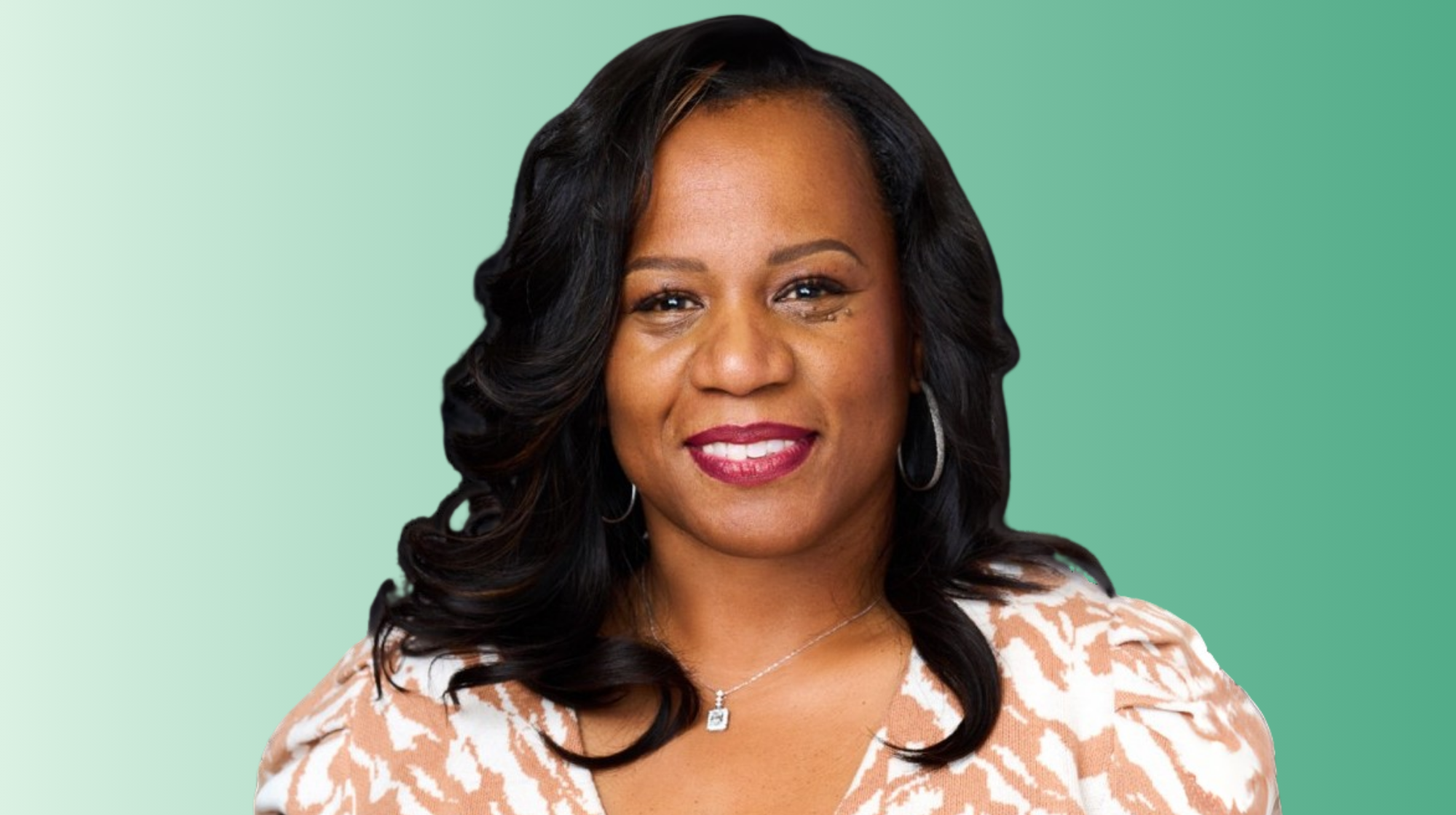
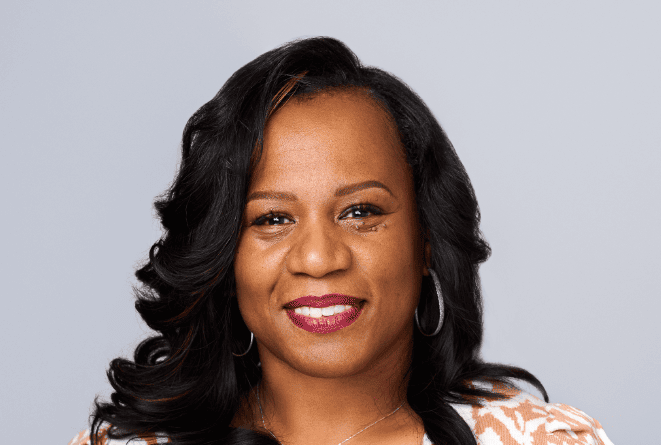
By Sonia Williams
Senior Vice President, General Manager of Dental at Synchrony

When my son needed braces, I did what many parents do: I nodded through the orthodontist’s explanation, asked the right questions, and tried not to flinch at the cost.

I was fortunate—only one of my two sons needed braces, and I had great dental insurance. Still, it was a moment of reflection not just about the cost, but about how many families face that same scenario without access to resources or flexibility.

What happens when a parent doesn’t have flexibility? What does it mean when dental care, something so vital to a child’s confidence and health, is out of reach?

Quote
Care can’t wait, and cost shouldn’t be the reason people walk away from what they need most.

Those questions never left me. Now, as the Senior Vice President and General Manager of the dental business at Synchrony, I lead with that perspective every day.

As one of Synchrony’s top 50 executives, I have the opportunity and responsibility to shape how innovation in dental care reaches millions. It’s a responsibility I don’t take lightly, especially when I know the decisions we make can change what care looks and feels like for patients, providers, and entire practices.

Dental care impacts how children learn, how adults show up at work, and how seniors eat, speak, and stay connected to others. I spend time volunteering with senior citizens, many of whom live on fixed incomes and haven’t seen a dentist in years. I hear their stories. I see how dignity is tied to oral health. Yet too often, cost becomes the barrier no one talks about.

More than 90% of people said they would consider holding off on general dental care because of cost, according to Synchrony’s Dental Lifetime of Care study. Care can’t wait, and cost shouldn’t be the reason people walk away from what they need most.

I carry those stories with me into every strategy meeting, every product launch, every partnership. This work matters to me.

It’s not enough to recognize the challenges. We must build smarter systems around them. That’s why I lead with empathy first: Because innovation should solve real-world problems and meet patients where they are, financially and emotionally.

Innovation That Feels Human
At Synchrony, I lead the dental business with a clear mission: to make care more accessible for patients and reduce barriers for practitioners to provide that care. It’s interesting because my background is not in healthcare but rather in retail strategy, helping brands grow by solving problems that matter to real people. It’s exciting to bring that same focus to dental financing.

This isn’t about selling more services; it’s about saying yes to care when it matters most. Being on the front line of innovation in this space gives me professional and personal fulfillment.

Advertisements

In response to Synchrony’s study which found that 58% of adults believed that oral care was not affordable, I am proud that our team created innovative solutions. Synchrony features a behind-the-scenes integration that enables providers to offer payment solutions directly within the systems they already use. No separate logins. No added friction. Practices can check eligibility, offer financing, and complete transactions quickly so that cost conversations are simplified, not avoided.

It removes barriers to care—and, most importantly—help. And it works. When patients understand what’s possible, they’re more likely to say yes to everything—from braces, to cleanings, to the kind of preventive care that improves lives.

My goal is to help redefine what modern dental care looks like, where financial conversations are seamless, where providers feel supported by smart tools, and where no patient delays care because of cost. By aligning technology with human-centered design, we’re not just improving transactions; we’re reimagining the way care is delivered.

Quote
It’s not enough to recognize the challenges. We must build smarter systems around them.

Designing with Empathy, Delivering with Impact
For dental professionals, especially within growing DSOs, the business of care has become increasingly complex. Teams are stretched thin, administrative burdens are rising, and patient expectations are evolving.

According to the American Dental Association, some dentists’ confidence in economic success has waned in the first quarter of 2025. My goal isn’t just to simplify financing for patients; it’s to empower providers to deliver care more confidently and efficiently while optimizing their financial management.

Synchrony’s CareCredit partners with the industry’s most trusted platforms to ensure providers can simplify the patient experience, from scheduling and reminders to payments. These tools reduce the burden on staff, support clearer communication, and help teams
focus on what matters: care.

By integrating our solutions directly into their workflows, we’re helping practices improve case acceptance, reduce staff stress, and elevate the patient experience. This kind of innovation gives practitioners the freedom to focus on care while giving patients more reasons to say yes to it.

Quote
Dental care is a gateway to overall wellness, and everyone deserves the chance to say yes to it.

Why I Lead
I know how rare it is to bring empathy into innovation, but I believe it’s the only way forward. Technology should feel seamless. Practitioners should be able to focus on delivering the best care. Financing should feel supportive. Every patient should feel seen.

I lead this work not just because I can, but because I must. Because too many families still wonder if they can afford care. Because too many providers feel stuck. And because I understand that tension.

Dental care is a gateway to overall wellness, and everyone—regardless of income, age, or background— deserves the chance to say yes to it. Innovating in this space isn’t just business. It’s personal.

Gain ACCESS TO
INSPIRING
stories
Get membership
Products

Safety Starts with Science, Not Assumptions

08/06/2025
|
4 min. to read

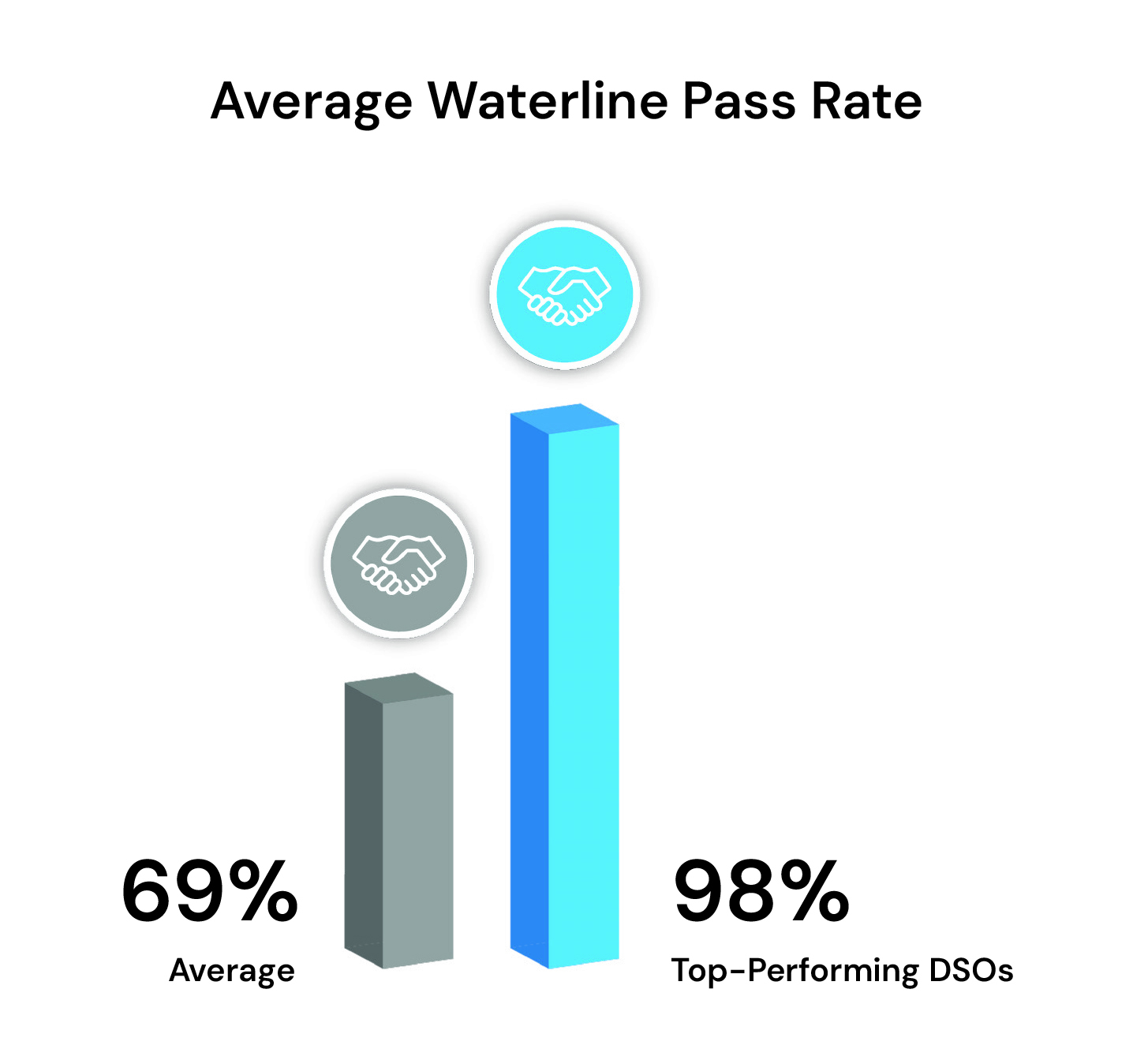
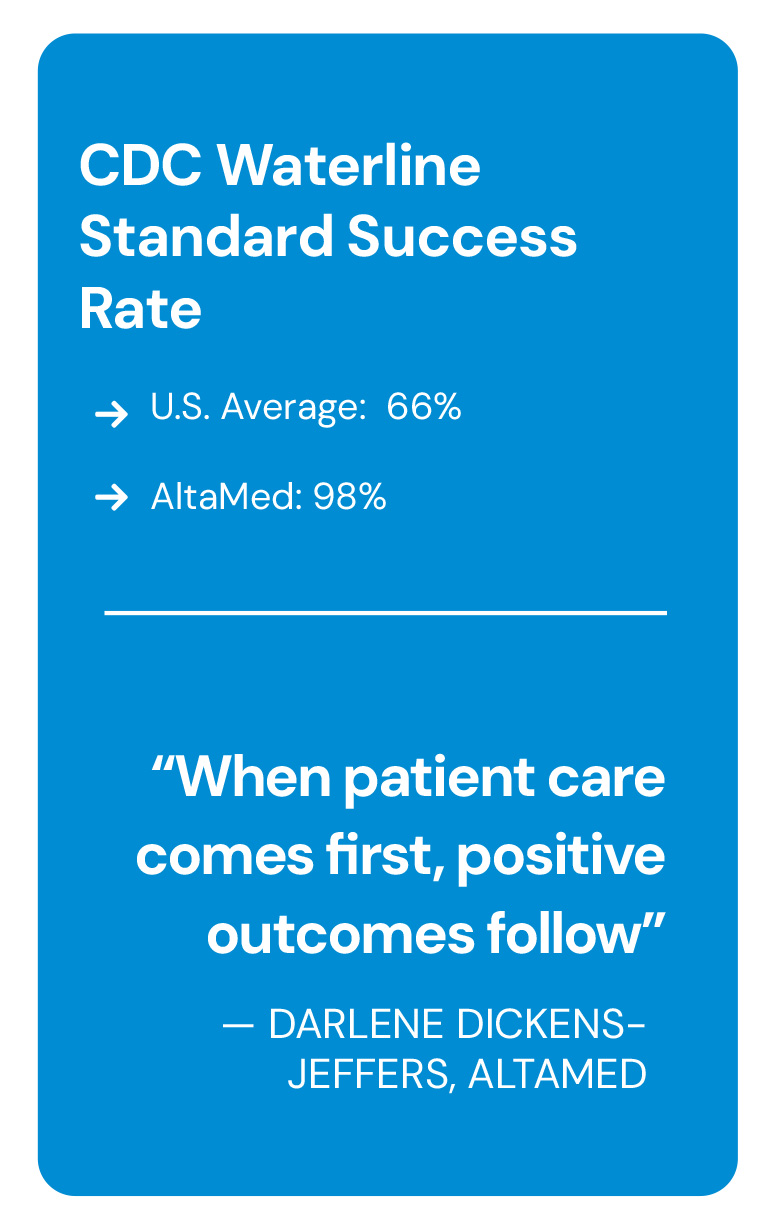
Dental clinics routinely treat their waterlines, confident that their procedures are creating safety for their patients. Yet data show that one in three of those clinics still fails to meet CDC waterline standards.

Notably, the ADA recently revealed only 56% of office resources have a protocol for when there is a failed test. Relying solely on treatment without proper testing and a comprehensive waterline management program can pose a significant risk to both patients and clinicians.

Rising above those abysmal national statistics is AltaMed Dental Services, consistently receiving unprecedented 98% pass rates across 17 clinics. How? Through an innovative collaborative partnership with Agenics Labs which began last fall.

A Powerful Partnership to Ensure Patient Safety
Patient care was at the forefront of the decision. Site Dental Director Dr. Huy Than shares, “At AltaMed, we are committed to ‘Providing Quality Care Without Exception.’ By partnering with Agenics and collaborating with our Infection Prevention team to develop a comprehensive waterline policy, we are actively ensuring the highest standards of safety for our patients. Working with Agenics has been a true collaboration centered on prioritizing patient safety above all else.”

Founded in 1969 as the East LA Barrio Free Clinic, AltaMed has grown into one of the largest independent federally qualified health centers (FQHCs) in the U.S. AltaMed serves more than 500,000 patients annually, with approximately 84% enrolled in Medi-Cal and 74% identifying as Hispanic or Latino. Notably, 50% of their patients live below the federal poverty level, highlighting AltaMed’s role in addressing health disparities in underserved communities.

A shared commitment to patient care grounded in scientific methods forged a powerful partnership.

“We believe that safety starts with science,” Greg Niederschulte, Managing Director at Agenics says. “By combining AltaMed’s commitment to patient care with our consultative approach, we were able to develop a protocol rooted in rigorous analysis and practical implementation that delivers reliability and peace of mind. The results speak for themselves: a waterline safety system with an exceptionally high success rate.”

A Step-by-Step Approach Grounded in Science
Agenics began working with AltaMed in the fall of 2024. The first step was to benchmark the current state of the 17 existing location sites and what they were doing for waterline maintenance. A review of previous water tests and trends was conducted. Several specific test-site locations were selected for an in-depth chemistry analysis of the water.

Agenics then worked with AltaMed to develop a customized waterline protocol, taking into consideration their history, budget, product preferences, and water chemistry. The protocol included source water changes, initial biofilm elimination, routine maintenance and testing, and automated failure remediation procedures.

Advertisements

Agenics then provided extensive onboarding that included foundational waterline education as well as specific training on AltaMed’s new procedures, ensuring all locations were well-equipped for success.

Even though changes at this level could be daunting, the process was seamless. Darlene Dickens-Jeffers, MSN-Ed, RN, PHN, CIC, Director of
Infection Prevention explains, “The transition process from our prior vendor to Agenics was very smooth. Our team was pleased with how quickly Agenics produced results with the detection of sulfates in our water.” Agenics identified that the sulfates were counteracting the treatment products in use and provided source water recommendations that allowed AltaMed to continue using their preferred treatment products.

Real-Time Test Data Delivery
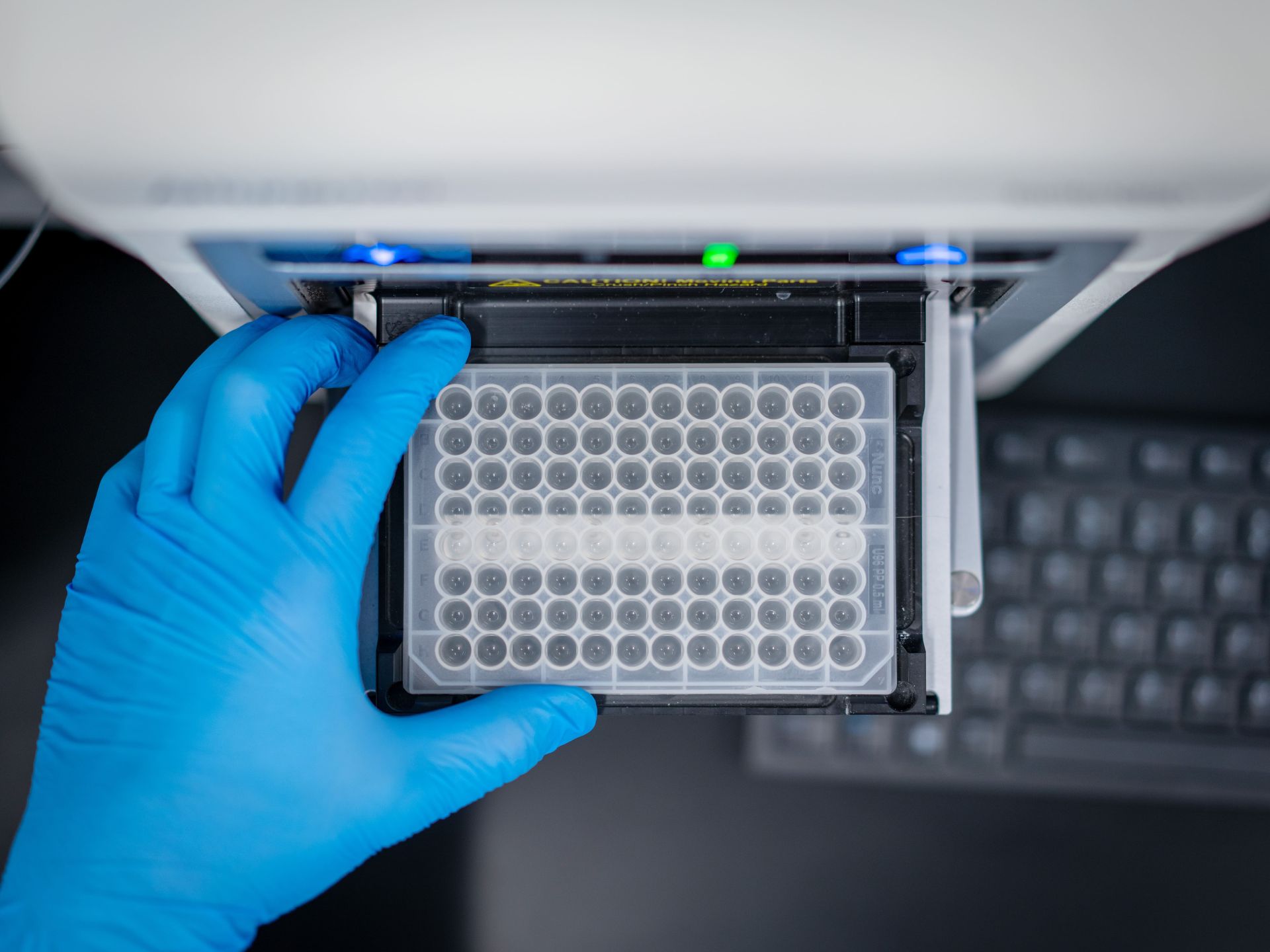
A key component to mitigating patient risk and minimizing chair downtime is Agenics’ state-of-the-art flow cytometry test RapidCheck™.

“Some of our favorite features and capabilities of RapidCheck™ include that test results are reported almost in real time, with raw data available the next day via email and portal, allowing for immediate clinic-level responses,” says Dr. Than. “A detailed summary report follows, clearly organizing data for approximately 770 waterlines tested quarterly. It breaks down results by region and clinic, highlighting Pass, Caution, and Fail rates.” A customized results report is a complimentary component of Agenics’ testing services for large organizations.

Comprehensive Patient Safety and Expert Support
Simply treating lines every day assures nothing without testing. The only way to make sure a cleaning regimen is working is to actually test the water coming out of the unit.

“While clinical settings may vary in their needs, all are responsible for delivering safe patient care,” Dr. Than says. “Partnering with Agenics, which offers a proven plan and timely, responsive support, enhances our ability to maintain the highest standards of patient safety.”

While many clinics across the country struggle to meet CDC guidelines, AltaMed’s collaboration with Agenics Labs shows what can happen when patient care truly comes first. It is a powerful reminder that treating waterlines is not enough—by testing and verifying, you always keep safety at the center.

For a free consultation, contact Agenics at Agenics.net or phone 719-466-5592.

Gain ACCESS TO
INSPIRING
stories
Get membership
Women in DSO®

WellnessPlan™ Built for Those Who Lead

08/06/2025
|
5 min. to read

Work and life are both enmeshed throughout the moments of each day—from getting out the door in the mornings (or to your home office) while reflecting on your upcoming schedule to puzzling over a work conundrum on the treadmill. We’re driven to live our optimal lives. We want to be fully present when we are at work and at home.

We want to power through Maslow’s Hierarchy to self-actualization and set up a vacation house.

But what happens when we’re confronted with life’s inevitable difficulties? Sometimes those are pesky things like tax returns or refinancing your home. Other times they are devastating life events when therapy is a must or a crisis that suddenly demands elder care.

Dr. Aman Kaur and the Wellness Committee wanted to empower Women in DSO members with a proactive plan to be prepared for these myriad obligations in life. Not an insurance plan, but direct access to comprehensive health and wellness programs under one umbrella.

Dialing into the Full Wellness Spectrum
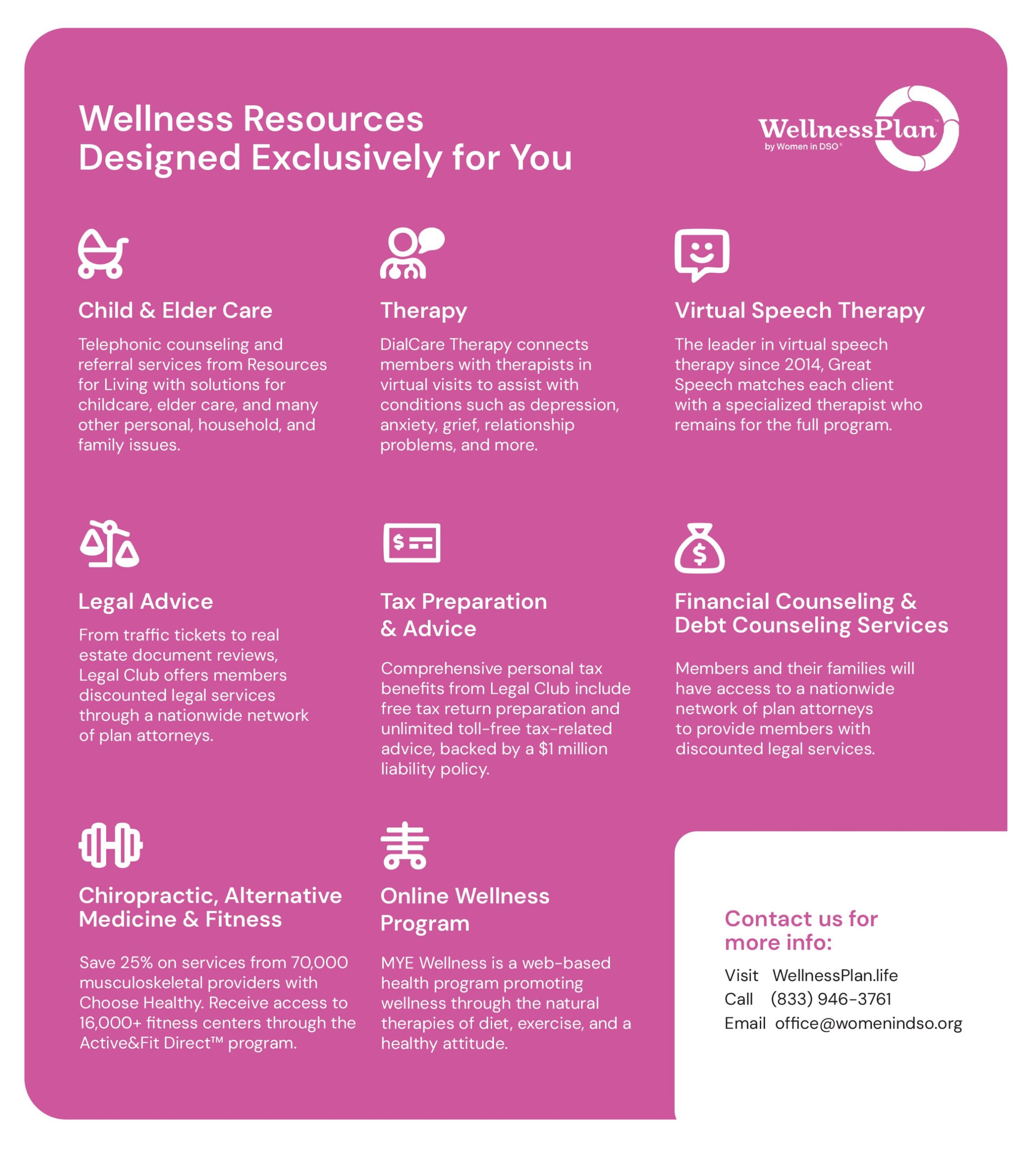
The WellnessPlan™ by Women in DSO steps in where most organizations’ employee assistance programs fall short for their women leaders, providing a holistic support system.

Wellness Committee Co-chair Leesa Smith explains, “Employee benefits received through employer groups can be sporadic or difficult to access, not offering what we need. Dr. Kaur wanted this program to be comprehensive, including things that EAPs don’t typically offer in their packages. It needed to be well-rounded for our members and employer groups who are looking to bring it on board.

The WellnessPlan™ dials into the full life and emotional wellness spectrum.”

Wellness Committee Co-chair Liz Meyers, who is pursuing a degree in Clinical Psychology, agrees.

“When people think of health, they immediately think physical health—but mental wellness, emotional wellness, financial wellness, and legal wellness are all significant,” she notes.

“There are extensive resources, including caregiver wellness, assistance with childcare, and elder care. We want to do anything that we can do for our members that will help them be well and empower them to lead in all areas of their life.”

WellnessPlan™ for Members and Member Companies
The WellnessPlan™, available to Women in DSO member companies and to individual members, is a strategic, easy-to-implement solution that helps control healthcare costs, reduce burnout, and boost productivity. According to a study conducted by the Federal Occupational Health agency, such Employee Assistance Programs have reduced absenteeism by close to 70%.

The WellnessPlan™ has curated a much-needed and often unavailable bundle of services into one easy solution—so member companies’ HR teams can spend less time administering multiple programs. Employers can decide cost structure options to be employer-sponsored, partially subsidized, or a voluntary benefit.

Advertisements

Solutions for the Eldercare Crisis
No one wants to admit they’re struggling, whether with eldercare responsibilities, legal questions, or healthcare decisions. But these challenges are part of life for many.

According to the Bureau of Labor Statistics, 37.1 million Americans provide unpaid eldercare, with nearly 60% of care providers being women. These responsibilities often come on top of parenting and full-time work, especially for the 7.8 million caregivers who are also raising children at home. Without help, women may be navigating an exhausting balancing act in silence.

Unpaid caregivers face higher levels of stress, anxiety, and fatigue, which can severely impact their health, job performance, and long-term retention in the workforce.

This is where a well-designed wellness plan becomes not just a benefit but a lifeline. Thanks to WellnessPlan™, women can tap into telephonic counseling and referral services from Resources for Living to provide much-needed support with solutions for caregivers, childcare, elder care, and many other personal, household, and family issues.

“Providing these resources to women opens the door for them to give themselves permission to seek these things out,” Meyers said—and that access can be transformative.

Trusted Legal Support
Imagine having the confidence to face any legal situation—big or small—knowing you have trusted advisors behind you.

Whether you’re preparing a will, going through a divorce, starting a business, or dealing with a traffic ticket, reliable legal help is just a call away with WellnessPlan™. With access to experienced attorneys across the country, members can get the guidance they need without the stress of overwhelming costs.

From everyday matters to life-changing events, legal decisions become simple, affordable, and accessible for you and your family—including dependents up to age 25. WellnessPlan™ gives peace of mind and protection, knowing you’re not alone when life gets complicated.

Empowering Through Balance
So while the vacation home in self-actualization may have to wait, the WellnessPlan™ delivers something even more immediate and impactful—a practical, restorative path to balance across work, life, and everything in between.

The WellnessPlan™ solutions do more than promote wellness—they meet women where they are, nurturing their whole health amid the realities of their daily lives. Especially in the dental industry, where 85% of the workforce is women, this isn’t just a perk—it’s a strategy to help organizations retain employees who feel engaged and supported by their organizations in a truly meaningful way.

A comprehensive plan that includes legal guidance, eldercare navigation, mental health care, and many other flexible benefits empowers women to manage their concerns and responsibilities with confidence and dignity. Offering it signals that employers understand the realities their teams face—and are willing to invest in their well-being. For companies committed to building resilient, inclusive workplaces, this kind of wellness support isn’t optional—it’s essential.

Women in DSO members can start using WellnessPlan™ benefits by visiting WellnessPlan.life. Or call (833) 946-3761 or email office@womenindso.org to learn more.

Gain ACCESS TO
INSPIRING
stories
Get membership
Companies

Where Growth Gets Surgical

08/06/2025
|
8 min. to read

The Pikos Institute: Breaking Barriers in Implant Training
Behind every confident smile restored through advanced implant dentistry lies a story of skill, dedication, and cutting-edge education. The path to mastering complex procedures like full-arch reconstructions is often steep.

Yet, those who pursue advanced training don’t just transform patients’ lives; they also become pivotal drivers of growth within DSOs. In short, they’re equipped to meet the needs of patients and keep revenue in the chair. This isn’t just about individual success—it’s a strategic shift that empowers clinicians to lead, innovate, and elevate care while fueling long-term business performance. That’s where Pikos Institute comes in.

Training That Breaks Barriers
For 35 years, the Pikos Institute has been offering world-class surgical instruction for maxillofacial surgeons, prosthodontists, periodontists, and general dentists, giving DSOs a way to provide continuing education opportunities that fuel their growth.

Access to advanced surgical training is especially critical for women, who make up only 7%-8% of the American Association of Oral and Maxillofacial Surgeons active members. In a specialty where representation still lags, programs like those offered by the Pikos Institute are helping to break barriers— not only by leveling the playing field but by expanding what’s possible for underrepresented clinicians. For DSOs to offer training is not just progressive—it’s strategic, and it changes lives.

“If a DSO is serious about growth and long-term success, advanced implant training is a no-brainer,” says Roe McFarlane, CEO of Modis Advanced Education, strategic backer and supporter of the Pikos Institute. “And investing in women dentists especially is a decision that pays dividends across the board.”

Surgical Implant Dentistry at the Highest Level
McFarlane notes that surgeons and organizations need continuing training on real-world, complex cases. “A lot of dentistry focuses on cosmetic and restorative work—fixing chipped teeth or placing crowns—and that’s important. But at the Pikos Institute,” says McFarlane, “we’re teaching clinicians advanced, complex surgical implant therapies—patients who’ve lost all their teeth and have compromised bone structure. Dr. Pikos and his institute teach how to rebuild and repair their foundation so implants can be placed and give them a life-changing smile. This is advanced surgical dentistry at the highest level. And frankly, very few people in the world are comprehensively teaching the techniques demonstrated by Dr. Pikos and his faculty.”

The Pikos Institute is a global leader in hands-on, clinically grounded training for dentists and surgeons. With more than 7,000 alumni, it’s known for evidence-based instruction in implant dentistry, bone and soft tissue grafting, and full-mouth reconstruction.

What sets the Pikos Institute apart is its immersive, integrated approach, combining didactic learning with live surgery viewings, hands-on practice, and in-depth complication management.

“You’re not just watching a lecture,” explains Pikos Institute faculty member Dr. Nicole Hernandez. “You’re seeing full cases—start to finish—with all the nuance and complexity that come with them.”

The Institute’s curriculum is built from thousands of real cases, decades of documentation, and a relentless commitment to the latest techniques, tools, and materials. “The real differentiator is showing surgical complications,” added Dr. Hernandez. “We get a lot of positive feedback on this area, and it can only come from doing a high volume of cases, which is why Dr. Pikos is so valued.”

Advanced Technology, Superior Outcomes
Unlike fragmented approaches where surgeons, labs, and restorative dentists work in silos, Pikos models a fully integrated system under one roof. “We are very fortunate that we have all of the latest technology and planning software and equipment that allows us to kind of streamline and plan and execute these cases in a much more efficient and comprehensively planned manner to deliver the best care for our patients with the least amount of headache,” says Dr. Hernandez.

She adds, “People who attend take notes not just on the procedures but on everything—the CT scanner, the workflow, the lab protocols. So, in addition to learning in the class, they’re also seeing a whole way of operating that’s very different from what they’re used to.”

Nicole Hernandez, DDS, MD Oral & Maxillofacial Surgeon and Faculty at Pikos Institute

Never Stop Evolving with Lifelong Learning
Dr. Hernandez is a third-generation female dentist who attributes her commitment to patient care to her grandmother, a private practitioner for 35 years. Practicing at Coastal Jaw Surgery in Tampa, Dr. Hernandez focuses on implants, tissue grafting, TMJ disorders, and more. Beyond her surgical expertise, she sees her role as an educator and a lifelong learner, which drew her to join the faculty at the Pikos Institute.

“Education is critical because things are always changing. We’re all trained based on our specific path—whether you’re a periodontist, general dentist, prosthodontist, or oral surgeon. But just because that’s how we were taught doesn’t mean it’s the only, or even the best, way to do something. Continued education broadens your horizon—it gives you exposure to things you may never have encountered before,” Dr. Hernandez states.

Advertisements

She’s also candid about the importance of sharing the lessons learned from complications. “To say, ‘This didn’t work, and here’s why,’ helps everyone grow. Continuing education is often humbling. You might think you understand something—then someone presents it in a new way and it completely shifts your thinking.”

Dr. Suchie Chawla, DDS, MD Oral & Maxillofacial Surgeon

Vulnerability Is Where Growth Lives
Dr. Suchie Chawla, who recently joined the Institute’s network of over 7,000 alumni trained at the Pikos Institute, agrees that true growth begins beyond your comfort zone.

“I’ve been in practice for 17 years now. The longer you practice, the more hesitant you become about trying unfamiliar techniques. That was soft tissue for me. It’s easier than I thought it would be, but I just needed that extra push.”

Operating out of Manhattan, Dr. Chawla leads a private oral and maxillofacial surgery practice with a wide procedural range—from wisdom teeth to complex reconstructions. Board-certified and dual-degreed in medicine and dentistry, Dr. Chawla embodies the intersection of technical skill and compassionate care.

And she, like Dr. Hernandez, is driven to never stop learning. “When I go to a course, it’s worth it if I walk away with four or five clinical pearls. That’s enough to make a difference in how I practice,” Dr. Chawla states.

Born in Prague and raised across cities like Warsaw, Kathmandu, and New Delhi, Dr. Chawla credits her compassion and strong work ethic to her father, a diplomat in the Indian Foreign Service.

Her journey with the Pikos Institute left a lasting impression. “Dr. Pikos was incredibly approachable. He made you want to ask more questions, to keep learning. And when he didn’t know something, he’d defer to his experienced faculty. That kind of humility in someone so accomplished really stuck with me.”

Reflecting on the importance of visibility and representation in her field, Dr. Chawla states, “There are not that many women role models in surgery today. And I think we need more role models.” For Dr. Chawla, and thousands of Pikos Institute alumni, education is a bridge between potential and excellence, helping to build female role models one practitioner at a time.

Empowering Clinicians to Expand
Their Procedures through Training In a field that demands precision, leadership, and adaptability, the clinicians who thrive are the ones who stay curious, stay humble, and stay committed. The kind of elite, hands-on training at Pikos doesn’t just change careers—it changes the lives of both providers and patients.

And when clinicians bring that level of expertise back to their organizations, they become key drivers of innovation, patient satisfaction, and sustainable growth within DSOs.

Because in the end, the best clinicians aren’t the ones who know it all—they’re the ones who never stop learning.

Ready to Lead the Future of Surgical Dentistry?
For clinicians wishing to learn sound concepts of surgical-based implantology, the beginner-level course Mastering Implant Dentistry Fundamentals consists of four 3-day Modules (108 hours), each of which will include clinically relevant and evidence-based interactive lecture discussion, live surgery, and two half-day hands-on workshops.

Explore all upcoming courses at PikosInstitute.com and join a global community of empowered clinicians reshaping the standard of surgical implant care.

$20K
Scholarship Opportunity

Pikos Institute and WinDSO are thrilled to partner on a scholarship opportunity created to uplift and empower women in dentistry. Open only to WinDSO members, two full scholarships valued up to $20,000 will be awarded to attend any Pikos Institute course.

“Our mission is to provide world-class continuing education that advances clinical excellence. Through this scholarship, we are investing in the future of women in dental leadership,” says Roe J. McFarlane, CEO of Modis Advanced Education, strategic backer and supporter of the Pikos Institute.

Key Details:
  • Two scholarships available
  • Open to dentists, specialists, hygienists, students, recent graduates
  • Scholarship can be used toward any Pikos Institute live course (up to $20,000 value)
  • Courses include oral surgery, implantology, and practice management
  • Apply by December 31, 2025
  • Winners are chosen based on their passion and commitment to dentistry communicated in the application
  • Winners announced at WinDSO Empower & Grow Conference 2026
  • Travel and hotel expenses not included

Apply for the scholarship for a chance to enhance your clinical skills with top-tier CE training. Application and all details are at: pikosinstitute.com/pikos-institute-windso-scholarship

Gain ACCESS TO
INSPIRING
stories
Get membership
Trending

Where the Money Slips Through

08/06/2025
|
8 min. to read

Inside the DSO Revenue Gap

Vyne Dental’s Chief Product Officer Paul Bernard explores how leading DSOs identify, measure, and fix these gaps—and how you can too.

Many DSOs unknowingly lose thousands of dollars to inefficiencies hidden deep within their revenue workflows. From inaccurate coding to outdated collection processes, these “invisible leaks” can significantly impact the bottom line.

Whether you are running 50 offices or one, the RCM process is the same. However, the law of large numbers begins to affect DSOs as they grow.

“Every practice leaks, but these leaks really start showing up in a more magnified way the bigger you get,” Vyne Dental Chief Product Officer Paul Bernard says. “At the end of the day, if you see a patient and you expect to be paid $100, how much of that do you actually put in your pocket—and how much effort does it take to get those final pennies?”

Start with a Bigger Bucket
RCM starts long before billing a claim. The work you do up front to build a successful claim is part of the process. “People tend to want to bucket RCM too small. They think RCM is just billing the claims, which is just one piece. The whole process, from scheduling a patient to the patient making their final payment and everything in between, has aspects that significantly impact RCM,” Bernard explains.

By investing time on upfront processes in RCM, you can avoid spending energy on cleaning up mistakes. A process map can help you visualize that.

“Process mapping is not intuitive for a lot of people, but it’s no more complicated than examining what happens first, and then what happens next. You’ll start to see that prep work matters. It’s everything that happens before filing that makes that claim successful or not successful,” says Bernard.

Beyond mapping, narrowing your perspective on RCM can also limit your potential improvements.

Quote
Every practice leaks. The bigger you get, the louder it drips.

“For instance, some think scheduling has no impact on RCM. It absolutely does,” Bernard notes. “I want to be looking for things at scheduling that will help me submit a successful claim, such as asking if patients have changed employers. Is their insurance still the same? If they don’t know, go ahead and schedule but loop back before they show up to see if you’re in network.

“If you have a narrow view of RCM,” Bernard points out, “you are going to find narrow opportunities to improve. All the things that must happen before you even send a claim to a payer contribute to how much you will be paid.”

Mistakes You Can’t Afford

Incomplete or Delayed Credentialing
One way DSOs can miss out on or delay revenue is failing to properly contract and credential doctors. This can significantly impact how and when they are paid.

When DSOs acquire a practice, payers have to be re-contracted, which usually happens under a different tax ID.

“Payers will send payments to a tax ID, not a doctor who’s in a location. Knowingly or unknowingly, you changed where the money gets routed, and your processes in RCM have to adjust for that,” Bernard explains. “Those claims won’t get paid because the insurance company doesn’t know who this doctor is. You’ve billed a claim that isn’t getting paid, and you end up having to unwind problems, which will cause delays in payment or denial of payment.”

Not Mining EOBs
Explanations of benefits (EOBs) are a tremendous source of process data because they will tell you what claim got denied, what line on a claim got denied, and why. If you understand those reasons, then you can see where in your process flow you could have caught it.

Inevitably, a lot of errors are going to be at the point where you validate whether the eligibility and benefits are accurate and before you make an estimation and choose a fee schedule. Find and fix that error—and get paid.

“It does you no good if you have a good eligibility and benefit breakdown but you’re picking the wrong plan for that patient. You are never going to get the exact amount correct, so maintaining these plans and payer plans and fee schedules in your practice management system is critical if you want to bring those two together,” Bernard explains.

Quote
If your view of RCM is narrow, your results will be too.

Incomplete Claims
The ultimate goal is a clean claim with no receivables to manage. “You want to be collecting as much of what the patient owes up front as you can and then have some reasonable certainty that once you send that claim, it’s going to get paid whatever the insurance owes you,” notes Bernard.

Advertisements

“That’s a perfectly clean claim. That would mean that the level of effort that you must spend managing the receivable is zero because there is no receivable.”

Products like Vyne Trellis scrub claims before they get to the payer.

“It’s much better to try and put as much effort as you can up front to make sure that that claim is correct,” Bernard explains. “You can take 10 minutes now to fix it, or you can take two hours 30 or 60 days from now to try and figure out why you didn’t get paid. It’s a no-brainer—and yet somehow, we still allow these defects to escape the process.”

It’s All About Data
Don’t worry about making sure everyone is on the same practice management system.

“Why would you take a doctor who is unbelievably productive and generating revenue using whatever system they’ve been using and say, ‘Now that you’re part of a DSO, you need to switch.’?” Bernard asked. “Why would you rip out the wiring from somebody who is usually productive?”

The reality is that forcing a change often results in reduced productivity because staff are unfamiliar with the new system. It introduces unnecessary risk into the operation of a practice that was otherwise performing well.

Instead of focusing on uniformity of systems, DSOs should prioritize access to data. “Insist that the practice management systems give you your data,” he said. “Once you have it, you can bring that data into a centralized system and analyze it however you want. If you can free the data from those systems, you don’t need to change anything—and you reduce your operational risk.”

Once your data is accessible, you can measure performance across the organization without disrupting what Appointment Credentialing Claim Scrubbing Data Errors is already working. It’s not about the system itself—it’s about the visibility and control the data gives you.


Keep the Patient in the Loop
“You’ve got to think about the billing experience from the patient’s perspective,” says Bernard. “At Vyne Dental, we call it ‘patient in the loop.’”

If a patient leaves the doctor’s office, hears nothing for weeks, and then a surprise bill arrives, it can prompt confusion, doubt, and a timeconsuming call to the office. What if, instead, they were kept in the loop the whole time with clear, proactive updates? By the time the bill comes, they understand it, trust it, and are far more likely to pay it.

“There’s a direct correlation between time and payment,” Bernard explains. “The older that receivable gets, the less likely it is to be paid.”

When you build a billing process that moves efficiently, it not only benefits the patient but also strengthens the practice.

Quote
Prep work matters. It’s everything before the claim that makes it successful—or not.

Build Smarter, Scale Stronger
RCM isn’t just billing—it’s a living ecosystem. And like any complex system, it’s only as strong as its weakest link. From initial patient scheduling to the moment a claim hits the payer, every step in the process either protects revenue or puts it at risk.

The most successful DSOs aren’t the ones who work harder to chase revenue—they’re the ones who build smarter systems to prevent loss before it happens. They invest in automation. They map out their processes. They scrub claims early. And they never stop analyzing their EOBs for trends that can unlock even greater efficiency.

Because at the end of the day, your revenue isn’t what you bill—it’s what you keep.

Strengthen your pipeline. Protect your bottom line. Scale with confidence. Experience Vyne Trellis®— the end-to-end revenue acceleration platform that gets you paid faster through streamlined claims submission and tracking, delivers batch and realtime eligibility checks, and keeps your communications secure.

Ready to Stop Revenue Leaks Before They Start?
Schedule your personalized demo today
at VyneDental.com.

Paul Bernard
Vyne Dental’s Chief Product Officer


Gain ACCESS TO
INSPIRING
stories
Get membership
Trending

The Next Generation of Dentistry

08/06/2025
|
5 min. to read

A new generation of dentists is reshaping ownership, gender balance, and affiliations— with long-term consequences for the business of dentistry.

By: Rachel Morrissey and Marko Vujicic

What does it mean to be a “typical” dentist? Twenty years ago, the average dentist was likely in their 40s, midcareer, and the owner of a small practice. At that time, the profession was dominated by baby boomers who had graduated in the late 1970s and early 1980s, an era marked by a surge in dental school graduates.

Today, the picture looks quite different. Over the past several years, a generational shift in dentistry has been taking place, with more dentists at both the beginning and end of their careers. The large cohort of baby boomer dentists is now reaching their late 60s, with retirement on the horizon. At the same time, a growing number of young dentists are entering the field—a pattern that shows no signs of slowing.

The number of dental school grads in the U.S. has gone up since the early 2000s, following a large drop in graduates that began in the late 1980s. The introduction of more than a dozen new dental schools in the U.S. since 2000 contributed an additional 9,000 graduates to the
already rebounding workforce pipeline over the last two decades. Between 2014 and 2024, there were just under 70,000 dental school graduates.

Quote
Women now make up 56% of dental school graduates—a figure reshaping the entire profession.

Another major shift in today’s dental workforce is gender representation. In the early 1980s, women made up only about 20% of dental graduates. By the early 2000s, men still outnumbered women in predoctoral dental programs.

That trend has since reversed: Beginning in 2019, women comprised the majority of dental school graduates.

In fact, in 2024, 56% of dental school graduates were women. Women also made up more than half of the graduating classes of several advanced dental education disciplines in 2024, including pediatric dentistry, orthodontics, and general practice residency programs.

Advertisements
Source: American Dental Association (ADA), Health Policy Institute (HPI), Commission on Dental Accreditation Surveys of Dental Education.

What does a younger, increasingly female dentist workforce mean for the future of the profession? One key implication lies with practice
modality. HPI has been closely tracking changes in dentist affiliation with DSOs as well as shifts in dental practice size, measured by the
number of affiliated locations within a practice. Both aspects of practice modality are changing, and the gender and age shift are major drivers.

There are major differences in practice modality depending on dentist career stage. Early career dentists are far more likely to practice in larger groups and to be affiliated with a DSO.

As of 2024, one-third of all dentists are in solo dental practice (34%) while less than one-fifth work for a large group practice with 10 or
more affiliated locations (17.4%). For younger dentists—those up to 10 years out of dental school—the reverse was true: 15% worked in solo practices compared to 29% in large group practices.

The share of dentists affiliated with a DSO has more than doubled in the last 10 years. In 2024, about one out of every six dentists overall was affiliated with a DSO. While this number has grown for all dentists, it is particularly robust for young dentists, with women even more likely to work at a DSO-affiliated practice. In 2024, close to one-third (32%) of female dentists up to five years out of dental school were in a DSO-affiliated setting.

Increased affiliation with DSOs is not likely to reverse any time soon. The American Dental Education Association’s 2024 Survey of Dental School Seniors showed that 32% of surveyed dental school seniors who plan to go into private practice following graduation intend to join a DSO-affiliated practice. Just five years ago, 18% of dental school seniors reported the same plans, a little more than half of today’s number.

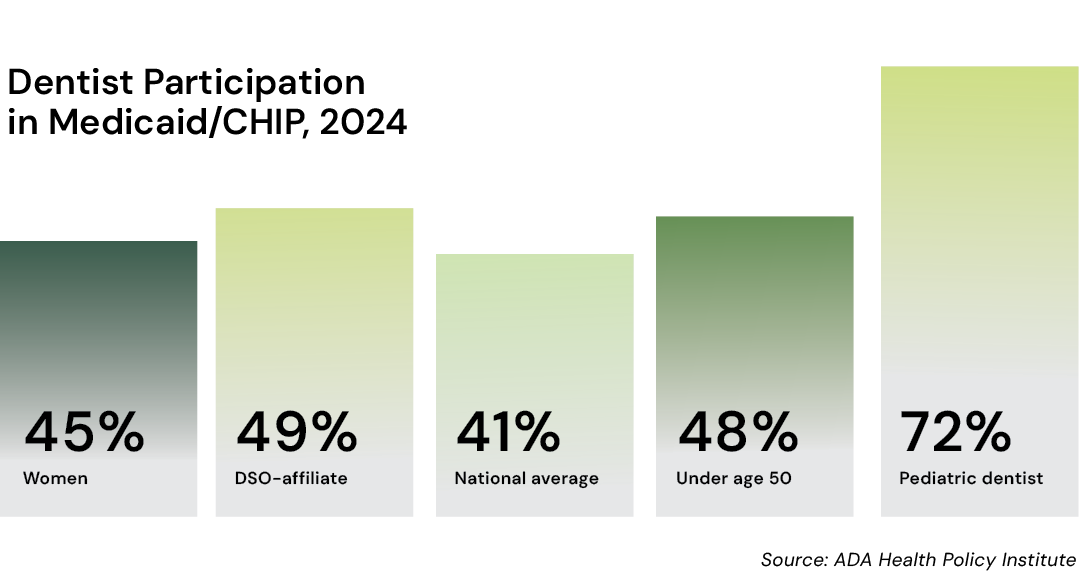
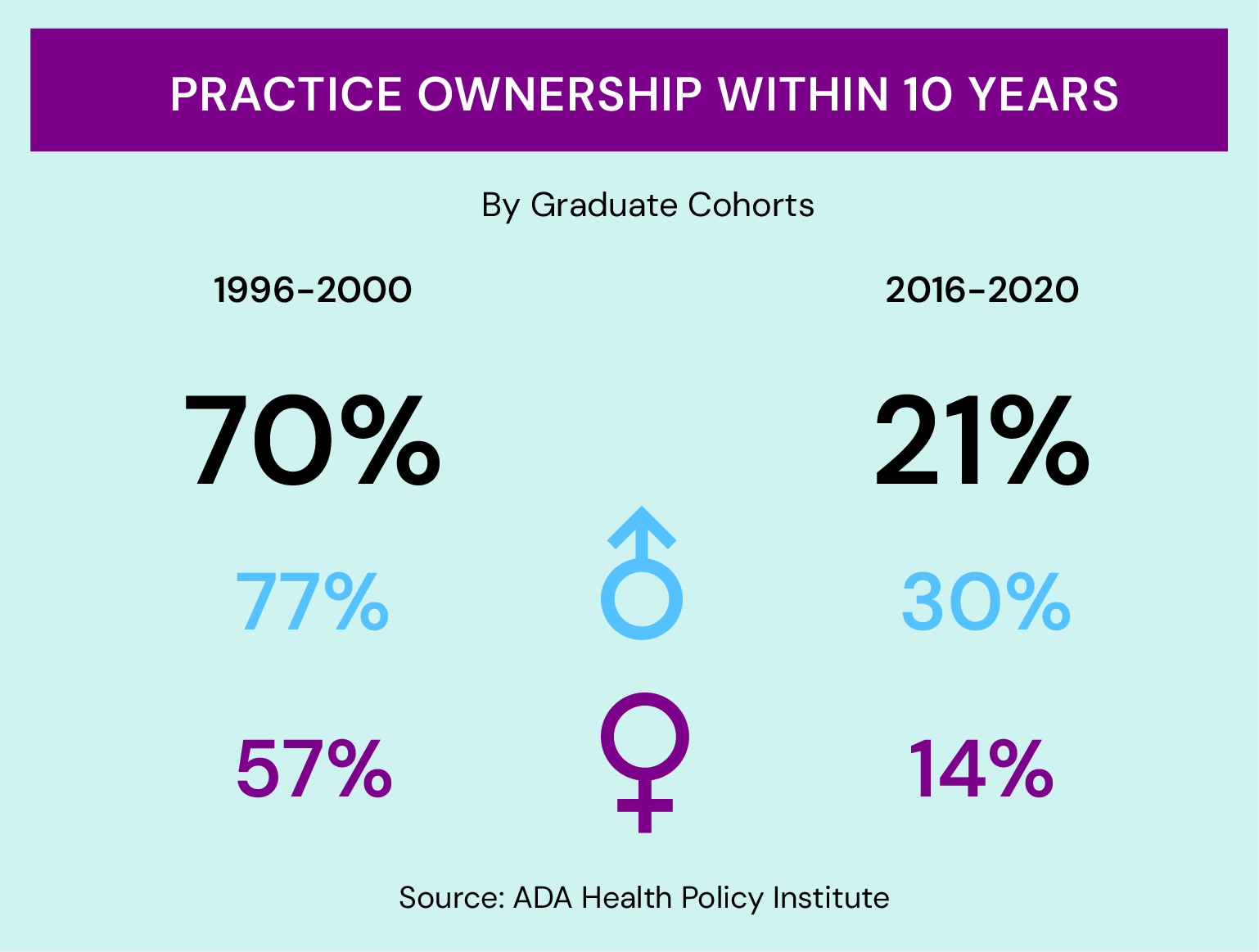
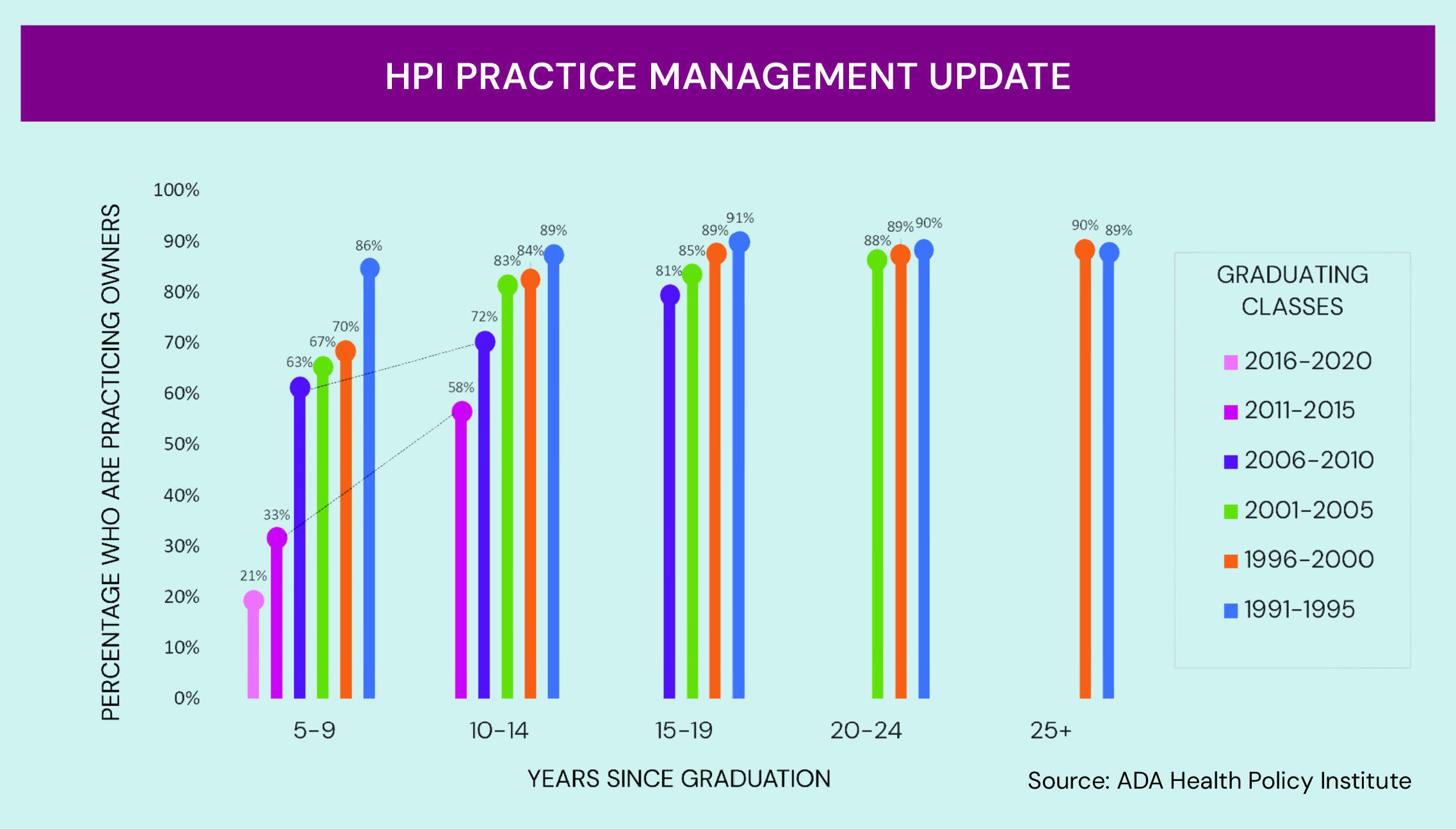
An examination of practice ownership trends reveals a similar pattern of divergent career choices across age and gender cohorts. HPI analyzed data looking at practice ownership at different career stages for cohorts of dentists who graduated between 1991 and 2020. For dentists who graduated in 2010 or earlier, the majority were practice owners five to nine years after graduation. In sharp contrast, only about 20% of dentists who graduated between 2016 and 2020 were practice owners at the same point in their career. For women dentists in this cohort, the figure is 14% compared to 30% for men.

Quote
In 2024, nearly one-third of new female dentists joined DSO-affiliated practices.

The demographics of dentistry are shifting. More dentists are choosing career paths in larger group practices or DSO-affiliated settings over traditional solo ownership early in their careers. As this new generation grows, their preferences will continue to redefine what it means to be a dentist today.

Rachel Morrissey is a senior research analyst at the American Dental Association’s Health Policy Institute, where she leads the analysis of data for a variety of projects focused on dental education and emerging issues in dentistry. She has co-authored several articles on the dental workforce, published in Health Affairs Scholar, Dental Economics, and the Journal of Dental Hygiene.

Marko Vujicic currently serves as Chief Economist, Chief of International Relations, and Vice President of the Health Policy Institute at the American Dental Association. He is a recognized thought leader in health care policy as it relates to dental care. He has published extensively in peer-reviewed journals such as Health Affairs, The New England Journal of Medicine, and his team’s work is regularly cited by CNN, The New York Times, The Wall Street Journal, Fox News, and other media outlets. Previously, he was Senior Economist with The World Bank in Washington D.C. where he focused on health systems reform in developing countries.


Gain ACCESS TO
INSPIRING
stories
Get membership
Leaders

Lessons in Leadership

10/22/2025
|
1 min. to read

Learn quick insights and success strategies from Women in DSO members shaping the future of dentistry. Gain wisdom, inspiration and practical guidance.

Gain ACCESS TO
INSPIRING
stories
Get membership
Leaders

Lessons in Leadership

03/06/2025
|
1 min. to read

Learn quick insights and success strategies from Women in DSO members shaping the future of dentistry. Gain wisdom, inspiration and practical guidance.

Gain ACCESS TO
INSPIRING
stories
Get membership
Leaders

Lessons in Leadership

08/06/2025
|
1 min. to read

Learn from Women in DSO® members shaping the future of dentistry. Gain wisdom, inspiration, and practical guidance from these quick insights and success strategies.

Gain ACCESS TO
INSPIRING
stories
Get membership
Trending

2025: A Year of Recovery and Innovation for DSOs

03/06/2025
|
6 min. to read

Predictions and Analysis on Economic Conditions, Technology and M&A Trends

By Brian A. Colao
Director, DSO Industry Group at Dykema

The last two-plus years have been the toughest economic environment in the history of the DSO industry. The challenges began in early 2021, near the end of the COVID-19 pandemic, with a new presidential administration that flooded the economy with a surplus of aid programs, many of which proved unnecessary. Around a year later, Russia invaded Ukraine, destabilizing global markets, followed by several crises in the Middle East. The result was the highest interest rates and inflation in the history of the DSO industry, coupled with record costs for goods and labor. These difficult economic conditions significantly lowered EBITDA, leaving many organizations struggling to maintain positive cash flow and comply with the terms of their credit facilities. These conditions also caused a massive slowdown in the once-booming DSO M&A markets, creating great uncertainty heading into the November 2024 presidential election.

In November 2024, one of the most closely watched elections in U.S. history took place, resulting in the election of a new presidential
administration. Interest rates have since been lowered by the Federal Reserve. This raises the question: what can we expect for the DSO industry in 2025?

Economic Conditions are Trending in a Positive Direction

Going into 2025, there are a number of favorable economic conditions, including the following:

1. The Federal Reserve cut interest rates three times in the latter half of 2024, during meetings in September, November, and December, totaling a full percentage point reduction. This has led to more favorable lending conditions, with expectations that rates will continue to decline throughout 2025.

2. Investor confidence has improved significantly after the outcome of the 2024 presidential election, with the stock market rising more than 1,500 points and 3.6% the day after the election and continuing to rise over the next few weeks.

3. An enormous amount of investor capital remains on the sidelines, waiting for the right opportunities.

4. There is also a large inventory of dental organizations of all sizes that are seeking recapitalization events.

5. Many technological innovations have either come online or are expected to come online soon, which can dramatically improve the same-store growth of dental organizations.

The New Presidential Administration is Expected to Pursue a Much Less Stringent Regulatory Environment

Going into 2025, the regulatory environment appears much more favorable, including the following factors:

• The FTC’s proposed non-compete rule was enjoined by a federal court on August 20, 2024. The new administration is not expected to pursue the enforcement of this proposed rule, which will create much more favorable conditions for the labor market.

• The Corporate Transparency Act was enjoined by a federal court on December 3, 2024. If this injunction is upheld, it will create a less burdensome environment for corporate entities.

• The current FTC director will be resigning, and a new director appointed by President Trump will be taking over with a much more business-friendly philosophy.

• President Trump has pledged to overhaul the Justice Department, which is expected to lead to less aggressive healthcare-related investigations and enforcement actions.

• Governor Gavin Newsom recently vetoed SB 842 (in September of 2024), which, if signed into law, would have allowed the California Attorney General broad powers to block healthcare M&A transactions.

Amazing Innovations Exist to Boost Same-Store Growth for DSOs

This is truly one of the most exciting times in the history of the dental industry. There have been more innovations in the last five years than in the previous 100 years. Some of the most incredible innovations that either exist or are coming soon include:

• Diagnostic AI allows for the diagnosis and treatment of many more dental conditions than ever before.

Advertisements

• AI is automating payment of invoices, adjudication of insurance claims, approvals, collection of receivables, and improving revenue cycle management. AI is also reviewing phone calls to maximize patient retention.

• A revolutionary product exists that has the potential to regenerate enamel and monetize the treatment of minor cavities without resorting to the traditionally invasive “drilling and filling” procedures.

• Membership plans are increasing the ability of dental organizations to attract and retain patients who lack insurance.

• Technological advancements and innovations in clear aligners, implants, anchored dentures, sleep medicine devices, and traveling specialists have made the integration of specialties into general dentistry offices easier than before.

• Innovative patient finance solutions have made access to treatment easier than before.

• Other technology advancements include real-time tracking of capital tables and earn-outs, lease management, management of merchant fees, the use of big data to determine market presence, and lab consolidation—all of which have the potential to reduce overhead.

These technologies can increase same-store growth, lower overhead, and compensate for shortages in clinical and non-clinical employees. However, challenges remain in the adoption of these technologies, including resistance to change, lack of effective implementation plans, and the integration with existing technologies already in use at dental organizations.

Questions and Predictions for the First Half of 2025

There are several key questions as we enter the first half
of 2025:

1. Will interest rates go low enough to truly jump-start M&A markets?

In December of 2024, the Federal Reserve Chairman delivered disappointing news, by projecting just 2 rate cuts, down from its original anticipated rate cut of 4. This caused stocks to tumble. The Chairman cited persistent inflation as the main reason for the smaller-than expected reduction, warning that it could take until the third or fourth quarter of 2025 for inflation to improve.

2. Is investor confidence high enough to truly jump-start M&A markets?

Investor confidence is at its highest point in the last three years, and there is significant capital waiting to be deployed but inflation still remains higher than it should be and interest rates will not be reduced as quickly as the market had hoped.

3. What will 2025 valuations for dental organizations look like?

I believe valuations will be fair but not as high as they were at the end of 2020 and 2021, when market highs were reached.

4. What will 2025 deal structures look like?

The market will continue to utilize rollovers, earn-outs, and joint ventures as a means of mitigating risk for transactions into 2025. EBITDA will also be scrutinized much more strictly than it was during the market highs in 2021.

5. What will same-store growth look like?

Organizations that adopt new technologies, properly implement them, and integrate them with existing systems will experience substantial same-store growth.

6. What challenges could derail a market rebound in 2025?

• New wars or global unrest.
• The implementation of draconian policies,
such as onerous tariffs.
• Failure to achieve low enough interest rates.
• Stubbornly high inflation.

Prediction for 2025

I predict a gradual recovery during the first two quarters of 2025, with smaller to mid-sized deals closing in this period. I expect to see improved deal activity in the third and fourth quarters of this year, assuming there are no major global or domestic setbacks. Additionally, I anticipate a dramatic increase in the adoption and successful implementation of new technologies in 2025, which will lead to significant same-store growth for dental organizations.

Gain ACCESS TO
INSPIRING
stories
Get membership
Filter
Categories
Paspaudę „Įsigyti mokymus“ mygtuką būsite nukreipti į platformą, kurioje galėsite įsigyti šiuos mokymus.