C-Suite

Behind the Numbers

03/06/2025
|
17 min. to read

Insights from Female CFOs in Dentistry

In the dynamic world of DSOs, financial leadership has never been more critical. CFOs stand at the intersection of strategy, operations, and care, tasked with steering organizations through an intricate maze of challenges—rising costs, shifting patient demographics, and the pressure to innovate. As the financial stewards of their organizations, they manage budgets, navigate economic uncertainties, and champion long-term sustainability. But the role of a CFO extends far beyond crunching numbers. It demands a delicate balance between fiscal responsibility and strategic foresight.

Today’s CFOs are not only focused on financial health but also on fostering collaboration, driving innovation, and ensuring that financial strategies align seamlessly with clinical priorities. Their work shapes how care is delivered and how businesses grow.

Advertisements

To better understand the complexities of this role, we interviewed four accomplished CFOS — Crissy Fiscus from PepperPointe, Karen Friar from Benco Dental, Victoria Garcia from Dental Care Alliance and Marie-Claude Tardif from iFinance. We covered everything from navigating workforce challenges to the latest books of interest. Each perspective offers invaluable insights. Here’s what they had to say.

Victoria Garcia
Chief Financial Officer Dental Care Alliance

What are the most significant financial challenges facing DSOs in your region? How are you addressing them?

I believe the most significant financial challenge facing DSOs continues to be elevated interest rates. It is imperative to properly forecast cash flow and only invest in projects that generate positive cash flow after accounting for debt.

What approach do you use to balance cost management with maintaining high-quality patient care?

AT DCA patient care always comes first. We pride ourselves in delivering high quality care. We look for ways to create efficiencies using technology and process improvement to manage costs, while maintaining high quality care.

How do you collaborate with the clinical leadership to ensure financial decisions align with patient care priorities?

I see myself as a highly operations-focused CFO. I partner closely with the CCO and COO to gain clear understanding of clinical
and operational priorities before making any significant financial decisions. I get deeply involved in the operational strategy of the company to ensure financial strategy is aligned and complementary.

What trends are you observing in patient demographics and behavior? How are DSOs adapting to meet these trends?

Rising inflation and increasing cost of living have made access to care more challenging. We partner with organizations that help patients with their financing needs to be able to afford the care that they need.

What challenges do you face in communicating the financial story to investors and leaders in your company?

Investors and Leaders in the company have varying levels of financial expertise or depth of knowledge of our business and industry. Simplifying complex financial data and providing enough detail to instill confidence is key in communicating the financial story.

What advice can you offer to leaders on managing workforce challenges?

Managing workforce in DSOs is paramount, especially with today’s clinician shortages and wage pressures. It is important to invest resources in Strategic Workforce Planning that is multifaceted and focuses on employee development, communication and culture.

What key financial metrics do you prioritize to gauge health of an organization?

CFOs are responsible for managing a wide range of financial metrics. I would say the ones that I focus on the most in our current environment are Cash Flow and EBITDA growth.

What significant challenges do you face as a CFO?

The most significant challenge that I face as a CFO is finding a balance between communicating urgency and financial responsibility,
while still instilling confidence and excitement across varying stakeholders of the organization.

What’s a book, article, or podcast that has recently influenced or inspired you?

EPIC! The Women’s Power Play Book
Karen Friar
Chief Financial Officer Benco Dental

What challenges do you face in communicating the financial story to investors and leaders in your company?

One of the biggest challenges I face is ensuring that everyone, regardless of their background, understands not just the numbers, but the ‘why’ behind them. Financial data is often complex and filled with technical terms, so I focus on simplifying it, using clear visuals, and avoiding unnecessary jargon to ensure the message resonates with different audiences. I carefully tie every financial update back to our strategic goals, providing a clear view not only of our current performance but also of where we’re headed.

Additionally, I prioritize open, two-way conversations to address questions, clarify uncertainties, and build trust and alignment across all stakeholders. My ultimate goal is to make financial information easy to understand and directly connected to our broader strategic objectives. In the end, I want every stakeholder to feel informed, confident, and aligned with our financial direction.

What advice can you offer to leaders on managing workforce challenges?

One of the most important lessons I’ve learned in managing workforce challenges is the power of active listening and adaptability. Listening isn’t just about hearing words, it’s about truly understanding concerns, acknowledging unspoken challenges, and showing genuine
care for your team’s input. Leaders who listen create trust, foster transparency, and build a culture where employees feel valued and empowered to contribute. At the same time, adaptability has become non-negotiable. Whether it’s adjusting to remote work, embracing evolving technologies, or responding to shifting employee expectations, leaders must remain flexible and open to change. This balance of listening and adapting helps address challenges proactively rather than reactively.

Equally important is clear and transparent communication, especially when every suggestion or idea can’t be implemented. Explaining the why behind decisions helps employees feel respected and reduces feelings of dismissal, even if they disagree.

Beyond that, investing in employee well-being, offering growth opportunities, and fostering an environment of trust and accountability ensure teams remain engaged and aligned with the organization’s goals. At the end of the day, successful workforce management isn’t about having all the answers, it’s about creating a culture where people feel heard, valued, and motivated to contribute to a shared purpose.

Crissy Fiscus, CPA
Chief Financial Officer PepperPointe Partnerships

What are the most significant financial challenges facing DSOs in your region? How are you addressing them?

Managing several different issues that can negatively impact profitability is our most significant financial challenge:

Managing and controlling overhead costs, which includes staff salaries, supplies, equipment costs, etc. The recent rise in inflation has resulted in an increase in all business costs. As with any other business, it is a challenge to manage costs in this environment and maintain our profit margin. There are two specific areas that have impacted our business costs the most – staff salaries and interest.

Staff salaries have increased significantly in the past 3-4 years. The increase in salaries is also coupled with a labor shortage. This
has created a perfect storm of staffing in the dental industry. We are investing in technology to assist our current administrative staff with their duties. By investing in technology and training our people to use these technologies, we are seeing increased efficiency with our teams. Investments in technology will be a continued focus for us.

Rising interest rates impact so many different areas of our business, our cost of capital has increased, and our suppliers’ costs have also increased, which then gets passed on to us. Again, everyone in business is feeling the impact of rising interest rates. We are not as impacted as a lot of businesses, but it still definitely has an impact.

Rising inflation impacts our patients’ discretionary income, which impacts their ability to accept treatment. If patients cannot pay for treatment, that is a problem on many levels. Therefore, we are working to offer more ways to break down financial barriers for patients to accept treatment – offering more financing options, etc.

What approach do you use to balance cost management with maintaining high-quality patient care?

Staff Training – We are putting additional emphasis on staff training, which includes clinical and nonclinical staff in all our practices, as well as staff at the PepperPointe office. Highly trained staff create a better patient experience and a more efficient practice. The same goes for the team at PepperPointe, if the PepperPointe team is highly trained we can provide better, more efficient support for our practices.

Data Analytics – The PepperPointe data analytics team is focused on providing data that can be used by the PepperPointe team, our doctors and our practice level staff to provide insights into their business. We have recently implemented several different dashboards to assist our staff in effectively managing their practices. Using data to monitor financial performance, practice efficiency, and patient outcomes allows us to make real time adjustments to create better outcomes for our patients and the financial performance of our practices.

Patient Payment Options – To improve patient access to care while managing our cash flow, we are utilizing more payment options for our patients. These options include various third-party financing options. We are also using technology such as text to pay to make it as easy as possible for patients to pay.

Staying competitive: Evaluating UCR and Fee Negotiations in Dental Practices – We regularly evaluate our practice’s usual, customary and reasonable fees, as that is crucial to ensure alignment with industry standards and competitiveness within our local market. This strikes a balance between offering a competitive rate that attracts patients and maintaining profitability, which is a vital aspect of practice management.

Fee negotiations with third-party payers are equally important. We focus these discussions on optimizing contracts to benefit both the
practice and the payer. Building and maintaining strong relationships with key third-party payers can open opportunities to reduce administrative burdens and create mutually beneficial solutions.

How do you collaborate with the clinical leadership to ensure financial decisions align with patient care priorities?

Collaborative Budgeting and Planning – The PepperPointe team works closely with the clinical leadership to develop the budget and operational plan for the upcoming year. The financial budget is coupled with a business development roadmap (BDR) developed for each practice. The key performance indicators (KPIs) are outlined in the BDR. The KPIs are both financial and operational. Through this collaborative effort a plan that addresses patient care and financial success is developed.

Shared Data – The financial and nonfinancial KPIs are developed and shared with the clinical leadership. They contributed to the development of the BDR and they also share in the performance against the goals of the BDR throughout the year.

Financial Training for Clinical Leadership – We also invest in financial training for the clinical leadership. The BDR and budgeting process provides the opportunity for clinical leadership to develop their financial skills as well.

What trends are you observing in patient demographics and behavior? How are DSOs adapting to meet these trends?

Digital Health Engagement – Patients are looking for more digital options – online scheduling, text communications, etc. More importantly, they are excited about digital treatment options, especially in orthodontics, where the physical patient visits can be reduced by using technology to send pictures to the orthodontist for review.

Flexible payment options – patients want and need various ways to pay to allow them to get the treatment that they need, this includes payment plans and third-party financing options.

What key financial metrics do you prioritize to gauge the health of an organization?

  • This varies based on specialty, but these are some of the metrics that we are looking at daily for all specialties:
  • Days sales outstanding
  • Over the counter collections
  • Staffing costs as a percentage of revenue
  • Supply costs as a percentage of revenue

What’s a book, article, or podcast that has recently influenced or inspired you?

The 100-Year Life: Living and Working in an Age of Longevity
There are several, but I am currently reading a book titled The 100 Year Life – Living and Working in the Age of Longevity by Lynda Gratton and Andrew Scott. It discusses how having a longer life span is changing (and will continue to change) the way people live. Life will no longer be in 3 big buckets – education, work and retirement. The longer life span will have a significant impact on every aspect of our lives – work, financial, social, healthcare.

What key financial metrics do you prioritize to gauge health of an organization?

When assessing the financial health of an organization, I prioritize a balanced set of key financial and non-financial metrics that provide both a snapshot of current performance and insight into long-term sustainability. While we consider many metrics, we emphasize revenue growth, market share, EBITDA margins, free cash flow, and customer and associate satisfaction scores. Each of these metrics is important individually, but their full value is realized when analyzed together as part of a broader performance perspective.

Financial health isn’t just about numbers, it’s also about building trust and loyalty with customers and associates. High satisfaction scores indicate repeat business, brand advocacy, and long-term customer retention. Likewise, engaged and satisfied employees are the driving force behind operational excellence and innovation, offering insights into organizational culture and long-term productivity.

What is a significant challenge you faced as a CFO and the lessons it taught you?

One of the most significant challenges I faced was of course navigating the CV19 pandemic. Practically overnight, we were faced with disruptions in operations, supply chains, and customer demand. During those moments, two key lessons stood out: the importance of resilience and the power of proactive communication. We focused on optimizing cash flow without compromising long-term goals and supporting our teams with clarity and transparency. At the same time, we doubled down on serving our customers, ensuring they had the resources needed to weather the crisis.

Perhaps the most important takeaway was that during times of uncertainty, financial leadership isn’t just about spreadsheets and forecasts, it’s about trust, adaptability, and courage. By staying focused on our core strengths and maintaining open communication across all levels, we emerged from the pandemic not just stable but in a position to grow and invest in the businesses. CV19 reinforced that true financial health isn’t established during periods of stability, it’s revealed and tested by how you navigate the most challenging moments.

What’s a book, article, or podcast that has influenced or inspired you?

A book that shaped how we hold our organization accountable ‘Measure What Matters: How Google, Bono, and the Gates Foundation Rock the World with OKRs’.

A classic book that has influenced me early in my executive career is ‘Lean In: Women, Work, and the Will to Lead’.

My go-to podcast is ‘CFO Thought Leader’ because it shares real-world stories from finance leaders, offering valuable insights on resilience, strategic decision-making, and driving meaningful change within organizations. I love listening and learning from many amazing leaders, gaining fresh perspectives, and finding inspiration to enhance my own approach.

The 100-Year Life: Living and Working in an Age of Longevity
CFO THOUGHT LEADER Podcast
Measure What Matters: How Google, Bono, and the Gates Foundation Rock the World with OKRs
Marie–Claude Tardif, CPA
Chief Financial Officer Iceberg Financial | iFinance

What challenges do you face in communicating the financial story to investors and leaders in your company?

Simplification without oversimplifying! One of the main challenges is translating complex financial data into clear, concise, and accessible narratives. Financial topics often involve intricate details—such as the underperformance of a project or deteriorating relationships with external partners—that require careful explanation. However, investors and leaders typically seek a high-level understanding rather than a deep dive into every detail. Striking the right balance between clarity and comprehensiveness is crucial and a daily challenge for CFOs. Another challenge is prioritizing key insights, by determining which elements are most critical to highlight. Investors and executives are primarily interested in the facts that impact the organization’s overall performance and long-term strategy. For example, when explaining why a project underperformed, it’s essential to not only share the contributing factors but also connect these to the broader financial impact and lessons learned. In other words: audience adaptation is key: tailoring the message to the audience’s role and perspective. Leaders focus on strategic decisions, while finance teams handle day-to-day operational details. Recognizing this distinction and adapting the narrative to ensure that messages are both impactful and aligned with the audience’s strategic priorities.

What advice can you offer to leaders on managing workforce challenges?

Listen actively: The first and most essential piece of advice is to truly listen to your employees. Make time to understand their concerns, ideas, and feedback. Active listening fosters trust, encourages open communication, and helps leaders stay connected to the pulse of their workforce. After, balance employee needs with organizational goals. A key challenge in leadership is finding the right balance between prioritizing the well-being of employees and achieving the company’s objectives. These two priorities can sometimes feel at odds, but they are not mutually exclusive. A great leader listens to and values their team while making decisions that align with both the team’s needs and the organization’s strategic goals, and they are also skilled at clearly communicating the bigger picture to their team, ensuring everyone is aligned and onboard. To achieve this, make sure to foster a shared vision. A leader must clearly communicate the company’s vision and how individual and team efforts contribute to achieving it. This alignment helps employees understand the bigger picture and the rationale behind decisions, especially when those decisions are difficult. A leader who can inspire their team while staying transparent about challenges is more likely to maintain morale and engagement.

What key financial metrics do you prioritize to gauge health of an organization?

The metrics I prioritize depend on the nature of the business, as every organization has unique key performance indicators (KPIs). However, there are three broad areas I consistently focus on:

  1. Liquidity and financial stability : The ability to quickly access funds, whether through cash reserves or credit lines, is essential for responding to unexpected challenges or seizing opportunities, but most importantly, I also evaluate relationships with financial partners: strong relationships with lenders and investors provide not only access to capital but also insights into how the organization’s financial health is perceived externally. Financial partners are often well-informed, and their perspectives can serve as a valuable indicator of overall stability.
  2. Employee retention and organizational culture: Employees are a company’s most valuable asset, and their retention is a strong indicator of internal health. High turnover rates can reflect deeper cultural or operational issues, while stable retention suggests a positive work environment. Employee satisfaction and engagement also serve as a barometer of organizational culture, which is directly tied to long-term success.
  3. Strategic vision and alignment: A company’s strategic vision and its execution are key to its long-term viability. To assess this, I look at:
    • Clarity of Vision: Is there a well-defined strategic direction?
    • Resource Allocation: Are resources being deployed effectively to achieve this vision?
    • ashboards and Metrics: How well does leadership track progress toward strategic goals? Dashboards that monitor KPIs aligned with the vision are critical for ensuring accountability and adjusting courses when necessary.

What is a significant challenge you faced as a CFO and the lessons it taught you?

One significant challenge faced as a CFO was effectively sharing the enthusiasm of the management team with external financial partners—particularly when presenting a new project or expansion plan. While the benefits of such initiatives might seem obvious to those deeply involved, communicating this vision in a way that resonates with external stakeholders requires a different skill set. As CFOs, we are often more accustomed to analyzing and presenting data than crafting narratives. However, I learned that storytelling is just as crucial as the numbers themselves. It’s not enough to simply present financial projections; you must create a compelling narrative that explains the broader impact of the project on the organization—both financially and strategically. This experience taught me three key lessons: master the art of communication, focusing on tailored messaging and bridge passion with data! Enthusiasm alone isn’t enough; it needs to be backed by solid numbers.

What’s a book, article, or podcast that has recently influenced or inspired you?

ACQUIRED Podcast
I am particularly drawn to stories, whether they are about companies or inspiring individuals. That’s why I enjoy immersing myself in the episodes of the podcast Acquired.
Gain ACCESS TO
INSPIRING
stories
Get membership
C-Suite

Leaders Behind the Smiles

10/22/2025
|
22 min. to read

Chief Clinical Officers are defining what it means to lead in dentistry. Their role demands more than technical expertise—it requires vision, adaptability, and the courage to move oral care into the broader health conversation. Within DSOs, they oversee the clinical integrity of vast networks. At companies like Colgate–Palmolive, they influence research, innovation, and global standards of care. Increasingly, Clinical Officers at artificial intelligence and technology companies are shaping how digital tools transform diagnosis, decision-making, and communication across the industry.

The expectations are rising. Oral-systemic health is no longer a buzzword; it’s becoming a measure of excellence. Chief Clinical Officers are leading efforts to embed these connections into provider training, patient education, and organizational strategy. They are catalysts for interdisciplinary thinking and early adopters of technologies that make dentistry more transparent, consistent, and trusted. And when resistance comes—as it always does—they are the ones who navigate the friction to keep momentum alive.

Advertisements

In the following pages, five distinguished clinical leaders share the lessons, strategies, and stories that define their leadership. From the principles they return to in moments of challenge to the innovations they see as indispensable, their answers illuminate both the burden and the privilege of leading dentistry forward.

PIC FROM CATERS NEWS (PICTURED 05/07/2018 London, UK. Farzeela Merali- Rupani) PR SHOOT FOR Sarah Learoyd at GLRPR
Dr. Farzeela Rupani
Chief Medical Officer
Colosseum Dental Group

What intentional steps are you taking to shift oral-systemic care from a buzzword to a system-wide standard across your organization?

We have been piloting salivary MMP-8 testing, a biomarker in periodontal and peri-implant diseases, and exploring oral microbiome testing which can provide a broader assessment of oral and general health by identifying potential risks and guiding personalized treatment plans.

We have also started to offer plasma blood tests to assess for HbA1c (diabetes), CRP (inflammation), vitamin D, and other relevant markers so that we can tailor treatment plans based on a patients’ systemic health and monitor healing more effectively especially in patients who are having periodontal treatment or implant treatment. Some of our clinics are working with local medical practitioners to assist with blood pressure screening so that Colosseum Dental can continue to provide a high standard of care, positioning us as a proactive, health-focused dental provider.

What aspect of your role today sparks the most energy or unlocks the most potential— for you and your organization?

Having taught undergraduates previously and mentored many clinicians following their graduation from dental school, I have always felt a real sense of pride and achievement when I see them grow and progress to become thriving, capable, and profitable clinicians!

Investing time and effort in a personalized and targeted way has really helped to enhance our teams’ capabilities, improve retention, and enabled sustainable performance within Colosseum Dental Group.

What’s one leadership principle or mantra that’s changed the way you show up at work—or that you return to in moments of challenge?

“Progress over perfection” is something that I learned from inspirational leaders I have had the opportunity to work with. Most dentists are naturally perfectionists, and early in my career, I was the epitome of trying to be this. I would delay launching projects until every detail was absolutely perfect. This could mean that I sometimes missed market opportunities!

I now focus on rapid iteration and learning from feedback rather than endless planning. I know that making mistakes or failing at something usually makes us stronger and that we learn the most from these situations, so I try to embrace that and live by this mantra. It’s not always easy and the perfectionist side of me sometimes slips out, but because I am conscious of it, I know how to tell that inner voice to quiet down when I need to!

How are you helping patients connect the dots between oral care and overall health?

We encourage our teams to use simplified, relatable explanations, without being patronizing, and  highlight direct links e.g., oral bacteria entering the bloodstream and affecting heart valves. We do this during our consultations with all patients as part of the discussion at the medical history taking stage but also when running through the treatment plans. We ensure that we have personalized risk discussions tying oral health to the patient’s unique profile, highlighting something like “managing gum disease could improve your blood sugar control, as inflammation complicates diabetes.”

Change is never frictionless. What approaches have helped you navigate internal resistance to a new oral-systemic model and interdisciplinary thinking?

It is important to align with your existing vision and values so framing the oral-systemic model is an extension of patient-centred care, not a departure. For example, highlighting that this is not “extra work” for our teams. Instead, it is deepening our ability to address the root causes of oral issues, which aligns with our mission to deliver comprehensive care which could then lead to reduced emergency visits and higher patient retention.

I always try to bridge knowledge gaps with contextual education, hosting workshops where we discuss real patient stories (e.g., a diabetic patient whose glycaemic control improved after periodontal therapy). Also highlighting peer-reviewed data from well-known and respected journals.

We tend to run small pilots and track key metrics prior to scaling widely to ensure that we gather supportive (or sometimes not so supportive!) evidence. This enables us to identify and empower internal champions who will be the early adopters and go on to encourage and mentor their peers. By blending evidence with empathy, and prioritizing incremental, visible progress, teams can shift from skepticism to ownership with the right guidance and support.

What is a book, article, or podcast that has recently influenced you?

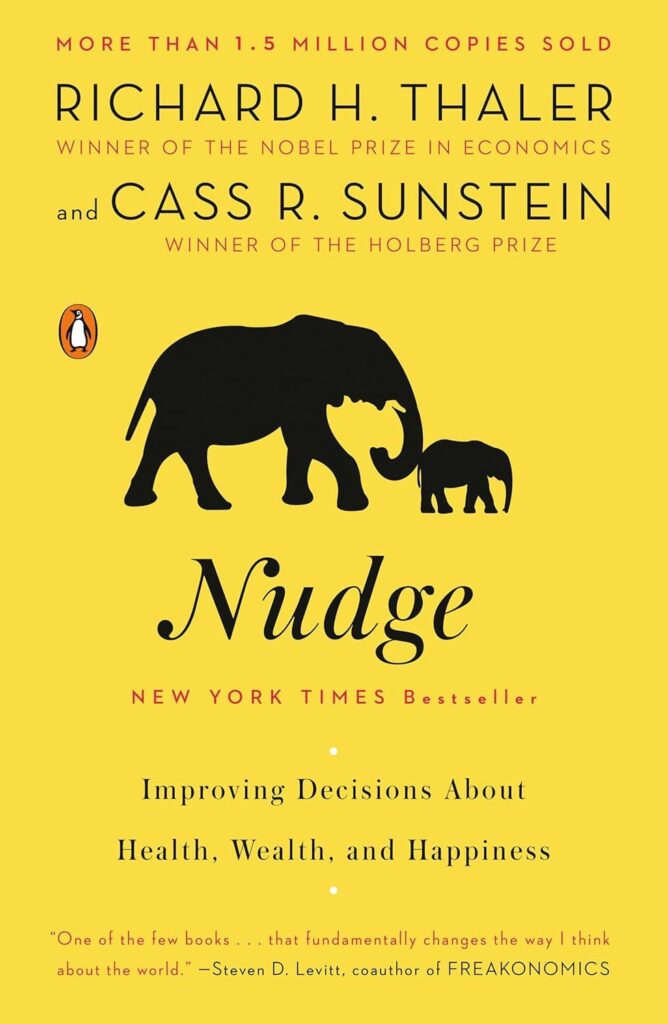
Nudge: Improving Decisions About Health, Wealth, and Happiness by Richard H. Thaler and Cass R. Sunstein. It’s not a new book (first published in 2008) but I stumbled upon it whilst staying at a hotel and became intrigued after reading the first few pages. It explores how we make decisions and how we can lead others to make better ones using behavioral science evidence. This has influenced the way I lead my teams across Colosseum Dental Group and how I encourage and coach our clinicians to achieve their goals and deliver enhanced patient care.

Dr. Maria Ryan
Chief Clinical Officer
Colgate-Palmolive

What intentional steps are you taking to shift oral-systemic care from a buzzword to a system-wide standard across your organization?

We recognize that globally, oral health literacy is exceptionally low, so we have developed educational tools to inform the public of the importance of oral health to overall health and wellbeing. We created a simple quiz—Know Your Oral Health Quotient (KnowYourOQ.com)—to educate people about oral diseases they may face, preventive strategies, and the importance of seeing a dental provider to diagnose often silent oral diseases. The earlier we educate people, the better off they will be, so we have been educating children and their parents about the importance of oral health and preventive strategies for over 30 years through our Bright Smiles, Bright Futures Program, which has reached nearly two billion children globally.

What strategies have worked best in cultivating interdisciplinary thinking among your providers?

Connecting medical and dental electronic health records is essential to improving coordination between providers and promoting integrated care. This enables optimal treatment planning and better patient outcomes, as the impact of oral health on medical conditions—and medical issues on oral health—can be more effectively monitored. Educating medical providers about the importance of oral health is also critical to opening lines of communication between the professions, since most physicians and nurses receive little training in this area. We support programs like the 100M Mouths Campaign, which engages oral health champions across the U.S. to work with academic institutions and bring oral health education into medical settings.

What aspect of your role today sparks the most energy or unlocks the most potential— for you and your organization?

As Colgate-Palmolive products can be found in six out of ten homes, our ability to reach out to consumers and to educate them about the importance of oral health to overall health is not only of great importance to me as a healthcare provider, but is important to my organization—which is reimagining a healthier future for all. Improved oral health literacy enables consumers to advocate for themselves and for policies that will provide access to preventive strategies and essential oral care that will improve not only their oral health but their overall health.

Our work with the Global Health Equity Network of the World Economic Forum is another important initiative where we have partnered with the ADA and Henry Schein to form an Oral Health Affinity Group that has developed an economic rationale for a global commitment to invest in oral health.

What’s one leadership principle or mantra that’s changed the way you show up at work—or that you return to in moments of challenge?

I have always believed in the 4Ps that are transforming modern medicine and dentistry, which is to be more predictive, preventive, and personalized in our approach, while encouraging our patients to be more participatory.

As these approaches can be challenging to develop and implement, I have developed my own 4Ps that I deploy during challenging times, which include the importance of persistence, perseverance, and passion for the work that you do, as well as the importance of surrounding yourself with the best people, as it is teamwork that combines these 4Ps to allow you to achieve your goals.

From diagnostics to at-home tools, what innovations are proving indispensable as the field shifts toward a more systemic approach?

New diagnostics that enable patients and practitioners to see shifts in the microflora from a more pathogenic flora to a healthy microflora are extremely helpful. The same is true when both patients and practitioners can visualize changes in pro-inflammatory mediators and destructive enzymes, before and after treatment. These clinical decision support (CDS) tools can improve clinical decision making at the point of care. Measurements of markers like glucose, hemoglobin A1C, and hsCRP in saliva will also be helpful towards a more systemic approach and can be used as screening tools for systemic conditions. Genetic testing can inform patients of risk and let them know the importance of more frequent visits, risk reduction strategies, and the use of antimicrobial and/or host modulatory therapies.

What is a book, article, or podcast that has recently influenced you?

health and the impact of oral health on overall health throughout their lives, I was influenced by a book called Invisible Women: Data Bias in a World Designed for Men by Caroline Criado- Perez. This book reveals the adverse effects on women caused by gender bias in data collection for medical research, in product development, in government policy, and in many other areas. As Chief Clinical Officer, I feel the importance of collecting and evaluating data based on gender has always been important, in addition to educating healthcare providers about the gender-related differences that we see relative to oral health.

It was only when I switched to a female provider that I learned the statin lowering agent I had been taking for years (Lipitor) was not as effective as the one she switched me to (Crestor), as research had revealed that this newer agent works better for women. As a periodontist, I have always advised my female patients about their risk for developing oral diseases throughout their lives based on hormonal changes and the impact of oral disease on their overall health.

Dr. Hisham Barakat
Chief Clinical Officer
Guardian Dentistry Partners

From your perspective, how is the dentist’s role evolving as a frontline player in whole-body health?

The dentist’s role now extends well beyond being a gatekeeper of oral health—we’ve become essential partners in our patients’ overall wellness journeys. Because we see our patients every six months, dentists are uniquely positioned to notice subtle health changes over time, catch early warning signs, and foster proactive conversations about total health—not just teeth. This regular touchpoint allows us to screen for conditions linked to oral health, like diabetes or hypertension, and collaborate with primary care and specialists as needed. I believe our ability to build trusting, consistent relationships with patients puts dentists at the forefront, closing the gap between oral care and overall health.

What’s one leadership principle or mantra that’s changed the way you show up at work?

Leaders create leaders, and growth should be part of everyone’s journey. Instead of seeing leadership as top-down, I focus on empowering others to find and cultivate their strengths, knowing it makes our organization stronger.

What aspect of your role today sparks the most energy or unlocks the most potential—for you and your organization?

What energizes me most is helping doctors and teams discover their “genius”—that unique intersection of passion and skill where work becomes deeply satisfying. There’s nothing more rewarding than spotting what excites a provider and then tailoring development opportunities so they can thrive in that space.

When our clinicians operate in their Genius Zone, patient care improves and morale soars. Investing in people this way doesn’t just transform individual careers; it elevates our entire organization. For example, if I know a doctor loves to do more surgery, we focus their training on surgical procedures so they’re working within their genius when they return to their office, making an impact on their patients, their office, and the whole organization.

Beyond successful procedures, what does true clinical excellence look like to you— and how do you measure it?

For me, true clinical excellence is when patients are so satisfied that they refer loved ones to our care because of their experience. It’s also when providers, equipped with new skills, begin sharing stories about meaningful cases— showing pride in how they’ve made a difference. I see excellence reflected in the camaraderie of our teams, especially after mission trips when members return eager to share impactful lessons. I measure clinical excellence by the ripple effect of positive outcomes, from wordof- mouth referrals and team growth to the enduring impact on the communities we serve.

How are you helping patients connect the dots between oral care and overall health?

We use a “co-diagnosis” model, harnessing tools like intraoral scanners and AI to visualize oral health with patients in real time. By exploring findings together and discussing any health changes or concerns, we create genuine engagement. When patients see how oral health factors relate to sleep, blood pressure, or wellness, they’re more motivated to act—and to value regular care. This collaborative approach gets patients invested in their health journeys and drives lasting impact.

If you had unlimited budget and no red tape, what change would you make tomorrow in dentistry or healthcare?

One of my most rewarding projects is our mission trip to the Dominican Republic. In addition to providing basic dental care, we have expanded to implants, sinus lifts, and full arch reconstruction (All-on-X) to those in need. Thanks to our partners there is no cost to the patients.

If resources were unlimited, I would expand access to care for the underserved by launching quarterly mission trips, both internationally and across the US. Scaling this model would allow us to touch more lives, train more professionals, and make a real dent in oral health disparities—bringing worldclass care to those who need it most.

What is a book, article, or podcast that has recently influenced you?

Rich Dad Poor Dad was a turning point for me. Reading it over 20 years ago fundamentally changed how I approached finances, life goals, and building security outside the dental operatory. It set the foundation for my personal and professional growth. More recently, Blue Ocean Strategy opened my mind to the power of innovation and thinking beyond traditional boundaries. Both books, in different ways, encourage breaking out of conventional thinking— whether in running a business or envisioning new ways to deliver care. They remain touchstones for how I lead and make decisions.

Dr. Vladana Babcic
Chief Clinical Officer
Specialized Dental Partners

From your perspective, how is the dentist’s role evolving as a frontline player in whole-body health?

There has never been a more exciting time to practice oral-systemic health. The evidence connecting the oral biome to systemic diseases is undeniable, and dentists are increasingly recognized as vital partners in whole-body care. As this research expands, I believe we will see closer collaboration between dentists and physicians, with dental teams identifying risks, initiating preventive conversations, and contributing to earlier interventions in systemic disease management. Oral health is health, and our role is shifting from being siloed providers to being essential members of a broader healthcare team.

What’s one leadership principle or mantra that’s changed the way you show up at work—or that you return to in moments of challenge?

The most powerful leadership tool is listening. Listening to patients reveals their unspoken concerns, listening to colleagues fosters trust and collaboration, and listening in moments of challenge provides the clarity needed to move forward. In a profession that often values doing and solving, listening is what allows us to truly understand and lead.

What strategies have worked best in cultivating interdisciplinary thinking among your providers?

Specialized Dental Partners’ integrated care model is built on interdisciplinary collaboration. Endodontists, periodontists, and oral surgeons work side by side with general dentists to evaluate, diagnose, and treat patients. This model ensures patients benefit from multiple expert perspectives and receive coordinated, patient-centered care. While we believe this is best for the patient, we have also found that our dental specialists gain so much from working together and seeing differing perspectives. It’s a model that breaks down silos and makes collaboration the natural way we practice.

What aspect of your role today sparks the most energy or unlocks the most potential— for you and your organization?

My greatest passion lies in guiding the next generation of dental specialists. Dentistry is evolving at an incredible pace—from innovations in technology to new models of integrated care—and helping young specialists chart their path through this changing landscape is both energizing and deeply meaningful.

What excites me most is the chance to combine clinical expertise with mentorship and leadership development. I focus on preparing specialists to thrive in the realities of modern practice by equipping them with confidence, resilience, and a vision of themselves as clinicians, collaborators, innovators, and future leaders in the profession.

This work unlocks potential on two levels. Individually, it empowers specialists to grow, take ownership, and envision what’s possible in their careers. Collectively, it strengthens our organization and the specialty as a whole—building a pipeline of leaders who will carry dentistry forward with excellence, innovation, and compassion. That sense of momentum, of shaping the future of the field while supporting the next generation, is what fuels me every day.

Beyond successful procedures, what does true clinical excellence look like to you—and how do you measure it?

To me, true clinical excellence means working together to support growth for doctors, for practices, and for patients. It’s about creating an environment where doctors are continually learning, where practices thrive, and where patients experience seamless, coordinated care. Excellence shows up in the strength of our culture, the confidence of our clinicians, and the trust patients place in us.

A recent highlight was our New Specialist Summit, a doctor-driven, doctor-led event where mid-career doctors shared early-career experiences with new specialists. The goal was to give younger doctors the kind of head start many of us didn’t have—learning from peers, exchanging tips, and gaining practical insights. Events like this show that excellence is measured by more than clinical precision. It’s also about how we share knowledge, support one another, and invest in the future of the profession. Through mentorship, board certification support, and programs like the New Specialist Summit, we are supporting and coaching specialists to deliver excellent care and step into leadership roles that define the future of the profession. Watching them grow as clinicians and leaders is what unlocks the most potential for our organization and for dentistry as a whole.

What’s a question you wish more people asked you?
I wish more people would ask about advice for young doctors at the start of their careers. My answer is simple: say yes. Say yes to opportunities big and small, even when they stretch you. Every experience builds connections, perspective, and clarity about what truly excites you in dentistry. After years of training, finding that passion is the key to longevity, fulfillment, and happiness in your career.

What is a book, article, or podcast that has recently influenced you?
Supercommunicators by Charles Duhigg has been especially impactful. In any field, but particularly in healthcare, success ultimately depends on how people communicate and understand one another. Clear, authentic communication builds trust between doctors and patients, and within clinical teams. This book reinforced for me that the ability to connect across perspectives is as essential to outcomes as any clinical skill.

Terri Dolan
Chief Dental Officer
Overjet

What’s one leadership principle or mantra that’s changed the way you show up at work—or that you return to in moments of challenge?

One principle that resonates deeply is “Lead with curiosity, not certainty.” This means approaching challenges— whether it’s a complex clinical case, a product development hurdle, or a team conflict—by asking better questions rather than rushing to provide answers. In practice, this looks like asking “What are you seeing that I’m not?” instead of immediately jumping to solutions, or “Help me understand the trade-offs  you’re weighing,” when someone disagrees with a direction. It’s particularly powerful in moments of high stress or when projects aren’t going as planned.

This principle tends to unlock better solutions because it engages your team’s expertise rather than bypassing it. It also builds psychological safety—people are more likely to surface problems early when they know they’ll be met with curiosity rather than judgment. And it models the kind of intellectual humility that’s essential in fields where technology and best practices are constantly evolving. The hardest part is pausing to ask questions when your instinct is to provide answers—but that pause often leads to insights you wouldn’t reach alone.

Beyond successful procedures, what does true clinical excellence look like to you—and how do you measure it?

Excellence means every interaction leaves patients more empowered and healthier than when they arrived, regardless of the complexity of the procedure performed.

Change is never frictionless. What approaches have helped you navigate internal resistance to a new oral-systemic model and interdisciplinary thinking?

I’ve found that leading with education and evidence is essential. When team members understand the robust research connecting oral health to conditions like diabetes, cardiovascular disease, and adverse pregnancy outcomes, resistance often transforms into enthusiasm for expanding their impact on patient health. Demonstrating how patients respond when given accurate, trusted information about these connections has been particularly powerful; patients are genuinely hungry for this knowledge and become more engaged partners in their care when they understand the “why” behind recommendations. By positioning our team as trusted educators who can leverage AI tools to deliver this information clearly and compellingly, we shift from being seen as “tooth fixers” to being recognized as integral healthcare providers who significantly impact overall wellness.

If you had an unlimited budget and no red tape, what change would you make tomorrow in dentistry or healthcare?

I would completely reimagine dental care delivery and benefits to reward prevention and early intervention while fully integrating oral health providers into the broader healthcare team with seamless access to interoperable health records—enabling dentists to see a patient’s diabetes management, medication history, and cardiovascular risk factors to provide truly comprehensive care.

This new system would provide patients with financial incentives for regular preventive visits and measurable oral health improvements, while giving clinicians the resources, reimbursement structure, and real-time health data access needed to spend adequate time on evidence-based risk assessment and coordinated care planning with physicians.

By aligning financial incentives with health outcomes and breaking down the artificial silos between oral and systemic health, we’d transform dentistry from an isolated, reactive specialty into a proactive, prevention-centered discipline that’s integral to overall patient wellness and population health.

What’s a question you wish more people asked you—but never do?

I wish more people would ask “What career paths beyond traditional practice has your dental training opened up?” because it would let me share how dentistry is truly a gateway to endless possibilities—from leading AI companies and conducting research to public health policy, forensics, and entrepreneurship—proving that if you can dream it, you really can build it with the foundational skills and credibility that dental education provides.

What is a book, article, or podcast that has recently influenced you?

My personal volunteer engagement with the Santa Fe Group (SFG), as well as Overjet’s involvement with the SFG’s Strategic Advisory Council, has kept me focused on the mission to improve lives through oral health. The SFG resources on integrated healthcare provide a roadmap for the systemic changes we’re working toward, moving beyond individual practice innovations to industry-wide transformation. Both organizations offer concrete evidence that the future of dentistry lies in true healthcare integration.

Similarly, the CareQuest Institute’s recent publications and webinars on medical-dental integration have been particularly influential in shaping how I think about systemic change in our industry. Their focus on making oral health “more accessible, equitable, and integrated with overall health” resonates deeply with our mission at Overjet and reinforces why we’re passionate about using AI to break down traditional silos.

What strikes me most about their work is how they showcase practical examples of oral health startups advancing whole-person care, rather than just talking about integration in abstract terms. They’re documenting real-world success stories that prove medical-dental integration isn’t just possible—it’s profitable and scalable.

Gain ACCESS TO
INSPIRING
stories
Get membership
Leaders

Architects of Growth

08/06/2025
|
23 min. to read

An Interview with Five Prominent CTOs Shaping What’s Next

Growth doesn’t happen by accident—it’s built. From the systems that power smarter operations to the tools that elevate patient and user experience, the CTOs featured in this issue are designing the frameworks that help their companies scale, adapt, and lead.

Whether inside a fast-growing DSO or at the helm of technology serving the industry, each leader brings a distinct perspective on how innovation actually happens—what to invest in, what to ignore, and how to stay focused when the noise gets loud.

Advertisements

Meet five visionary technology leaders who are reshaping what it means to be a CTO in the dental industry. Their responses are equal parts strategic and personal. You’ll find insight into long-term tech bets, practical approaches to productivity, and the mindset required to align complexity with clarity. And yes, even what keeps them up at night.

This is growth by design—and the executives behind it.

Carol Juel
Executive Vice President, Chief Technology and Operating Officer
Synchrony

What’s one technology decision you’ve made in the last year that will shape your company for the next five?

Our goal is to connect patients with financing options at the moments that make the biggest impact for them—and technology is an increasingly vital piece of that equation. We’ve been deeply embedded in the dental space for more than 35 years. During that time, we’ve prioritized partnerships that allow us to reach patients where they are with payment choices that fit their budget and lifestyle.

One way we’ve been doing this through the years is by partnering with independent software vendors (ISVs). Synchrony’s extensive partnerships with many of the leading healthcare ISVs make it possible for practices to seamlessly integrate customized technology into their existing systems. These partnerships ultimately allow us to extend financing offerings that boost treatment acceptance from patients, supporting dental providers by ensuring their patients can continue seeking care.

In your view, what role should the CTO play in shaping the user experience?
Customer experience is at the heart of everything we do. I have a unique role overseeing both our technology and operations organizations, including our contact center teams. Bringing these organizations together has enabled more transparency, closer collaboration, and a sharper focus on CX across channels—ensuring a positive and consistent experience, no matter how patients engage with us.

Of course, this extends to our providers as well. We recognize that handling healthcare payments can be complicated, even on a good day. Streamlining that process starts with making our solutions as seamless and easy to use as possible.

All to say—technology plays an essential role today in shaping the user experience, and it’s only becoming increasingly critical. I think CTOs who embrace this role and develop a real passion for the customer experience will be best positioned to influence and drive growth for their organizations.

What keeps you up at night— cybersecurity, interoperability, or something else entirely?
I truly believe we have the industry’s best talent. Our teams are experts in the sectors we serve and bring incredible passion for driving innovation and results for our partners. Especially within technology, I know there’s always competition to attract and retain high-performing employees. That’s why, as a company, we have prioritized creating an outstanding employee experience and culture for our Synchrony teams.

Our approach centers on employee listening. I travel to each of our team’s Synchrony hubs to hear directly from employees. Then we act on their feedback. This has led to quick tech fixes, process overhauls, new employee benefits, career development programs, and much more. Most importantly, it creates a culture of trust, where great talent can do great work.

What’s one piece of non-tech advice that made you a better technology leader?
The best advice I’ve received is to stay curious. Sometimes it can be hard to set egos aside and admit that you aren’t the expert in every discussion, which is why real curiosity takes courage. It means surrounding yourself with smart people with different life experiences and being unafraid to ask a question that exposes that you don’t have all the answers.

Whether you’re a new leader or a veteran member of the team—ask the questions. It shows you want to learn more and grow with your team. If you’re not having those conversations, you can’t learn, you can’t improve, and your business won’t advance.

What emerging tech trend is overhyped—and which one isn’t getting enough attention?
In many ways, I believe the generative AI discussion is both oversaturated and often misunderstood. Gen AI has incredible potential and will undoubtedly change the ways many of us work but can exist as a tool that supports human-centered work, rather than threatening it.

We view AI as a partner at Synchrony, not a replacement for human expertise. Gen AI can help get certain tasks done more efficiently, but a human must always be in the loop. We’ve introduced a variety of use cases across our business over the past two years, and they have one thing in common—they reduce friction in employees’ day-to-day work. In many cases, gen AI has reduced or removed tedious manual tasks, helping employees to focus on the more fulfilling and engaging parts of their jobs.

I believe this approach has also led to enthusiastic—and responsible—exploration of gen AI-powered tools at Synchrony.

What is a recent book or podcast that you recommend?
A good friend and long-time mentor recommended The Rose Code by Kate Quinn. It’s historical fiction that takes place during World War II, telling the story of three female “code breakers”—people who were charged with decoding and breaking German military codes. The three main characters all come from various walks of life and are brought together by their wit and the intense circumstances of their duties.

We know that so many women were involved in important projects like code breaking throughout history, but often their firsthand accounts are scattered or lost because women’s stories weren’t deemed important enough to tell at the time, let alone recorded or preserved for future generations. Although this book is fiction, it reminded me of the importance of shining a light on women’s stories and valuable contributions.

Dev Ashish
Chief Technology and Center Operations Officer
ClearChoice Management Services

What keeps you up at night—cybersecurity, interoperability, or something else entirely?
What keeps me up at night isn’t just one thing—it’s the pace of change and how we adapt while continuing to enable the business to grow securely and efficiently. Cybersecurity remains a constant concern, especially with healthcare data being a high-value target. But just as critical is interoperability. Even with intentional system design, ensuring seamless integration across clinical, operational, and financial platforms can be complex and resource-intensive.

I also think about how to evolve our technology function from a traditional support role into a true strategic partner by leveraging data, automation, and cutting-edge digital tools to improve patient care, enhance the provider experience, and drive operational efficiency. My goal is always to stay aligned with business objectives, anticipating needs and delivering scalable, sustainable solutions that help the organization thrive.

What’s one recent tech tool you personally can’t live without?
One tech tool I have personally incorporated into personal and professional life is generative AI. I use it regularly to accelerate research, draft communications, refine ideas, explore new ways to solve problems, and even create itineraries for family vacations. It has become a powerful thinking partner, helping me move faster without sacrificing depth.

Beyond personal productivity, we are actively exploring how AI can be responsibly leveraged across the organization. From automating routine documentation to enhancing data analysis and improving patient communication, the opportunities are vast. What excites me most is how AI can reduce the administrative burden for clinicians and enable more focus on patient care. We approach it thoughtfully, with a focus on transparency, safety, and alignment with our clinical and operational goals. AI is a strategic capability that has the potential to reshape how we work and serve patients.

How are you leveraging tech to improve clinician productivity without adding complexity to their workflow?
We focus on supporting clinician productivity by making technology feel almost invisible. Our approach starts with understanding where clinicians actually work—whether that is in the practice management system, the operatory, or on mobile tools. We design around those touchpoints to meet them where they are, rather than forcing them into new systems or steps.

One major area of focus is connecting across platforms to reduce redundant data entry. When systems can talk to each other, clinicians spend less time inputting the same information and more time focused on patient care. We also prioritize automation and real-time data access to support faster, more informed decision-making without adding clicks or complexity. Every solution is evaluated not just for functionality but for how seamlessly it fits into the daily workflow. Our goal is to remove friction, not add it—and that starts by listening closely to our users.

What’s been the biggest challenge in unifying data across multiple practices or platforms—and how are you addressing it?
The biggest challenge in unifying data across multiple practices is inconsistency. That can show up in processes, system usage, data capture, labeling, and interpretation at the local level.

Since we have grown through de novo, we have had the advantage of choosing our platforms from the start. However, even with that consistency, variations in workflows and user behavior can still lead to fragmented or incomplete data. To address this, we have made data governance a top priority. This includes establishing clear data standards, ownership, and validation processes to ensure accuracy and usability across the organization.

We are also investing in centralized integrations and APIs that allow for secure, real-time data flow between systems. More than just a technical task, unifying the data requires ongoing collaboration across marketing, clinical, operational, and technology teams to ensure that data supports both frontline needs and strategic decision-making.

What is a recent book or podcast that you recommend?
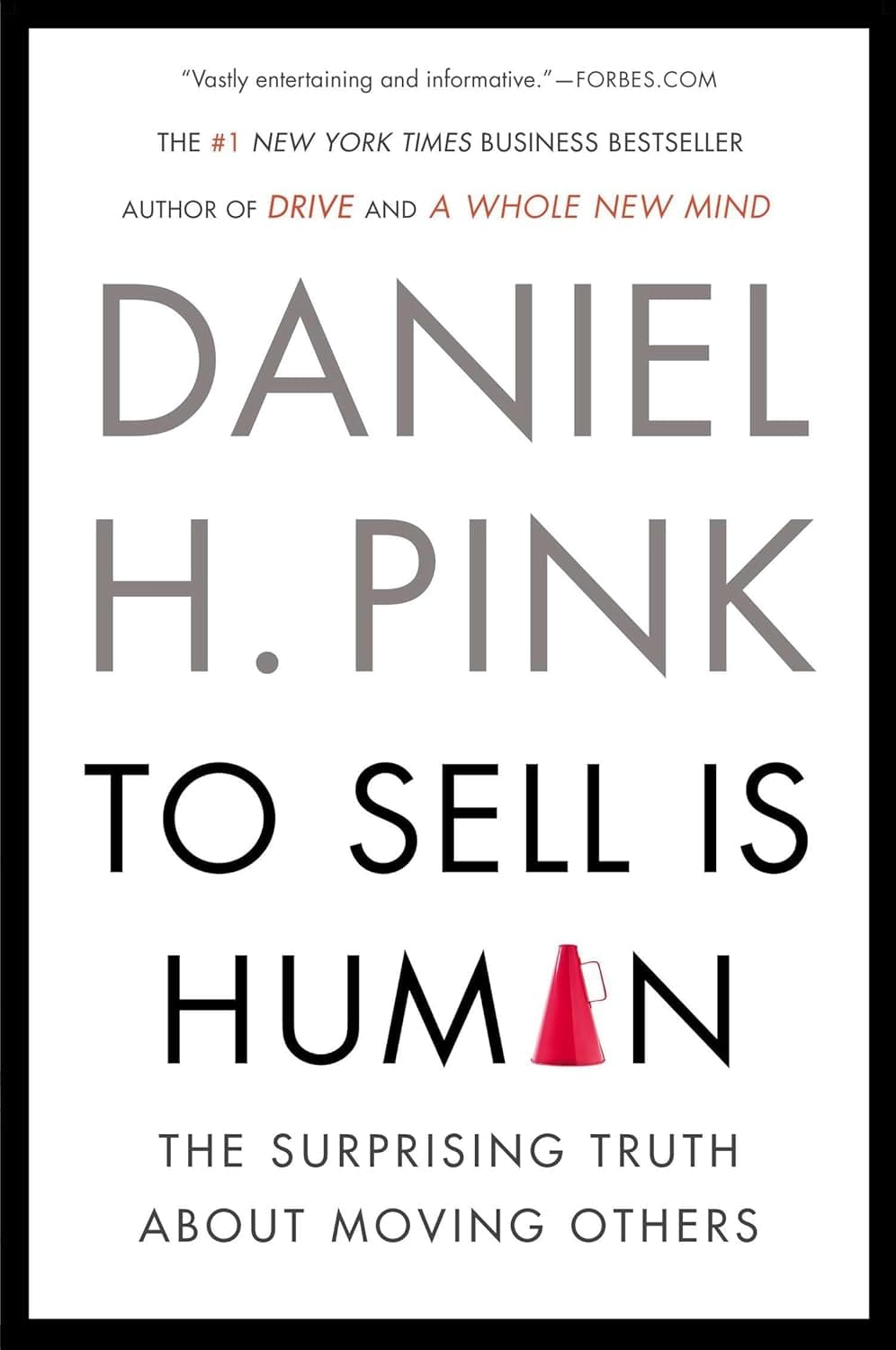
Two recent reads that I have enjoyed immensely and am working to incorporate into my leadership approach are Multipliers by Liz Wiseman and To Sell Is Human by Daniel Pink.

Multipliers reframed how I think about leadership. It emphasizes that the most effective leaders are not those with all the answers but those who create space for others to think, contribute, and grow. That insight has shaped how I build teams, run meetings, and approach problem-solving—always looking for ways to amplify the intelligence around me rather than directing from the top down.

Daniel Pink’s To Sell Is Human complements that idea by exploring how influence and persuasion show up in everyday leadership. Whether I am advocating for a technology investment or aligning stakeholders around a shared vision, the ability to move people with clarity and purpose is critical. Together, these books reinforce the human side of leadership—developing talent, building trust, and inspiring action.

Cindy Klein
Chief Administrative Officer
Affordable Dentures & Implants

What’s one technology decision you’ve made in the last year that will shape your company for the next five?
There have been significant advancements in AI for dentistry, and over the next five years, AI will transform the dental office and patient experience. The decision to focus on finding the right AI solution to support our clinical quality and patient experience programs will transform how we view clinical quality from reactive to proactive. AI-powered tools will enable us to personalize care and build better relationships with patients.

Being thoughtful in the approach to AI is critical to building confidence in the tools and creating a roadmap to a long-term solution that clinicians and patients can trust. By understanding the role of AI in enhancing human ability and making sure we use automation for efficiency, we can place focus on making human interactions more caring and empathetic.

In your view, what role should the CTO play in shaping patient experience?
In building a roadmap that elevates the patient experience, technology leaders are critical thought partners. Collaboration creates a shared vision for a comprehensive end-to-end patient journey that can be supported by automation and integration. The technology leader plays a pivotal role in aligning technology throughout the organization and must understand how technology can improve the patient experience and seamlessly integrate with other technologies and workflows.

A technology leader who understands processes and pain points in workflows and experiences will be better equipped to create technology that works for the patient and the practice. When technology is built and supported from an automation standpoint, the human element can be lost; the partnership between operations, clinical, and technology creates an open dialogue to build a patient experience that allows people, all along the journey, to be caring humans augmented by great technology.

What does your ideal “deep work” day look like, and how often does it happen?
My best deep workday includes a thinking walk. Walking allows me to clear my mind and focus. I shut off distractions and let my mind wander and explore ideas or creative solutions that I may not see when I am in hectic workday mode. The rhythm of walking can help calm my busy brain and bring clarity of thought. Stepping away into a new environment helps me see things from a different perspective.

I am at my best and most creative self when I have a thinking walk daily, which only happens when I make it a priority and put it on my schedule. My focus is on taking a walk to think, not counting steps. I count my thinking walks as a vital leadership skill to continuously keep me balanced.

What’s been the biggest challenge in unifying data across multiple practices or platforms—and how are you addressing it?
While we have a data warehouse that helps us bridge the gap between disparate systems, changes made within those systems can be a challenge. Governance and change control are critical to ensure data is mapped and maintained for consistency across systems.

Limiting security access to make system changes helps support the change control process, but system owners need to attend governance and change control meetings, where the impacts of decisions are discussed, understood, and then communicated. Master data management used consistently across systems and departments is a good foundation and an important part of the governance and change control process.

What is a recent book or podcast that you recommend?
Co-Intelligence: Living and Working with AI by Ethan Mollick is a good book for anyone who wants a basic, not-so-technical understanding of AI. The book offers some sensible advice on interacting with AI. The title says this so well: AI isn’t human, but collaboratively working together. AI can make us better humans. It reminds you to be the human in the loop and keep human control over AI applications.

The book stresses the importance of not losing our critical thinking and problem-solving skills but learning to partner with AI to enhance human potential. The most critical human in the AI loop is the person who reviews, judges, and analyzes the data AI provides. We are all curious, excited, and a bit wary of AI, so it was nice to find a book that offers some advice on being more prepared for the massive changes ahead in a rapidly changing field.

What do you prioritize or make time for that replenishes you?
I love the water—just being near water replenishes my joy well. Knowing my paddleboard is in my car, waiting to hit the water after a long day, keeps a smile on my face. I started cold-water swimming and have learned to love that moment when you have to make the decision to just jump in—and once you get past the initial shock, you are refreshed and exhilarated. When facing a difficult decision or task, I think of that moment when I jump in, and I’m reminded to stop overthinking and take the leap.

Jeff Forbes
Chief Technology Officer
Dentalcorp

In your view, what role should the CTO play in shaping patient experience?
There is a reason some organizations choose to have a C-level IT leader, and that choice comes down to an awareness that technology is at the center of how every business is evolving. In terms of patient experience, we’ve seen a huge transformation over the past few years, whether it be the shiny new AI radiography solutions, patient engagement tools like MaxAssist, digital scanning technology, or AI agents answering phone calls.

The role of the CTO is to be a partner to help vet these solutions out, understand who the pretenders are and only implement the real deal, and use the experience technologists have around systems implementations. This ensures we get the change management right for the clinic so that they’re ready to adopt these solutions properly and provide a frictionless experience to the patient.

What keeps you up at night—cybersecurity, interoperability, or something else entirely?
Anybody who has cybersecurity as a mandate will always be kept up by it, no matter how well prepared. While we’ve done a lot of great work to strengthen the resilience of our network and our clinics, risk is always present. Dentistry is a highly attacked industry and we’re seeing further tailoring of attacks towards our dental clinics like phishing emails masked as patient referrals, and therefore preparing our administrative teams on phishing and usage of MFA have been critical. These are fairly new measures in our industry, but they’re foundational and critical to adopt. I encourage anyone outside of our network to also make these important investments in training and cybersecurity as this is an area where we’re better off as an entire industry when everyone is secure to ensure dentistry isn’t perceived as a soft target.

What’s one piece of non-tech advice that made you a better technology leader?
Leading with empathy and being and having a servant-based leadership philosophy. This generally surprises a lot of people, as the stereotype of a tech executive is that we’re very input and output focused and don’t focus on the human side. Given that technology wears multiple hats (not only implementing new technology but supporting current technology), managing risk and security can lead to teams being overwhelmed and burnt out. Unless you’re equipped to support your team as people, you’re not going to be successful in creating an environment where you can balance all these demands and keep your head above water and your teams engaged.

What’s one technology decision you’ve made in the last year that will shape your company for the next five?
The biggest technology decision in the past year was landing on VideaHealth as our partner for AI radiography. Given this technology has been around dentistry for the past few years, the first part of this critical decision is knowing when the right time was to fully commit. We were intentional in having early pilots across all the major vendors and watching the technology closely, and we felt this was the right time. These solutions have evolved to a place where while they’re not accurate enough to replace a clinician’s judgment, they’re additive to the clinical and patient experience where prior iterations were far too “noisy” with false positives to be effective.

The second part of this critical decision was picking the right partner, balancing clinical feedback with the ability to execute a rollout at scale, along with commercial considerations. We also wanted to bet on a partner we felt would be around for the long haul. As we’re now well into our rollout of VideaHealth’s clinical AI solution, I can see how this will shape our patient experience and standard of care for years to come, and our dentists and teams really like the solution.

How are you leveraging tech to improve clinician productivity without adding complexity to their workflow?
It’s more about the workflow and how a clinic adopts technology rather than the technology itself. If we take VideaHealth’s clinical AI solution for radiography as an example, one of our best doctors who uses it freely admits that when he first implemented the technology, it slowed him down.

What changed after a few weeks was he thought about the workflow—as an example, ensuring his staff already has the application open in the operatory when he comes in. He also changed over time viewing the annotated view before the unannotated view so that he still used his own clinical judgment for the final say but understood where the AI was drawing his attention first to evaluate those findings before doing a final check of everything else in the field of view.

Very few technologies will improve clinician or staff productivity on their own. It’s about how these technologies are implemented and adopted that will ultimately lead to the right outcomes.

How do you prioritize tech investments across clinical, operational, and patient-facing initiatives?
I’m very thankful that given the size of Dentalcorp, if it’s the right investment to make, and if it will drive the right outcome, the capital will be there. This is an advantage we have that may not be true of many smaller DSOs or independent operators.

The other side of that coin is when you do want to invest and implement something, you have more than 570+ clinics to roll out, which requires significant planning and effort. We’re very intentional with our prioritization; we don’t chase shiny objects or the latest features. We look at what is foundational (like PMS consolidation, cybersecurity, and data) and how we can execute on those foundational things across a large network to then act as a springboard for flashier investments that we’ll be able to implement more broadly because the foundation is there to integrate with.

These foundational pieces are sometimes multiyear strategies that require very intentional planning and investment but are absolutely necessary for the long-term success and scalability of our network.

What is a recent book or podcast that you recommend?
I am going to shamelessly plug for our very own Dentalcorp podcast DNTL Talk hosted by our Chief Dental Officer Dr. Gary Glassman. We have two episodes on AI in dentistry I highly recommend, and there is a lot of other great content there too.

Navin Narayanan
Chief Technology Officer
DentalXChange

What’s one technology decision you’ve made in the last year that will shape your company for the next five?
Over the last two years we have built and deployed API infrastructure that enables DSOs and Practice Management Software to create intelligent workflows within their applications. This shifts old-school clearinghouse models that were slow and had no real-time feedback within the workflow for the user. We now leverage this stack to provide intelligence for patient eligibility and payment reconciliation in detail that was never available to dental practices.

How do you balance the need to push forward while aligning legacy systems and workflows?
With over 20 years of experience, DentalXChange has cultivated its knowledge of Practice Management Software and transaction data to develop solutions that help bridge gaps in legacy workflows. This knowledge helped us understand the variances that exist within these systems, enabling us to build an API infrastructure that normalizes these variances. We are now actively working with every Practice Management Software in dental to utilize our API stack to upgrade these workflows.

What keeps you up at night— cybersecurity, interoperability, or something else entirely?
While cybersecurity is number one, the next most important problem is automating treatment planning to payer payment life cycle within the dental office. We have created purpose-built solutions, like Eligibility AI, to provide data that helps dental offices get accurate pricing for patients at the time of service, creating a more efficient RCM life cycle from claims to payments. We are now working on a similar solution to reconcile payments from insurance companies through automation. I am always thinking about ways to innovate and modernize these actions into the user workflow within the Practice Management Software so the front office can focus on patient care.

In your view, what role should the CTO play in shaping user experience?
While UX is typically seen as the domain of design and product, the reality is that technology defines the boundaries of what is possible. I see it as my responsibility to ensure our tech strategy enables exceptional user experiences. That means collaborating closely with design and product early in the process, making intentional trade-offs and advocating for things like real-time responsiveness. It’s not about dictating UI decisions, but about creating the conditions where great UX can thrive—through scalable platforms, clean APIs, fast feedback loops, and a culture that values user empathy.

What’s one piece of non-tech advice that made you a better technology leader?
When approaching a solution to a problem, we always go in with the “How can I solve this problem?” mindset. Early in my career, I was quick to jump in with solutions, especially in technical conversations. “Listen to the room with the approach that every person in the room is smarter than you” and “Listen to what’s not being said”. These two pieces of advice have reshaped the way I work and lead my team.

What does your ideal “deep work” day look like and how often does it happen?
An ideal deep workday starts early, before the noise kicks in. I like to start two to three hours before my first meeting for the day for uninterrupted work. That time is for strategic thinking, architecture design, digging deep into a complex problem that needs clarity. Realistically, deep workdays happen once, maybe twice a week—and only if I guard the time fiercely. It’s not about volume, it’s about protecting quality thinking time, because that’s where the best decisions are made.

What’s one recent tech tool you personally can’t live without?
My reMarkable tablet has become nonnegotiable for me. It’s where I think. I use it for deep notes during meetings, sketching out architectural designs, and clearing my head when I need to step back from the screen. What I love most is that it’s distraction-free, with no notifications, no browser tabs, just focused thoughts.

What is a recent book, or podcast that you recommend? And Why?
On the podcast front, I’d suggest Acquired. They do deep dives into iconic companies and technologies that are rich with business insight and strategic thinking.


Gain ACCESS TO
INSPIRING
stories
Get membership
Leaders

Leading Change

03/06/2025
|
6 min. to read

With a unique background in healthcare and medical technology, Kristin Dietzler takes on her role as president of Patterson Dental with a clear vision and the drive to deliver transformative change. Having recently stepped into her position, her insights and aspirations reflect her unique background.

Kristin has deep Midwestern roots and values. Born and raised in Minnesota, she began her career in the state working as a sales representative for a small medical device firm. She was quickly promoted to regional management, then national account management, and ultimately executive leadership roles. She has held positions such as zone vice president and vice president of sales. Later, Kristin worked for Carestream — not in its dental division but in medical imaging — where she ran operations for the Americas.

Patterson’s mission aligned perfectly with Kristin’s background, offering her the chance to leverage her expertise to address the complexities of dentistry.

As Patterson prides itself on having a multi-segment approach to the dental market, bringing technology and business services to the different customers they serve, from single location to multi-location organizations of all sizes, they are also excited to utilize Kristen’s vast experience leading multi-faceted sales organizations.

Reflecting on her approach to leadership, Kristin says, “The people around me are the most important thing when you’re driving a business. Trust and collaboration with the team are crucial.”

Quote
“Trust and collaboration are the cornerstones of effective leadership”

Her vision for Patterson centers on this principle: fostering collaboration and building meaningful relationships within the team to drive the company forward.

In her first weeks at Patterson, Kristin met with over 30 customers in person and spent time in the field with technicians and sales representatives. This hands-on approach was more than just an introduction — it was her way of uncovering both the challenges and the opportunities directly from the source.

“I’m very inquisitive,” she explains.

“I’m asking questions to understand where there are opportunities for improvement.”

This focus on understanding has already begun shaping her leadership strategy at Patterson.

Kristin’s early interactions revealed a strong desire for change within the industry.

“I’ve been humbled by how much people want to embrace change,” she says.

“They all see there’s a need for it, but nobody quite knows how to get there yet. The greatest part is that everybody wants to participate and provide ideas. It’s so encouraging and energizing.”

Kristin’s experience in healthcare gives her a refreshing perspective on the dental industry’s current state. She is able to see clear
opportunities to help Patterson bridge the gap between dentistry and other industries. She is determined to position Patterson as a leader in driving these advancements.

Kristin envisions Patterson as a driving force in streamlining operations to help private practices and DSOs build, grow, optimize, and sustain their practices. By tackling challenges like hiring and training staff and navigating reimbursement complexities, she believes the company can equip dentists with the resources they need to focus entirely on their patients and deliver the exceptional care possible.

Patterson is proud to partner with teams to offer guidance and support on how to improve productivity and efficiencies with an eye towards improving overall operations. “We want to streamline a lot of back-office components to help teams and DSO’s thrive,” she explains.

Advertisements

While Patterson has traditionally been a distributor, she envisions the company expanding its portfolio to include innovative tools and
services that address broader industry needs. Their role is to deliver trusted expertise and unrivaled support, transcending products and pricing.

Quote
“We are curating a portfolio of innovative products that tell a whole story.”
Kristin Dietzler
President of Patterson Dental

Kristin is determined to elevate Patterson’s offerings with innovations that redefine patient care. One standout example is the Solea All-Tissue Laser by Convergent Dental, a cutting-edge technology designed for anesthesia-, blood-, and pain-free procedures in hard and soft tissue. Solea elevates the patient experience for all ages and also provides practices opportunities to expand into new procedures. By introducing advanced technologies such as this, she aims not just to improve care but to revolutionize how dentists approach their practice, ensuring patients experience better and more effective treatments.

“We want to partner with DSO leaders by showing them solutions to improve their lives, their practices and their patients’ lives — we will provide tools that modernize what they are already doing.”

She also sees potential for Patterson to play a role in addressing some of the dental industry’s most pressing challenges, such as the shortage of hygienists and the need for greater public understanding of oral health’s impact on overall health.

“Even if the percentage of people in the U.S. regularly seeing a dentist rises from 40% to 60%, we still wouldn’t have enough people to meet that demand,” she explains. “How do we get more people involved in this crucial industry to supply necessary care?”

To get there, Kristin believes trust and collaboration are the cornerstones of effective leadership, and it is how she’s building her team. She wants her team to feel empowered to take calculated risks, deliver bold solutions, and encourage innovation to advance the dental industry.

This openness to experimentation has already sparked conversations with manufacturers about new approaches to address shared challenges.

“When you have that type of open conversation with people as a leader, there is no limit,” she remarks.

Kristin is setting an ambitious course for Patterson, driving a new go-to-market strategy that sharpens its competitive edge. She is assembling specialized teams to deliver tailored support for dentists and harnessing the power of data and artificial intelligence to revolutionize decision-making across the organization and in the dental industry.

Kristin’s approach to leadership reflects her drive to inspire others and make a tangible impact. In particular, for women and aspiring leaders, she emphasizes the importance of seizing opportunities without waiting for everything to be perfectly in place. Be ready to try new things and stretch ourselves.

“Years ago, I had a job opening for a VP of marketing, I knew exactly who I wanted for the job,” she recalls.

“But that person didn’t apply because she didn’t think she met every requirement. So, I walked down to her office and said, ‘Why aren’t you applying?’”

“No one gets a job and knows everything about it. That’s not how it works,” she says. “You learn in jobs. Anytime you can do something outside your comfort zone to get exposure and experience, do it.”

Kristin encourages others to take on challenges outside their comfort zones and seek mentorship and growth opportunities.

As Kristin settles into her role at Patterson, her vision and determination are evident. She is on the ground, embracing the opportunities and challenges ahead. Her hands-on approach, forward-thinking vision, and focus on collaboration position her to drive meaningful change at Patterson, for DSOs, and in the dental industry at large.

“At the end of the day, my strongest motivation is to see the people around me succeed. I love a team that sees the vision and knows exactly what we’re doing and why we’re doing it. That’s how you build success.”

Gain ACCESS TO
INSPIRING
stories
Get membership
C-Suite

Authentic Leadership

03/06/2025
|
7 min. to read

How Truth and Trust Drive Organizational Success

By Dr. Greg White
CEO, PepperPointe Partnerships


Speaking the truth is not always easy, yet embracing the truth fully can lead to unexpected and extraordinary adventures. While the outcome may be uncertain, letting go of the need to control outcomes allows for the opportunity to experience life’s greatest adventures in full form.

This principle of embracing truth, letting go of the desire for predictable outcomes, and trusting the process has, in many ways, shaped my approach to business. Whether consciously or not, I have adopted this ethos as a cornerstone of my leadership philosophy: tell the truth, trust in the adventure, and have faith that everything will work out as it should.

For me, this goes beyond mere optimism. It is a belief in the power of transparency and authenticity to guide organizations toward meaningful progress. When applied to leadership, the practice of telling the truth and embracing the unknown can radically transform the trajectory of a company while simultaneously empowering and retaining the right people on the team.

The Foundation of Organizational Culture: The People

Before delving into the transformative power of truth in leadership, let’s first recognize where organizational culture begins — within the people themselves. It is an obvious truth, yet it deserves constant reaffirmation. The individuals who make up a team are the heartbeat of the organization’s culture. They are the architects of its development, the stewards of its maintenance, and the ones who bring the ethos of the company to life daily. They all have one thing in common: they share core values!

No amount of strategy or planning can replace the need for the right people in the right roles. Cultivating a culture that is not only aligned with the company’s purpose but also fosters collaboration, trust, and innovation is a direct result of the individuals who embody those values and principles.

The Continuity of Culture: Shared Purpose

At its core, organizational culture is not defined by what you do, it is defined by who you are as an organization. Understanding this distinction is crucial to building a resilient culture. The question you must ask is not just, “What products or services do we offer?” but also, “What does our organization stand for?” and, “How does what we stand for resonate with our customers?”

This clarity of purpose needs to be communicated clearly and consistently with team members. It is a leader’s responsibility to be transparent about where the company currently stands and where it is headed. Without this clarity, the absence of a clear direction breeds anxiety and confusion among teams. When people do not understand the destination or how to get there, progress stalls.

While your core values and the essence of an organization’s purpose should remain unchanged, the specific goals and strategies adapted to achieve them must evolve. The marketplace, technologies, and societal needs will always shift, and companies risk stagnation by failing to adapt. A testament to a successful leader is one that is flexible, willing to pivot when necessary, and open to refining strategies to continue pushing the organization forward.

Trust: The Bedrock of Momentum

Trust, in my experience, is not something that can be demanded — it is something that must be earned, day by day, through consistency, honesty, transparency, and reliability. It is the foundation upon which all productive and meaningful relationships are built.

When trust is established within a team, it creates an energy that propels everyone toward achieving shared goals. People are more likely to invest time, effort, and passion into something they believe in and trust. This trust fuels momentum, turning ambitious goals into tangible accomplishments. But for trust to flourish, leaders must demonstrate a consistent commitment to doing the right thing — especially in times of uncertainty or difficulty.

Tips for Building Trust

→ Communicate transparently.
→ Act consistently.
→ Do what you say.
→ Foster collaboration and relationships.
→ Acknowledge contributions.
→ Provide timely and constructive feedback.

The Path to Innovation: Structure and Flexibility

Innovation thrives in environments where ideas can be freely shared and explored, but ideas alone are not enough. To transform an idea into a breakthrough product, service, or process, it must be integrated into a well-defined structure that enables its practical implementation.

Advertisements

The true challenge lies in the intersection of creativity and efficiency: structuring innovation so that it is both inspiring and achievable. While the possibilities are endless, it is essential to focus on ideas that are not only compelling but also realistic.
Ideas that inspire action and are within the realm of possibility. This is where a team’s creativity and technical acumen come into play. By establishing a system that can produce, refine, and implement those ideas, leaders build a culture of innovation that has the potential to change the trajectory of the entire organization.

Moreover, maintaining flexibility and clarity are the keys to sustaining innovation. The business world is constantly evolving, and staying
attuned to industry trends, customer feedback, and technological advancements is crucial for adapting and evolving ideas.

A Culture of Accountability and Adaptability

Accountability is a central tenet of a high-performing team. It begins with leaders who hold themselves accountable first, leading by example in every decision, choice, and action. Once leaders demonstrate this commitment, they can foster a culture where team members feel empowered to hold themselves and each other accountable as well. This isn’t about enforcing rules but instead about creating a shared sense of responsibility for success. If done well, leaders manage the process, not people.

Accountability and adaptability are especially critical in industries that are prone to disruption and rapid change. In such environments, sticking to old strategies simply because they were once effective is a recipe for failure. Instead, leaders must be willing to adapt, shift strategies, and reassess goals in response to external changes.

Being flexible doesn’t mean abandoning principles. Sometimes, it means being willing to evolve tactics and find new ways of achieving the same long-term vision. In fact, innovation often stems from the willingness to take risks, experiment with new ideas, and continuously adapt.

Building a Strong Team: The BHAGs

At the heart of any thriving organization is a team that is united by a bold, shared vision. This vision, often articulated through Big Hairy Audacious Goals (BHAGs), provides a compelling sense of direction and purpose. These goals should be ambitious, challenging, and inspiring — just enough to motivate a team to push boundaries and dream big.

When building a team, look for individuals who are not only seeking a paycheck but also deeply invested in the company’s mission and vision. Seek out individuals who are passionate about making a tangible difference, who believe in the core values that guide the organization, and who are committed to the shared journey toward achieving BHAGs.

Building a team like this requires cultivating an environment where each individual feels valued, supported, and empowered to contribute their best work. Whether through pilot programs, ongoing professional development, or fostering a spirit of collaboration, leaders must ensure that they are investing in the growth and well-being of their team, which will further their attachment to not only the company, but its mission.

Conclusion: Lead Through Truth and Trust

To lead effectively, leaders must embrace the truth — both the successes and the failures — and trust that it will guide teams through the unknown. Leadership is not about controlling the outcome but empowering the team to navigate the journey together. By building a culture of trust, accountability, and innovation, and by maintaining a deep commitment to an organization’s core values and purpose, leaders can set companies on a path toward sustainable growth and success.

In the end, when you lead with authenticity and a shared sense of purpose, teams will not only follow, but you will also inspire them to embark on the greatest adventure of their careers. And together, there is no limit to what can be achieved.

Dr. Greg White

Dr. Greg White serves as the president and CEO of PepperPointe Partnerships, and is one of the founding partners of White, Greer and Maggard Orthodontics (WGM).  WGM formed in 1991, and is currently par of one of the largest, privately-owned pediatric and orthodontic group practices in the country.  Prior to leading PepperPointe’s significant growth, he actively practiced orthodontics for more than 25 years.

Gain ACCESS TO
INSPIRING
stories
Get membership
C-Suite

Embracing the Evolution

03/06/2025
|
12 min. to read

Critical Traits of Today’s Chief Marketing Officers for Tomorrow’s DSOs


Chief Marketing Officers (CMOs) are the driving force behind a company’s brand, strategy, and customer engagement. As the role continues to expand and adapt to digital demands, certain traits have become indispensable for today’s CMOs.

Empathy
Understanding and connecting with customers on a deeper level goes beyond demographic data – it requires a genuine sense of their needs, desires, and pain points. In any relationship, empathy builds trust and loyalty. By fostering empathy within their teams, CMOs can cultivate a culture of people-centered business. Ultimately, an empathetic CMO can anticipate and address customer concerns sincerely, crafting campaigns and drafting messaging that resonate authentically. As CMOs often serve as the bridge between a company and its customers, empathy is a necessity.

Data-Driven Decision Making
In the era of big data, successful CMOs can utilize the vast amounts of information available to make highly informed decisions. By analyzing customer insights, market trends, and campaign performance metrics, they fine-tune strategies for maximum impact. Data-driven decision-making enables CMOs to allocate resources effectively, optimize marketing ROI, and customize experiences that better resonate with target audiences.

Digital Savvy
CMOs today must be proficient in digital marketing, digital analytics, and emerging technologies such as generative AI and machine learning. A strong understanding of social media, content marketing, and SEO is essential, as well as the digital tools that power these strategies. Strategic CMOs leverage their digital expertise to identify growth opportunities, anticipate market trends, and effectively allocate resources to achieve long-term objectives. It can also empower CMOs to assess competitive threats and market dynamics, allowing them to position the brand for success in a rapidly changing dental landscape.

Creative Vision
To differentiate one’s brands and engage audiences in a crowded marketplace, having a vision and being creative are both musts. On a daily basis, a creative vision guides CMOs in conceptualizing bold ideas, refining messaging, and visualizing the brand’s identity across various touchpoints. It also helps to ensure that every piece of content and every interaction, aligns with the brand’s core values while speaking directly to the consumer’s needs and desires. It’s about pushing boundaries and experimenting. Often, the best breakthrough ideas emerge when teams are not confined but are given the creative freedom to explore and experiment. By maintaining a strong creative vision, CMOs can inspire their teams to think outside the box, iterate and innovate, and create brand experiences that capture attention but also build lasting relationships with consumers.

Growth Mindset
A growth mindset is absolutely critical for modern CMOs. It’s how leaders are able to view challenges as opportunities for learning and development rather than setbacks. By fostering a culture of continuous experimentation and improvement, CMOs can also drive innovation within their teams.

Leadership
Exceptional CMOs are not just leaders within their marketing departments but are also influential across the entire organization. They know how to inspire their teams, creating an environment where creativity and strategic thinking can thrive. The best CMOs know how to collaborate seamlessly with other departments such as sales, product, customer service, and engineering. They understand that successful marketing is a cross-functional effort, and they work tirelessly to align goals, share insights, and drive a unified strategy across the organization. By inspiring and engaging these various teams, CMO leadership helps to ensure that the company’s vision is consistently executed and that all departments work together to achieve common objectives.

If the best CMOs embody change as a catalyst for opportunity for excellent innovation, bold creativity, and direct results, how do they translate these critical traits into real-world success? To gain deeper insights, we turn to three industry leaders who exemplify what it means to be a forward-thinking CMO. Mehmet Dogan of Planet DDS, Ash ElDifrawi of The Aspen Group, and Diane Vaccaro of 42 North Dental share their perspectives on the challenges and opportunities facing today’s marketing leaders and how they are preparing their organizations for the future.

Meet Ash ElDifrawi
Chief Commercial and Brand Officer, The Aspen Group

Officer at The Aspen Group (TAG), with over 25 years of experience in driving growth across industries. At TAG, Ash led the development of a digital platform supporting 2,000 locations with advanced analytics/CRM and content and rebuilt the marketing, product, and UX functions. A licensed Clinical Psychologist, Ash holds a Ph.D. in Clinical Psychology from the Chicago School of Psychology and has published The Ten Worlds: The New Psychology of Happiness. He also co-hosts the podcast Hold Me Back with his son.


As the head of marketing, what do you view as your priority?
“The number one priority for me is to get the winning team on the field. In other words, to assemble a high-performance modern marketing organization. Like any sports franchise, it’s much harder than people think. Winning teams today look very different than 5 or 10 years ago, and CMOs are still figuring that out. I’m finding that more and more, marketing is becoming less of a ‘functional’ aspect of the business and more of the business driver. It’s becoming the engine of the business, which means the talent I find and hire goes beyond the traditional functional elements of marketing.

Advertisements

Marketing is about growth, and growth is harder than it’s ever been. It’s about the customer experience, which is changing faster than it ever has. It’s about technology enabling every aspect of what we do. It’s about forgetting all the things you learned about best practices in brand marketing and realizing there are no more rules on how to build brands or win customers. Just like in sports, winning teams require the combination of world-class athletes and industry-leading specialists.” – Ash ElDifrawi

What has been the biggest shift in marketing in the last three years (since COVID)?
“More than ever, consumers truly own our brands. The power has shifted fully to consumers in terms of their ability to influence the success and failure of brands. We’ve always known that social media is relevant and all that comes with it, but now more than ever, due to the way the media landscape has evolved, consumers have significantly more power thanks to the proliferation of these platforms. As a result, we must be highly focused on things like reviews and being part of conversations happening on social media. A close second, which is related, is the nearly infinite places that you can engage consumers. Not long ago, a marketer could capture 75% of the market in 3-4 channels. Today, finding a channel that grabs just 10% of the market is almost impossible. This massive explosion of content on various platforms and the way consumers engage with them is forcing marketers to try to figure out how to stay relevant or how to diversify their media mix in a way that captures a significant part of the audience. It’s become quite a challenge. Lastly, I’d be remiss not to mention AI. The challenge here is not about marketers spending disproportionate time trying to fully understand all AI can do, but rather it’s about understanding how their key partners and platforms are using it or being influenced by it.” -Ash ElDifrawi.

Quote
Marketers can’t just be thinking about how they want to use Gen AI to optimize and become more efficient, but they also should be asking how AI is changing the way key platforms are producing winners and losers on their platforms.
– by Ash ElDifrawi
Meet Diane Vaccaro
Chief Marketing Office, 42 North

Diane Vaccaro is the Chief Marketing Officer at 42 North Dental, where she leads efforts to differentiate the organization with a focus on quality patient care. With a background in marketing for top designers like Liz Claiborne and Calvin Klein, she also led Kmart Apparel marketing for several years. Diane was previously the CMO at MyEyeDr., where she helped triple the company’s size. A former instructor at Baruch College, she taught marketing and consumer behavior. Once AI makes her job obsolete, Diane looks forward to retiring to the beach with her books, crafts, and dogs.

Quote
Curiosity. Linking problems to solutions with a sense for simplicity. An ability to distill a message to the core. Storytelling and an appreciation for the basic tenets of messaging.
– by Diane Vaccaro

How do you identify and evaluate new tech and trends to integrate into your strategies?
“I find myself on Reddit boards a lot. I read articles. I rarely respond to vendor outreach. I understand the limitations of the organization and team, and, even more importantly, the sequencing of new initiatives. I try to keep in mind the novelty isn’t the thing. What problem am I trying to solve, and where is it in terms of contribution to the organization?” -Diane Vaccaro

In your opinion, what skills will be most crucial for marketing professionals to thrive in the future landscape?
“Curiosity. Linking problems to solutions with a sense for simplicity. An ability to distill a message to the core. Storytelling and an appreciation for the basic tenets of messaging.” – Diane Vaccaro

What is the key to effectively leading marketing?
“A handful of items…
1. Patient centricity: making sure that the voice of the patient has a seat at the table when we are making decisions as an organization.
2. Deep understanding of your audience.
3. Identifying and discerning priorities to gauge ROI and resource planning.
4. Rely on subject matter experts (you can’t be an expert in everything!).
5. Remain purpose-driven.” -Diane Vaccaro

How do you ensure your team stays equipped and skilled to stay competitive?
“We attend the Hubspot conference (locally run). I think of it as CE for marketers. We get multiple folks involved in vendor pitches, as it always resonates differently among team members. We also carve out time for thinking and research. -Diane Vaccaro

Meet Mehmet Dogan
Vice President, Marketing at Planet DDS

Mehmet Dogan is the Vice President of Marketing at Planet DDS, with 25 years of experience across the US, Canada, and UAE. He has worked with brands like Overjet, Jarvis Analytics, and twofour54, contributing to projects such as The Dental Economist Show and campaigns like Star Wars: The Force Awakens amd Sesame Street Middle East. At Planet DDS, Mehmet leads a team driving marketing efforts for DentalOS, helping dental support organizations enhance efficiency and growth. An author of three books, Mehmet also runs an award-winning marketing blog, Alti Ustu Tasarim. He lives in Halifax, Nova Scotia, with his family.


What is the key to effectively leading marketing?
“The key to effective marketing leadership is to challenge the status quo. Of course,fostering collaboration, consistency, and building a strong team is important – but these are table stakes and baseline expectations for a leader. Real leadership in marketing is about pushing boundaries, encouraging new ideas, and not being afraid to disrupt the market. It’s about creating an environment where failure is seen as a stepping-stone to innovation.” -Mehmet Dogan

Are there any innovations or practices you’re seeing marketers do in other industries that you think could be transformative for dentistry?
“The famous marketing saying ‘50% of marketing is waste, but you don’t know which 50%’ is still painfully true in dentistry. While other industries have advanced in tracking and optimizing their marketing spend based on insight and data, dental marketing often remains in the dark. Many dental groups can’t even trace a click-to-chair patient journey with a high confidence rate. There are sophisticated tools (like Legwork) available that can track marketing spend by channel and its impact on production, yet they remain Underutilized. Personalized marketing at scale is another practice that could be transformative. By leveraging advanced data analytics, patient data/insights (demographic, family, insurance, treatment plan), and AI, dental marketers can create highly tailored campaigns and experiences for their patients. This approach, common in retail and tech, can lead to significantly improved patient engagement and outcomes in dentistry, which is the ultimate goal. Brand work is also crucial. In a sea of similar dental practices, what makes yours stand out is the question dental marketers must ask themselves. Tend, MiNT Dentistry, and DECA Dental are prime examples of groups that have successfully differentiated themselves through great branding and fantastic customer experience. Adopting these tactics and strategies might not revolutionize dental marketing, but it will undoubtedly enhance its effectiveness and return.”-Mehmet Dogan

Quote
Brand work is also crucial. In a sea of similar dental practices, what makes yours stand out is the question dental marketers must ask themselves.
– by Mehmet Dogan

In your opinion, what skills will be most crucial for marketing professionals to thrive in the future landscape?
Ruthless consistency is paramount for future marketers. This doesn’t get enough credit, but sticking to your strategy and executing it flawlessly, day in and day out, truly makes a difference. I do like creative marketers who try new things every day/week, but I LOVE ruthlessly consistent ones (as the famous Bruce Lee saying goes, “I fear not the man who has practiced 10,000 kicks once, but I fear the man who has practiced one kick 10,000 times”). Following that is curiosity, the drive to continuously learn and innovate. – Mehmet Dogan

Gain ACCESS TO
INSPIRING
stories
Get membership
C-Suite

3 Questions Every CEO Should Be Asking

03/06/2025
|
13 min. to read

Safeguarding the Modern DSO from Ongoing Cyber Threats

The dental industry is currently at a unique inflection point. There is increased demand for data, increased cybercrime, and ongoing privacy concerns, which together challenge practices — and their brands — like never before. The transition to digital has improved the ability to collect and process data and empowers dental practices to provide a better experience for their patients, employees, and partners. However, it has also created new vulnerabilities that can significantly impact EBITDA and the “brand trust” they work so hard to create.

Data has never been more important. The role of data — its quality and security — is instrumental to fueling technology, running operations, automating processes, enhancing experience, and improving decision-making. Data is, indeed, the linchpin for innovation in the industry.

Unfortunately, this data is of value to both your organization and to outside threats. Healthcare organizations store immense patient data, making them attractive targets for cybercriminals. Cyberattacks, data breaches, and ransomware represent real threats to your data and business. Ransomware attacks alone have tripled (246%) in volume over the past five years and top the list of biggest perceived security threats. Needless to say a breach can lead to severe financial and reputational damage to a DSO, regardless of size.

Gary Salman, CEO of Black Talon Security, emphasizes the importance of cybersecurity for DSOs. “Protecting your investments and critical patient data is paramount. Cybersecurity is not just about safeguarding sensitive information but also about preserving the trust and integrity that are fundamental to patient care. A robust cybersecurity strategy ensures that DSOs can operate securely and confidently in a landscape where data breaches and cyber threats are increasingly prevalent.”

The often uncomfortable conversations about cybersecurity can no longer be ignored. It is no longer just about meeting compliance, but it is about safeguarding the lifeblood of your organization and demands attention and engagement from the highest levels of corporate leadership. When it comes to cybersecurity, there are three big questions every C-Level leader should feel comfortable answering. Leaders, it is time to get informed of the risks and equip yourselves with the right questions and tactics to disarm cyber threats.

Quote
Effective cybersecurity is required for all businesses in the healthcare space. As a holding company, we need to be great partners and find and recommend great strategies for the 100+ small businesses who we are partnered with. The tools that my third-party security provider has deployed on our systems give me much greater visibility than I had before. I can actually track and keep a tally of attacks that were launched against some of our businesses. If even one of those attacks were successful, it would have cost our organization more money than we will ever spend on preventative security. That fact alone makes it easier for me to justify what I ask for when submitting my IT/security budget. I can emphatically state that I sleep better at night after partnering with a third-party cybersecurity provider.
– by Andy Taylor, Senior Director of IT for Dentive
1

What’s at risk if I don’t invest in cybersecurity?

Your patient’s financial and medical data is at risk.
Patient records, including personal and medical information, are among healthcare organizations’ most valuable assets. Healthcare data is attractive to cyber criminals because it contains financial and personal data, can be used for blackmail, is ideal for fraudulent billing, and is regulated by HIPPA law.

Your brand reputation is at risk.
Building a positive brand image is a gradual task that takes years. Within days, a cybersecurity breach can undo brand perception, severely damage an organization’s reputation, and erode patient trust. While security starts with internal commitments and discipline, to the outside world, security plays a significant role in achieving customer satisfaction — infusing trust into each interaction with your brand.

You risk regulatory fines and legal action.
With the increasing number of data privacy regulations, compliance has become a significant concern for all healthcare leaders. Implementing a strong cybersecurity strategy is not only a best practice but also a legal necessity to avoid the possibility of hefty fines and legal repercussions.

You risk significant financial loss.
Cyberattacks can have devastating financial consequences. The impact ranges from large ransom payments and business disruption to costs for remediation, legal fees, possible regulatory fines, and potential class action lawsuits. Revenue cycle is impacted often creating difficulty making payroll and paying expenses. A 2020 estimate from IBM placed the average monetary cost of a data breach in a company with fewer than 500 employees at $2.64 million.

CASE STUDY

A hard-hitting example of what’s at risk:

In mid-October 2023, a multi-specialty DSO with 15 locations running a Cloud-based EMR system was the victim of a significant ransomware attack.

The first indications of the event were ransom notes and encrypted files on almost all of their 400+ computers, which employees discovered upon arriving at their desks. Internal IT was immediately contacted, and the ransom notes and encrypted files were quickly confirmed as real. The hackers accessed their data and downloaded patient records via workstations within the DSO. The hackers also installed screen-sharing applications on the computers, providing them persistent access to the network.

After a week, a difficult recovery process began. Since each machine was impacted, all workstations and servers needed to be rebuilt from scratch. The rebuilding process took two weeks due to the size of the organization.

The ransom demand was more than $2,000,000, and the hackers provided a detailed list of all the patient records and files they stole. The DSO chose to negotiate and pay the ransom in order to get the decryption code to unlock their data. This also mitigated the chances of the hackers publishing and selling the stolen patient and operational data. The hackers agreed to accept $1,400,000, utilizing Bitcoin (BTC).

After four weeks, the DSO had exhausted its $3,000,000 cyber insurance policy. It was paying out of pocket an average of $250,000 per day for mitigation and recovery while generating $0 in revenue due to closed offices. This DSO experienced a total loss of over $5,000,000 from
operational outages due to the inability to see and treat patients, collect accounts receivable, office closures, legal fees, restoration expenses, and the ransom payment.

The IT department was not necessarily negligent; they were simply unaware of the sophistication of modern-day ransomware attacks and missed critical components of a robust security stack. A comprehensive offensive and defensive security stack could have prevented the intrusion and exploitation of the network.

This real-life example is not an outlier. Unfortunately, it is all too typical. Operational shutdown is a likely and immediate consequence for DSOs with more than five locations — lasting 7-10 business days. Generally, every workstation and server are impacted and requires a replacement or rebuild. Also, nearly all healthcare breaches involve patient data theft which requires forensic investigation. Painfully, no data can be moved or accessed until the investigation concludes. Engaging a cybersecurity firm for threat negotiations and forensic investigation is crucial and expensive. Ransoms for large dental organizations start at around $1 million.

Beyond the immediate aftermath, recovery is lengthy and expensive. DSOs can potentially be required to notify patients of the breach, offer ID monitoring, be subject to compliance fines, and possibly class-action lawsuits due to data theft and exposure. Often, the reputational harm of the events presents PR nightmares and the possibility of patient attrition when not handled properly.

2

Are we equipped to handle a cyberattack?

As a C-suite executive, you may not be a cybersecurity expert but it’s crucial for you to understand your organization’s cybersecurity
posture and potential vulnerabilities. To ensure that your organization is adequately protected, begin by asking your IT resources the following questions:

  1. Where is our organization most vulnerable to cyberattacks?
  2. When was our last vulnerability scan and what action was taken with these results?
  3. Do we have continuous, 24/7/365 monitoring of our network and data?
  4. Do we have a complete inventory of our data locations and the assurance that it is protected everywhere?
  5. What is the status of our cybersecurity awareness training at all levels of the organization?
  6. When was our last third-party security risk assessment conducted?
  7. Do we have a comprehensive response plan and protocol for handling a cyber intrusion?
  8. When was our last penetration test performed?
  9. Do we have a data map showing where all our data is stored?
  10. Do we have KPIs and Business Intelligence showing us trends in our security risk?

The answers to these questions will provide valuable insights into your organization’s security posture and help to highlight areas that may require immediate attention.

Quote
After our IT provider fell victim to a ransomware attack across all of our dental locations in Maryland, we turned to Black Talon on our insurance company’s recommendation. Their team was not only able to negotiate the ransom down by 25% but also managed the entire decryption process swiftly and effectively. Throughout the ordeal, they communicated clearly and patiently, guiding us through each step in a way that was easy to understand, even for someone not versed in IT. Their professionalism and support were invaluable during what was undoubtedly the biggest crisis of my 20-year career. I highly recommend Black Talon for their expertise, prompt response, and unwavering dedication.
– by Dr. T
3

What is our approach to preventing security threats?

Consult with experts and take a proactive, data-driven approach to prepare for the unexpected. An excellent place to start is a conversation with your IT resources and cybersecurity provider to assess gaps, prioritize focus areas, and implement changes accordingly. Meanwhile, there are also several proactive steps to consider. Start on these sooner rather than later.

Advertisements

It’s essential to distinguish the difference between IT resources and dedicated cybersecurity firms. IT companies concentrate on managing and maintaining your overall infrastructure, which includes tasks like managing firewalls, traditional antivirus protection, maintaining hardware, software updates, and backups. In contrast, cybersecurity companies go beyond traditional IT measures and specialize in safeguarding your data against threats and breaches. They employ highly credentialed security engineers who utilize advanced security measures such as intrusion detection, encryption, and conduct regular security audits, penetration testing, and vulnerability assessments to ensure comprehensive protection.

Empower employees
Foster a security-conscious culture within the organization where every employee understands their role in protecting its information assets. Educate them on the latest cybersecurity threats and train them to thwart cyber risks, social engineering, and other common threats. Conduct regular simulated security and phishing tests to reinforce this training measure performance.

Conduct vulnerability scans
Exploiting technical vulnerabilities is the second most common way hackers successfully target healthcare organizations. Vulnerability scans are a way to be aware of your wide-open “doors and windows” on your network before a hacker finds them. Using continuous vulnerability scanning tools helps identify weaknesses before hackers can exploit them. Vulnerability scans should be performed daily against your entire IT infrastructure, including all workstations, servers, and firewalls.

Implement advanced XDR and MDR anti-virus technology
Traditional anti-virus (AV) software has been a great tool for the past 30 years to defend organizations; however, it is not designed to protect DSOs from modern-day cyberattacks. Criminal groups that target healthcare organizations are well-funded, sophisticated, tech-savvy gangs of cyber criminals. They own most of the AV programs on the market and know how to re-engineer their malicious code to become invisible to traditional AV.

Upgrading your defense to Extended Detection and Response (XDR), or Managed Detection and Response (MDR) can significantly increase your chances of fending off an attack. XDR and MDR uses advanced analytics, machine learning algorithms and threat intelligence feeds to detect and prioritize security threats, isolate endpoints and notify who is responsible for network monitoring. An effective MDR solution should include 24/7 monitoring by a human security professional.

Conduct security risk assessments (SRAs)
Engage with a third-party expert to perform a SRA against your DSO. This assessment should involve a thorough analysis of your organization’s security posture, including identifying threats, vulnerabilities, operational risks, and lack of controls and SOPs. The third-party will provide you with a risk register, how to prioritize risks based on their potential impact, and recommend appropriate mitigation strategies and controls to address the identified risks. Commit to annual assessments and consider increasing their frequency after major changes such as mergers, technology integrations, and changes in the threat landscape. It’s especially crucial during the due diligence process to complete a comprehensive SRA before proceeding with an acquisition, as you don’t want to inherit any security breaches (or “buy a breach”).

Develop an incident response plan
The time to plan for a cyber incident is not in the middle of the crisis. It is critical to have a plan in place before an incident occurs. Develop a detailed incident response plan highlighting the steps for detecting, responding to, and recovering from different types of cyberattacks. Ensure that everyone in your organization is aware of their roles and responsibilities during a security incident.

Commit to implementing and validating
Once you’ve committed to implementing these top strategies, develop a way to track and verify that the money you are spending for protection is being used effectively. Modern security professionals are looking at ways of reducing redundant toolsets, increasing visibility into their blind spots and monitoring from a “single pane of glass.”

Develop security metrics
Security metrics allow you to base decisions on actionable data. Executive teams often make cyber decisions based upon “feelings” instead of developing a way to quantify risks and impacts. Cyber resilient DSOs monitor and track:

  • Real-time security metrics through actionable dashboards that ingest data from all your computers, servers, firewalls, anti-virus, and people. This provides organizations with a clear picture of where you have security risks so you can either accept or remediate them.
  • Current and historical data so leadership can ensure their IT and cybersecurity investments produce results.
  • A cybersecurity risk score based on vulnerabilities from computers and firewalls, threats stopped, cybersecurity training, simulated phishing, open ports on firewalls, and more. This risk score helps non-technical leaders grasp the overall risk and helps them align budgets to address it or ask more follow-up questions.

Today’s prevention secures tomorrow’s future
As stewards of the organization, executives set the tone for their organization to follow. Incorporate cybersecurity and risk management into your strategic planning. The outlook may seem bleak, but attacks are preventable. Implementing robust preventative measures will significantly reduce your risk. In these changing times, reevaluate your cybersecurity strategy to safeguard your revenue cycle, EBITDA, and growth plans against the consequences of inaction or outdated security practices.

This article is sponsored by Black Talon Security, the recognized cybersecurity leader in the dental/DSO industry. With deep roots within the dental and dental specialty segments, Black Talon understands the unique needs that DSOs and dental groups have when it comes to securing patient and other sensitive data from hackers. Black Talon’s mission is to protect all businesses from the devastating effects caused by cyberattacks—and that begins with a robust cyber risk mitigation strategy.

To evaluate your group’s current security posture visit www.blacktalonsecurity.com.

Gain ACCESS TO
INSPIRING
stories
Get membership
Leaders

The Next Big Thing

03/06/2025
|
15 min. to read

Insights from CEOs on How to Stay Ahead

Staying ahead of the curve is essential for unlocking growth and seizing new opportunities in the dental industry. The LEAD sat down with six visionary CEOs who are shaping their organizations and the future of dentistry. We explore what’s next from their unique perspectives, learn how they remain at the forefront of change, and gain practical tips that can be applied right away.

Dr. Sulman Ahmed of DECA Dental Group, Pete Bridgman of Affordable Care, Sarah Chavarria of Delta Dental Insurance Company, Bob Fontana of The Aspen Group, Chris King of Henry Schein One, and Dr. Saam Zarrabi of Rodeo Dental share their strategies for leveraging AI, integrating innovative technologies, and fostering a culture of continuous learning that drives growth and improves patient outcomes.

Read on to learn from these leading CEOs.

Meet Bob Fontana
The Aspen Group

Bob Fontana is the founder and CEO of Aspen Dental and Chairman of TAG – The Aspen Group, which supports over 1,450 health and wellness offices across dental care, urgent care, medical aesthetics, and veterinary medicine. Since founding Aspen Dental in 1998, Bob has been a pioneer in creating a patient-centered operating model that improves access, choice, and value in healthcare. His leadership has made TAG one of the largest and fastest-growing healthcare support organizations in the United States. Bob is a founding member of the Association of Dental Support Organizations and has over 25 years of healthcare leadership experience. Bob currently serves on the boards of both SimonMed and Hopscotch Primary Care, and previously served on the boards of the National Veterinary Association and MedExpress Urgent Care.

How are you integrating new technology into your operations?
“We’re always trying to find ways to leverage technology to better support offices and doctors, and it really does come down to our ability to use data, information, and insights to make things better for patients and providers. We’re constantly asking ourselves how we can use that data to make the in-office experience better, from developing a smarter approach to scheduling that enables those patients with the greatest need to be seen soonest to creating the right digital workflows to make the experience in the practice as efficient as possible for the providers and teams we support. Post-visit, we’re continuing to get better and better at personalizing the communication to patients to ensure that they are receiving the right message in the right channel at the right time as they go through the dental care journey, from the initial procedure through the healing process and all the way through treatment completion. We’ve made big investments in digital technology over the past few years, and by using data from across our network of nearly 1,500 offices across the entire TAG enterprise, we can make smart decisions that no one else can, giving us a unique edge in providing exceptional support to our teams.”

In your opinion, what skills will be most crucial for your employees in the next 2-5 years?
“The first thing is patient centricity and truly putting the patient at the heart of everything we do. It’s about more than just good clinical outcomes—it’s also understanding patient needs, preferences, and concerns and making sure our decisions reflect that understanding. Whether it’s how we communicate, the services we offer, or the way we design our processes, being truly patient-focused will set us apart and build stronger, more trusting relationships with those we serve. To do that, we need to have a culture of continuous learning, where everyone from the dentist to the lab technician wants to grow, develop, and flex their skills. And while it’s not a ‘traditional’ skill, I think we also need to keep that founder’s mentality front and center. Things like having an owner’s mindset and being obsessed with what’s happening on the frontlines never go out of style. These traits, combined with the new skills we’re focusing on, will set us all up for success as we move forward together.”

What is the biggest blind spot in dentistry right now?
“I think that one of the biggest blind spots in dentistry is the M&A model. A lot of companies came in as consolidators for a quick financial win. But they weren’t true operators, and so now that the financial environment has changed, they’re under a ton of pressure because you can’t sustain those strong results without a clear understanding of why you exist or how you’re creating value. It’s not enough to bring together these disparate practices — you need that strong, shared foundation and a mission that drives the business forward. So, as the industry evolves, it’s going to be interesting to see where all of that shakes out. And I think another issue is the rising cost of education for new dentists. It’s becoming almost untenable, and it’s really impacting the choices graduates have. Dentists are coming out of school with so much debt that they have to make hard decisions just to service that debt and still earn a good income. The cost of a good education can’t keep outpacing the ability to provide care forever. We need to address this before it becomes a bigger problem that affects access to care and the future of the profession.”

What’s a book, article, or podcast that has recently influenced your thinking about innovation and leadership?

The Founder’s Mentality
Recommended by Bob Fontana
Meet Sarah Chavarria
Delta Dental Insurance Company

Sarah Chavarria is the Chief Executive Officer and President of Delta Dental Insurance Company, serving over 31 million customers across 15 states, Washington, D.C., Puerto Rico, and other U.S. territories. Appointed CEO in early 2024, Sarah is leading Delta Dental’s transformation from a dental insurance provider to a leader in oral healthcare. Her strategic focus includes addressing the senior oral health crisis, strengthening partnerships with providers, and driving innovation across the company. Sarah has received numerous accolades, including being named among the 100 Most Influential Women in Business by the San Francisco Business Times and Women Worth Watching in Leadership by Profiles in Diversity Journal.

Talk about the future… what’s around the corner?
“Our leadership team’s priority is to strengthen and future-proof our foundational technology and create efficiencies to enhance the patient-provider experience. For example, a responsible approach to AI can significantly improve experiences for both patients and providers by enhancing diagnostic accuracy while offloading excessive administrative burdens on physicians. This allows providers
more time to focus on patient care.”

What practical tips do you have on fostering innovation and adaptability?
“There is healthy disruption happening in our industry around how we think about healthcare access and patient wellness. Innovation begins with a strong company culture. Traditional legacy companies like Delta Dental have an imminent opportunity to expand upon what they’ve already done successfully for a long time. Our ongoing transformation requires a clear vision and alignment across leadership to create a strong roadmap for the future and ensure that we not only bring our employees along but invest in them and get them excited about the future.”

What excites you the most when you think about the next three years?
“I’m excited for what’s ahead for our organization because we’re well on our way to transforming into a modern healthcare company. With a focus on innovation, we are leveraging technology and partnerships to create a solid foundation that expands access to quality oral healthcare for all. An estimated 27 million patients see their dentist twice a year but forgo visiting other primary care physicians.
One of our primary goals is to reframe those two dental appointments as preventative health care touchpoints that could point to other systemic health issues, like cardiovascular disease or diabetes.”

Meet Dr. Sulman Ahmed
DECA Dental Group

Dr. Sulman Ahmed is the Founder, Chairman, and CEO of DECA Dental Group, the parent company of Ideal Dental. Since opening his first office in 2008, Dr. Ahmed has grown DECA to nearly 200 locations across nine states, serving 3,000 patients daily. Known for his patient-centered approach, he has led DECA to become one of the industry’s fastest-growing and most respected organizations, earning numerous accolades. He earned his Doctor of Dental Medicine degree from the Tufts University School of Dental Medicine, where he now serves as the Chair of the Board of Advisors as of 2024. He also serves as President of the Association of Dental Support Organizations (ADSO), the premier association for businesses in the dental industry.

As a CEO, what’s your priority?
“As a clinician-founded and led organization, we are uniquely positioned to understand and meet the intricate needs of our patients, bridging the gap between clinical excellence and compassionate service. My focus is on fostering a culture that shapes both our strategy and our commitment to innovation, empathy, and professional growth. This empowers our team members to thrive and drives our continued expansion. By aligning our culture and strategy, we ensure we maintain the high standards that distinguish us while scaling our impact across a growing network of offices.”

Advertisements

In your opinion, what skills will be most crucial for your employees in the next 2-5 years?
“In the next few years, the most crucial skills for our employees will be the ability to connect with patients on a personal level while becoming proficient with advancements in technology like artificial intelligence (AI). As we integrate AI and other technologies into our practice, our team members must understand how to use them effectively. Equally important are empathy and strong communication skills, enabling our staff to educate patients about the broader implications of their dental health and its impact on overall wellness. This combination of compassion, expertise, and technological proficiency will set us apart as a leader in the industry.”

What excites you the most when you think about the next three years?
“I believe that practices from the retail industry, particularly around customer experience, could be transformative for dentistry. At DECA, our foundation is built upon retail healthcare models, drawing inspiration from giants like CVS and Starbucks. Much like CVS has become a trusted, comprehensive destination for health essentials in convenient, retail-centric locations, we aim to offer a similar experience in dentistry—providing convenience, comfort, and personalized care, all under one roof. By adopting a more holistic approach, where dental care is seen as a crucial component of overall health management, we ensure our patients receive comprehensive, reliable, and effective care with the same level of accessibility they expect from leading retail brands.”

What’s a book, article, or podcast that has recently influenced your thinking about innovation and leadership?

Make Them Smile
Recommended by Dr. Sulman Ahmed
Meet Christine King
Henry Schein One

Christine “Chris” King is the world’s first female CEO of a semiconductor company, AMI Semiconductor. She spent 25+ years at IBM, eventually becoming the VP of Semiconductor Solutions. Her other roles include President and CEO of Standard Microsystems, Executive Chairman of QLogic Corporation, and she is currently CEO of Henry Schein One and Board of Directors Member of Skyworks. Outside of the world of technology, Chris has tackled the worlds of dairy farming and the equestrian sport of cow cutting with equal vigor. Never one to go into something halfheartedly, Chris has achieved championship status in both dairy cow showmanship and cow-cutting competitions. She resides in Scottsdale, Arizona.

Talk about the future… what’s around the corner?
“The exciting thing about the future is making it as easy as possible for dental offices to use technology so they can seamlessly adapt to the newest innovations and improve their office operations and workflows, letting them focus on their patients.”

What practical tips do you have on fostering innovation and adaptability?
“Don’t be afraid of change. Consider how everything can be applied to make our customers’ lives easier.”

Are there any innovations or practices from other industries that you think could be transformative for dentistry?
“AI is certainly one, but the second one is the use of data — how we can use the data in multiple dimensions, from understanding what makes a practice successful through metrics and analytics. And using data to understand what our patients need or want and how to serve them better. I think that other industries have utilized data better than we have in dentistry.

We also have to think about this ease-of-use concept. We know how easy it is, for example, to use our phones or order on Amazon. We haven’t made that leap in dentistry.”

What’s a book, article, or podcast that has recently influenced your thinking about innovation and leadership?

Elon Musk
Recommended by Chris King
Meet Pete Bridgman
Affordable Care

Pete Bridgman is the Chief Executive Officer of Affordable Care, the largest Dental Support Organization (DSO) in the U.S. focused exclusively on tooth replacement services. With nearly 440 clinics in 43 states, primarily branded as Affordable Dentures & Implants, the organization supports over 600 doctors in providing affordable, high-quality care. Pete, who took on the CEO role in 2024, brings extensive experience in consumer healthcare and retail. He previously served as CEO of Visionworks, Chief Network Officer at VSP Vision, and President of Pearle Vision and LensCrafters, both under EssilorLuxottica. His leadership continues to shape Affordable Care’s growth and impact on accessible dental services.

What emerging trend or technology will have the most significant impact on dentistry in the next 2-5 years?
“AI is the next enabler to transformation through people, process, and technology. Across healthcare, I really like how AI is starting to drive evidence-based medicine guidelines that can co-pilot clinicians to ensure the best outcomes and reinforce clinician confidence as medicine is always evolving. Dental, like medical, is a lifetime experience, and AI will enable levels of personalization like nothing we have ever seen before. I am excited about the possibilities, and the focus and discipline it will take to harness this powerful tool to impact the patient experience.”

What is the biggest blind spot in dentistry right now?
“I see a lot of roll-up strategies happening across the dental industry, which is something that I have experienced while leading Pearle Vision, LensCrafters and Visionworks, large consumer retail companies for eye care. Where I am sitting now in dental, I see a tremendous opportunity to really dial our Affordable Dentures & Implants brand into revolutionizing the patient experience through a consistent focus on excellence. I think what many eye care companies have gotten right, from the in-store experience to digital innovation across the patient journey, dentistry is ripe for, through a relentless focus on patient experience.”

What excites you the most when you think about the next three years?
“Significantly improving and obsessing on affordability and lifetime care for our patients, beyond what has been developed over the years. Affordable is in our name and we will obsess on being patient advocates who push to always live up to that. I am also excited about developing standard experiences that are rooted in quality and lifetime support for patients who are brave enough to seek us out for help; patients are in a vulnerable state with tooth loss, and they place their trust in Affordable Dentures & Implants clinicians and we have to maintain and continue to grow that trust. We are also innovating the prosthetics delivered in our affiliated clinics – improving quality, cost and service while modernizing the manufacturing experience for doctors and staff. All very exciting for our future.” – Pete Bridgman, Affordable Care

What’s a book, article, or podcast that has recently influenced your thinking about innovation and leadership?

The Speed of Trust
Recommended by Pete Bridgman
Meet Dr. Saam Zarrabi
Rodeo Dental
Dr. Saam Zarrabi, known as Dr. Z, is the co-founder and CEO of Rodeo Dental & Orthodontics, a B Corp-certified dental group with 45 offices across Texas, Colorado, and Arizona. A visionary leader, Dr. Zarrabi has driven Rodeo Dental’s growth by focusing on community-centered care and high-quality service. Under his leadership, Rodeo Dental has earned numerous accolades, solidifying its place as an industry leader. His leadership philosophy is rooted in empathy, integrity, and collaboration, driving Rodeo Dental’s mission to create healthy, confident smiles while making a lasting impact on the communities it serves.

As a CEO, what’s your priority?
“My job is to set the vision and help support our leadership teams and doctors to best support and put our people in the best position to deliver the highest quality care while ensuring we meet our strategic goals and growth targets.”

How are you integrating new technology into your operations?
“We are integrating advanced patient communication and scheduling tools, enhancing patient experiences both in the lobby and in the chair, utilizing AI-driven diagnostic tools and advanced treatment planning software, and improving back-end integration around revenue cycle management. Staying ahead with the newest clinical advancements ensures our providers can focus on delivering the highest quality care.”

What emerging trend or technology will have the most significant impact on dentistry in the next 2-5 years?
“AI and machine learning will have a profound impact on dentistry, particularly in diagnostics, treatment planning, and revenue cycle management. Additionally, advancements in teledentistry will expand access to care, especially in underserved areas.”

What’s a book, article, or podcast that has recently influenced your thinking about innovation and leadership?

The Lean Startup
Recommended by Dr. Saam Zarrabi
Gain ACCESS TO
INSPIRING
stories
Get membership
Leaders

At the Helm

03/06/2025
|
10 min. to read

Leaders face many challenges daily that demand critical thinking, emotional intelligence, and a commitment to navigating complexities with integrity and resilience. The LEAD sat down with five leading CEOS to gain invaluable insights into their approaches to decision-making, leveraging their collective expertise to empower and inspire industry professionals facing similar challenges.

Pat Bauer of Heartland Dental, Stephenie Goddard at Glidewell, Geoff Ligibel of 42 North, Frank Massino of Darby, and Rahma Samow of Clear Choice stand at the helm of innovation and leadership. Learn from them as they share practical self-care strategies, book recommendations, and other resources. Together, these leaders bring a wealth of experience and wisdom, providing invaluable perspectives, personal stories, and practical advice for anyone who is or aspires to be a leader.

What advice would you offer a CEO new to the role?
“It’s critical first to come in to observe. Talk to as many stakeholders as possible and ask questions, even if they seem obvious.” – Frank Massino

“Becoming a CEO is a significant milestone that comes with substantial responsibilities. When I was first promoted, a good friend recommended that I read The First 90 Days by Michael Watkins. The book serves as a roadmap for leaders in new positions, providing practical strategies and tools to help them navigate the complexities of leadership transitions effectively. Below are a few key pieces from that book that really helped me: Prepare yourself. Secure early wins. Negotiate success. Build your team. Create coalitions. Keep your balance.” – Stephenie Goddard

What is the most challenging task you’ve faced as a CEO?
What, if anything, best prepared you to face it? “Navigating the delicate balance between maintaining current business performance and driving transformative change for future success is indeed a formidable challenge. Equally crucial is instilling a shift in mindset within the organization, transitioning from a status quo mentality to an innovative, insurgent approach. Building conviction in our purpose and rallying the team behind a shared vision are pivotal steps in steering towards our goals and ensuring long-term viability.” – Rahma Samow

“I’d have to say navigating the COVID pandemic and recovery felt like an impossible task at times, as I’d never imagined anything like it. While at times it was difficult to do, I tried to rely on my learned experience to focus on the things we could control we couldn’t. We had to employ that mindset on a daily basis as new challenges presented themselves, and it helped us focus on moving forward and making progress.” – Geoff Ligibel

“By far, COVID was a very difficult time. What prepared me was our mission and core values. We came together as a team and because we were well capitalized, we were able to not knee-jerk. Although that was everyone’s first reaction, we came up with a calm plan to react and then immediately worked on how to come back strong.” – Pat Bauer

How do you communicate tough decisions to your team and stakeholders to ensure alignment and understanding?
“I don’t tend to communicate any differently to my team than I do directly with Jim Glidewell, the founder. First, I try to start by being
clear and honest about the situation. Second, I have found that one can never over-communicate. Next, I think empathy is an underutilized skill. Understanding and acknowledging how my decisions affect team members and stakeholders is key. Openly addressing concerns and emotions can mitigate negative impacts and foster a supportive environment. Then, after communicating the decision, I think it’s important to give others a chance to voice their thoughts and concerns. I know I don’t always have all the answers, and there have been several times when my decisions have been swayed based on input I received from others on my team. It’s important to be open to feedback, and it’s equally important to admit that your decision may have been flawed. Lastly, clarity on what comes next can help align everyone’s efforts and minimize uncertainty.” – Stephenie Goddard

“I’ve found that the best way to ensure alignment is to involve stakeholders early in the process and ensure they feel heard and understood. I see our employees as being stakeholders as well, and it’s essential to clearly articulate the ‘why’ behind tough decisions. This way, even if people don’t agree, they can understand why the decision was made.” – Frank Massino

Advertisements

“No one likes surprises. Mark Greenstein, Heartland Dental’s Chief Growth Officer says, ‘Surprises are for birthdays.’ Be upfront. Have a plan that is well thought out to answer questions. Blaming the economy or the external environment is not a good answer.” – Pat Bauer

Describe a decision that was unpopular at the time but ultimately beneficial for the company’s growth or sustainability.
“At the beginning of 2023, I was faced with the difficult task of letting go of team members who were underperforming. In our fully remote work environment, we recognized the need to evaluate performance differently. It became clear that those consistently underperforming were affecting morale and productivity of our top performers. Although it was a challenge to begin the process, many high performers came back to us with appreciation for keeping the bar set high and as a result, we finished the year incredibly strong, and everyone’s performance has been elevated.”- Frank Massino

“When we were rebounding from the COVID shutdown, we wanted to bring everyone back to the roles they were in previously. In order to do this, since we weren’t sure what patient demand would look like, we changed many people to compensation structures that were more incentive-based. We initially did this as a temporary measure to bring people back to work, but our teams adamantly did not want to switch back when we offered that to our practice leaders. The ultimate impact was that we had incentive-based plans that rewarded our top performers, in many cases allowing them to earn significantly more than market rates. Truly a win for all.” – Geoff Ligibel

What strategies do you employ to stay resilient and maintain composure under pressure? What resources or support systems do you rely on?
“I have to do my leadership homework every day. I need feedback from my customer, the doctor, and my team. I also have a few mentors/coaches who I talk with regularly. They help me bounce my thoughts off of them. They don’t give me answers – they give me the ability to think.” – Pat Bauer

“Staying resilient and maintaining composure under pressure are obviously crucial for effective leadership, especially when faced with tough decisions. To combat these moments, I prioritize self-care through regular physical activity (I’m crazy for Pilates), adequate sleep (I need my eight hours!), and healthy eating. These can all profoundly affect my mental clarity and emotional resilience. I also have an amazing support network of peers, mentors, and advisors who provide me with a sounding board for discussing challenges and gaining perspective. Some in my network are family. Others are current or previous colleagues within my industry. And yet others are completely outside my industry who can give me a different perspective altogether. I regularly practice mindfulness and reflection to calm my mind and focus clearly. I have found that engaging in mindfulness exercises can help me center thoughts and reduce my anxiety around decisions.” – Stephenie Goddard

“I try not to take things personally. I care tremendously about the organization and our reputation, but I recognize that we can never make everybody happy. What we can do is stay true to our mission, putting patients first every single day. As long as we are doing that, it grounds you when something doesn’t go as planned. In terms of resources, I’ve been working with an executive leadership coach for almost ten years. I’ve met some great leaders over the years, and every single one of them has remained committed to improving their leadership skills even when most people would view them as amazing leaders already. I’m constantly looking for ways to become a better leader, and my coach is a great resource for me.” – Geoff Ligibel

Describe the importance of self-care for C-Suite leaders and its impact on making tough decisions. “I know it’s become a cliché, but the airline announcement, ‘If the oxygen masks drop, place your mask on first before helping others,’ very much applies here. Self-care looks different for everyone. Whether you incorporate meditation, exercise or spending time with family and friends, it’s also essential to make time in your self-care routine to think. This is often when great ideas pop up by creating the space you need to consider solutions you may not have thought of before.” – Frank Massino

“One non-negotiable aspect of my routine is dedicating 45 minutes every morning to mindfulness activities like yoga, meditation, exercise, or simply spending time outdoors. This ritual establishes a positive tone for my day and ensures mental clarity for effective decision-making. Its significance cannot be emphasized enough. Additionally, every quarter, I allocate a few days for reflection on accomplishments, areas for growth or adjustment, and to rejuvenate for the upcoming quarter. I highly advocate for these practices for all team members, regardless of their position within the company.” – Rahma Samow

Get to Know Rahma Samow

Rahma is the President and CEO of ClearChoice Dental Implant Centers. She is responsible for the largest dental implant therapy provider in the United States. She has a proven track record of exceeding results, incubating and commercializing innovative solutions, developing talents, and building winning teams. Rahma spent over 14 years with Siemens Healthineers where she served as a senior executive before becoming a member of the executive board and the global head of the dental service organization business unit at Straumann Group, the world leader in implant, restorative, and regenerative dentistry.

Get to Know Frank Massino

Frank Massino is the President of Darby Group Companies and serves as the President/CEO of Darby Dental Supply. Prior to Darby, he was the managing partner of a boutique consulting firm in Manhattan specializing in M&A strategy, organizational and leadership development, and change management. His first introduction to Darby Dental Supply was after Darby acquired Becker-Parkin in 2007. One project led to the next and over the span of several years, Frank worked with the Executive Team to transform Darby’s culture and to evolve its inside sales model before he was recruited into the role of Chief Operating Officer.

Get to Know Pat Bauer

Pat is the President and Chief Executive Officer of Heartland Dental. He brings more than 25 years in dental and healthcare operations management to the company. He is responsible for the oversight and management of all company operations and day-to-day functions. Pat has been instrumental to the company’s growth, both organic and through acquisition.

Get to Know Stephenie Goddard

Stephenie is the CEO of Glidewell Dental. She has served in this role since 2022, when she replaced the company’s founder and president. Stephenie has been a part of Glidewell since 2006 when she joined as vice president of human resources, establishing various programs that have contributed to the company’s relentless expansion. Stephenie strives to reinforce Glidewell’s core principles while positioning the company to better achieve them.

Get to Know Geoff Ligibel

Geoff Ligibel is the President and CEO of 42 North Dental. He has been leading 42 North Dental for 10 years and has been working in dentistry for over 20 years. Prior to joining 42 North Dental, he started the dental group at Houlihan Lokey where he executed over 50 transactions in the healthcare space. Before Houlihan Lokey, Geoff was Vice President of the M&A Group at KeyBanc Capital Markets. He is a CFA Charterholder and a CPA (inactive).

Gain ACCESS TO
INSPIRING
stories
Get membership
C-Suite

Beyond Financials

07/06/2024
|
4 min. to read

Unveiling the hidden traits of an outstanding CFO

The Chief Financial Officer (CFO) is often perceived as the guardian of a company’s finances, primarily focusing on numbers, budgets, and driving shareholder value. While these are fundamental aspects of their role, there are other critical traits that define an outstanding CFO, traits that go beyond financial acumen. These lesser-known characteristics are pivotal in navigating today’s complex business landscape and contribute to the success and resilience of a company, its senior team, and its employees.

Emotional Intelligence
An outstanding CFO doesn’t just understand numbers; they understand people. Emotional intelligence, the ability to perceive, evaluate, and respond to one’s own emotions and the emotions of others, is vital in leadership. A CFO with high emotional intelligence can effectively manage team dynamics, creating a work environment that fosters productivity, creativity, and satisfaction. Their empathy allows for better investor and lender relations, as they communicate not just facts, but also confidence and company vision.

During the COVID-19 pandemic, the ability to empathize with what our team members were experiencing was critical. We made the principled decision to cover both employee and employer healthcare costs for our employees during an extremely challenging employment environment. Emotional intelligence in a CFO contributes to ethical decision-making, as they can better gauge the impact of their actions on various stakeholders and employees.

Strategic Foresight
An exceptional CFO must possess strategic foresight – the essential ability to anticipate and prepare for future financial challenges and opportunities. This goes beyond understanding current market trends, but also predicting future ones, ensuring the company’s financial strategies are robust, adaptable, and anticipatory.

Strategic foresight can safeguard the company against volatile market shifts and guide it through economic downturns.

Advertisements

Over the last two years, as inflation and interest rate increases were rampant, we reduced discretionary spending and postponed some hiring. Those anticipatory decisions were made to avoid potential layoffs and preserve cash reserves, should the economy head into recession. This foresight has served us well, and led to record top and bottom-line financial results.

Strategic foresight can also lay the groundwork for future results. For instance, by foreseeing the impact of digital transformation across industries and the advent of Open AI, we redirected our capital investments into areas where we can leverage those technologies, enabling the company to scale with personalized customer engagement, more real time operating intelligence with the same or fewer resources. This characteristic often remains in the background but is critical for sustainable growth and long-term financial health.

Technological Awareness
In today’s digital age, a tech-savvy CFO is essential. The ability to understand and integrate a wide and broad range of technologies will elevate efficiency across nearly all aspects of finance operations, accounting, tax, and revenue operations. Manual repetitive tasks of yesteryear are now performed with the robotic and machine learning capabilities. Forecasts and budgets are regressed and analyzed using artificial intelligence for predictive analysis. Tax filings, registrations, licenses, and reporting are all fully integrated with source systems. A technologically adept CFO can streamline financial processes, reduce costs, and unlock new insights from financial data. A tech-forward approach can also foster innovation across the company, encouraging teams to think creatively about solving financial challenges.

Regulatory and Ethical Acumen
CFOs are the stewards of not only a company’s financial health but also its ethical and regulatory standing. A deep understanding of the regulatory landscape and a strong commitment to ethics are crucial. This means navigating complex tax laws, financial regulations, and compliance issues with dexterity. An ethically grounded CFO ensures that the company’s financial practices not only meet legal requirements but also aligns with broader ethical standards, thereby safeguarding the company’s reputation and trustworthiness. Their role in ethical decision-making cannot be overstated. Think of the CFO as a barometer. Team members and executives constantly evaluate the CFO and their ethics in decision making as well as their ability to set the tone of compliance and ethics within the company.

In summary, the role of a CFO extends far beyond the traditional confines of financial management. Emotional intelligence, strategic foresight, technological savvy, and regulatory and ethical acumen are indispensable traits of an outstanding CFO. These qualities enable them to lead through the unknown with insight, integrity, and innovation. As the business world evolves, so does the critical role of the CFO, making these lesser-known characteristics increasingly important for a company’s success. Understanding and valuing these traits can help businesses identify and nurture CFOs who are not just financially proficient but are true leaders in their field.

Taylor Hawes
Chief Financial Officer
Pacific Dental Services
Gain ACCESS TO
INSPIRING
stories
Get membership
Filter
Categories
Paspaudę „Įsigyti mokymus“ mygtuką būsite nukreipti į platformą, kurioje galėsite įsigyti šiuos mokymus.