How do you recover your confidence after a setback?
Part of recovering from them is managing expectations with humility—understanding that growth often comes through challenges, not in spite of them. Having people who can offer perspective, encouragement, honesty, and accountability makes a tremendous difference. Setbacks have become less about questioning my worth and more about refining my perspective, learning from the experience, and moving forward with greater wisdom and resilience.
What boundaries have you had to create to lead effectively?
For me, effective leadership has meant learning to protect time for my family, my health, and my personal growth with the same intentionality I bring to my work. Work-life balance is somewhat of a myth. What I strive for instead is harmony, and making sure the things that matter most are aligned with my values and priorities in the season I’m in.
What impact matters most to you now that you’ve achieved success?
I’ve never viewed success as something you fully “achieve” and arrive at. To me, it’s more about whether the work you’re doing is meaningful, whether you’re continuing to grow, and whether you’re making a positive difference in the lives of others along the way. The impact that matters most to me is creating meaningful change within an organization, investing in people, and contributing to something bigger than myself.
What part of yourself did you have to outgrow to become the leader you are today?
Growth isn’t about abandoning parts of yourself; it’s about developing the self-awareness to recognize when a trait is helping, when it’s hurting, and how to channel it more wisely. Leadership shouldn’t require you to become someone completely different. It should challenge you to become a more grounded, intentional, and mature version of who you already are—while continuing to work toward being a little better each day.
How do you make peace with decisions that will inevitably disappoint someone?
For me, making peace with difficult decisions starts with being grounded in the core values and mission of our organization. I try to gather as much information and perspective as possible before making important decisions because I want people to feel heard and considered, even if the outcome isn’t what they hoped for. What gives me peace is knowing a decision was made thoughtfully, with integrity, humility, and the best information available at the time. You can’t control every response, but you can control how intentionally and responsibly you lead.
What do you now understand about people that you didn’t earlier in your career?
I’ve learned that people are motivated by very different things, and they also communicate, process feedback, and respond to challenges in very different ways. Helping people grow and develop requires meeting them where they are, not where you expect them to be. I’ve also learned that not everyone loves a color-coded spreadsheet as much as I do and honestly, that’s probably a good thing.
If you could compress your leadership philosophy into one principle, what would it be?
Leadership is stewardship. Your potential and opportunities are shaped by the energy you bring into a room. And the best accomplishments are rarely achieved alone.
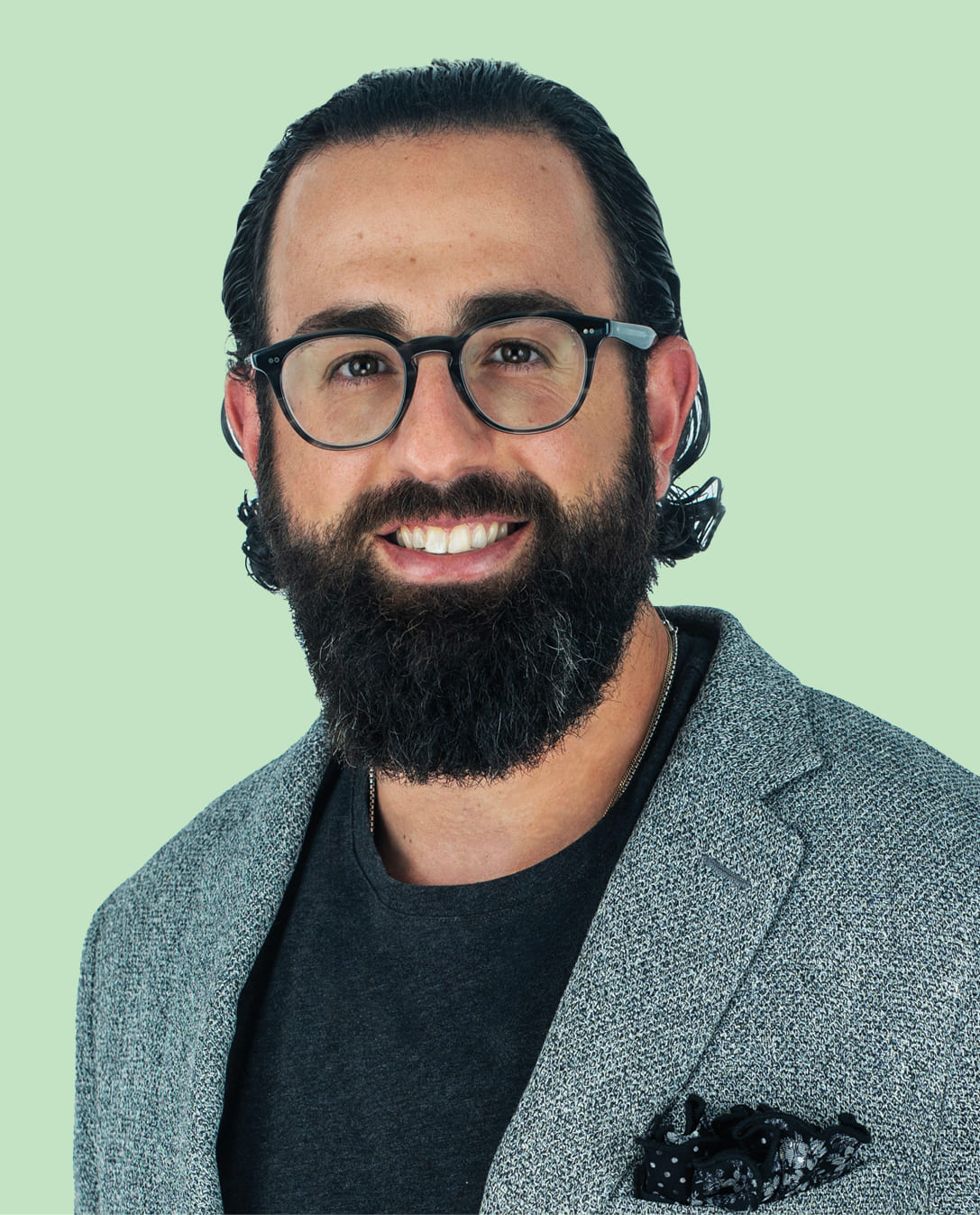
How do you recover your confidence after a setback?
Over time, I’ve learned that confidence is closely tied to self-awareness. After a setback, I focus on understanding what happened and where I could have showed up differently. Equally important is having a few people I trust who will give direct, honest feedback. Those two-way conversations matter. They help you see blind spots, reset your perspective, and move forward with clarity. Confidence doesn’t come from avoiding mistakes. It comes from learning quickly and applying that learning with discipline.
What boundaries have you had to create to lead effectively?
Two boundaries matter most. First, protecting focus. If priorities aren’t clear, organizations default to activity over outcomes. Second, separating support from interference. If a leader owns a result, they need the space to execute. I stay close to reality and performance, but I don’t step into decisions that belong to them. Clarity and accountability scale better than involvement.
What impact matters most to you now that you’ve achieved success?
We don’t look at it as having arrived. The job is not done, and in many ways it’s just getting started. What matters most is building something that continues to strengthen over time. That means developing leaders, creating meaningful opportunities across the organization, and ensuring the platform can evolve as the industry changes. The impact isn’t a single milestone. It’s whether the business and the people in it are consistently getting better.
What part of yourself did you have to outgrow to become the leader you are today?
Early in my career, I approached the business very transactionally. Coming out of acquisitions, the focus was on outcomes, efficiency, and execution. That mindset works to a point, but it does not scale through people. I had to learn to lead by empowering others and by building alignment around a clear vision. The shift was moving from being a doer to creating the conditions for others to perform. That comes down to trust, clarity, and relationships. The best outcomes don’t come from individual execution; they come from teams that are aligned and moving in the same direction.
How do you make peace with decisions that will inevitably disappoint someone?
You can’t lead by trying to satisfy everyone. The goal is to make decisions that are based on our values, consistent and grounded in long-term value. I focus on whether the decision strengthens the business and supports the people building it. Then I communicate it clearly. People don’t need to agree with every decision, but they do expect consistency and integrity.
What do you now understand about people that you didn’t earlier in your career?
Most performance issues are clarity issues. People want to do good work, but they need a clear definition of success and consistent feedback. Alignment matters more than agreement. When priorities are clear, strong teams move quickly. When they’re not, even great talent stalls.
If you could compress your leadership philosophy into one principle, what would it be?
Create clarity, then hold the line. It starts with surrounding yourself with people who are experts in their field and, in many cases, better than you. Then it’s about listening closely, setting clear priorities, and aligning the team on what success looks like. Clarity, combined with strong people and disciplined follow-through, turns effort into results.
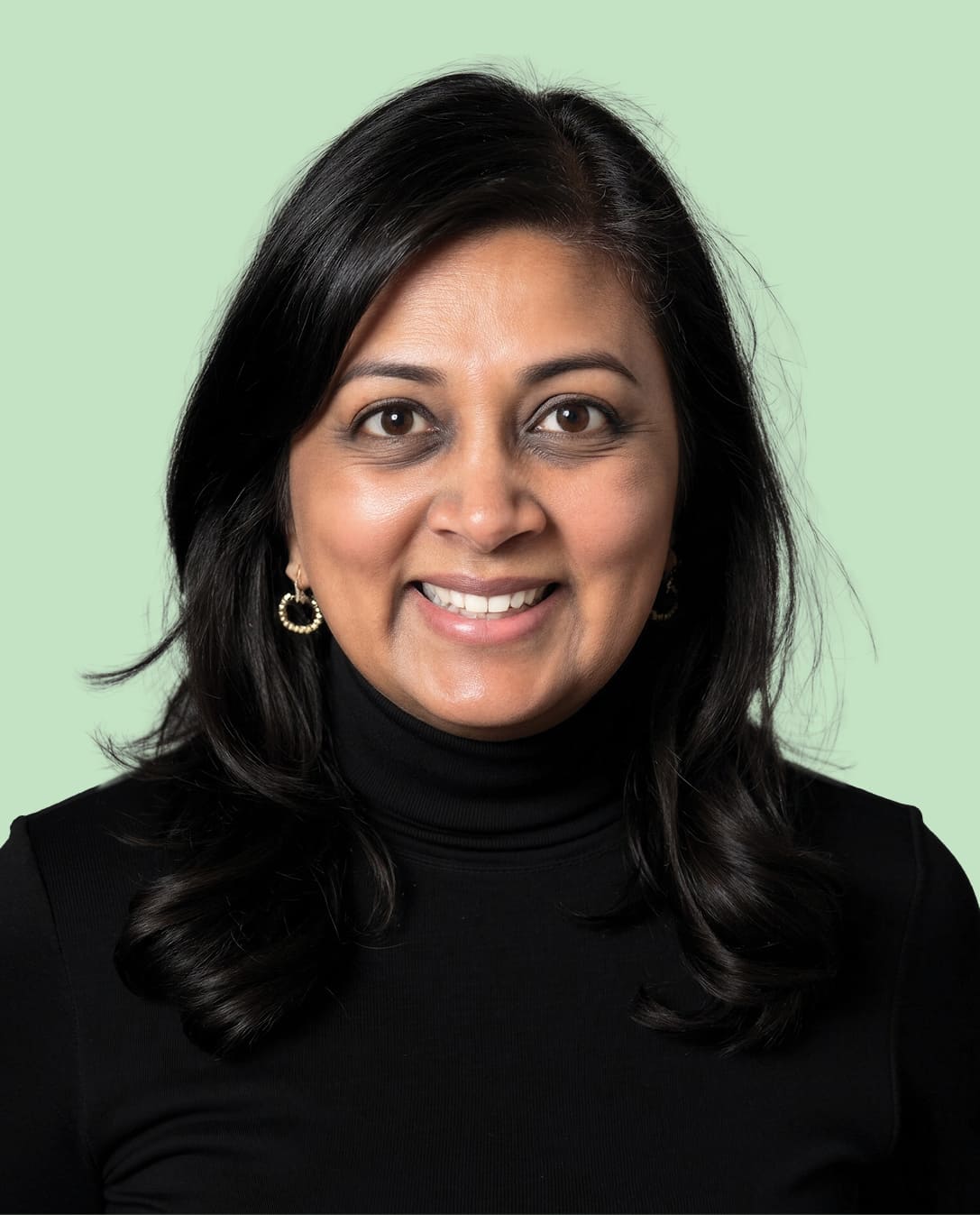
How do you recover your confidence after a setback?
Setbacks are hard, but inevitable. I recover by focusing on facts over emotions, understanding what I can learn from the situation, and not dwelling in the past or on things I can’t change or control. I also remind myself that some of my greatest growth came from my failures and setbacks, and those experiences have made me more resilient, grounded, and confident.
What boundaries have you had to create to lead effectively?
Effective leadership requires being intentional about boundaries, especially around time, priorities, and energy. Early in my career, I often felt the need to be constantly available and involved in everything, and that leads to burn out. Over time, I realized that sustainable leadership means creating space for strategic thinking, empowering teams instead of overextending myself, saying no, and protecting time for both personal well-being and focused decision-making. Clear boundaries ultimately make me a more strategic, thoughtful, and effective leader for my team and organization.
What impact matters most to you now that you’ve achieved success?
For me, success becomes more meaningful when it creates impact beyond my own accomplishments. At this stage, what matters most to me is building strong teams, developing future leaders, and helping organizations become healthier and more sustainable for the people they serve. The legacy I care most about is not just the results achieved, but the teams and organizations that are stronger because I was part of them.
What part of yourself did you have to outgrow to become the leader you are today?
I had to outgrow the belief that strong leadership meant having all the answers myself. Earlier in my career, I equated value with being the person who could solve every problem. Over time, I learned that real leadership is about building strong teams, creating clarity, empowering others, and making space for different perspectives. As I’ve grown as a leader, I’ve become much more focused on identifying talent, developing people, aligning teams around a shared vision, and creating an environment where others can bring their ideas and do their best work.
How do you make peace with decisions that will inevitably disappoint someone?
Leadership often requires making tough decisions that won’t make everyone happy. I approach those moments with transparency, empathy, and clarity around the why. Being a thoughtful leader and doing what’s right for the organization is more important than being liked. As long as I’ve listened carefully, considered the impact, acted with integrity, and communicated honestly, I can stand behind the decision, even when it’s difficult.
What do you now understand about people that you didn’t earlier in your career?
I understand now that people are motivated by far more than titles or compensation. Early in my career, I focused heavily on performance, execution, and results. Over time, I’ve learned that trust, feeling valued, having purpose, and being heard are often what truly drive people and teams. I’ve also gained a much deeper appreciation for the fact that everyone is carrying challenges you may not fully see. That perspective has made me a more empathetic, patient, and ultimately more effective leader.
If you could compress your leadership philosophy into one principle, what would it be?
My leadership philosophy is that strong teams create strong results. The best outcomes happen when you build a culture of accountability, collaboration, and shared purpose where people feel empowered to contribute and grow. I’ve seen firsthand that sustainable performance (especially in high-growth and turnaround environments) comes from aligning the right people around clear goals, supporting them through change, and creating an environment where both the business and the team can succeed together.
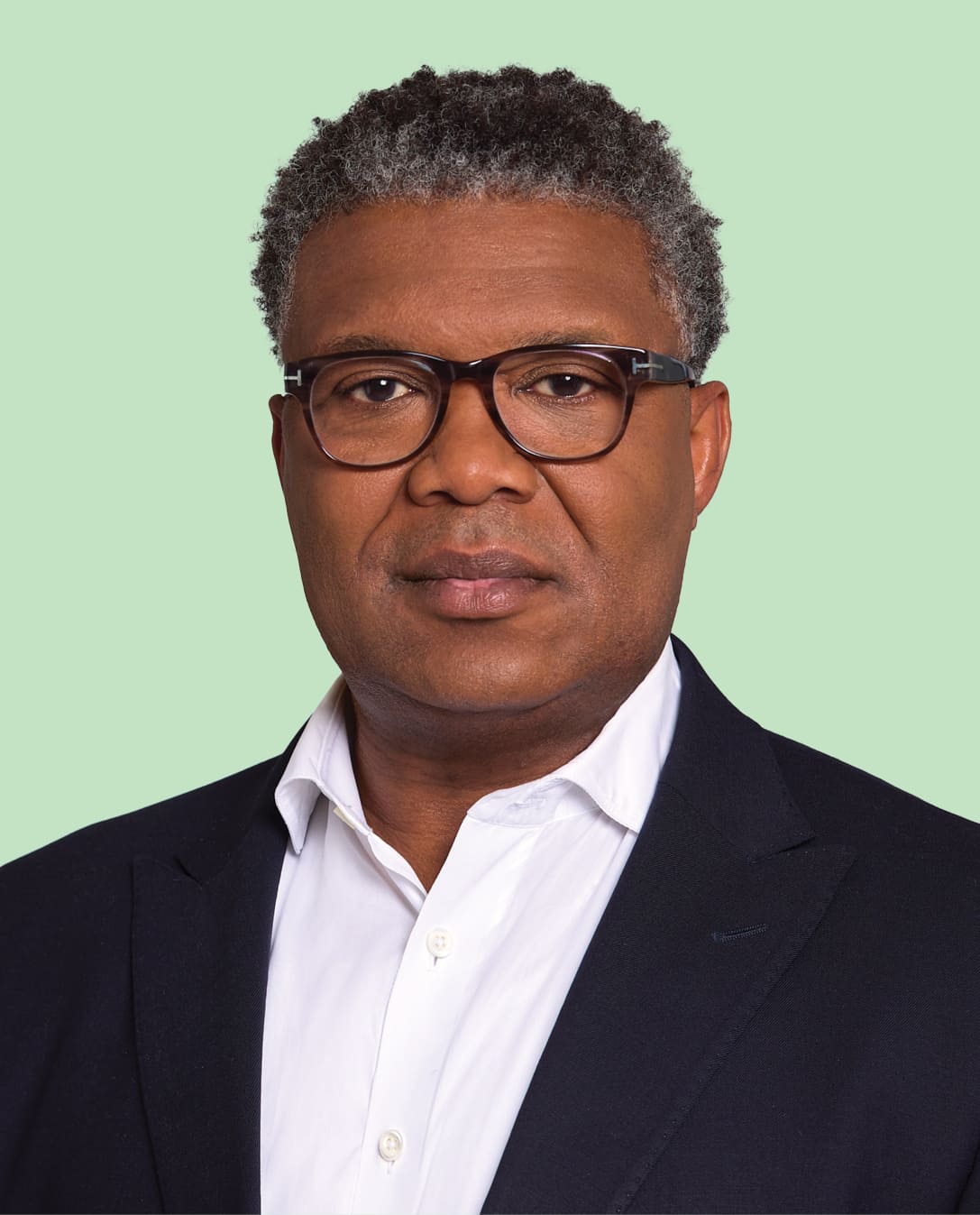
How do you recover your confidence after a setback?
I strive to treat all setbacks as learning opportunities by reflecting on what happened, why, and what we will do differently next time to achieve a better result. I feel the natural emotion of a shortfall, but then quickly recover by grounding myself in purpose. Our purpose guides the work we do.
What boundaries have you had to create to lead effectively?
Protecting time to listen, learn, and think is an important boundary to establish. It is easy to get pulled into constant reaction mode, but leadership requires space to reflect with perspective. I try to create space in the morning before the day fills up. And it’s important to carve out time throughout the day to connect with our customers, suppliers, and Team Schein Members because their views are incredibly valuable. By being intentional to create those pockets of time, I’m able to stay connected to our work and understand what’s really going on, all while being present for the people who rely on us.
What impact matters most to you now that you’ve achieved success?
The most impactful work is helping people and teams align on a goal and reach their full potential. This is one of the highest responsibilities of leadership. I believe that whoever helps the most people, wins. Creating the environment and vision for team members to achieve audacious goals by working together is the impact I seek to foster as a leader.
What part of yourself did you have to outgrow to become the leader you are today?
As a mechanical engineer by training, my leadership lens is to understand how systems work, and then identify and fix problems. However, I’ve learned that leadership isn’t synonymous with always having every answer; it’s more about building the conditions for others to do their best work, building an environment of trust and accountability, and fostering a collective sense of purpose.
Blending my analytical bias with team-building infrastructure—hire great people, set clear expectations, and provide teams with the tools to succeed—has been a growth point over my career. In healthcare, this matters because this industry is profoundly human. Every customer we support cares for a patient, a family, and a community. Moving from a mindset of “fixing” to “empowering” is how leaders help drive success.
How do you make peace with decisions that will inevitably disappoint someone?
Leadership requires making difficult decisions. What matters most is transparently communicating the why, and ensuring that difficult decisions are grounded in our Team Schein Values, the long-term success of our organization, and the needs of our five constituencies. Leading with integrity, communicating openly, and treating people with respect is how you navigate the tough moments.
What do you now understand about people that you didn’t earlier in your career?
I’ve learned that people perform at their best when they feel trusted, respected, and clear on what success looks like. Good leaders set expectations, provide feedback, remove obstacles, and then give people the space to perform. People want to know what is expected, and to be empowered to contribute and share their thoughts and ideas. If you genuinely care about people, that translates into trust. And ultimately, trust drives performance and high-performing teams.
If you could compress your leadership philosophy into one principle, what would it be?
Build strong, accountable, and empowered teams that are aligned around shared goals. Leadership is a position of service. Set clear expectations, set the tempo, create opportunities, and let the team make the plays. And keep the customer at the center of it all, mindful that we’re here to help health happen. When you align people, purpose, and execution, you win as one team.
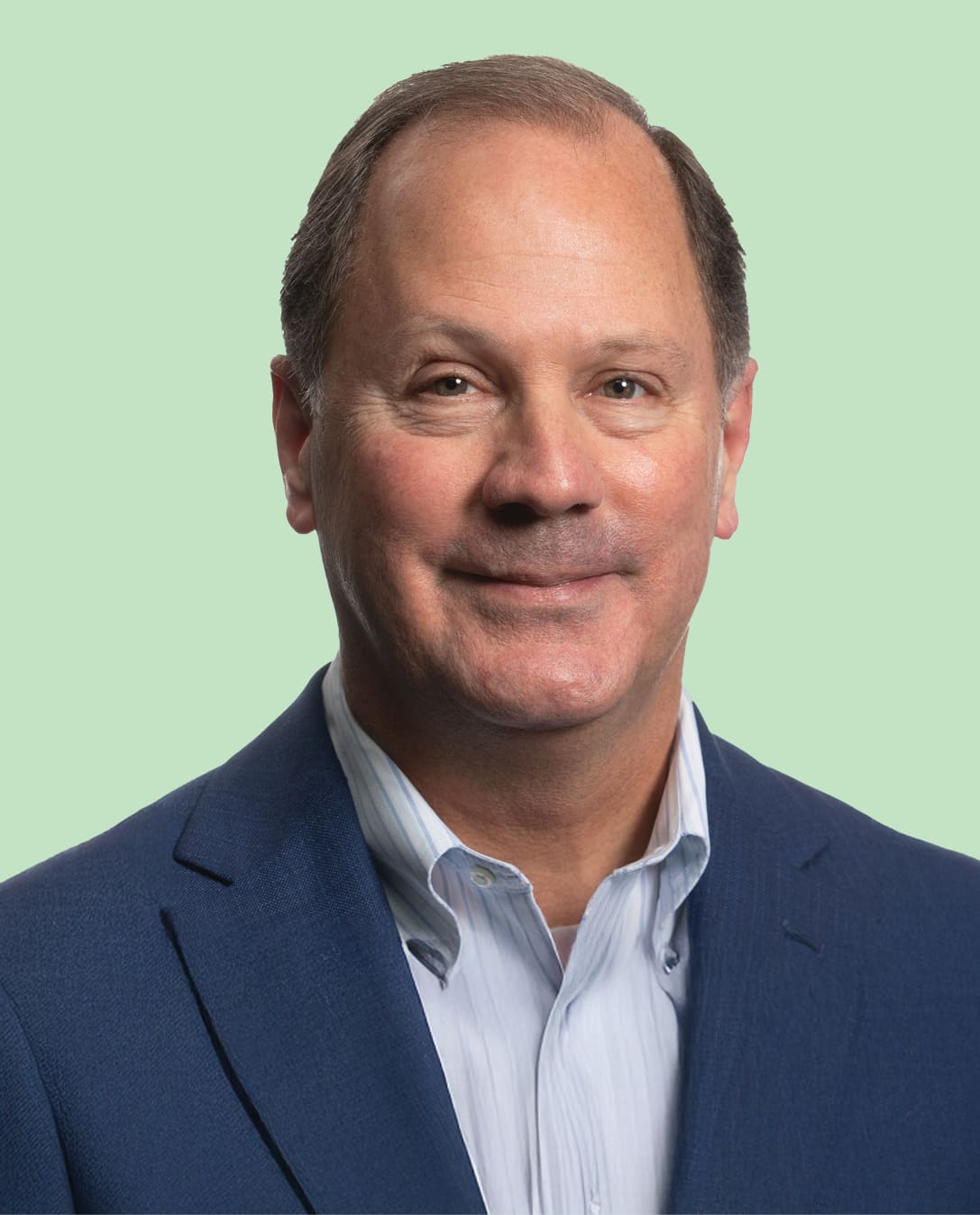
How do you recover your confidence after a setback?
I focus on sharing the experience with trusted people, learning from it, and putting it into perspective. Importantly, I reconnect with my team—because confidence often comes from knowing you’re not facing challenges alone, but together as a team that says, “we’ve got this.”
What boundaries have you had to create to lead effectively?
I’ve found it helpful to create some separation between my work and personal life. I protect my mornings as personal time before work, and my evenings as dedicated family time after 7 p.m. These routines give me the space to recharge so I can come back each day with renewed energy and focus.
What impact matters most to you now that you’ve achieved success?
Using the skills I’ve been given to make a difference in people’s lives—whether through improved health, better employment, or by sharing my connections and experience to help others on their journey.
What part of yourself did you have to outgrow to become the leader you are today?
Becoming a leader meant shifting my attention to others—building, supporting, and trusting a team, and understanding that collective success and team strength outweigh individual contribution.
How do you make peace with decisions that will inevitably disappoint someone?
As a leader, I’ve learned that my job isn’t to be the most popular person in the room—it’s to make decisions that support sustainable growth and the long-term health of the company. When choices are anchored in what’s right for the greater good and the future of the organization, even difficult trade-offs become easier to stand behind. I make peace with those moments by staying focused on long-term impact rather than short-term approval.
What do you now understand about people that you didn’t earlier in your career?
I’ve learned that people are motivated in different ways, and that understanding those differences is key. Leadership is less about having the right answers and more about listening and enabling each individual to succeed.
If you could compress your leadership philosophy into one principle, what would it be?
Empowering people is the core of my leadership philosophy. The real impact of leadership doesn’t come from the CEO running the company, but from enabling talented teams to do their best work and make decisions close to our customers. That means being approachable, keeping open lines of communication, and spending time in the field—listening, learning, and leading alongside our employees rather than above them.