Patterson Dental isn’t treating leadership equity as an HR initiative. It is building systems that create access, accelerate growth, and amplify the next generation of leaders.
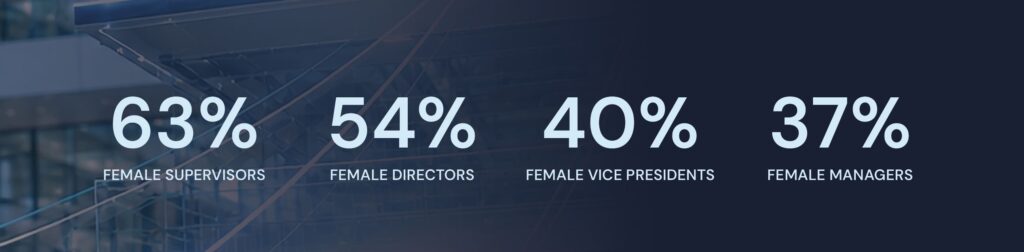
Look around the executive table—how many women do you see? For many companies, even modest gains are cause for celebration. At Patterson Dental, those gains are already a reality—and something they are continuously improving upon. Women represent 63% of Patterson’s supervisors, 54% of directors, and 40% of vice presidents—numbers that significantly outpace national benchmarks, according to McKinsey’s Women in the Workplace 2025. Yet Patterson Dental President Patrik Eriksson isn’t declaring victory. Only 37% of Patterson’s managers are women, and that gap matters.
We sat down with Eriksson and Christine Moore, Chief People and Communications Officer, to explore how Patterson is building a leadership pipeline that elevates women, closes the gaps, and empowers decision‑making where it matters most: on the front lines.
Access
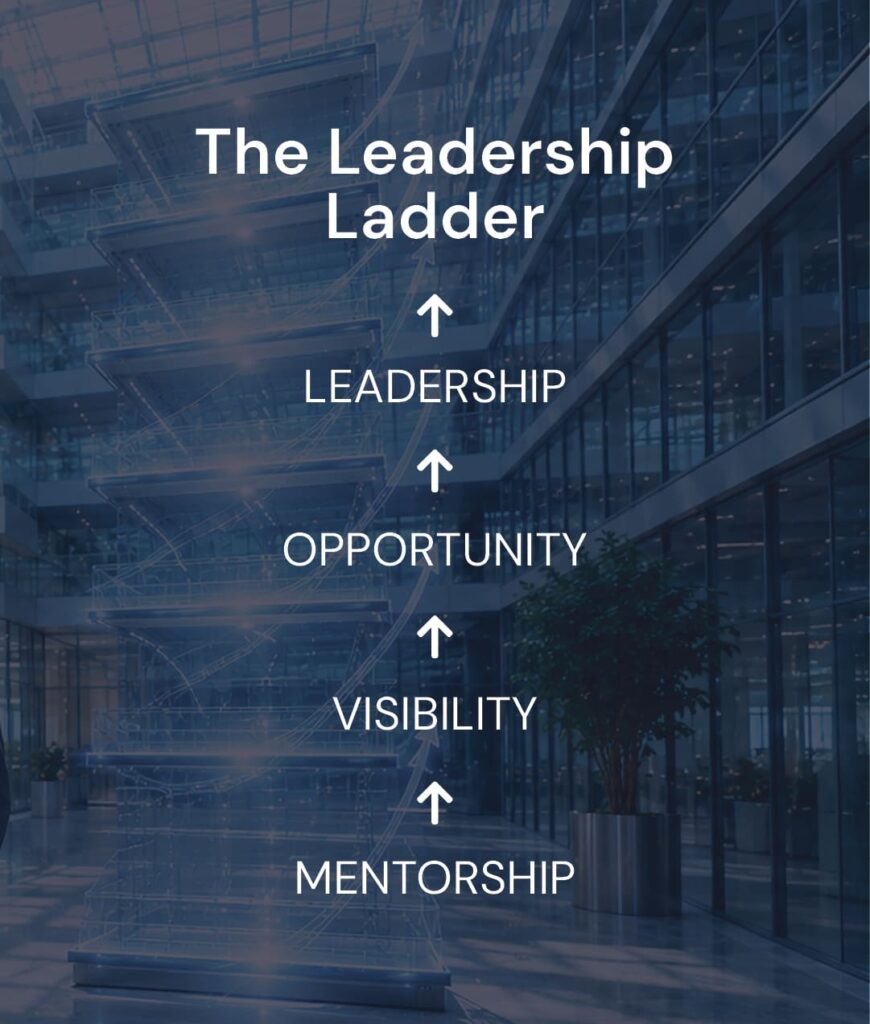
Leadership opportunities rarely begin at promotion; they begin much earlier, in the moments where talent is recognized, opportunities are presented, and potential is noticed. Patterson leaders believe access is where leadership pipelines are truly built. The earliest decisions, from candidate selection to developmental opportunities, often determine who advances and who gets left standing outside the room.
“We’ve built a culture around empowerment and accessibility,” says Eriksson. “Every employee is empowered to lead and make decisions close to our customers”.
Eriksson explains they’ve designed the business around people, not hierarchy. As employees make customer-focused decisions, it’s on-the-job training, helping them develop leadership skills they can use in their current role or in a management role down the line.
The other part of Eriksson’s vision is accessibility. Eriksson explains part of his strategy by quoting advice from an HR leader he met early in his career: “When you hire, have a slate of candidates that reflect the environment in which you are hiring and operating in.”. In other words: Curate a diverse selection of candidates.
Eriksson has embedded this balancing act into policy: Talent recruiters and leaders in Patterson have their direct supervisors review their candidates before choosing someone for an opportunity. This second set of eyes helps avoid bias. Moore points out that the first issue women face is access, and practices like these give women access out of the gate.
While many organizations would rely on HR for these initiatives, Eriksson emphasizes that this isn’t the case at Patterson, “The most important thing is that initiatives are sustained, measured, and visibly championed by me—not delegated entirely to HR. Women in organizations consistently report that CEO commitment is the single strongest signal that change is real.”.
The people-first approach isn’t just Eriksson’s philosophy—it’s how Patterson is preparing for the future of dentistry. As technology takes on more routine and transactional work, the value of human expertise only grows. Success will belong to organizations that pair the right technology with people who can solve problems, earn trust, and build lasting relationships.

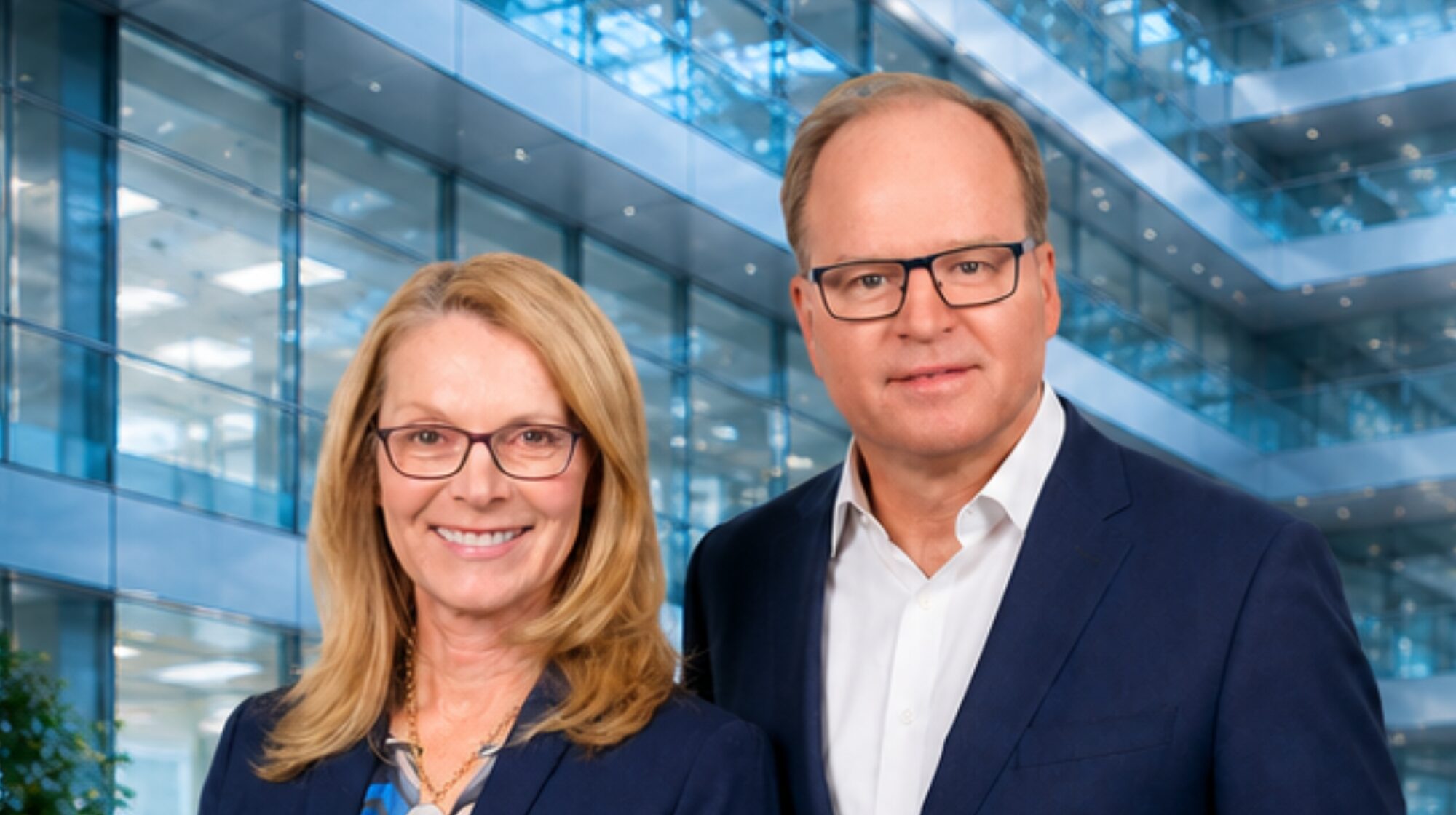
Patterson Dental President
Acceleration
Identifying talent is only the beginning. Growth accelerates when organizations intentionally create pathways that move people forward. Patterson believes support alone isn’t enough; advocacy matters too.
Still, Moore adds, “Women still don’t have the same access to opportunities. The research shows that men receive more mentorship and sponsorship than women.”.
Patterson’s leaders take this issue by the horns, directly advertising internal mentorship opportunities to women. Moore explains, “We deliberately over-index on female participants” to fill the gap. “This year, for example, 60% of the participants in the program are women.”.
But Patterson doesn’t stop at mentorships. “Sponsorship is mentorships plus,” says Moore. She gives an example of how sponsors might say, “We’ve got access to these three opportunities. I’m going to help you get your résumé in there.”.
Eriksson adds, “Mentorships are good, but they’re more supportive and skill-building. Formal sponsorships will drive better results. Mentorship supports. Sponsorship advances.”.
Advocating for talent is essential, especially for women, who are underrepresented in leadership throughout the industry. Eriksson advises leaders, “Have your eyes on high-performing talent early on, and advocate for them when you have promotion rounds.”.
But Patterson doesn’t address underrepresentation from just one angle: They’re looking to address the roots, not just the symptoms. And another root is a lack of visibility.

Pull Up a Chair
Opportunity gaps do not always come from systems alone. Sometimes hesitation becomes its own barrier. Patterson leaders say one of the biggest challenges women continue to face is not capability, but confidence: waiting until every box is checked, every qualification is met, and every doubt disappears before stepping forward.
“The expectations women have of themselves can get in the way,” Moore says, explaining how this feeling of inadequacy can prevent them from applying for roles they might otherwise succeed in or expressing interest in an opportunity they wanted part of. Moore advises, “Don’t wait until you feel 100% ready.”
Moore gives an example. “There’s an oft-quoted McKinsey study where a man would look at a job description with 10 job requirements and say, ‘I’ve got two out of the 10, I’m going to apply.’ A woman would look at the 10 and say, ‘I’ve only got 6, so I probably shouldn’t apply.'”
Flip the paradigm, Eriksson says, and go into the interview with confidence. “There’s going to be other people in the interview that also don’t check all the boxes. If you check some and someone else checks a different set of boxes, you might be the better candidate anyway.” For the areas where you don’t have experience, Eriksson says to show “that you’ll be able to quickly learn and grow to do those things.”
Women may not just stop themselves from applying for jobs but from other opportunities. Moore observes women feel like they need permission to enter rooms they already have access to.
“I get asked the question, ‘Christine, how do I find a seat at the table?’ And I say, ‘I don’t want you to ever ask that question again. If you’re asking for a seat, you’ve already given it away. I want you to pull up a chair and sit down. You don’t leave until someone tells you to.'”
“Oftentimes we do know where those tables are, but something gets in the way,” Moore says, “Think about the resistance, the hesitation. I say, push through it.” One way: Find other people interested in these conversations. Sit down at the table—as a group.
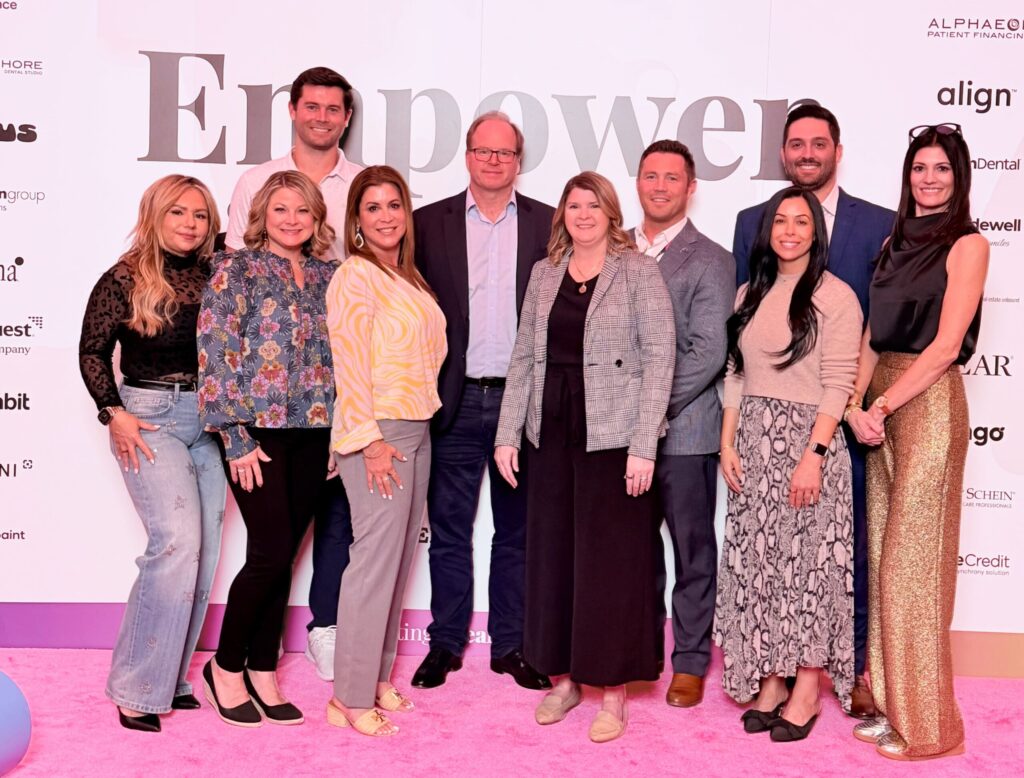
Eriksson recommends that women seeking visibility volunteer for tough and strategic projects. “Raise your hand and move in; try to be a part of those things. Even if you don’t know that you can do all of it, get involved in it.”
Another way to pull up a chair and be considered for leadership roles is to demonstrate your soft skills—going back to relationships. “Leadership has expanded to be about connection and collaboration, about listening to understand what’s actually happening to folks who are closest to customers and patients—characteristics that have been more traditionally female,” Moore says.
Once you get that leadership role, you have to ensure you’re prepared for the continued challenges. Eriksson says a big challenge women face is the workload outside of their careers. “There are a lot of family-related responsibilities that most people don’t think about. I came across some data: 70% of the top 1% male earners in the US have a spouse that stays at home. For female top earners, only 22% have a spouse that stays at home.”
Part-time or stay-at-home spouses usually handle a significant part of that workload outside of the working spouse’s career—and women are less likely to have that support. Whether it’s cleaning, replacing broken appliances, or preparing meals, these responsibilities outside of work can be overwhelming without a plan in place.
One way to deal with this stress is through self-care, which is why Patterson had a recent panel on that subject. At that panel, Senior Director of Customer Success Cassie Hoffmann said something that stuck with Eriksson: “Dead batteries cannot charge other batteries.” Eriksson adds, “If you don’t take care of yourself first, you can’t be a great leader for others.” By planning for the workload outside of your career, your battery as a leader can stay recharged.
The future of dentistry will not belong simply to organizations that adopt better technology. It will belong to organizations that develop people capable of building trust, creating relationships, and elevating others along the way. Patterson is building those leaders now.
Sources:
Krivkovich, Alexis, Drew Goldstein, and Megan McConnell. “Women in the Workplace 2025.” McKinsey & Company, December 9, 2025. https://www.mckinsey.com/capabilities/people-and-organizational-performance/our-insights/women-in-the-workplace.
Yavorsky, J. E., Keister, L. A., Qian, Y., & Nau, M. (2019). Women in the one percent: Gender dynamics in top income positions. American Sociological Review, 84(1), 54–81.