Trending

The State of the Market

08/06/2025
|
6 min. to read

Paths to Growth Through Disruption

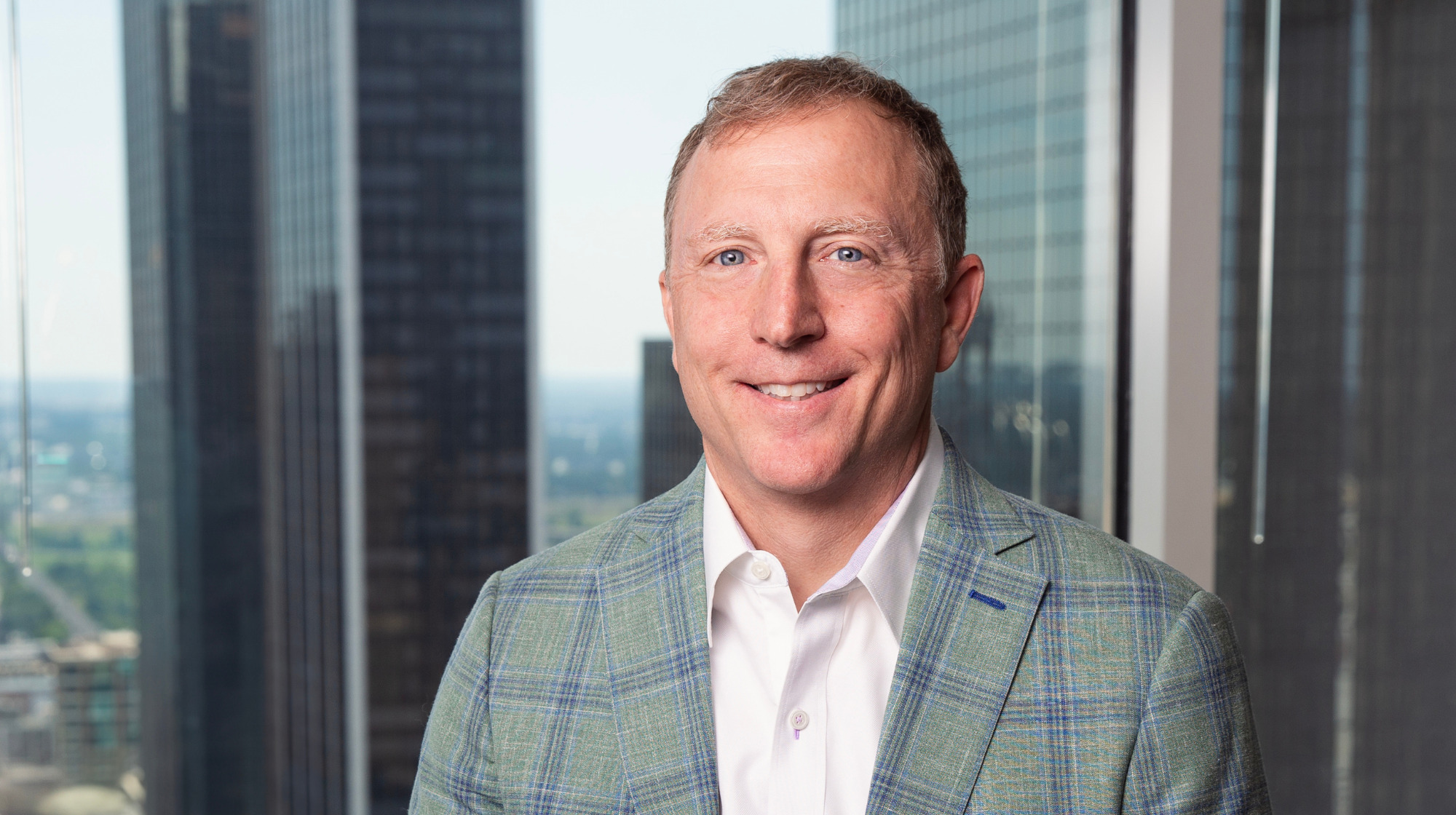
By Brian A. Colao
Director, DSO Industry Group at Dykema

2025 Midyear Update
Around the middle of 2022, the DSO industry experienced extremely challenging economic conditions, including high interest rates, high inflation, high cost of supplies and equipment, and high costs of labor—along with labor shortages. This resulted in a severe slowdown of the previously white-hot M&A markets and caused many DSOs to significantly reduce expenses and downsize their workforces to offset the much higher costs of doing business.

2024 Year-End State and Predictions
However, 2024 ended with cautious optimism that the three interest rate cuts in the fourth quarter would boost business. The market also anticipated a new presidential administration that would adopt economic policies that would lead to significantly lower interest rates, end the current wars and global unrest, create a more favorable regulatory environment, and reignite the DSO M&A markets.

My end-of-year 2025 prediction was that the first quarter would not see significant M&A activity but that the markets were poised for a rebound in the third to fourth quarters, assuming that the new administration was successful in its stated policies. In the meantime, I predicted that DSOs would focus on same-store growth and were well positioned to invest in new innovative technologies in 2025.

2025 Reality
The year 2025 got off to a very momentous and, at times, tumultuous and economically disruptive start. The new presidential administration came right out of the gates with very aggressive and almost unprecedented trade policies that included the implementation of significant tariffs against China, Canada, Mexico, Europe, and most of the developed world. Some tariffs were seemingly implemented and then suddenly postponed after a few days on numerous occasions, often in direct contradiction of public statements made by government officials.

This has led to severe volatility in the U.S. and foreign stock markets and created further economic uncertainty. In the first quarter, inflation inched up and then inched down but remained far above the threshold for significant interest rate reductions to occur. Therefore, as expected, there were no interest rate reductions in the first quarter, and the M&A markets remained slow and stagnant.

Quote
Aggressive trade policy and global conflicts are forcing DSOs to grow inward and innovate outward.

Current Outlook
As of the time of this writing, the first six months of 2025 have gone by, and some are predicting that the cost of dental supplies and equipment may go up significantly in the weeks ahead, which would put further pressure on DSO profit margins. In addition, the Russia/ Ukraine war has not been resolved, and the conflicts in the Middle East have recently intensified, with no immediate resolution in sight. All of this has resulted in very limited M&A activity through the second, and likely, the third quarter.

One silver lining is that it appears that most of the world is interested in quickly resolving tariff issues. If issues are quickly resolved, along with at least a path to resolution of military conflicts, then we could be well positioned for fourth-quarter interest rate reductions and a vast improvement in the M&A markets, with 2026 looking like a big rebound year.

Quote
The best-run DSOs aren’t waiting for the market to recover. They’re building the future now.

Technology Update
In response to ongoing economic pressures and labor shortages, DSOs are significantly increasing their investment in innovative technologies in 2025. These advancements are helping organizations streamline operations, improve patient outcomes, and enhance competitive positioning.

Advertisements

Cloud-Based Practice Management Systems
DSOs continue shifting from legacy systems to robust, cloud-based PMS platforms. These systems centralize data, facilitate real-time information sharing across multiple locations, and include advanced capabilities like automated insurance claim adjudication. This automation reduces administrative workload, accelerates reimbursement cycles, and improves cash flow—critical advantages in tight economic conditions.

Diagnostic AI
Diagnostic AI tools have become integral in clinical practice, assisting clinicians by identifying conditions such as early-stage caries, periodontal disease, and oral cancer indicators from radiographs and intraoral images. This AI-driven precision improves clinical outcomes, increases patient trust, boosts case acceptance rates, and helps DSOs maintain high diagnostic standards, even with less experienced clinicians.

AI-Augmented Revenue Cycle Management
AI-driven revenue cycle management (RCM) tools are optimizing the financial workflows of DSOs. These solutions handle tasks such as insurance eligibility verification, claims submission, and remittance processing automatically. AI platforms also predict and flag potential claim denials in advance, significantly reducing payment delays and improving operational efficiency by allowing human teams to focus on complex billing issues.

AI-Enhanced Patient Acquisition and Retention
To effectively attract and retain patients, DSOs are implementing sophisticated AI-based marketing and engagement tools. AI-driven platforms enhance patient interactions with 24/7 chatbots, automated follow-ups, and digital appointment scheduling. Additionally, call analytics solutions are converting more inquiries into appointments by flagging missed opportunities and providing actionable insights in real time, increasing patient satisfaction and revenue.

Innovative Patient Financing Solutions
Economic uncertainty has made innovative financing crucial for patient treatment affordability. DSOs are increasingly adopting embedded finance solutions, which integrate financial services directly into the patient care experience. Embedded finance simplifies financing processes, enhances patient convenience, and significantly increases case acceptance rates.

Additionally, DSOs are utilizing fintech-driven tools that offer real-time financing approvals and flexible payment options, including “buy now, pay later” plans. These solutions are making dental care financially accessible and attractive. Economic uncertainty has made innovative financing crucial so patients can afford treatment.

Revenue Streams
DSOs are expanding revenue through specialty services and new products. Clear aligners, implants, and anchored dentures are now routinely integrated into general
practices, increasing patient spend per visit. Membership and discount plans attract uninsured patients and generate predictable, recurring revenue. Additionally, sales of
professional-grade teeth whitening and novel enamel regeneration products have become profitable service extensions.

Cost-Savings Tactics
To offset rising costs, DSOs are increasingly consolidating lab services and negotiating group-level agreements to achieve economies of scale. They are also rigorously reviewing merchant and vendor contracts to reduce expenses such as credit card processing fees and compliance-related charges. These proactive efforts deliver substantial bottom-line savings, essential during economic volatility.

Quote
DSOs are positioning themselves not only to survive—but to lead dentistry’s next era.

Strategic Outlook
By strategically adopting these technologies and operational innovations, DSOs are positioning themselves not only to survive current economic uncertainties but to thrive. Organizations investing now are expected to lead the industry’s recovery and future growth, highlighting the transformative potential of technology in modern dentistry.

Gain ACCESS TO
INSPIRING
stories
Get membership
Trending

Unlocking Capital

03/06/2025
|
15 min. to read

Diverse Perspectives on Fundraising.

Raising capital often sounds like a daunting task, marked by many complexities and uncertainties. For entrepreneurs, the process entails crafting a compelling business proposition and also effectively communicating its value proposition to the right investors. From identifying appropriate funding sources to navigating negotiations and due diligence, every step demands meticulous attention. Similarly, investors face the challenge of discerning promising opportunities amidst a plethora of potential ventures, assessing risk factors, and ensuring alignment with their overall investment objectives.

Despite the inherent challenges, a successful capital raise serves as a catalyst for driving innovation, fostering growth, and actualizing
on meaningful returns. Through interviews with entrepreneurs and investors, gain a comprehensive understanding of raising capital. Learn from the challenges, strategies, and successes experienced by individuals on both ends of the funding spectrum in this insightful Q&A.

01
What advice would you offer a company that is preparing to raise capital?
“Have all the materials prepared in advance so the process can go very fast. Schedule all meetings in the first week or two so that you have multiple people interested at the same time.” – Wardah Inam

“Try to anticipate the questions that you are going to get from investors and be thoughtful about how you can start to address them in advance. Talking to a constructive founder-oriented Private Equity partner early on in the process, even before you are ready to raise capital, is a great way to get this kind of feedback early and learn quickly. At Thurston Group, we have conversations like this all of
the time, because we know that we also have a lot from founders in these conversations.” – Dr. Dana Fender

“Ah, the thrilling adventure of raising capital! Embrace the word ‘no’ like a badge of honor. It’s actually a good thing because it tells you that you still have some work to do before you’re fully ready. Trust me, you will hear it. You won’t like it, but you don’t want to take money from anyone before you are ready. Now, get ready to push your boundaries even further. As a founder/CEO, you’re probably already working long hours, but brace yourself for a whole new level of sleep deprivation. When you dive into conversations with investors, and they start their diligence process, your workload will skyrocket. This intense phase, let’s call it ‘hell month,’ will test your mental and physical stamina. So, remember to fuel up on good food and snatch moments of sleep whenever you can. Oh, and make sure to have a heart-to-heart with your loved ones, because for the next few months, you’ll need their unwavering support and understanding. Let them know you might be MIA for a while.” – Weston Lunsford

“Start early and add prospective investors to your monthly investor update letters. Get close to people in the industry who are respected and have access to thought leaders who will advocate for the product and the team. This could be through an advisory team.” – Doug Brown

“Ensure that every work product they see has a high level of polish. This is a ‘where’s there’s smoke there’s fire’ situation, and you need to look the part. If not, you won’t be able to position the situation for both parties to have to earn the respect of the other. Even
better, have the systems and processes already built so that anyone can step into any document or process and think, ‘Wow, that is a high standard they keep to themselves, even for internal documents’. If you can show that nearly everything in the company is to a certain standard, you will slowly start to see counterparty diligence take your statements with higher confidence.” – Nick Mahalec

Quote
“If you can show that nearly everything in the company is to a certain standard, you will slowly start to see counterparty diligence take your statements with higher confidence.”
– by Nick Mahalec, Co-Founder & CEO, Pulse Equity

02
What are the most common mistakes that entrepreneurs make when pitching for investment, and how can they avoid them?
“Know what type of business you are in. Some businesses are meant for venture, and these require large amounts of capital and can be worth $1B. Others are better not raising venture capital. Know your objectives and goals. Common pitch mistakes include not clearly articulating the product features and benefits at the start of the pitch, not including key colleagues in the pitch to show leadership depth, not anticipating and preparing for questions and challenges that come up during a pitch, not sharing future exit options and the expected timing, and failing to show market traction, TAM, stickiness, and customer satisfaction.” – Doug Brown

“It seems simple, but make sure to cover the details. All investors love to see a big vision, and that is truly important to a successful pitch. But don’t forget the basics, either: how do you make money now, day-today? How well do you understand the individual moving parts that make your business tick? A lot of this comes down to operations and maintaining a focus on the small things that make a business run well. If you can show me that you really understand your business, I am going to walk away impressed by you.” – Dr. Dana Fender

“When entrepreneurs pitch for investment, there are common mistakes that can hinder their success, although the specific challenges may vary based on the stage of funding (Seed, VC, or Series A-C). One common mistake is the lack of a clear path and forecast. It is essential to have a well-defined plan of execution that aligns with the projected budget. Additionally, if there are assumptions due to the early stage of the business, it is crucial to provide sufficient evidence to support those assumptions. By addressing these potential pitfalls,
entrepreneurs can improve their chances of securing investment. Good ideas are in abundance. Good ideas with a solid foundation and accurate plan that matches a forecast are lacking today.” – Weston Lunsford

03
What are good questions to ask investors before securing their capital?
• Do they position themselves as a value add beyond investment dollars? If so, what is it, and how do illustrate this to companies before
closing a deal? – Nick Mahalec
• Get references from them and talk openly with the companies they have funded on how they like to work. – Wardah Inam
• How do they like to be involved with their portfolio companies? – Nick Mahalec
• What do they define as success for their LPs with the fund they’re currently investing out of? This tells you whether your growth vision matches with the fund’s requirements. – Nick Mahalec

04
What are the most important elements you look for in a pitch by the C-suite?
“The details are important. I like to see a management team that is in control of its business. Leadership and empathy are so critical, too. I need to see that you understand your people and what matters most to them so that you can build and sustain the lasting team you need to achieve your goals.” – Dr. Dana Fender

“When evaluating a pitch from the C-suite, there are two key elements that I prioritize. First, I assess the product market fit to determine if there is a strong demand and measurable benefit for the prospective market. Second I closely examine the track records of the management team. The success of startup companies often hinges on the determination and experiences of the founder and management team. It is crucial to ascertain their willingness to persevere and their past achievements that demonstrate their grit.” – Weston Lunsford

Advertisements

“Domain expertise. It doesn’t necessarily require experience (check out Relu as an example), but it’s about knowing the customer and understanding the problem deeply. I also look for the founder’s confidence and a history of having persevered in prior situations despite encountering challenges. Start-ups are hard, and the founder must convince us they are ‘all in’ and will run through walls to succeed. Teams that focus on uniquely solving the most complex problems are favored over those that have come up with ‘cool technology’.” – Doug Brown

05
How do you keep investors interested and focused on your company and its growth plan?
“Tell them what you’re going to accomplish, execute on it, and keep them updated along the way. If you hit what you set out to, you have something great to speak to. If you don’t, can you communicate a cohesive after-action assessment about what went wrong and what corrective action you’re implementing to close the gap? If the investor touts a value-add such as GtM expertise but isn’t engaged with this process, you just learned a valuable lesson on that specific investor’s ability to provide incrementality to the business.”
– Nick Mahalec

“The more positive the customers are, the more interested the investors will be. Trying to serve customers really well is the most beneficial for all parties.” – Wardah Inam

06
What is your advice for an entrepreneur who wants to build a network to improve their access to capital?
“Here are two of my favorite methods. Connect with other CEOs and founders in your market: By networking with other successful entrepreneurs, you can gain valuable insights and advice on accessing capital. These individuals have likely been through similar
experiences and have investors who are actively seeking new opportunities in their same market. Once an investor has made a sizable investment in a business that serves a specific market, they are always looking for other non-competing solutions in that same market. They
understand it now. Seek mentorship from experienced investors: Find mentors who have extensive experience in the investment field. They can provide guidance, introduce you to their network of investors, and help you refine your business strategy to attract capital. Remember, building a network takes time and effort. Be proactive, genuine, and persistent in your networking efforts.” – Weston Lunsford

Quote
Good ideas are in abundance. Good ideas with a solid foundation and accurate plan that matches a forecast are lacking today.
– by Weston Lunsford CEO, Plansight Managing Partner, Kaizen Investments Group, LLC

“Have something to talk about and put yourself out there. I am always interested in meeting new people with interesting perspectives, and
if you can establish yourself as someone with a unique, insightful perspective on a popular topic, I will want to work with you.” – Dr. Dana Fender

07
Does the current environment have a good amount of capital to invest, or is it a tighter, more selective market?
“The market is much more selective and valuations are lower. Raising at too high of a valuation just because a friendly investor will give it to you can also be a mistake for future financing. Nonetheless, money is always available for great concepts and teams.” – Doug Brown

“With private market investors and buyers hyper-focused on fundamentals and underlying unit economics, tech operators and owners continue to scramble to optimize operating performance and efficiency in the face of lower overall revenue growth – in some cases with strong profitability, and in other cases with negative EBITDA in favor of efficient growth. As a result, there are fewer companies with consistent
or increasing growth that meet the criteria for market entry. Meanwhile, the gap between bid and ask valuations is narrowing, and with a lack of liquidity and a large amount of available capital, I anticipate a resurgence of deals involving private equity firms, venture capitalists, and strategic investors. In summary, there is a significant amount of capital waiting to be invested, but the challenge lies in finding the right opportunities.” – Weston Lunsford

“Good, growing businesses with strong leadership will always be attractive to investors, and private equity firms with strong track records and access to capital will always be looking for them. Markets today might be tighter than they were in the past, but Thurston Group and firms like ours are open for business. If you see an opportunity to do something better than the competition, don’t be afraid to reach out.” – Dr. Dana Fender

08
What are the top 2-3 elements investors look for?
“At the early stage, it’s total addressable market, team, and product vision. You’re selling a vision in the earlier stages. It’s pretty simple…is the market large enough, does this team have the chops to make the necessary pivots to achieve an outsized exit, and can they clearly communicate where their vision is now knowing it may pivot along the way? Later stages come down to hard numbers as you should have the data to back those three things up.” – Nick Mahalec

“Market size, current revenue, and growth rate.” – Wardah Inam

09
Where do you expect to see significant innovation over the next 2-5 years?
“Machine learning and AI is already beginning to take off, but it’s only going to get better and come out faster. I also believe we live in a world where the upcoming generations are not as loyal to their service providers, especially dentists. There is a huge opportunity to create convenience and an experience for the new generations of patients. I hope to see something innovative and beneficial in this area in the future.” – Weston Lunsford

“There have been so many changes in our industry over the last decade. Consolidation, changes to the market, and other forces have changed the game for healthcare businesses, forcing them to adapt and improve. There is a great opportunity for businesses that add value to healthcare companies and providers. One area I am very focused on is advanced education which helps doctors stay at the forefront of innovation and improve patient care and their practices. As technology rapidly evolves, by offering more ways to serve patients and grow their businesses, there is a huge opportunity to train and educate doctors and their teams. This can take the form of anything from hands on in-person training to innovative online education, and everything in between.” – Dr. Dana Fender

“DIA evaluates companies across nine thematic vectors ranging from clinical outcomes, upskilling GPs, FinTech, Labs, and devices. For example, the Dental Innovation Alliance VC Fund I, LP recently made its first AI investment in Pearl, a leading innovator in AI solutions for dentistry, particularly for clinical outcomes. We have closely monitored the AI sector, particularly for pathology detection and the evolving standard of care for dental practices worldwide. Innovation in dentistry is ripe, and we’re honored to be at the forefront of it!” – Doug Brown

  Meet Dr. Dana Fender

Dr. Fender serves as Partner of Thurston Group, a strategic investor and dedicated partner focused exclusively on the healthcare industry. He is responsible for development and relationship management of their physician practice management companies, including clinical leaders, research endeavors and practice growth opportunities. Dr. Fender also provides strategic oversight to Thurston Group’s portfolio companies’ clinical integration and affiliation programs. Prior to joining Thurston Group, Dr. Fender co-founded Smile Doctors. He also serves on the board of directors for National Dental Healthcare REIT, SGA Dental Partners, and Gen4 Dental Partners.

  Meet Wardah Inam

Wardah is the co-founder and CEO of Overjet. Before Overjet, she was the Lead Product Manager at Q bio, focused on simulation and quantification of human physiology. She completed a postdoc at MIT CSAIL focused on Emerald, a machine learning-based device that uses wireless signals for remote monitoring of vital signs and tracking of physical movement. She received a PhD from MIT focused on autonomous microgrids. She co-founded a startup, uLink, to build technology that lowers the cost of electricity access. uLink was recognized by National Geographic as one of the tech breakthroughs that could help power the world.

  Meet Nick Mahalec

Nick is the co-founder and CEO of Pulse Equity, a platform that helps healthcare partnerships attract and retain top-tier talent. We help DSOs recruit, retain, and improve the performance of its clinicians by “operationalizing” cap tables and incentive programs. Before co-founding Pulse, Nick built an e-commerce enablement company that he sold to Klarna, the largest Buy-Now-Pay-Later company. Prior to tech, he built and sold a solar development company based out of California.

  Meet Weston Lunsford

Weston Lunsford is the managing partner at Kaizen Investments Group, LLC. He also currently serves as the CEO of Plansight, a company that offers an employee benefit RFP to Employer Presentation solution. Its mission is to reduce healthcare costs in America by transforming the renewal experience of employer healthcare plans. Weston has had a diverse range of work experiences throughout his career. Before Plansight and Kaizen, he was the CEO of Dental Intelligence Inc., a leading provider of business intelligence software for the dental industry. Weston used data obtained from the practices’ management and financial systems to monitor their economic health and streamline their decision-making processes.

  Meet Doug Brown

Doug Brown is the Co-Founder and Managing Partner of Dental Innovation Alliance (DIA), a venture capital firm that funds, advises, and propels the success of early-stage companies building the future of dentistry and health through technology. During his career, Brown has invested in and advised a dozen early-stage technology companies, as well as four dental support organizations. Previously, he led and successfully grew two national dental support organizations, most recently as CEO and Vice Chairman of Affordable Care LLC, which now affiliates with over 450 practices in 42 states. He is also the Founder and Chairman of Local Start Dental, a nonprofit dental clinic and learning center in Durham, NC.
Gain ACCESS TO
INSPIRING
stories
Get membership
Leaders

At the Helm

03/06/2025
|
10 min. to read

Leaders face many challenges daily that demand critical thinking, emotional intelligence, and a commitment to navigating complexities with integrity and resilience. The LEAD sat down with five leading CEOS to gain invaluable insights into their approaches to decision-making, leveraging their collective expertise to empower and inspire industry professionals facing similar challenges.

Pat Bauer of Heartland Dental, Stephenie Goddard at Glidewell, Geoff Ligibel of 42 North, Frank Massino of Darby, and Rahma Samow of Clear Choice stand at the helm of innovation and leadership. Learn from them as they share practical self-care strategies, book recommendations, and other resources. Together, these leaders bring a wealth of experience and wisdom, providing invaluable perspectives, personal stories, and practical advice for anyone who is or aspires to be a leader.

What advice would you offer a CEO new to the role?
“It’s critical first to come in to observe. Talk to as many stakeholders as possible and ask questions, even if they seem obvious.” – Frank Massino

“Becoming a CEO is a significant milestone that comes with substantial responsibilities. When I was first promoted, a good friend recommended that I read The First 90 Days by Michael Watkins. The book serves as a roadmap for leaders in new positions, providing practical strategies and tools to help them navigate the complexities of leadership transitions effectively. Below are a few key pieces from that book that really helped me: Prepare yourself. Secure early wins. Negotiate success. Build your team. Create coalitions. Keep your balance.” – Stephenie Goddard

What is the most challenging task you’ve faced as a CEO?
What, if anything, best prepared you to face it? “Navigating the delicate balance between maintaining current business performance and driving transformative change for future success is indeed a formidable challenge. Equally crucial is instilling a shift in mindset within the organization, transitioning from a status quo mentality to an innovative, insurgent approach. Building conviction in our purpose and rallying the team behind a shared vision are pivotal steps in steering towards our goals and ensuring long-term viability.” – Rahma Samow

“I’d have to say navigating the COVID pandemic and recovery felt like an impossible task at times, as I’d never imagined anything like it. While at times it was difficult to do, I tried to rely on my learned experience to focus on the things we could control we couldn’t. We had to employ that mindset on a daily basis as new challenges presented themselves, and it helped us focus on moving forward and making progress.” – Geoff Ligibel

“By far, COVID was a very difficult time. What prepared me was our mission and core values. We came together as a team and because we were well capitalized, we were able to not knee-jerk. Although that was everyone’s first reaction, we came up with a calm plan to react and then immediately worked on how to come back strong.” – Pat Bauer

How do you communicate tough decisions to your team and stakeholders to ensure alignment and understanding?
“I don’t tend to communicate any differently to my team than I do directly with Jim Glidewell, the founder. First, I try to start by being
clear and honest about the situation. Second, I have found that one can never over-communicate. Next, I think empathy is an underutilized skill. Understanding and acknowledging how my decisions affect team members and stakeholders is key. Openly addressing concerns and emotions can mitigate negative impacts and foster a supportive environment. Then, after communicating the decision, I think it’s important to give others a chance to voice their thoughts and concerns. I know I don’t always have all the answers, and there have been several times when my decisions have been swayed based on input I received from others on my team. It’s important to be open to feedback, and it’s equally important to admit that your decision may have been flawed. Lastly, clarity on what comes next can help align everyone’s efforts and minimize uncertainty.” – Stephenie Goddard

“I’ve found that the best way to ensure alignment is to involve stakeholders early in the process and ensure they feel heard and understood. I see our employees as being stakeholders as well, and it’s essential to clearly articulate the ‘why’ behind tough decisions. This way, even if people don’t agree, they can understand why the decision was made.” – Frank Massino

Advertisements

“No one likes surprises. Mark Greenstein, Heartland Dental’s Chief Growth Officer says, ‘Surprises are for birthdays.’ Be upfront. Have a plan that is well thought out to answer questions. Blaming the economy or the external environment is not a good answer.” – Pat Bauer

Describe a decision that was unpopular at the time but ultimately beneficial for the company’s growth or sustainability.
“At the beginning of 2023, I was faced with the difficult task of letting go of team members who were underperforming. In our fully remote work environment, we recognized the need to evaluate performance differently. It became clear that those consistently underperforming were affecting morale and productivity of our top performers. Although it was a challenge to begin the process, many high performers came back to us with appreciation for keeping the bar set high and as a result, we finished the year incredibly strong, and everyone’s performance has been elevated.”- Frank Massino

“When we were rebounding from the COVID shutdown, we wanted to bring everyone back to the roles they were in previously. In order to do this, since we weren’t sure what patient demand would look like, we changed many people to compensation structures that were more incentive-based. We initially did this as a temporary measure to bring people back to work, but our teams adamantly did not want to switch back when we offered that to our practice leaders. The ultimate impact was that we had incentive-based plans that rewarded our top performers, in many cases allowing them to earn significantly more than market rates. Truly a win for all.” – Geoff Ligibel

What strategies do you employ to stay resilient and maintain composure under pressure? What resources or support systems do you rely on?
“I have to do my leadership homework every day. I need feedback from my customer, the doctor, and my team. I also have a few mentors/coaches who I talk with regularly. They help me bounce my thoughts off of them. They don’t give me answers – they give me the ability to think.” – Pat Bauer

“Staying resilient and maintaining composure under pressure are obviously crucial for effective leadership, especially when faced with tough decisions. To combat these moments, I prioritize self-care through regular physical activity (I’m crazy for Pilates), adequate sleep (I need my eight hours!), and healthy eating. These can all profoundly affect my mental clarity and emotional resilience. I also have an amazing support network of peers, mentors, and advisors who provide me with a sounding board for discussing challenges and gaining perspective. Some in my network are family. Others are current or previous colleagues within my industry. And yet others are completely outside my industry who can give me a different perspective altogether. I regularly practice mindfulness and reflection to calm my mind and focus clearly. I have found that engaging in mindfulness exercises can help me center thoughts and reduce my anxiety around decisions.” – Stephenie Goddard

“I try not to take things personally. I care tremendously about the organization and our reputation, but I recognize that we can never make everybody happy. What we can do is stay true to our mission, putting patients first every single day. As long as we are doing that, it grounds you when something doesn’t go as planned. In terms of resources, I’ve been working with an executive leadership coach for almost ten years. I’ve met some great leaders over the years, and every single one of them has remained committed to improving their leadership skills even when most people would view them as amazing leaders already. I’m constantly looking for ways to become a better leader, and my coach is a great resource for me.” – Geoff Ligibel

Describe the importance of self-care for C-Suite leaders and its impact on making tough decisions. “I know it’s become a cliché, but the airline announcement, ‘If the oxygen masks drop, place your mask on first before helping others,’ very much applies here. Self-care looks different for everyone. Whether you incorporate meditation, exercise or spending time with family and friends, it’s also essential to make time in your self-care routine to think. This is often when great ideas pop up by creating the space you need to consider solutions you may not have thought of before.” – Frank Massino

“One non-negotiable aspect of my routine is dedicating 45 minutes every morning to mindfulness activities like yoga, meditation, exercise, or simply spending time outdoors. This ritual establishes a positive tone for my day and ensures mental clarity for effective decision-making. Its significance cannot be emphasized enough. Additionally, every quarter, I allocate a few days for reflection on accomplishments, areas for growth or adjustment, and to rejuvenate for the upcoming quarter. I highly advocate for these practices for all team members, regardless of their position within the company.” – Rahma Samow

Get to Know Rahma Samow

Rahma is the President and CEO of ClearChoice Dental Implant Centers. She is responsible for the largest dental implant therapy provider in the United States. She has a proven track record of exceeding results, incubating and commercializing innovative solutions, developing talents, and building winning teams. Rahma spent over 14 years with Siemens Healthineers where she served as a senior executive before becoming a member of the executive board and the global head of the dental service organization business unit at Straumann Group, the world leader in implant, restorative, and regenerative dentistry.

Get to Know Frank Massino

Frank Massino is the President of Darby Group Companies and serves as the President/CEO of Darby Dental Supply. Prior to Darby, he was the managing partner of a boutique consulting firm in Manhattan specializing in M&A strategy, organizational and leadership development, and change management. His first introduction to Darby Dental Supply was after Darby acquired Becker-Parkin in 2007. One project led to the next and over the span of several years, Frank worked with the Executive Team to transform Darby’s culture and to evolve its inside sales model before he was recruited into the role of Chief Operating Officer.

Get to Know Pat Bauer

Pat is the President and Chief Executive Officer of Heartland Dental. He brings more than 25 years in dental and healthcare operations management to the company. He is responsible for the oversight and management of all company operations and day-to-day functions. Pat has been instrumental to the company’s growth, both organic and through acquisition.

Get to Know Stephenie Goddard

Stephenie is the CEO of Glidewell Dental. She has served in this role since 2022, when she replaced the company’s founder and president. Stephenie has been a part of Glidewell since 2006 when she joined as vice president of human resources, establishing various programs that have contributed to the company’s relentless expansion. Stephenie strives to reinforce Glidewell’s core principles while positioning the company to better achieve them.

Get to Know Geoff Ligibel

Geoff Ligibel is the President and CEO of 42 North Dental. He has been leading 42 North Dental for 10 years and has been working in dentistry for over 20 years. Prior to joining 42 North Dental, he started the dental group at Houlihan Lokey where he executed over 50 transactions in the healthcare space. Before Houlihan Lokey, Geoff was Vice President of the M&A Group at KeyBanc Capital Markets. He is a CFA Charterholder and a CPA (inactive).

Gain ACCESS TO
INSPIRING
stories
Get membership
Filter
Categories
Paspaudę „Įsigyti mokymus“ mygtuką būsite nukreipti į platformą, kurioje galėsite įsigyti šiuos mokymus.